
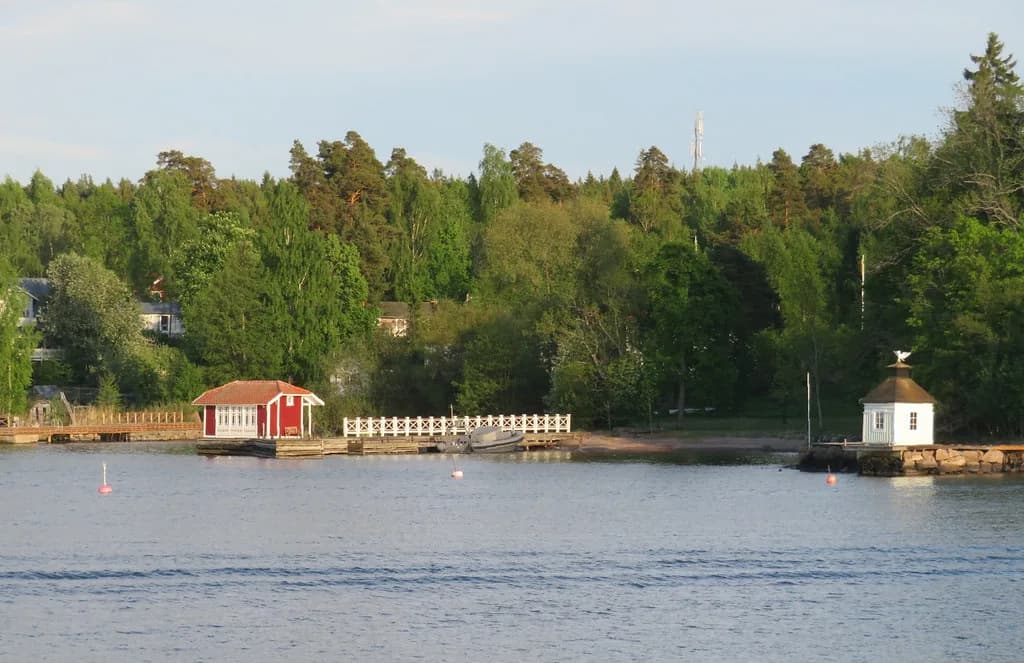
Saunas in Sweden: Bathhouses, Floating Saunas and Etiquette
Swedish saunas explained: the bastu tradition, nude or swimwear rules, cold dips, and named bathhouses, floating saunas and city spas from Malmö to Gothenburg.
On this page
Sweden takes saunas seriously, and the national word for the room is bastu — the verb is att basta, as in asking a friend whether they want to sauna this evening. The experience is rarely just a hot room: it is a loop of heat, a plunge into sea or lake, and a stretch of sitting still afterwards. That loop is what shapes a Swedish sauna trip, whether you are in Malmö, Gothenburg or the archipelago.
Public options range from historic cold-bath houses on piers to wood-fired rafts you book by the hour with a group. The smart move is to pick one of each: a city bathhouse for the ritual and a floating or lakeside sauna for the setting. Along the west coast alone there are plenty of salt and freshwater saunas listed by the regional tourist board, most taking bookings year-round.
What a Swedish sauna is: the bastu and the heat-cold-rest cycle
A bastu is a wooden room with tiered benches; you sit high for the hottest air and lower if the heat gets too much. Typical temperatures sit between about 80°C and 90°C, a dry heat that gets more humid when you ladle water onto the stones. Choosing your bench is the main control you have over intensity, so start one or two tiers down and move up once you know how you feel.
The rhythm matters more than the duration. Swedes commonly sit for twenty to thirty minutes, walk out to the water, cool off and then return for another round, repeating for a couple of hours. Between rounds there is usually a shower, a bench outdoors or a glass of something cold; the rest is part of the session, not dead time.
If the Finnish tradition is your reference point, expect something slightly more social and less steamy in Sweden: the heat is drier, the birch whisking is uncommon, and people often sauna with friends after sport rather than as a whole-family routine. Our Finnish sauna guide explains the other side of that comparison, including Löyly and the whisk.
Nude or swimwear? How Swedes handle mixed and single-sex saunas
Context decides everything. At international-style hotel and spa saunas there is often one mixed room and swimwear is expected, with signs stating the rule. In Swedish leisure centres and community pools the norm flips: saunas are frequently single-sex, and people sit naked with a towel under them.
Mixed saunas at lakeside cabins and mountain resorts usually mean a towel wrapped around you rather than a costume. Younger Swedes are more likely to cover up than older generations, so the practical approach is to look at what everyone else is doing and match it. If others are nude, following suit with a towel to sit on feels less awkward than being the only person in trunks.
For a first session, a single-sex public sauna is the easier entry. There is no performance to it, nobody is watching, and the towel you sit on stays with you the whole time.
How a session works: showering, towels, seat covers and talking
Shower before you go in — that is the one rule nobody argues about. A quick dip in the lake or sea does the job if there is no shower, and the point is keeping the benches clean for the next person. Carry a towel in with you, both to sit on and to wrap around yourself on the way to the water; a second towel for drying off afterwards is worth the bag space.
Some saunas are walk-in, especially public ones attached to swimming halls; the freestanding coastal and floating ones are usually booked by the group, in two- or four-hour blocks or a full evening. That booking model favours friends and families rather than solo travellers, so check capacity when you plan — the raft-style saunas on the west coast take parties of roughly eight to fourteen people.
Talk quietly. Chat with the people you came with, but do not start a conversation with strangers in a public room, and skip the competition about who can sit longest on the top bench. If you want more steam, ask before throwing water — other people in the room may not want more heat.
Public spas and leisure centres generally do not allow alcohol inside the sauna or pool areas, though a beer afterwards at a private lakeside cabin is a normal part of the evening for many Swedes. Either way, drink water alongside — that is the whole safety brief: stay hydrated, skip alcohol before bathing, leave if you feel unwell, and talk to a doctor first if you have a heart condition or are pregnant.
The cold dip: sea, lake and isvak
Cold water is the point of a Swedish sauna for many people, not an optional extra. At coastal and lakeside saunas you go straight from the heat into the sea or lake, and in winter the swim happens through an isvak, a hole cut in the ice. Hellasgården cuts one in winter on Lake Källtorp so the session can continue as normal.
At resorts, people sometimes dash between sauna and water without dressing in between, especially when the sauna is a few steps from the shoreline. In towns it is more modest: a towel from the door to the jetty, then back inside. The cold walk between heat and water is real — in winter it is the part that sorts the enthusiasts from the rest.
Pick your venue with the cold option in mind. A platform over the Øresund, a jetty on the Kattegat and a ladder into Lake Vänern are three very different plunges and each one changes how the day feels.
Classic kallbadhus and city bathhouses: Malmö and Varberg
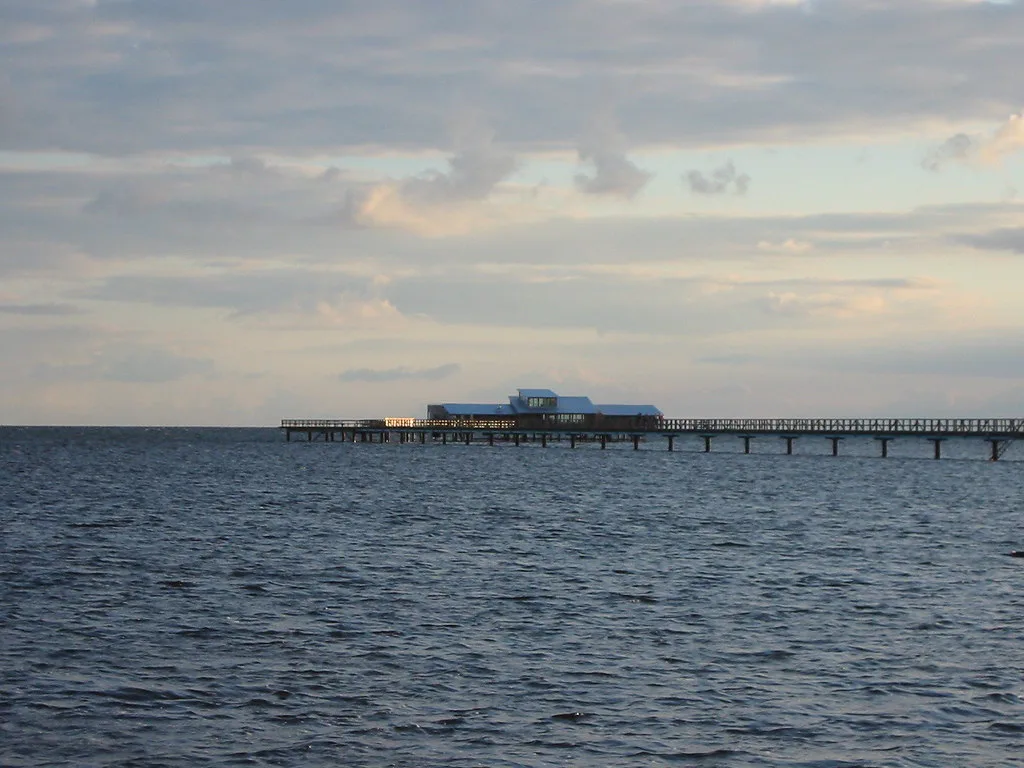
Ribersborgs Kallbadhus, known locally as Ribban, is a historic open-air bathhouse jutting into the Øresund in Malmö: simple wooden saunas, sea views and locals swimming year-round. It is far less polished than a spa and keeps a reasonable price level, which is what makes it the standard introduction to Swedish sauna culture.
Varbergs Kallbadhus sits on a wooden pier stretching into the Kattegat, with hot saunas, cold sea swims and a distinctly old-school routine. It is a little over an hour from Gothenburg by train, which makes it a realistic day trip alongside the city's own sauna scene, set out in our guide to the best saunas in Gothenburg.
Both bathhouses run on the same principle: separate sections, a sauna, showers and direct access to the sea. Neither is a spa, so bring your own towel and expect simple changing rooms rather than lounges.
Stockholm basics: Hellasgården and the city spas
Hellasgården, on the shore of Lake Källtorp, is the practical Stockholm answer: saunas, a lake to swim in, an ice hole in winter and trails for walking or cross-country skiing. It is open year-round and reachable within the city, which makes it the default first stop; our Hellasgården sauna guide covers the details.
For the opposite end of the scale, Sturebadet is a refurbished 1880s bathhouse in central Stockholm, now an upmarket spa with a pool, hot tubs, saunas and a gym. Swimwear is the safe assumption here, and prices sit at the spa end rather than the bathhouse end.
The Grand Hotel's spa takes non-residents for a sauna, Nordic bath and swim, and the city also has floating options on the water, covered in our guide to floating saunas in Stockholm. Our round-up of the best saunas in Stockholm ranks these against each other if you only have one slot.
Floating and wood-fired saunas on the west coast
The Bohuslän coast has the densest concentration of bookable saunas in the country, and most are hired as a whole unit rather than entered solo. On Dyrön, a short boat trip from the jetties at Rönnäng or Rökan, the sauna sits about ten metres from the sea and takes bookings all year. Nimbus Öckerö, out on a jetty in Gothenburg's northern archipelago, holds up to eight people for two- or four-hour blocks, with a swim from the harbour or the new jetty.
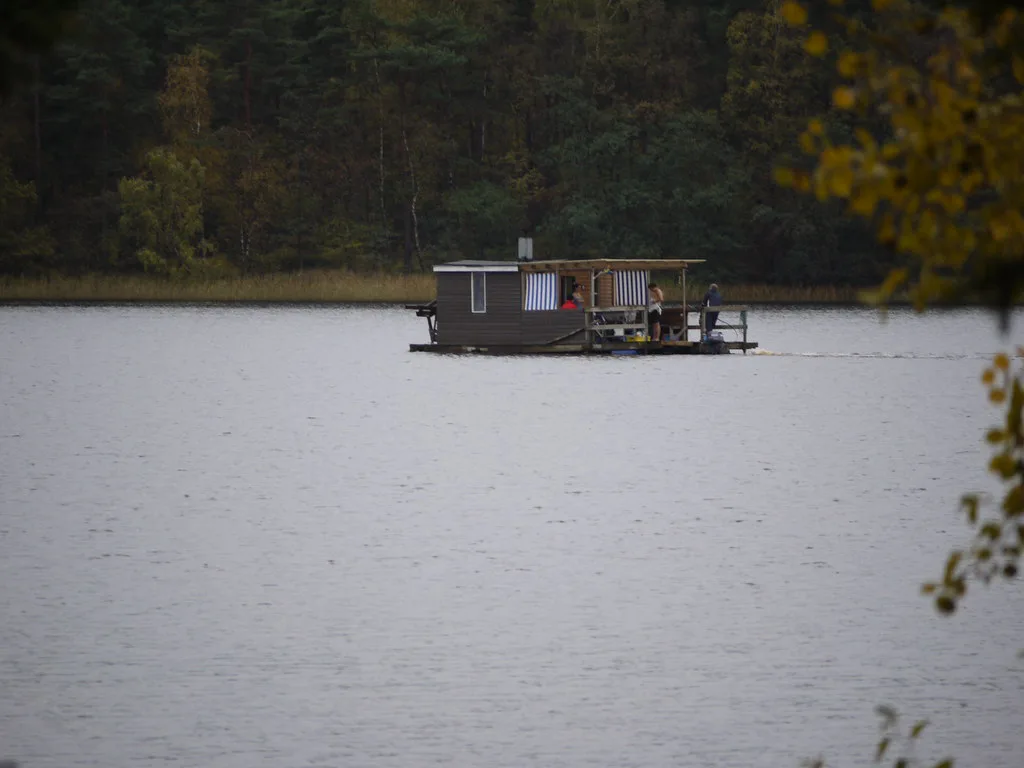
For something on the water itself, Kajkanten's floating sauna in the harbour on Vrångö lets you alternate heat with dips in the sea, and Salt & Sill at Klädesholmen moors a catamaran with a sauna, showers and steps down into the water. Anfasteröd Gårdsvik near Ljungskile has a wood-fired sauna raft for twelve with a relaxation room alongside.
Hotel Strana on Orust floats a sauna for up to fourteen, and Björholmen's Marina on Tjörn offers a wood-fired room looking out over the guest harbour. Private-island and hot-tub combinations exist too, at Hampholmen off Smögen and at Lagunen near Strömstad, both bookable year-round. Prices are set per group and per block rather than per head, so a full raft only makes sense if you can fill it.
In Lysekil, the Kallbadhus puts a traditional cold-bath house right beside the town centre, so you get the old-style sea sauna without a boat trip. It is the easiest west-coast option if you are travelling without a car or a full group.
Freshwater and lakeside saunas: Hjo, Upperud, Hällsnäs and Vänern
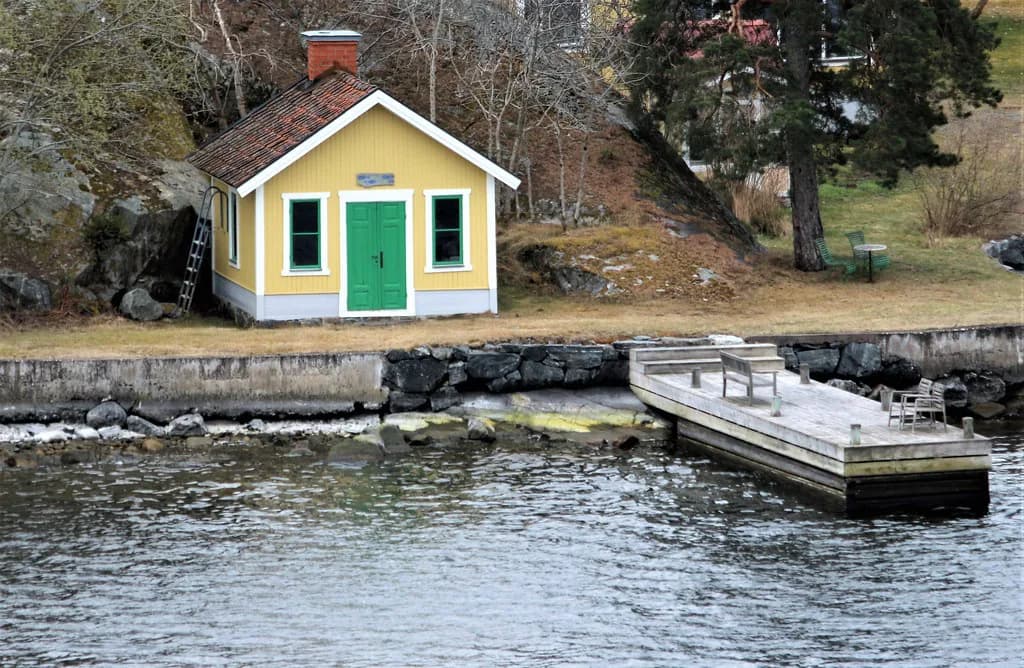
Hjo, on the shore of Lake Vättern, puts a sauna inside one of the town's colourful early twentieth-century bathing huts, just metres from the water. It is free to the public on Mondays 17.00–19.00 and Wednesdays 13.00–15.00, and available for booking at other times — the cheapest proper sauna experience on this list.
Upperud 9:9 in Dalsland has a twelve-person sauna with its own swimming jetty and a ladder into Lake Upperudshöljen, bookable in spring, summer and autumn by both guests and the public. Hällsnäs, outside Gothenburg on Lake Landvettersjön, combines a wood-fired floating sauna with hot tubs and a jetty for dips, open for booking all year.
On Lake Vänern, Naven's floating sauna at Kållandsö can be hired whole with a hot tub and barbecue hut, or as just the sauna, with bookings running March to November. Ulkeröds Gård in northeast Bohuslän pairs a wood-fired hot tub with Lake Lersjön a few metres away, year-round. The seasonal window at Naven is the constraint to plan around: outside it, look to the coastal rafts instead.
How Swedish sauna differs from the Finnish sauna
Finnish saunas are often hotter and steamier, and whisking with birch bundles is common there; Swedish sessions are drier at around 80–90°C, more relaxed and more social. Finns sauna at home in enormous numbers and often with the extended family, while Swedes tend to go out to sauna with friends or after exercise. Neither is more authentic — they are different habits built around the same room.
If you have already done the Finnish circuit, the adjustment is mostly social: expect less ceremony, more conversation and a towel rather than a vihta. If Sweden is your first, the Finnish sauna guide is the place to understand what the steamier version involves before you cross the Gulf of Bothnia.
Doing it cheaply: bathing huts, community pools and lakeside saunas
The lowest-cost saunas are the ones run by municipalities and clubs: a bathing hut on a lake, a leisure-centre sauna attached to a swimming hall, or a public jetty sauna with a booking slot. Hjo's free public hours show how cheap this can be, and community pools in Swedish towns generally follow the same modest pricing.
The trade-offs are the same everywhere at this level: small changing rooms, queues at popular times, and a cold walk between the sauna and the water in winter. What you save in money you spend in planning, especially around weekends and school holidays.
Safety and practicalities
Bring a towel, a water bottle and a change of clothes; add a second towel if you plan to swim. Showers are standard at public saunas, and most expect you to wash before entering. Leave valuables at your accommodation where changing rooms are basic.
Stay hydrated, skip alcohol before bathing, and get out if you feel unwell. Nothing about a sauna requires endurance, and leaving early is entirely normal. Anyone with a heart condition or who is pregnant should speak to a doctor before a session.
Most coastal and raft saunas are booked per group and per time block, so a solo traveller is better served by a public bathhouse or swimming hall. Book ahead for summer weekends and winter holidays, when the popular islands fill first.
Plan Your Swedish Sauna Trip
Start with one ritual venue and one wild one: a kallbadhus in Malmö or Varberg for the classic sea-sauna, then a bookable floating or lakeside sauna in Bohuslän or Dalsland for the setting. Both put the cold dip at the centre, which is what makes the Swedish version distinctive.
Pick the season deliberately. Warm months make the swims forgiving and the rafts and lakeside saunas easiest to enjoy, while winter is when the isvak and the heated changing rooms earn their keep. Wherever you go, check current prices and opening dates on the venue's own website before you travel.
Explore more Sweden sauna guides
Frequently Asked Questions
Do you wear clothes in a sauna in Sweden?
It depends on the venue. At hotel and international-style spas there is often a single mixed sauna where swimwear is expected, and signs usually state the rule. In single-sex saunas at leisure centres and community pools, Swedes commonly sit naked with a towel beneath them. The reliable approach is to look at what others in the room are doing and match it.
Does Sweden have a sauna culture?
Yes, but the habit is more social than domestic. The room is called a bastu and the activity is att basta, and Swedes typically go out to sauna with friends or after sport rather than relying on a sauna in every house. Sessions are usually a loop of heat, a cold dip and rest, repeated over an evening.
What are the etiquette rules for using saunas in Sweden?
Shower before entering, sit on a towel, keep conversation low or silent around strangers, and ask before adding water to the stones. Do not turn bench height into a contest, and leave when you have had enough. Public spas and pool saunas generally do not allow alcohol in the bathing area.
How hot is a Swedish sauna?
A typical Swedish sauna runs at roughly 80°C to 90°C, a fairly dry heat that becomes more humid when water is ladled onto the stones. Bench height matters more than the thermometer reading: the top bench is hottest, and sitting lower is the simplest way to ease off.
What is the difference between a Swedish and a Finnish sauna?
Finnish saunas are typically hotter and steamier, with birch-whisking a common practice; Swedish sessions are drier, more relaxed and more conversational. Finns sauna in huge numbers at home and often with extended family, while Swedes more often sauna out with friends or after exercise.
What is an isvak?
An isvak is a hole cut through the ice on a frozen lake or the sea, used for a cold dip between sauna rounds in winter. Lake and coastal saunas such as Hellasgården cut one so the heat-cold-rest cycle can continue through the cold months.
Sources
Sauna notes for your next trip
Optional updates to our sauna guides.
You might also like
Continue reading
More guides you'll find useful