Saunas in Oslo: Floating, Harbour and Public Picks
Pick the right sauna in Oslo: floating boats by the Opera House, harbour saunas at Sukkerbiten and Langkaia, and cheap municipal swimming-hall saunas.
On this page
The sauna most visitors should pick in Oslo depends on whether they want the fjord, a walk-in, or a group table. For the full floating-boat experience, book KOK Oslo, which runs private floating saunas on the Oslofjord year-round and requires advance booking. For the cheapest reliable session, head to Tøyenbadet, where a municipal pool ticket includes the sauna and no booking is needed. For a social, harbour-side setting with food and a concert stage, SALT at Langkaia fits, though its opening follows an events programme.
Oslo's sauna market runs from a municipal walk-in to a private boat, and the gap matters more than the ranking. Prices are fixed at the municipal pools but set per session or per site elsewhere, so the booking channel decides what you pay. The city's defining ritual is the hot-cold contrast: sauna heat, then a plunge into the Oslofjord, which is why so many of the best options sit on the water.
What kind of sauna Oslo does best
Oslo does water-adjacent saunas better than almost any European capital. Floating boats and harbour-side wooden saunas put the Oslofjord within a few steps of the hot room, and the city's swimming halls fill the gap on price. That gives you four practical categories: floating saunas, harbour saunas on land, municipal swimming halls with saunas, and a wellness centre in Sandvika, roughly 20 minutes by train from Oslo S.
The trade-off is consistency. Floating boats need booking and weekends fill up one to two weeks ahead in the warmer months. Harbour sites vary with events and weather, and some operate seasonally. Municipal halls are year-round and walk-in, but they are indoor pools with saunas attached, not fjord-view destinations.
Floating saunas on the Oslofjord: KOK Oslo and the boats by the Opera House
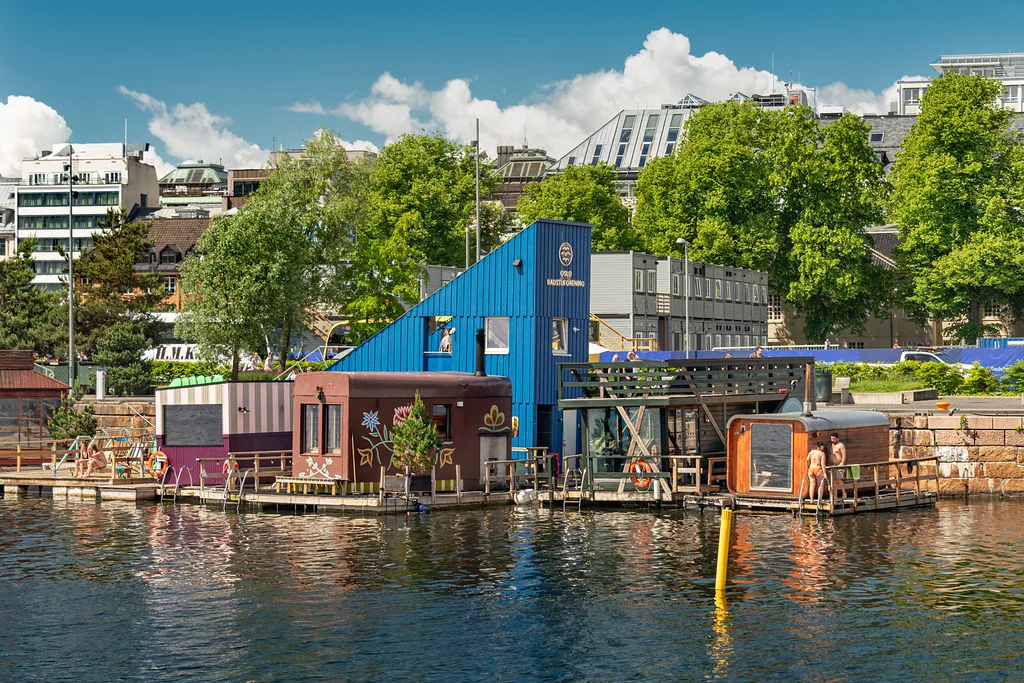
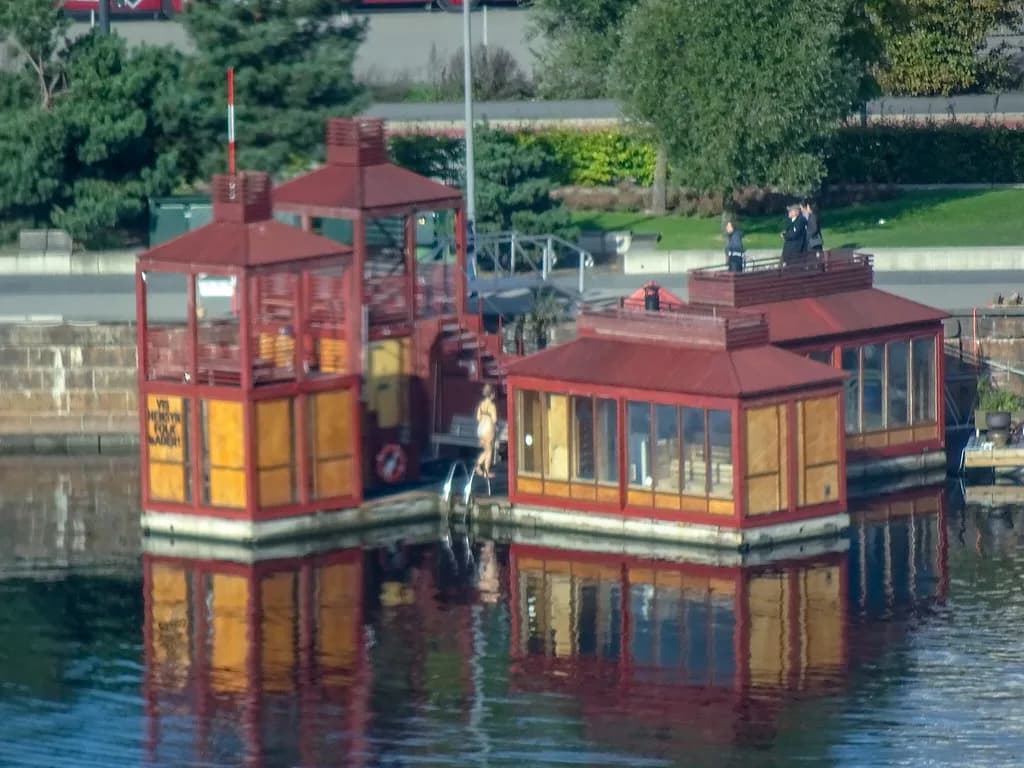
KOK Oslo is the reference point for a floating sauna in the city: private boats on the Oslofjord, available year-round, each with a traditional stove, a deck, and direct water access for a cooling dip between rounds. The boats hold up to eight people and moor around Langkaia and Aker Brygge, so the exact location is set at booking. A sauna master and lifeguard are present during sessions to keep water and firewood coming and answer questions.
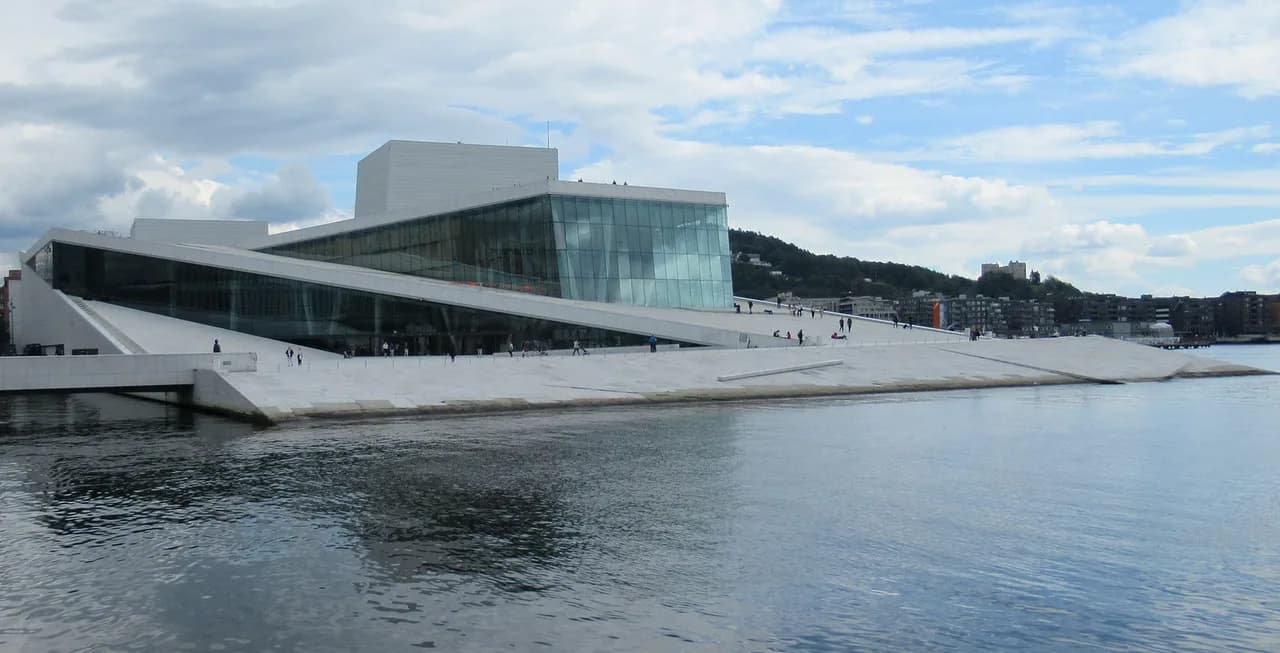
Book KOK through its own site, expect to pay per session rather than a fixed ticket, and treat it as a group outing: private boats are effectively mixed or separate as your group chooses. Weekends book out well in advance, so this is not the option for a spontaneous solo hour. The view from the water takes in the Opera House and the Munch Museum, which is the main reason to pay the premium over a land-based sauna.
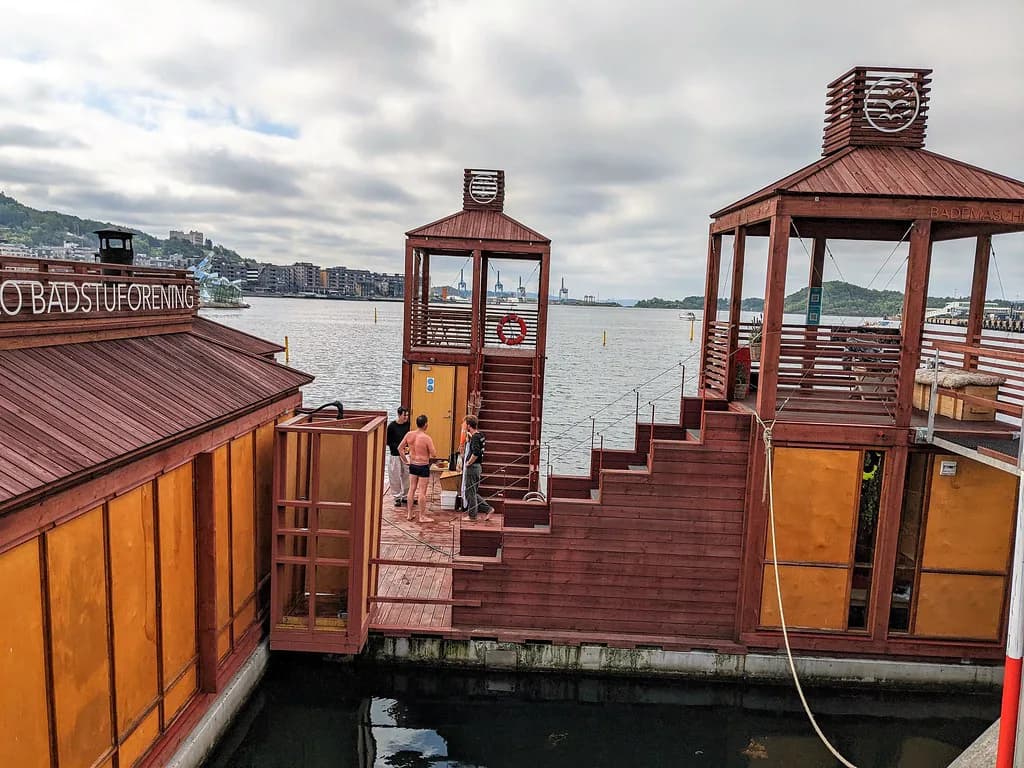
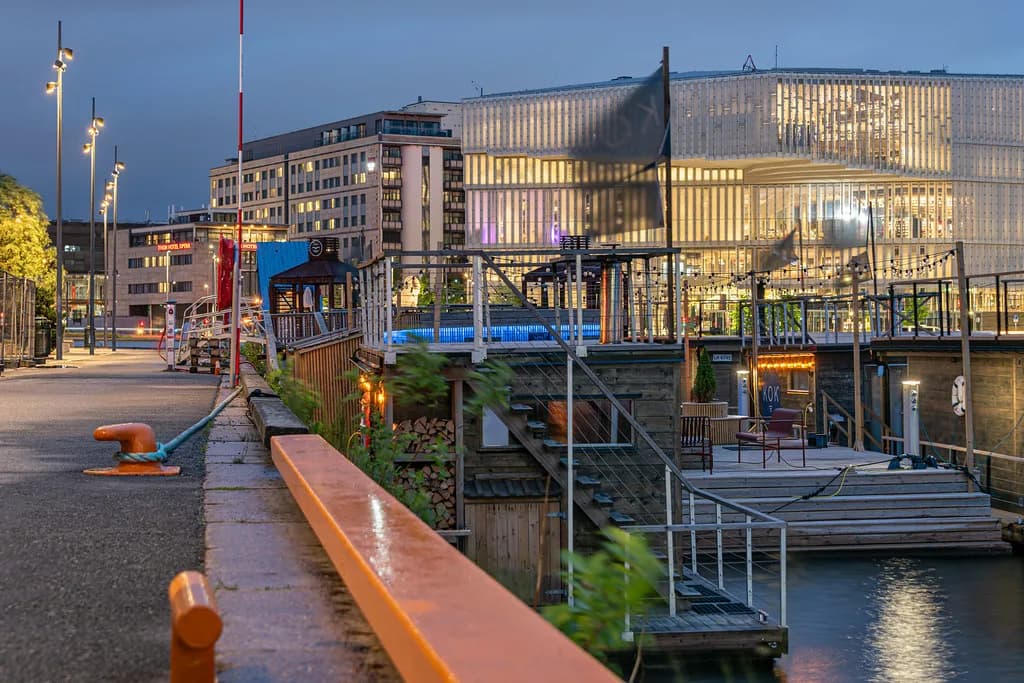
A second floating option sits right behind the Opera House at Operastranda, where four architect-designed floating saunas run two-hour sessions. You can enter any time from 7.00am to 7.00pm on your booking day, arrive before 5.00pm for the full two hours, and use the hot tub if the fjord feels too cold. Bring a towel, swimsuit, sandals and water; each sauna has a changing room and there is an outdoor cold shower for guests.
Oslo Badstuforening's sites: Sukkerbiten at Bjørvika and the harbour saunas
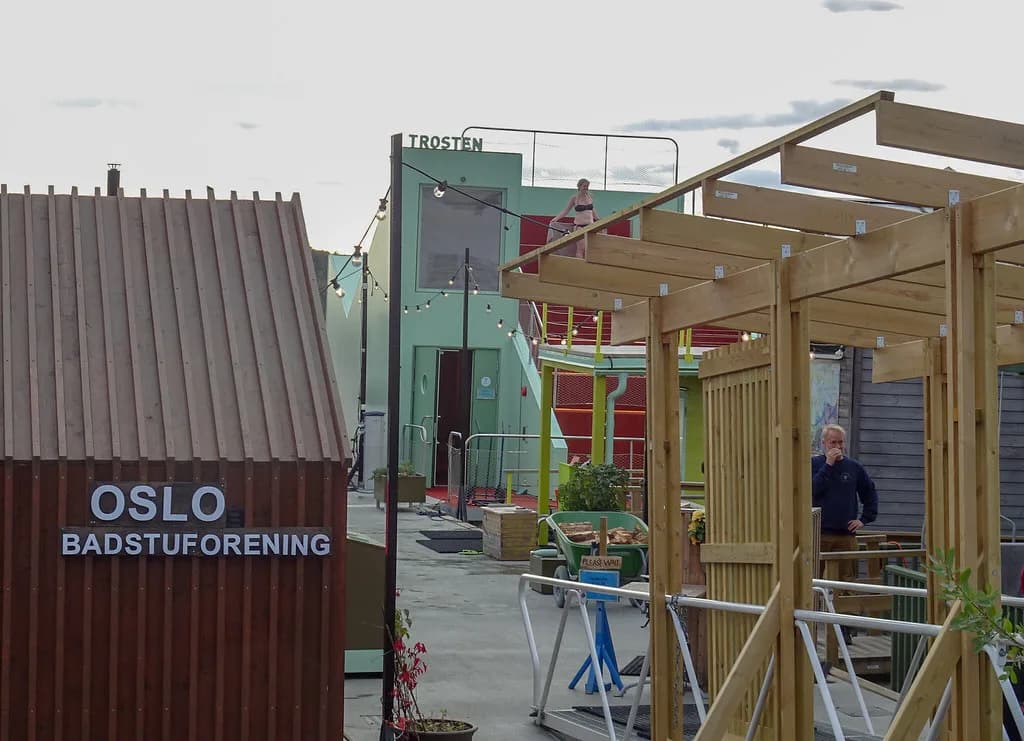
Sukkerbiten, on the Bjørvika peninsula within walking distance of Oslo S, is the most central outdoor sauna in the city. Operated by Oslo Badstuforening, it offers floating saunas with direct Oslofjord access, fjord views and a quieter atmosphere than the big venue at Langkaia, which makes it a good fit for couples and small groups. It is seasonal and opening varies with events and weather, so a summer trip is the safer bet than a winter one.
Oslo Badstuforening sets price and opening hours per site across its locations, so Sukkerbiten and the other harbour saunas do not share a single ticket price. Booking is recommended rather than strictly required, and the cold-water option is the fjord itself, with ladders and decks for getting in and out. Expect a short, bracing walk between the hot room and the water, which is part of the experience but worth planning for in winter.
SALT at Langkaia: the pyramid saunas, food and concert-stage setup
SALT at Langkaia is a cultural venue with a sauna attached rather than a pure bathhouse. Wooden pyramid saunas sit on the harbour with views over the Oslofjord and Akershus Fortress, and there is food service, a concert stage and live music in season. That makes it the best pick in Oslo for a group that wants a table, a drink and a sauna in one evening.
The price is fixed and published: 205 NOK on weekdays and 255 NOK at weekends. Opening follows the events programme, so hours vary and the sauna has been listed as temporarily closed, which makes a same-day walk-in risky. Booking is recommended for peak times, and the sea access at Langkaia gives you the cold plunge without leaving the site.
Tøyenbadet and the municipal swimming halls: the cheapest sauna in the city
Tøyenbadet is Oslo's cheapest sauna, and it works like a municipal pool rather than a destination spa. The sauna is included in the standard pool ticket, which is Oslo kommune's flat rate at every municipal pool: 175 NOK for adults, 125 NOK for students and seniors, 40 NOK for children and 390 NOK for a family. No booking is needed, so you can turn up and pay at the entrance.
Tøyenbadet has two dry saunas, and the steam bath is closed indefinitely. The format is traditional indoor heat, with no fjord view and no concert atmosphere, but it is year-round and easy to reach on the metro to Tøyen station. For a first-timer who wants to understand the Norwegian routine without committing to a boat, this is the low-risk choice.
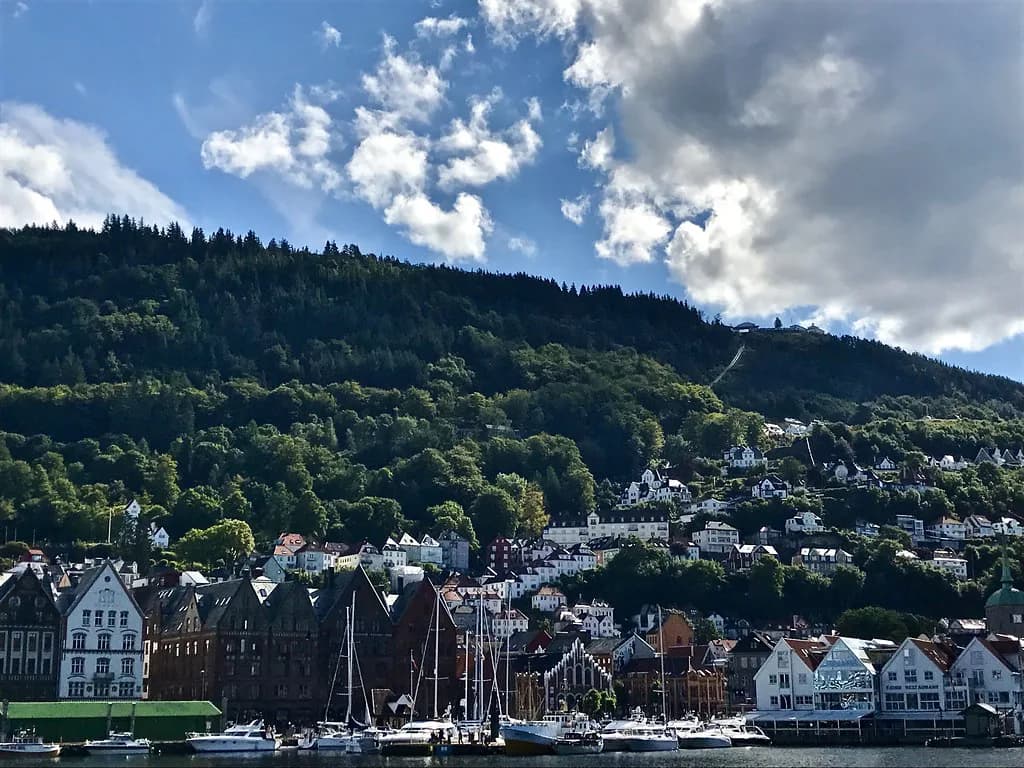
The other municipal pools in Oslo carry the same flat price and the same walk-in model, so the choice between them comes down to location and facilities rather than cost. Opening hours can shift during school holidays and public holidays, so a weekday visit is easier to plan than a holiday weekend. If you are in Bergen instead, the saunas there follow a different set of rules, and The Best Saunas in Bergen covers them.
Pust Sandvika: the year-round alternative outside the centre
Pust Sandvika is a dedicated wellness centre about 20 minutes by train from Oslo S, with sauna, cold plunge and relaxation areas in a controlled, indoor setting. Prices start at roughly 200 NOK, and the centre runs year-round with stable hours, which makes it the most reliable option when a harbour sauna is closed for weather or an event. The trade-off is distance: it is a planned trip from central Oslo, not a stroll from the Opera House.
Choose Pust if you want a consistent, calm session and a cold plunge without sea conditions, or if you are staying on the Sandvika side of the city. Skip it if the point of your sauna is the fjord, since there is no water view and no outdoor swim. A session here also pairs well with a train ride out and back rather than a full evening in the centre.
Which sauna suits which trip
First-timers should start at Tøyenbadet: cheap, walk-in, clearly organised, and easy to leave if the heat is more than you expected. If you want the memorable version instead, book KOK Oslo as a group and treat the boat as the event itself. Budget travellers should stick to the municipal pools, where the adult ticket is the same at every site.
Groups and couples want different things. SALT at Langkaia wins for a social evening with food and music, while Sukkerbiten wins for a quieter waterfront session for two. In winter, KOK's floating boats still run year-round, while Sukkerbiten's season varies and opening can shift, so the walk between heat and water is genuinely cold and you should bring a towel and warm layers rather than relying on the venue. For the wider regional picture, the saunas in Bergen show how another Norwegian city handles the same hot-cold idea. If you want to compare how another Scandinavian capital sets up its bathing, our Copenhagen sauna guide covers the same decision.
How a session actually works
A typical Oslo session runs in rounds: 10 to 15 minutes in the heat, then a cool-down, then back in, repeated two or three times. On a floating sauna the cool-down is a ladder into the Oslofjord; at a municipal pool it is a cold shower or a plunge pool. Finns usually stay 5 to 15 minutes per round, and the Norwegian version follows the same rhythm with more emphasis on the cold dip between rounds.
Booking works differently by type. KOK and the Operastranda boats require advance booking, with two-hour slots at Operastranda and session-based pricing at KOK. SALT and Sukkerbiten recommend booking at peak times, and the municipal pools are walk-in only. Mixed and single-sex sessions vary by venue, so check the session type when you book.
Changing rooms exist at the floating saunas and the pools, but space is tight at peak times and queues form before popular slots. Bring your own towel, since most Oslo saunas do not include one, plus swimwear, sandals and a water bottle. A small amount of cash or a phone with Vipps helps at venues that take mobile payment.
Etiquette in brief
Shower before you enter the hot room, sit on a towel or seat cover, and keep the door closed behind you. Swimwear is the norm at public and mixed sessions in Oslo, while single-sex sessions at some venues follow local custom, so follow what the venue asks. Keep conversation low in the hot room, and give up your bench promptly between rounds when the sauna is busy.
Alcohol and sauna do not mix well, and it is normal to drink water before and after each round. Leave the heat if you feel dizzy or unwell, and speak to a doctor first if you have a heart condition or are pregnant. None of this needs to be complicated: the point is to enjoy the contrast, not to endure it.
Getting there
Most of Oslo's saunas sit within walking distance of Oslo S. Sukkerbiten is on the Bjørvika side, the Operastranda boats are behind the Opera House, and SALT at Langkaia is a short harbour walk from the station. Allow 10 to 20 minutes on foot between the station and the waterfront sites, more in winter when paths are icy.
For Tøyenbadet, take the metro to Tøyen station; the pool is a short walk from the exit. For Pust Sandvika, take a train from Oslo S toward Sandvika, roughly 20 minutes, and walk from the station. The floating boats at Langkaia and Aker Brygge are close to tram and bus stops along the waterfront.
Allow extra time for the walk between sauna and water in winter, and check the venue's own site once for current hours before a special trip, since harbour sites shift with events and weather.
Seasonal notes and the Finnish reference
Winter is when Oslo's sauna scene makes most sense: steam rising off the fjord, ice at the edges, and a short, sharp dip before you climb back into the heat. KOK runs year-round and is the safest winter bet among the floating options, while Sukkerbiten and SALT are more exposed to weather and events. Summer brings longer queues and fuller weekend boats, so book early if you are visiting between May and September.
The Finnish sauna is the natural reference point for what happens inside the hot room: dry heat, a stove, and a bucket for ladling water onto the stones. Oslo's version adds the sea, but the etiquette and the round structure will feel familiar to anyone who has sat in a Finnish sauna. If you want the deeper background, the Finnish sauna guide explains the tradition properly.
Plan Your Visit
Oslo rewards a simple decision: pick a floating boat for the occasion, a harbour sauna for the atmosphere, or a municipal pool for the value. Book the boat first if your dates are fixed, since weekend slots go early. Leave the rest to the day: the city is compact enough that you can walk from Oslo S to the waterfront saunas, and the fjord is always the cold plunge.
Bring a towel, swimwear, sandals and water, shower before you enter, and keep your rounds short enough that you want a second one. Stay hydrated, skip alcohol before bathing, and leave the heat if you feel unwell. That is the whole rulebook for a good sauna in Oslo.
Explore more Oslo sauna guides
Frequently Asked Questions
What is the best sauna in Oslo for a first visit?
Tøyenbadet is the easiest first sauna: the sauna is included in the municipal pool ticket, no booking is needed, and the metro to Tøyen station puts it within a short walk. If you want the memorable version, book KOK Oslo as a group and treat the floating boat as the main event.
Do I need to book a floating sauna in Oslo?
Yes for KOK Oslo, which requires advance booking and fills weekend slots one to two weeks ahead in the warmer months. The Operastranda boats also run on booked two-hour sessions. Harbour sites such as Sukkerbiten recommend booking at peak times, while the municipal pools are walk-in only.
How much does a sauna session in Oslo cost?
The municipal pools charge a flat rate that includes the sauna, with lower prices for students, seniors and children. SALT at Langkaia publishes a weekday and weekend rate, and Pust Sandvika starts around a set level. KOK and Oslo Badstuforening set prices per session or per site, so the booking page decides what you pay.
Are Oslo saunas mixed or single-sex?
It depends on the venue and the session. Private floating boats are effectively mixed or separate as your group chooses, while some public sessions are single-sex at set times. Check the session type when you book, and follow the venue's swimwear rule for that slot.
Can you swim in the fjord from an Oslo sauna in winter?
Yes at the floating and harbour sites such as KOK Oslo, Sukkerbiten and SALT at Langkaia, where ladders and decks give direct access to the Oslofjord. KOK runs year-round, while Sukkerbiten and SALT are more exposed to weather and events. Bring warm layers for the short walk between heat and water.
How do Oslo saunas compare with the Finnish sauna?
The hot room follows the Finnish model: dry heat, a stove, and water ladled onto the stones, with rounds of roughly 5 to 15 minutes. Oslo adds the sea as the cold plunge and a more social, harbour-side setting. The Finnish sauna guide covers the tradition in more depth.
Sources
Sauna notes for your next trip
Optional updates to our sauna guides.
You might also like
Continue reading
More guides you'll find useful