
Saunas in Norway: Where to Bathe and What to Expect
Saunas in Norway are public, unpretentious and usually paired with cold water. Here is how Norwegian sauna sessions work and where to bathe in the cities.
On this page
Saunas in Norway are a public, everyday habit rather than a spa treat: you book or walk into a heated wooden room, sweat for a while, then step into cold air or cold water and sit still before going back in. The Norwegian version is closely tied to landscape and weather, with the change of temperature and the view outside treated as part of the session rather than an optional extra.
Travellers who expect a hushed wellness suite are often surprised by how functional and sociable it feels. Wood, warmth and silence do most of the work, and the culture rewards slowing down over elaborate facilities.
Norway's sauna culture: heat, cold air and landscape
What distinguishes a Norwegian sauna is the setting as much as the heat. Many are placed by water, looking over fjords, lakes or open coast, and the brief walk outside between rounds is treated as a genuine part of the experience rather than a dash to be minimised.
The tone is down to earth. Sauna here reads as traditional and social more than luxurious, closer to a practical way of warming up and switching off after time outdoors than to a staged wellness product. That matters for planning: you go for the rhythm, not for robes and reception desks.
Because the landscape carries so much of the experience, the best sessions tend to be unhurried. Plan several calm phases of warmth, cooling and rest rather than one long bake, and accept that the strongest memories usually come from the contrast between the hot room and the sharp air outside.
How a Norwegian sauna session actually works
A session runs in rounds. You sit in the hot room until you are comfortably hot, step out to cool in air or water, rest until your skin has settled, then repeat. Nobody counts rounds for you, and there is no fixed programme to follow in a plain public sauna.
Temperature and timing are self-managed, so read the room: if locals are leaving after ten minutes, that is your cue. Sitting on a towel or seat cover is normal, and a shower before entering is expected.
Leave your phone in the changing area and keep conversation low unless the room is clearly a chatty one. The silence is not solemnity, it is simply how a shared hot room stays comfortable for everyone in it.
Booking or walk-in, swimwear or towels, mixed sessions
City saunas on the water usually take bookings online for timed slots, and popular evening slots fill, so reserve ahead if you want a specific hour. Smaller neighbourhood saunas and swimming halls more often run on a walk-in basis. Bring a large towel to sit on and a second to dry with, plus flip-flops for the wet floor between the hot room and the water.
Swimwear rules vary by venue type: mixed public saunas generally expect swimwear or a wrapped towel, while single-sex sessions in swimming halls follow the local convention, which in Norway is often nude with a towel to sit on. Venues publish their own rule, and the changing rooms are usually modest in size, so travel light.
If you want the full picture of how a Nordic session is paced, from Löyly and whisking to the cold plunge, the conventions are described in our guide to the Finnish sauna, and Norway shares much of that framework.
The cold-water option: sea, fjord, lake and plunge
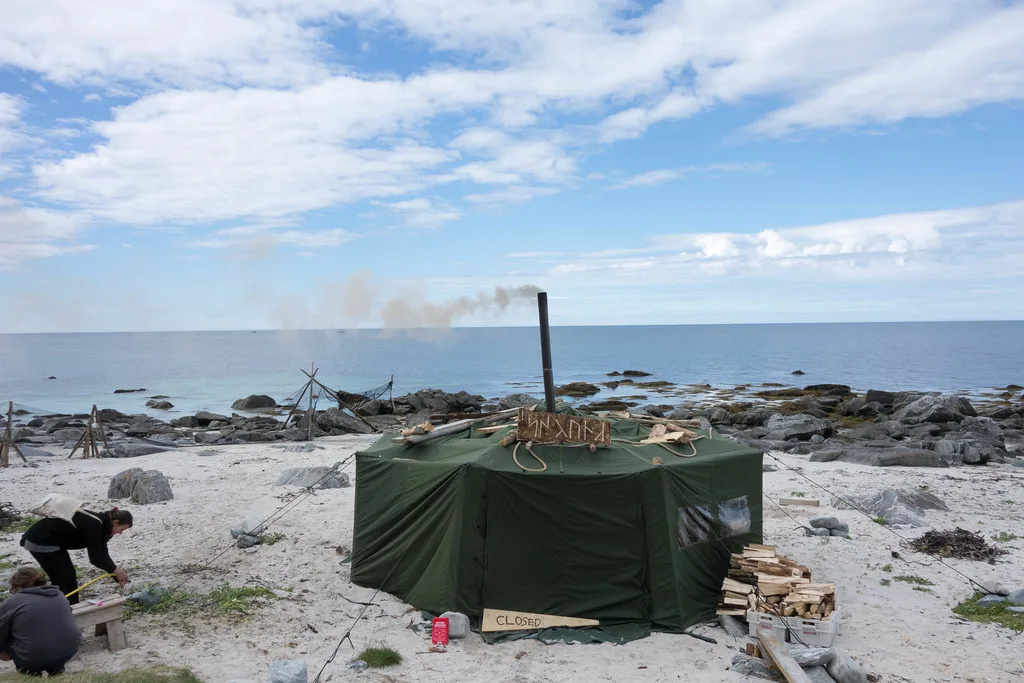
Cold water is the second half of the ritual. Along the coast and the fjords, bathers step straight from the hot room into the sea, and many saunas are built precisely so that the ladder or steps are a few paces away. Lakes and rivers do the same job inland.
In winter the sea is seriously cold, and the walk between heat and water can be slippery or icy. Go in together with others, keep the dip short, and have a dry towel and warm layer waiting at the door rather than at the far end of a changing room.
Plunge pools and cold showers are the fallback where open water is impractical or unsafe in bad weather. They deliver the same reset without the outdoor exposure.
City saunas and where to bathe in Norway
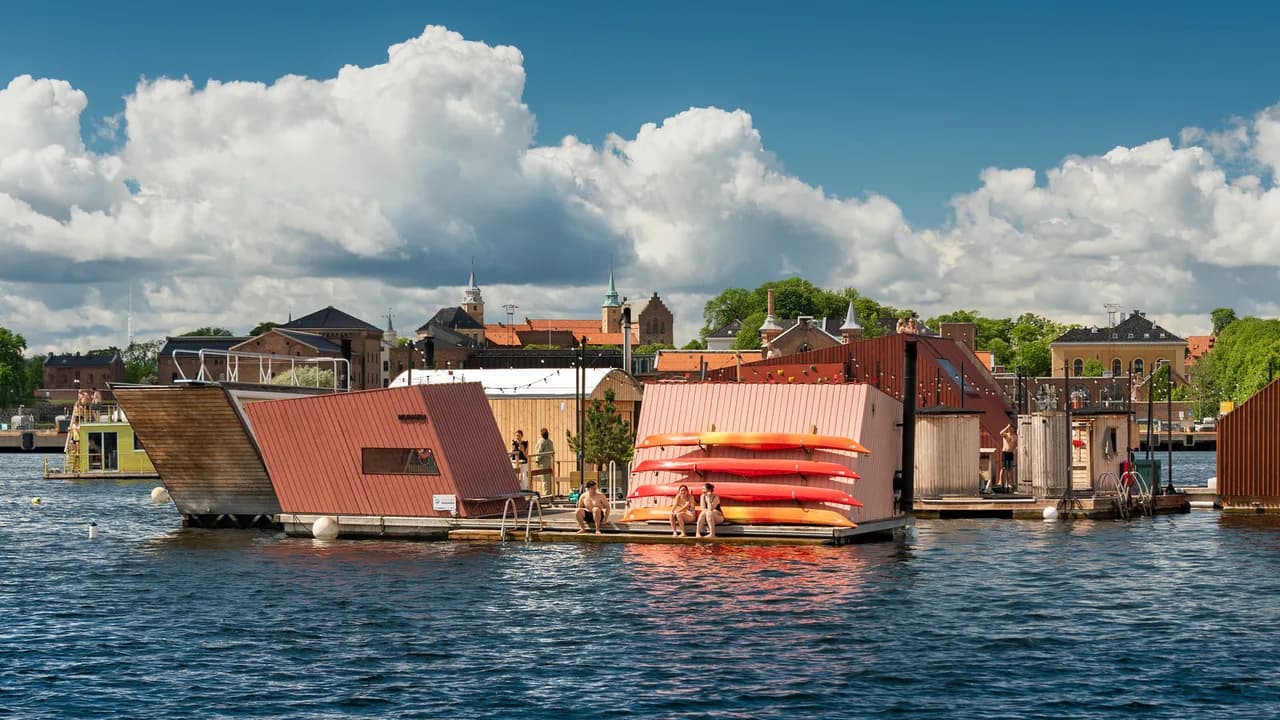
Oslo has the country's densest cluster of public saunas, most of them on the fjord and built for a hot room plus a sea dip. The saunas in Oslo range from floating pontoons to converted harbour buildings, and a few are open year round, which makes the capital the easiest place to try the ritual on a short trip.
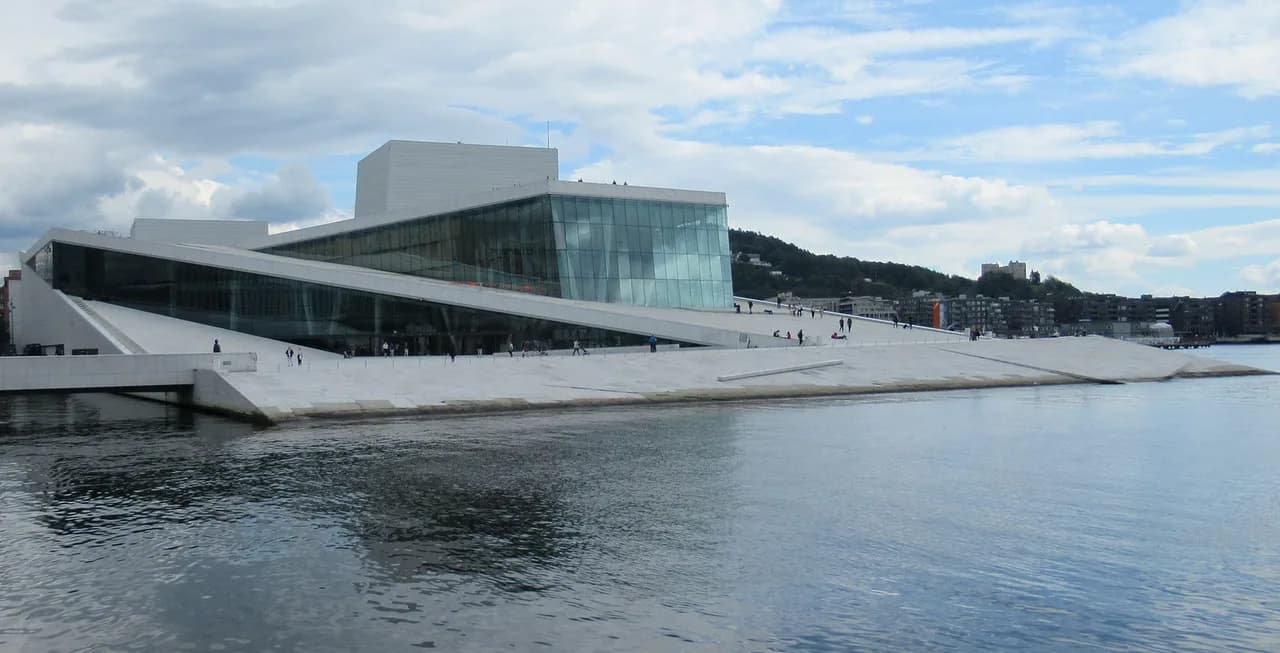
Oslo Badstuforening runs several of the city's waterfront saunas, including floating ones within walking distance of the Opera House and the Munch Museum. Booking online for a fixed slot is the usual route in peak season, and the changing facilities are compact, so arrive close to your time.
Elsewhere on the harbour, Kok Oslo at Aker Brygge puts the hot room right against the fjord, with a sea ladder for cooling and a crowd that mixes after-work bathers with visitors. It is one of the most convenient options if you are staying central.
For a livelier, food-and-drink-led evening, SALT sits on the fjord near Oslo S with saunas alongside its bars and terraces, so you can move between heat and a cold drink without leaving the site. Expect more background noise than at a plain neighbourhood sauna.
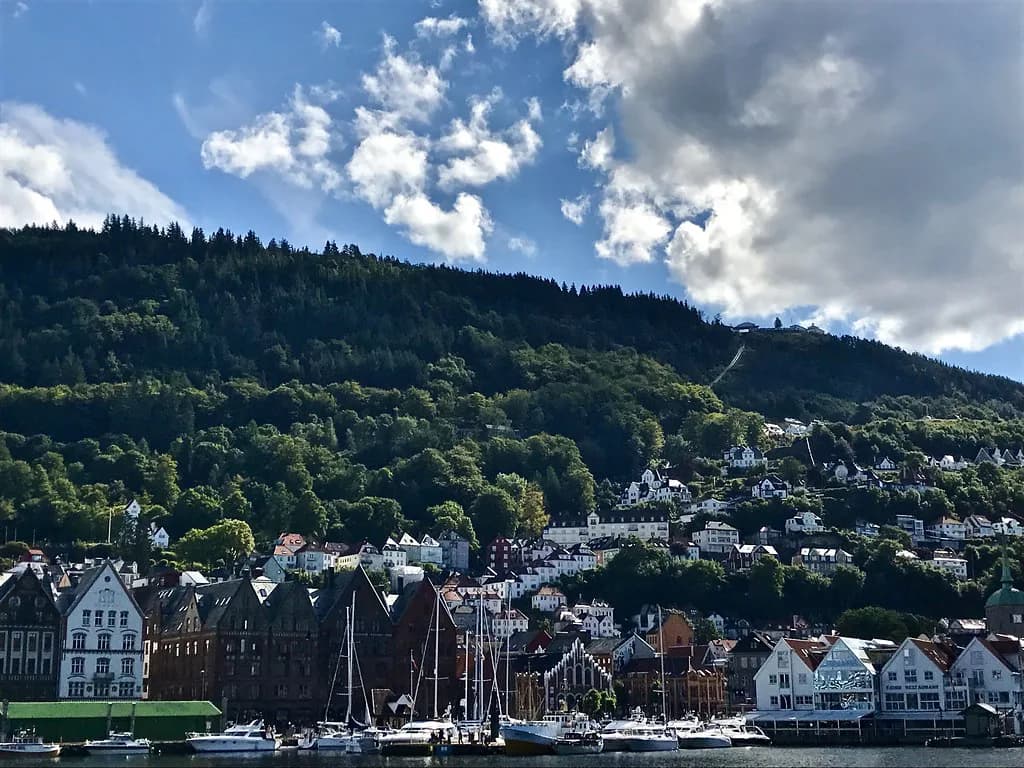
Bergen and the western coast are the other obvious stop, and the fjord setting is what people come for. Several Norwegian saunas sit in genuinely scenic locations by lakes and fjords, so a session doubles as a short outdoor outing rather than an indoor appointment.
Seasonal notes: winter bathing and summer light
Winter is the season the Norwegian ritual is built around: sharp air, a short dash to cold water and the pleasure of warming up again. The trade-off is logistics, with fewer daylight hours and more ice underfoot, so plan a session mid-afternoon and bring a warm hat for the outdoor stretch.
Summer changes the character completely. Long light evenings make late sessions easy, and water temperatures are at their most forgiving, which is when first-timers should try an open-water dip. Holiday periods also bring queues for the most popular floating saunas, so book a slot instead of turning up.
Etiquette in brief: quiet, showers, seat covers
Shower before you enter, sit on a towel, and keep the door closed. Conversation should match the room: quiet in a small neighbourhood sauna, more relaxed at a harbour venue with a bar. Take your belongings out with you and leave the bench dry for the next person.
If you plan to swim in the sea or a lake, know the etiquette of the water as well as the sauna: change at the sauna, keep noise down on shared jetties, and do not leave towels draped over the steps other bathers use.
How Norwegian saunas differ from the Finnish sauna
The two traditions share their basics: the same hot wooden room, the same cool-down, the same quiet. The Norwegian version leans harder on the landscape and the outdoor contrast, and it is often a looser, more social affair with less of the formal programme and ritual that a Finnish sauna evening can carry.
Finnish sauna culture has its own deep vocabulary of Löyly, whisking and lake swimming, and Norwegians borrow freely from it while keeping their own coastal, weather-driven rhythm. Neither is a copy of the other, and travelling between the two makes the difference obvious.
What to bring and one plain safety line
Pack a large towel to sit on, a second to dry with, flip-flops, a water bottle and a warm layer for the walk outside. Leave valuables at your accommodation; changing rooms are small and often shared with swimmers.
Stay hydrated, skip alcohol before bathing, and leave the hot room if you feel unwell. If you are pregnant or have a heart condition, ask a doctor before using a sauna or cold plunge.
Plan Your Visit
Treat a Norwegian sauna as an hour or two in a rhythm rather than a single hot spell: short rounds, a real cool-down, and rest between. In Oslo, pick a floating sauna near the Opera House or a harbour-side room at Aker Brygge, book an evening slot online, and bring your own towel and flip-flops.
Outside the capital, choose a waterside sauna with a fjord or lake on the doorstep and let the weather set the pace. Current opening days, sessions and prices are posted on each venue's own site.
Frequently Asked Questions
Are saunas popular in Norway?
Yes. Sauna bathing is an ordinary, widely shared habit rather than a niche wellness activity, and Norwegian sauna culture is closely tied to everyday life in a cold, nature-shaped country. Many saunas sit by fjords, lakes or the open coast, so a session doubles as a short outdoor outing.
How does a Norwegian sauna session work?
You sit in the hot room until you are comfortably hot, step outside or into cold water to cool, rest until your skin has settled, and then repeat. There is no fixed programme at a plain public sauna, so you set your own pace and take several calm rounds rather than one long stay.
Do you wear swimwear in a Norwegian sauna?
It depends on the venue and the session. Mixed public saunas generally expect swimwear or a wrapped towel, while single-sex sessions in swimming halls often follow the local nude-with-a-towel convention. Each venue states its own rule, so read it before booking.
Can you swim in the water in Norway?
Yes, and sea or fjord swimming is the standard cool-down after a sauna on the coast. In winter the water is very cold, so keep the dip short, go in with others, and have a dry towel and warm layer waiting at the door. Plunge pools and cold showers are the fallback where open water is impractical.
Is a Norwegian sauna different from a Finnish sauna?
They share the same basics: a hot wooden room, a cool-down and a quiet, unhurried rhythm. The Norwegian version leans harder on landscape and outdoor contrast and tends to be a looser, more social affair, while Finnish sauna culture carries more formal ritual. Neither is a copy of the other.
What should I bring to a sauna in Norway?
Bring a large towel to sit on, a second towel to dry with, flip-flops for wet floors, a water bottle and a warm layer for the walk between the hot room and the water. Leave valuables behind, since changing rooms are small and often shared with swimmers.
Sources
Sauna notes for your next trip
Optional updates to our sauna guides.
You might also like
Continue reading
More guides you'll find useful