Scandinavian Sauna: Finnish, Swedish, Norwegian and Danish Traditions
Scandinavian sauna means different things in Finland, Sweden, Norway and Denmark. Compare the Löyly, the bastu and the coastal cold dip, with venues and etiquette.
On this page
Scandinavian sauna is a family of habits rather than a single design, and the Finns set the vocabulary. A Finnish room is defined by Löyly, the steam that rises when water hits hot stones, and by tiered benches where the top rung is hottest. The Finnish sauna is the reference point for nearly everything travellers meet in the Nordic countries, from a harbour-side public room to a rented cabin, so it is worth understanding it first.
What changes as you move west and south is the setting and the tone. Swedes talk about the bastu and often pair it with a lakeside or spa-like afternoon; Norwegians build wood-fired rooms within sight of cold water; Danes treat the sauna as the reward after a sea swim. Those differences matter more than the shape of the building when you are deciding where to bathe and what to expect when you walk in.
What 'Scandinavian sauna' actually covers
The word sauna is Finnish, and the tradition it names is the anchor for the whole region. Where English speakers say 'Scandinavian sauna' they usually mean the hot, dry wooden room with a stone stove and a bucket of water, which is the Finnish model and the one you will find in public halls, harbours and rented cabins across the Nordic countries. Our guide to sauna culture in Europe covers the wider map if you want to place the Nordic rooms alongside the banya, the pirts and the Aufguss halls further east and south.
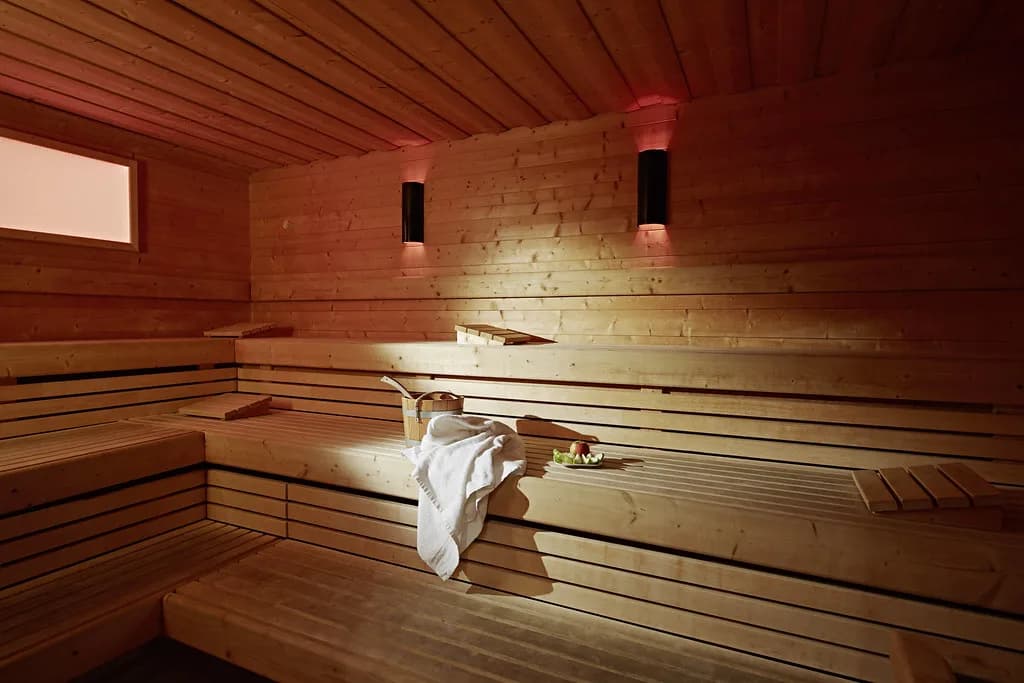
What is a Scandinavian style sauna? It usually means the Finnish-style hot wooden room: a stove covered in stones, a bucket and ladle for water, and tiered benches so you can choose your heat. A towel or seat cover goes underneath you, and a round runs roughly five to fifteen minutes before you step out to cool and sit down, then go back in.
What is Löyly? Löyly is the steam that rises when water is poured onto the hot stones, and in Finland it names the whole moment of heat and humidity that rolls over the benches. Sittings usually last a few minutes at a time, and moving to a lower bench or stepping outside is normal.
Do you wear clothes in a Swedish sauna? It depends on the room. Private bastus and family sessions are usually nude, with a towel to sit on, while public spas and mixed sessions generally expect a swimming costume or a wrap.
Practically, the label covers four distinct bathing habits. Finland has the public sauna and the lakeside cottage room; Sweden has the bastu, often in a spa or cabin setting; Norway has wood-fired rooms close to fjord, forest or sea; Denmark has coastal bathing lodges where the swim comes first. None of them is more authentic than the others, but they feel different on the day, and knowing which one you are walking into stops most of the awkwardness.
It also helps not to treat the region as one place. A public swimming hall in Helsinki, a cabin on a Swedish lake and a Danish harbour bath are separate institutions with their own rules on swimwear, towels and mixed sessions. The broad strokes travel well; the fine print does not. Expect to learn the local version on arrival and to follow what the room is doing rather than what a general guide told you.
Löyly and the Finnish room
Löyly is the moment water lands on the stones and a wall of steam rolls over the benches. Finns usually stay somewhere between five and fifteen minutes per round, then step out to cool, drink water and sit down before going back in. The tiered benches give you control: the top rung is the hottest and the driest, the lower rungs cooler, and moving down mid-round is entirely normal rather than a sign you have failed.
A birch whisk, called vihta or vasta, is part of the Finnish tradition. The Nordic bathing pattern of repeated rounds of heat, birch whisking and rapid cooling in cold water or snow is described in this overview of Scandinavian sauna culture, which also notes how differently Sweden, Norway and Denmark have shaped the same basic room. Nobody expects a first-timer to use a whisk, and plenty of Finns bathe without one.
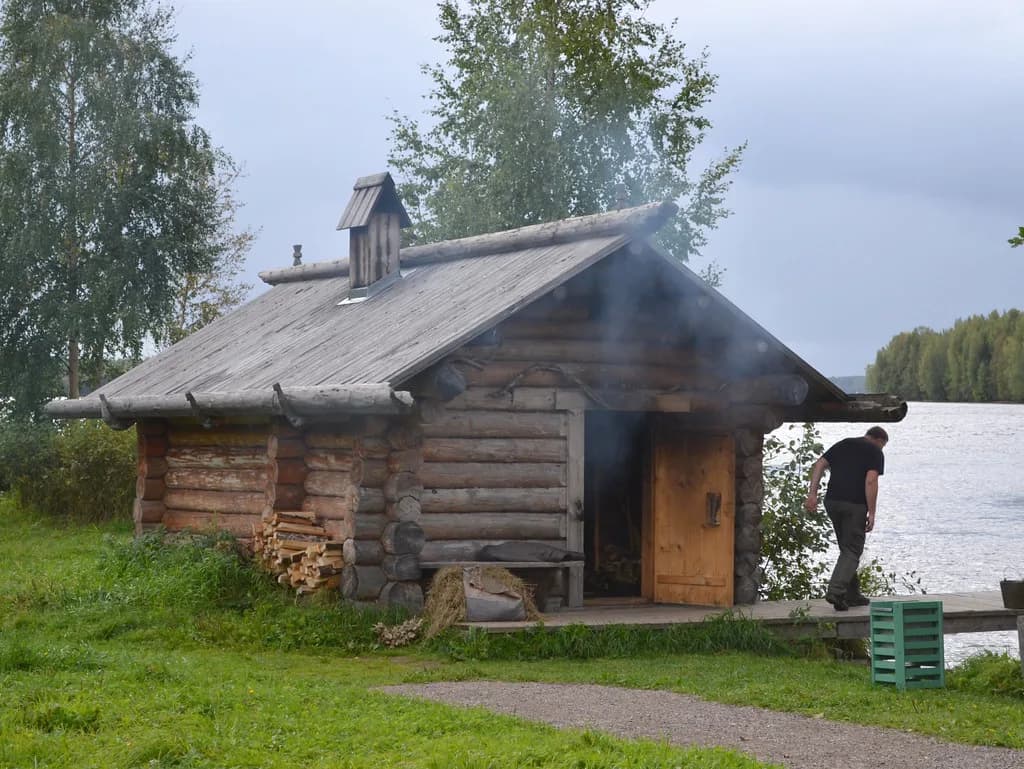
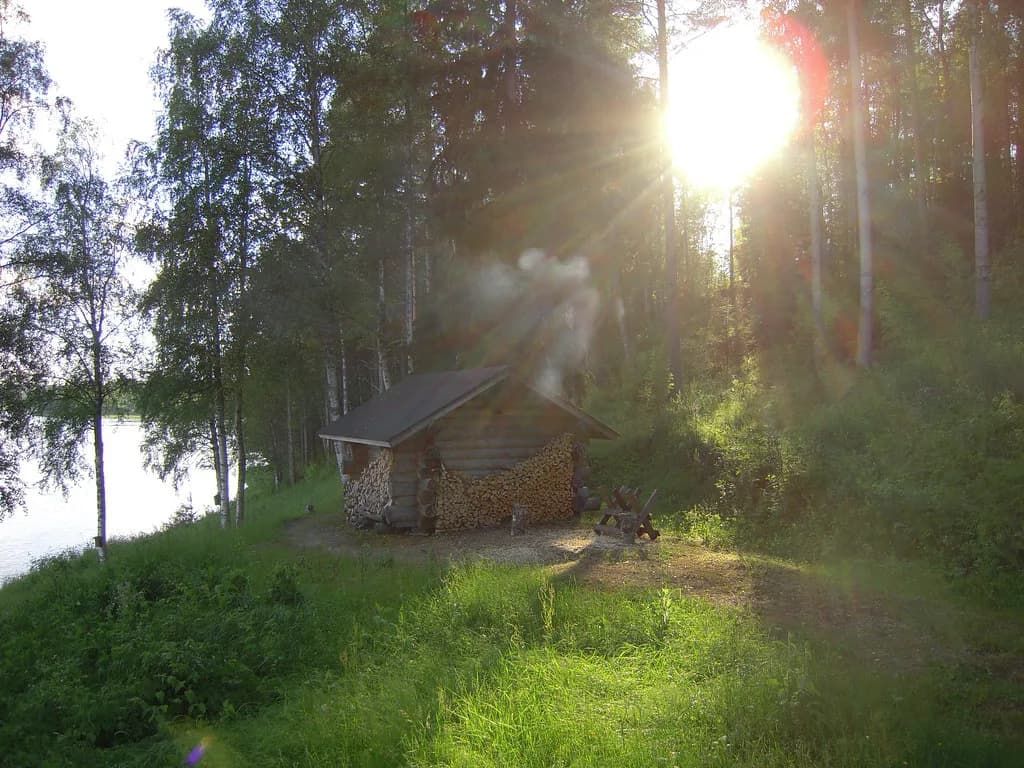
The stove itself can be electric or wood-fired, and smoke saunas, savusauna, are a slower, smokier variant for special occasions. Where the culture is referenced, the Finnish sauna is not a wellness add-on but an ordinary weekly habit, and the public halls are social rooms rather than silent spas. That is the biggest adjustment for visitors: this is a place to sit with other people, not to whisper through a treatment.
The Swedish bastu
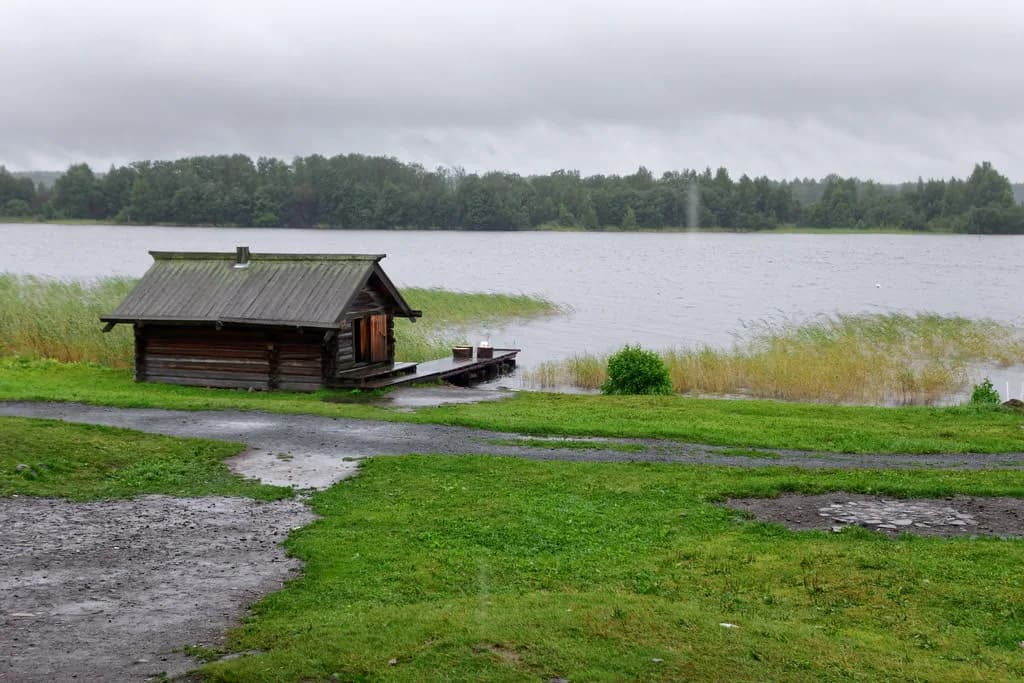
Swedes call the room a bastu, and the tone is often softer and more domestic than the Finnish public hall. Many bastus sit at the end of a garden, on a jetty or inside a spa building, and a session is usually wrapped into an afternoon of swimming, eating and sitting around rather than run as a strict sequence. Lakeside cabins and rented summer houses traditionally come with one, which is why so many Swedes treat the bastu as part of ordinary summer life.
The etiquette is close to the Finnish version but tends to lean towards quiet conversation rather than total silence. Swimwear rules vary by venue: private bastus and family sessions are usually nude with a towel to sit on, while public spas commonly expect a swimming costume or a wrap. A useful default is to look at what other people in the changing room are doing, and at any signs on the door, before deciding.
Cooling is often the point. Swedish bastus are rarely far from a lake, the sea or a plunge pool, and the rhythm of hot room, cold water, sit down, go back in is the standard pattern. If you are choosing between a city spa and a lakeside bastu, the water matters more than the stove: a room with a jetty outside gives you the cooling half of the session, which is where much of the pleasure lies.
Wood-fired rooms in Norway
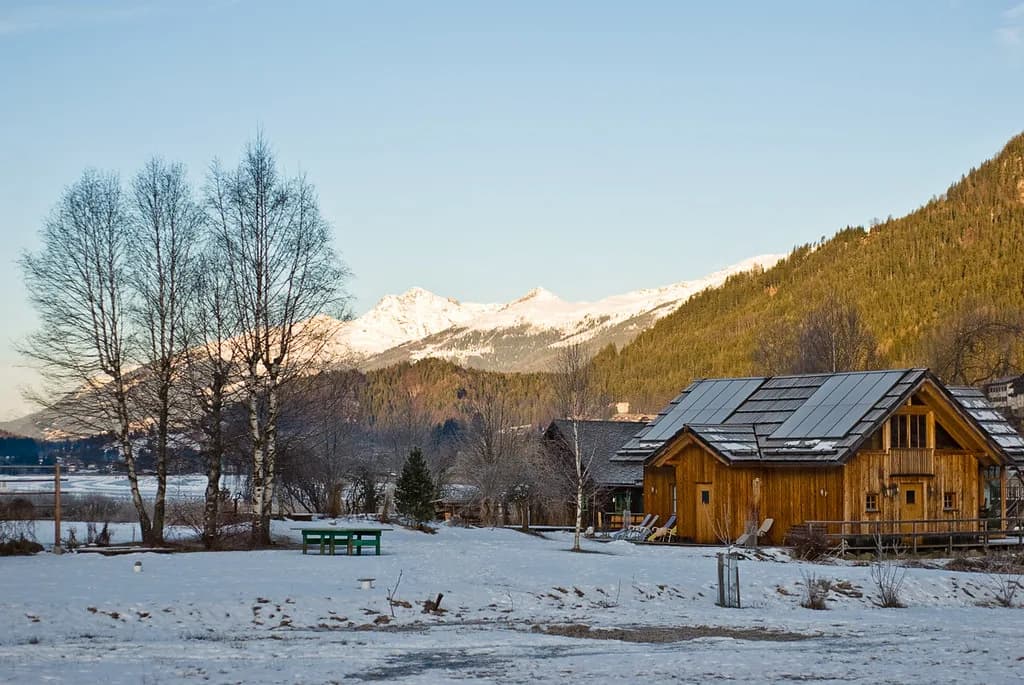
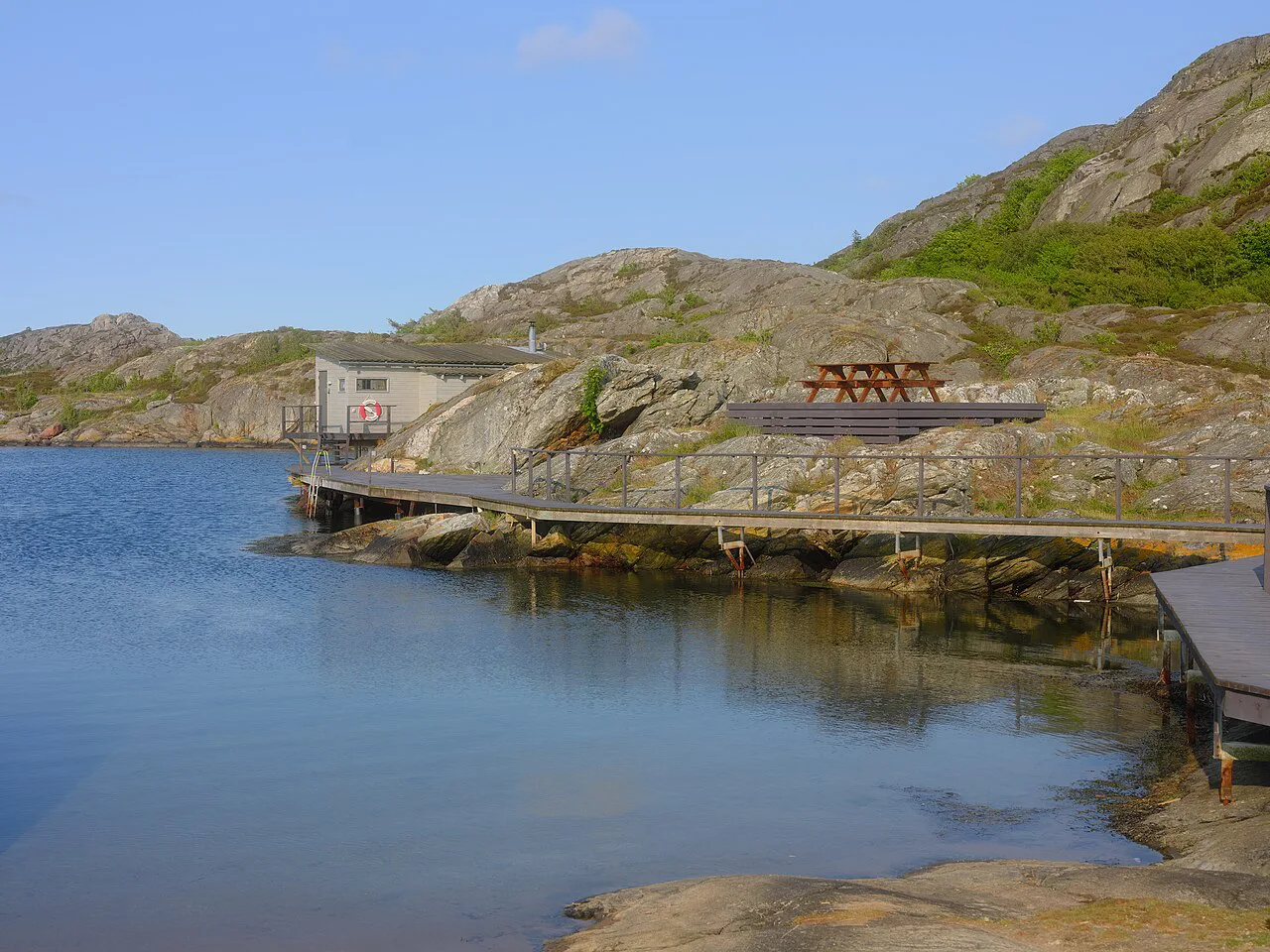
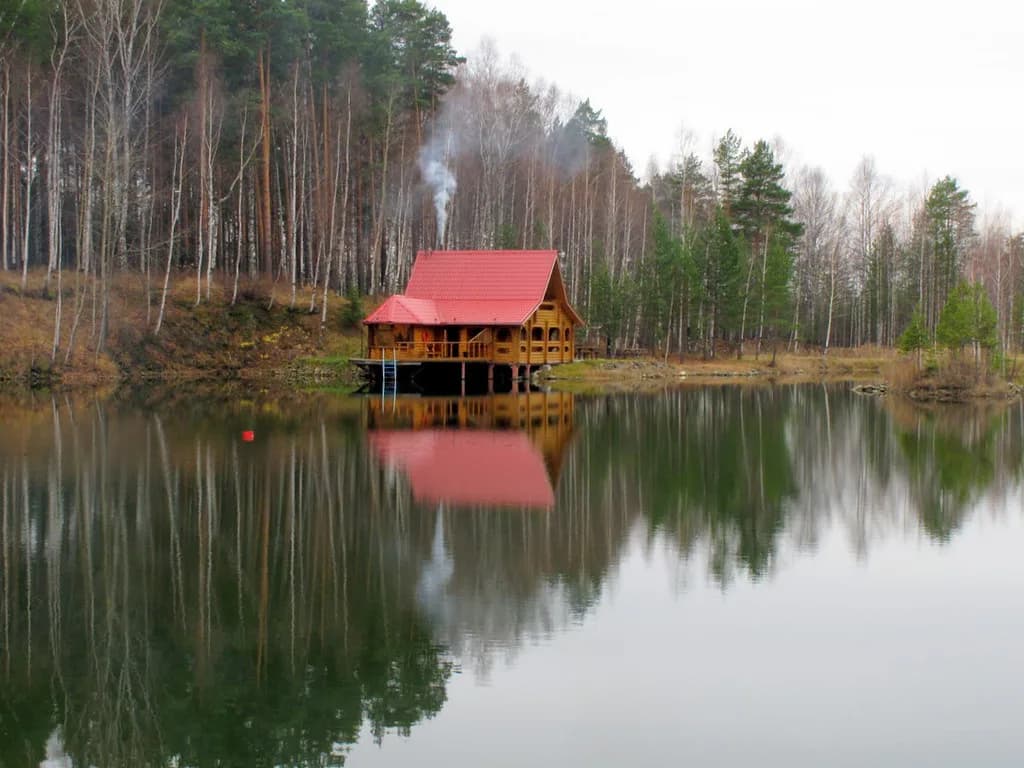
Norwegian saunas are frequently wood-fired and placed where the view does the work: harbour edges, fjord-side decks, forest clearings and ski-country cabins. The heat from a wood stove is softer and more humid-feeling than a hot electric room, and the smell of birch or pine smoke stays with you afterwards. In cities, the harbour-side floating saunas double as social rooms and are booked by the hour rather than entered casually.
Sørenga Badstuflåte in Oslo is the best-known of the harbour raft saunas and the one to look for if you want the full Norwegian pattern: heat, then a step straight into cold seawater. Because these rafts are hired in blocks of time, the practical questions are how long the slot runs and how many people it takes, and the Sørenga Badstuflåte booking page sets both.
Elsewhere in Norway the session follows the weather. The cold walk between a wood-fired room and open water is part of the experience rather than a design flaw, and a towel, a hat and shoes you can pull on quickly make the difference between a relaxed round and a rushed one. Some rooms are seasonal and tied to winter swimming groups, so the pattern of a visit can change between summer and the cold months.
Denmark: sea swimming first, sauna after
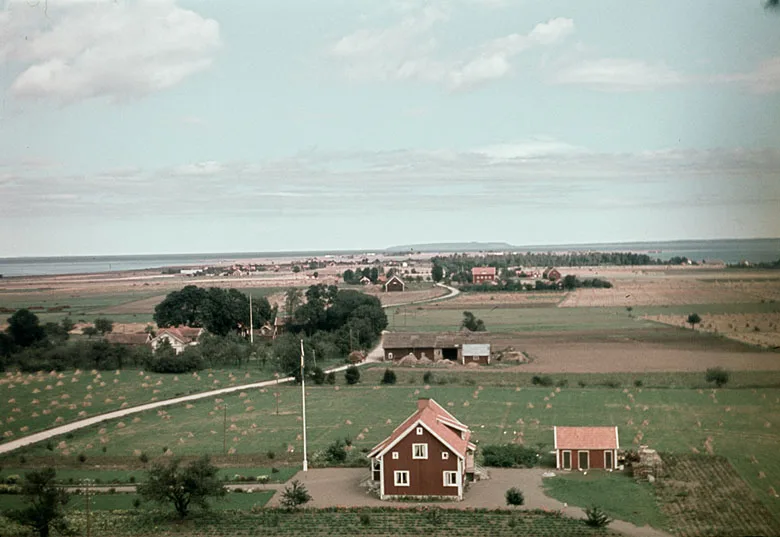
In Denmark the sauna often comes second. Coastal bathing culture puts the sea first, and the warm room is where you thaw out afterwards, wrapped in the hygge idea of a slow, sociable afternoon. Harbour baths and bathing lodges around Copenhagen and the larger coastal towns follow this order, with ladders into open water and a heated room a few steps away; the walk between them is short but cold in winter.
This order changes how you should plan. Arrive ready to swim, not just to sit in the heat, and treat the sauna as the warm half of the loop rather than the whole event. Many Danish venues are mixed and expect swimwear, which makes them easier for a first-timer than a nude single-sex room, and the atmosphere is usually chatty rather than silent.
The other Danish difference is the social frame. Sessions often run alongside cold-water swimming clubs and informal groups who swim at fixed times all year, and the sauna becomes the place where people talk and dry off. If you only have time for one, choose the venue with the most direct water access, because the sea is what makes the Danish version distinctive, and winter swimming and the sauna covers the wider northern European version of the loop.
Shared etiquette: silence, seat covers and swimwear
A towel or seat cover goes underneath you in every Nordic sauna, and it is the one rule nobody will explain because everyone assumes it. Take two: one to sit on, one to dry with afterwards. Showers before entering are standard, as is leaving shoes outside the washing and changing area and keeping voices low in the hot room.
Swimwear is the question travellers worry about most, and the answer depends on the room rather than the country. Public swimming halls and single-sex municipal saunas are usually nude with a towel to sit on; mixed spa and harbour saunas generally require a swimming costume; private rented rooms leave it to the group. Signs at the changing-room door settle it, and following the lead of the people already inside is never wrong.
Mixed sessions are normal in spa, harbour and floating saunas and are usually booked as private slots for a group of friends or a family. Single-sex sessions still exist in municipal halls, often on set days or hours, so a group that wants to bathe together should read the schedule before turning up. The most common quiet mistake is talking at full volume in a silent room, followed by walking into the hot room in wet swimwear from the pool.
A few other conventions travel well. Do not pour water on the stones without checking whether the room expects it, since some venues run the Löyly themselves; do not bring glass into the hot room; and leave the door closed behind you. If you are offered a felt banya hat in a Russian-style room, it is there to keep the heat off your ears, not to mark you out as a beginner, and it is a useful thing to know if you plan a round in a Russian banya later in the trip.
How a session runs, round by round
A typical session is two to four rounds, and the shape is the same across the region. Shower, dry off, take a seat cover, and start on a lower bench for the first five to ten minutes while you judge the heat. Then move up if you want more, add or accept Löyly, and leave before you feel unwell rather than after. The rest of the round is cooling, sitting, water and a snack before going back in.
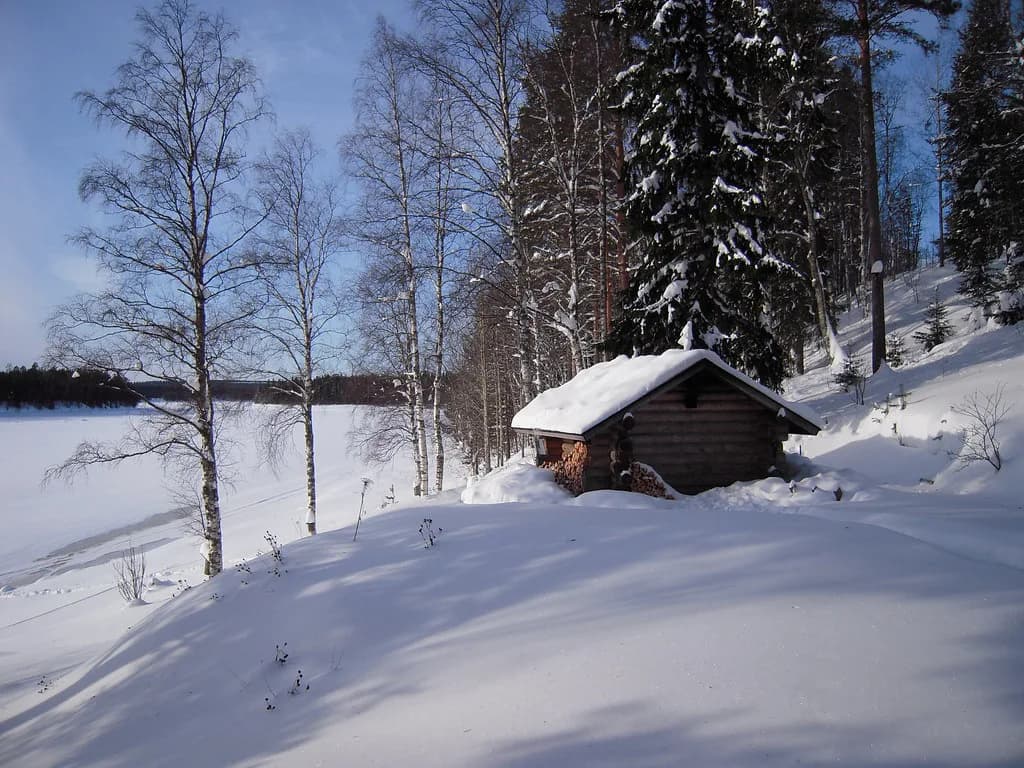
Cooling is a decision, not a step. A cold shower, a plunge pool, a lake, the sea or simply standing outside will all do, and the choice sets the tone of the day: a sea or lake dip makes the sauna part of a loop, while a shower keeps it indoors and shorter. In Finland the standard cold option is the Finland ice hole cut through a lake in winter, and it is worth trying once if you are there in the cold months.
Useful vocabulary before you go: Löyly is the steam, vihta or vasta the birch whisk, and bastu is the Swedish room. In Finland you may see savusauna for a smoke sauna and avanto for an ice hole. Knowing what the sign on the door means is most of the battle; the rest is simply sitting still and letting the heat do its work.
What to bring and what to leave behind
Bring a large towel, a smaller one to sit on, flip-flops for the wet floor and a water bottle. A swimming costume is a sensible default in mixed and harbour saunas, and a light robe or wrap makes the walk between a hot room and cold water far more comfortable in winter. Leave valuables at home or use the lockers that most public halls provide.
What you leave behind matters as much as what you carry. Alcohol before bathing is a bad idea, and a heavy meal immediately before a session is a poor trade. A small snack and plenty of water after the last round are enough, and the changing room is not the place for a full picnic if others are waiting for a bench.
Expect to pay more at harbour and floating saunas than at a municipal swimming hall, where the entry is usually modest and the sauna comes with the swim. Where a venue publishes a fee, the currency is local and the rate may be higher for weekend or evening slots, so compare a weekday daytime visit against a peak one before committing.
Common mistakes visitors make
The first is treating the hottest bench as the goal. The top rung is the hottest and the driest, but a first round on the bottom bench is normal, and dropping down mid-round is what regulars do. The second is staying too long because leaving feels rude; it is not, and stepping out early is the polite choice if you are struggling.
The third is wearing wet swimwear from the pool into the hot room, which makes the benches unpleasant for everyone after you. The fourth is assuming every country does it the same way, so that a swimsuit in a nude municipal hall or bare skin in a mixed spa room feels like a mistake. The fifth is skipping the cooling round entirely, which turns the session into a single uncomfortable sitting rather than a rhythm.
One plain safety line covers the rest: drink water, skip alcohol before bathing, leave the room if you feel unwell, and ask a doctor first if you have a heart condition or are pregnant. Beyond that, the advice is to watch, follow the room and keep your first session short.
Where to start in Finland
If you want the anchor experience rather than a sampler, start in Finland, where public swimming halls and harbour saunas are part of ordinary city life. Kotiharjun sauna in Helsinki is the last traditional wood-fired public sauna in the city, a single-sex, nude, neighbourhood institution rather than a spa, and it is the sort of place that makes the culture legible in an afternoon.
Helsinki also makes the practical side easy: public transport reaches Allas Sea Pool and the swimming halls, towels and seat covers can be bought on site in many places, and you can combine a sauna with a sea swim in the same visit. Those floating rooms sit alongside the wider choice covered in our guide to floating saunas, which is worth reading if your trip runs through several Nordic cities.
Away from the capital, the pattern is quieter and more local. Municipal halls keep set hours for men and women, and lakeside and smoke saunas are often rented by the hour for a group. If your route passes a Russian-style room, the Private Banya Taiga model of a rented room for a group is a useful comparison for understanding how a private booking works in this part of Europe.
Lane limits and the wider map
The regional comparison stops at the bathing traditions. This guide is about public saunas, swimming halls and rented rooms where the heat and the water are the point, and about the customs that make each one work. It is not a hotel guide, and the thermal spas of central Europe and the Arctic north are mentioned only to say they are a different kind of visit.
If you want to go deeper into the anchor tradition, the Finnish sauna guide is the place to start, since almost everything else in the region borrows from it. From there, the city guides take over: they list the named rooms, the booking patterns and the water options, which is what you actually need on the day.
Plan Your Visit
Decide what kind of session you want before you book: a municipal hall for the plain, social version, a harbour or floating sauna for heat followed by cold water, or a rented room where the group sets its own pace. Read the open hours, swimwear rule and any single-sex scheduling on the venue's own site once, then turn up with two towels, water and shoes you can slip on.
Place the trip in the Swedish, Norwegian or Danish pattern if you can, because the setting is the difference. A lakeside bastu, a wood-fired room on a fjord and a Danish harbour bath all use the same basic heat, and each gives you a different way to spend the cold half of the round.
Explore more Europe sauna guides
Frequently Asked Questions
What is a Scandinavian style sauna?
It usually means the Finnish-style hot wooden room: a stove covered in stones, a bucket and ladle for water, and tiered benches so you can choose your heat. A towel or seat cover goes underneath you, and a round runs roughly five to fifteen minutes before you step out to cool and sit down, then go back in.
What is Löyly?
Löyly is the steam that rises when water is poured onto the hot stones, and in Finland it names the whole moment of heat and humidity that rolls over the benches. Sittings usually last a few minutes at a time, and moving to a lower bench or stepping outside is normal. At some venues the staff throw the water rather than leaving it to bathers.
Do you wear clothes in a Swedish sauna?
It depends on the room. Private bastus and family sessions are usually nude, with a towel to sit on, while public spas and mixed sessions generally expect a swimming costume or a wrap. The sign at the changing-room door and the people already inside settle the question.
What's the difference between a Finnish and Swedish sauna?
They share the stove, the stones and the tiered benches, but the Swedish bastu more often sits in a spa or lakeside setting and is wrapped into a longer social afternoon, while the Finnish public hall is a plainer, quieter neighbourhood institution. Both revolve around rounds of heat followed by cooling in cold water, a shower or open air.
Do you wear clothes in a sauna in Norway?
Public harbour and floating saunas generally expect swimwear because the session is mixed, while private rooms rented by a group leave the choice to the group. The one constant is that you sit on a towel or seat cover rather than bare boards, and you shower before entering.
How many rounds should a first session be?
Two or three rounds is plenty for a first visit. Keep the opening round short on a lower bench, cool down fully between rounds, drink water and take your time; leaving early is not rude, and it is the better choice if the heat feels like too much.
Why is the word sauna Finnish if the tradition is Scandinavian?
Sauna is a Finnish word for a Finnish room, which is why the vocabulary of Löyly and vihta travels with it. Sweden, Norway and Denmark have their own bathing habits, but the hot wooden room itself is understood as Finnish in origin and design.
What should I bring to a Nordic public sauna?
Two towels, one to dry with and one to sit on, plus flip-flops, a water bottle and a swimming costume if you are heading to a mixed venue. A light robe helps on the walk between a hot room and cold water in winter, and shoes you can pull on quickly make the cold half of the round easier.
Sources
Sauna notes for your next trip
Optional updates to our sauna guides.
You might also like
Continue reading
More guides you'll find useful