Floating Saunas in Europe: Where to Go and How They Work
Floating saunas in Europe, from Oslo's fjord rafts to harbour cabins you book by the hour. How a session works, what it costs and what to expect.
On this page
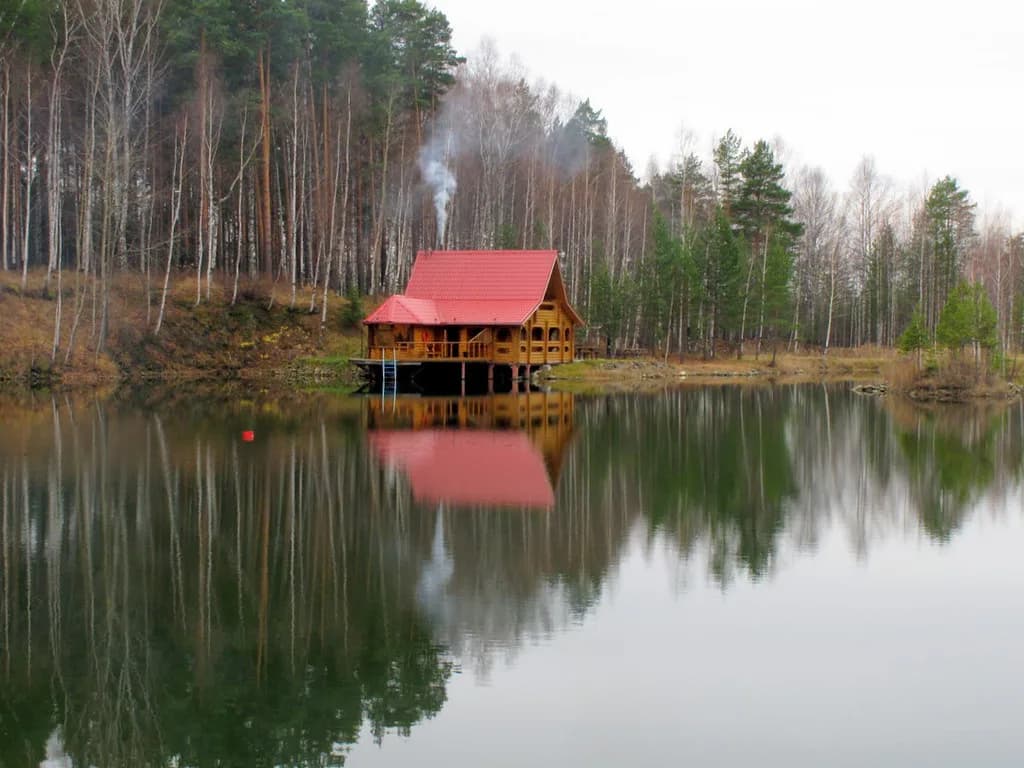
A floating sauna is a heated wooden or electric cabin built on a pontoon, raft or boat and moored in open water, so the cool-down is a step off the deck rather than a walk down a corridor. The format has spread through Nordic harbour cities, and Oslo now has a cluster of them along the Oslofjord, from Sørenga to Aker Brygge. Sessions are usually sold in blocks of two to three hours, shared with strangers unless you book privately, and the whole point is the short loop between heat and water.
What a floating sauna actually is
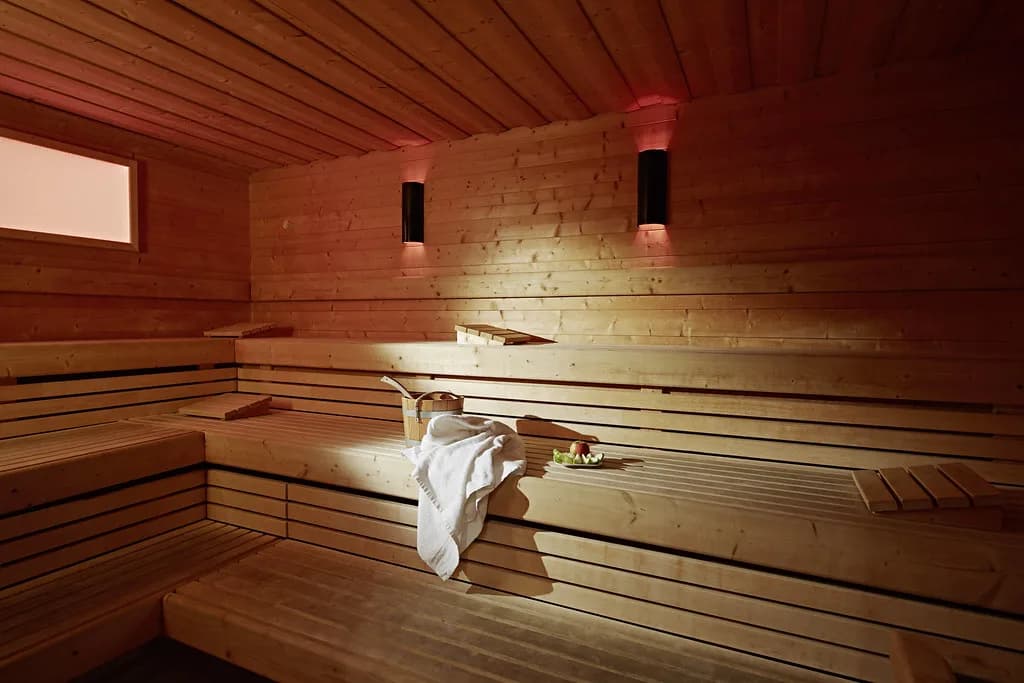
The cabin is the same idea as a land sauna: a bench-lined room, a stove, a bucket and a ladle for water on the stones. What changes is the platform. A pontoon or a converted boat carries the hot room out onto the water, often with a small deck for cooling off and a ladder into the fjord, harbour or lake. Some rafts are wood-fired, others electric, and a few are boats that cruise while you sit inside.
What is a floating sauna? A heated cabin built on a pontoon, raft or boat and moored in open water, usually a harbour, fjord or lake. You sit in the hot room, cool down on the deck, and descend a ladder into the water beside you.
Is there a floating sauna in Norway? Yes. Oslo has several, including Sørenga Badstuflåte next to the Opera House, Green Boats Sauna at Aker Brygge, KOK's two harbour rafts and the saunas at Salt.
Do you need to book a floating sauna in Oslo? It depends on the raft. Some sell drop-in slots at set morning and afternoon times, while others expect a reservation in advance, particularly for cruise sessions and private bookings.
Because everything sits on a few square metres of deck, the layout is compact: a changing area, a hot room, and the water. Guests often describe these as the coziest saunas in town, precisely because there is no lobby, café or pool to retreat to. If you want a full spa with plunge pools, showers and a restaurant, a floating raft will feel thin by comparison.
Why the Nordic coast leads
The floating sauna is borrowed scenery rather than a new invention. The Finnish sauna is the reference point: a hot room, a cool-down, repeated a few times, with little ceremony and no dress code beyond what the venue allows. Harbour cities took that habit and moved the cabin onto the water, where the cool-down needs no plumbing and no walk.
Norway picked it up quickly. Oslo's four floating saunas opened within a short stretch of the centre, and the city went from having no harbour rafts to being described as a sauna hub in a couple of seasons. That pattern repeats across Scandinavia: the coast supplies the water, the sauna supplies the reason to be there.
How a session works
There are two booking models, and they change the mood of the visit. Drop-in rafts sell you a slot on arrival and you share the room with whoever turns up, which keeps things cheap and social; private or cruise-style bookings cost more and give you the cabin and the skipper for a set block. In Oslo, several rafts run public sessions with drop-in times and others expect you to reserve, in at least one case well before the day.
Expect two- to three-hour blocks rather than a quick half hour. That is long enough for several rounds, a proper cool-down between each, and a sit on the deck. Sessions are normally mixed, so you share with couples, groups of friends and solo bathers; swimwear is the practical default for shared harbour rafts, and a towel or paper seat cover goes under you on the bench.
Changing space is tight. Some rafts have a small indoor area, others leave you changing on the deck under a towel, so pack light and leave the big bag at home. Showers usually come before the sauna rather than after, and there is rarely a locker system to speak of.
The cold-water part
The jump is the reason these saunas exist. Instead of the long corridor-and-tap routine of a city pool, you step out of the hot room, cross a few metres of deck and descend a ladder into the Oslofjord or harbour water. The ladder is often the only access, so check it before you go in and keep the deck clear for the next person. For more on the wider habit, see our guide to winter swimming and the sauna.
Showering first is the rule everywhere, a towel or paper cover goes between you and the bench, and a quick question before you add water to the stones keeps the room civil. On a shared raft with six or eight people, nobody wants a steam cloud they did not agree to, and doors are kept shut to hold the heat.
Oslo: the fjord rafts and harbour saunas
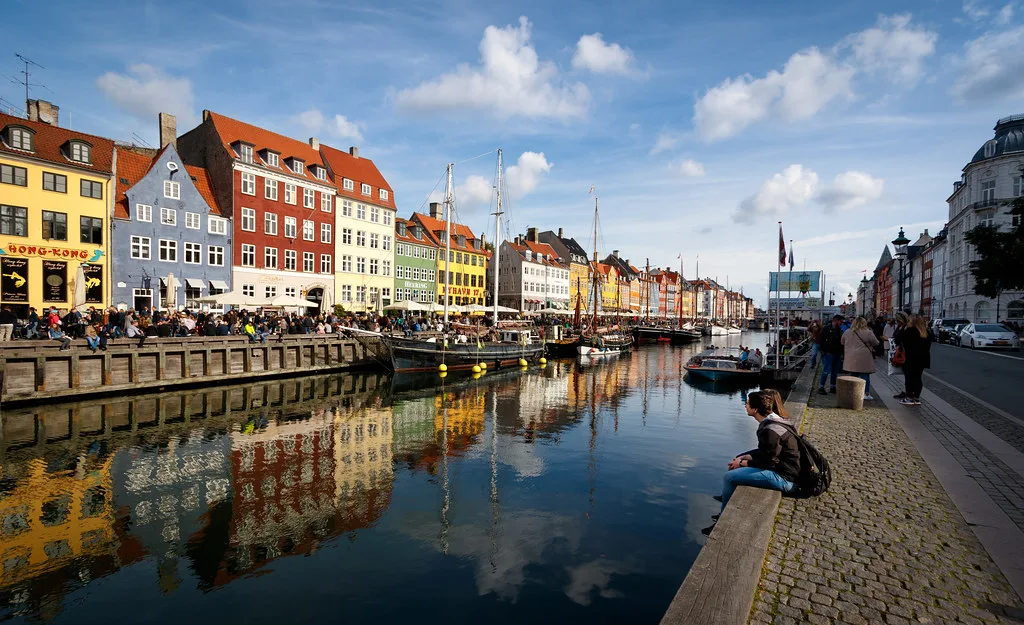
Sørenga Badstuflåte sits right next to the Opera House and is the most central of the floating saunas. The raft carries three cabins, one built by hand and noticeably hotter than the two modern cabins, and sells drop-in sessions in two-hour blocks. Its position makes it the obvious first stop for anyone arriving by train at Oslo Central and walking to the waterfront.
Green Boats Sauna is moored at Aker Brygge, with views across the water to City Hall, Akershus Fortress and the islands of the Oslofjord. Two electric saunas, morning and afternoon drop-in slots, and a short walk from the tram and bus stops around Aker Brygge and the National Theatre. This is the raft to pick if you want the skyline rather than the Opera House.
KOK runs two floating saunas in the harbour and sells both ordinary sessions and two-hour fjord cruises that stop for a dip along the way. The cruise format is the pricier option, but it is the only way to sauna while the city slides past; ordinary harbour sessions are cheaper and still social. Book ahead for either, since the cabins are small and cruises fill.
Salt is the outlier: a harbour site near the Opera House that started as a nomadic art project and now holds concerts, film screenings, a café, food trucks, bathing tubs and several saunas. The biggest cabin hosts events such as poetry readings and yoga, and a ticket buys a three-hour block for 195 kroner. If you want a sauna with music and food attached, this is the one.
What Oslo sessions cost and how to book
Oslo's floating saunas sit in the middle of the city's leisure spending: cheaper than a spa day, more than a public swimming hall. Drop-in sessions at the harbour rafts run to roughly two hundred kroner for a block of a couple of hours, with the Sørenga raft offering two-hour slots at 100–150 kroner and Salt charging 195 kroner for three hours. The KOK cruise costs more than a standard harbour session, at 490 kroner, and a normal KOK session 200 kroner.
Booking models differ. Salt and KOK are best reserved in advance, and the cruise especially needs a reservation because it leaves on a schedule with limited seats. Drop-in rafts such as Sørenga and Green Boats work on a turn-up basis at set times, which is fine midweek but risky on a sunny Saturday. A wider directory of public saunas with listed prices and hours can help you compare before you commit.
For the Finnish model of public sauna — city-run halls, harbour pools and wood-fired cabins — our Finnish sauna guide covers the vocabulary and the routines, including Löyly, the water thrown on the stones. It is the best primer before your first shared raft.
Floating versus shore-side
Choose a floating raft when the jump into open water is the point, when you want the skyline from the deck, and when a two- or three-hour block suits your day. Choose a land sauna when you want proper changing rooms, a shower with pressure, food on site, or a session in weather that makes a wet deck unpleasant. Harbour rafts are exposed: wind, rain and cold boards are part of the deal.
Group size matters too. A raft of six to eight people is social and easy to fill with your own party; a shore-side public sauna absorbs a bigger group without anyone feeling cramped. If you are travelling solo, the drop-in rafts are the friendlier option, since shared sessions put you next to locals rather than alone in a private cabin.
Etiquette on a shared raft
The routines are simple and consistent. Shower before you enter, sit on a towel or the paper cover provided, and ask before you throw water on the stones. Two to four rounds is the normal rhythm, with a cool-down and a glass of water between each, and the door stays shut while people are inside.
Swimwear rules vary by venue and session. Shared harbour rafts generally expect swimwear; private bookings and some traditional cabins allow towels only. If you are unsure, take a towel and ask on arrival rather than guessing, and keep a dry layer for the walk back.
What to bring and what to leave behind
Bring a towel (two is better than one on a wet deck), swimwear, flip-flops for the ladder and a dry bag for your phone. Leave the large backpack, the glass bottle and anything you would mind getting soaked; decks are slippery and there is nowhere dry to put things. A refillable water bottle matters more than you think between rounds.
Bathers heading for a Russian-style session elsewhere in Europe often pack a felt banya hat for the hotter rooms; on a Norwegian harbour raft it is unnecessary but not out of place. For the banya format itself, our Russian banya guide explains the venik and the pouring rituals.
Weather, seasons and honest trade-offs
Floating saunas run year-round in Oslo, and winter is arguably the best season: cold air on the deck, steam off the water, and a fjord that makes the cool-down memorable. The trade-offs are real. Decks get icy, wind cuts through a wet swimsuit, and the walk from the cabin to the ladder is longer than it looks when the boards are slick.
Peak times are the other issue. Sunny weekends and Friday evenings sell out first, especially at the central rafts, and drop-in slots fill with groups. Changing rooms are small enough that a queue forms, and noise carries in a wooden cabin. If quiet is what you want, book a private slot or go early.
Beyond Oslo: other floating and harbour saunas
Oslo is the most concentrated example, but the format travels. Helsinki's harbour saunas and Tampere's lakeside and river rafts apply the same logic with a different shoreline, and the Finnish sauna tradition supplies the etiquette wherever you go. For city-by-city listings, a public sauna directory with filterable categories such as floating and seaside saunas is a practical starting point.
Plan Your Floating Sauna
Decide first what you want from the session: a social drop-in with strangers, a private cabin with your own group, or a cruise with the city as a backdrop. In Oslo, Sørenga suits a central first sauna, Aker Brygge gives you the skyline, KOK adds the fjord cruise, and Salt brings music and food. Then match the raft to the weather and book the slot before you travel.
Whichever you pick, treat the deck with respect: shower first, sit on a towel, ask before adding steam, keep the door shut and leave the water clean. Stay hydrated, skip alcohol before bathing, come out if you feel unwell, and speak to a doctor first if you have a heart condition or are pregnant. For the practical details, see the sauna culture.
Explore more Europe sauna guides
Frequently Asked Questions
What is a floating sauna?
A heated cabin built on a pontoon, raft or boat and moored in open water, usually a harbour, fjord or lake. You sit in the hot room, cool down on the deck, and descend a ladder into the water beside you. In Oslo the rafts are moored along the Oslofjord, close to the Opera House and Aker Brygge.
Is there a floating sauna in Norway?
Yes. Oslo has several, including Sørenga Badstuflåte next to the Opera House, Green Boats Sauna at Aker Brygge, KOK's two harbour rafts and the saunas at Salt. Most sell sessions in two- or three-hour blocks, and some run cruises that leave the harbour.
Do you need to book a floating sauna in Oslo?
It depends on the raft. Some sell drop-in slots at set morning and afternoon times, while others expect a reservation in advance, particularly for cruise sessions and private bookings. On sunny weekends and Friday evenings, reserving is the safer choice.
How long is a floating sauna session?
Most Oslo rafts work in blocks of roughly two to three hours, which allows several rounds of heat and cool-down with a rest on the deck in between. A quick half-hour visit is not the usual format.
Do you wear swimwear in a floating sauna?
Shared harbour rafts generally expect swimwear, while private bookings and some traditional cabins allow towels only. Rules vary by venue and session, so take a towel and ask on arrival instead of guessing.
Can you swim from a floating sauna?
Yes, and that is the point of the format. Access is usually a ladder from the deck straight into the fjord or harbour water, so check the ladder before you climb down and keep the deck clear for others.
Are floating saunas open in winter?
Oslo's floating saunas run through the year, and winter is a favourite season for the contrast between hot cabin and cold fjord. Expect icy boards, wind on the deck and a brisker walk to the ladder.
Sources
Sauna notes for your next trip
Optional updates to our sauna guides.
You might also like
Continue reading
More guides you'll find useful