Winter Swimming and the Sauna: Europe's Hot-Cold Guide
How winter swimming and the sauna pair up in Europe: Löyly and the avanto ice hole, how a hot-cold round works, what to bring and the mistakes to avoid.
On this page
Winter swimming and the sauna belong together because the plunge is the punctuation, not the main event: you sit in the heat, pour water on the stones, and when the heat is enough you step into cold water and come back. Across Scandinavia this pairing is ordinary winter behaviour rather than an extreme sport, and it is the fastest way for a traveller to understand how northern Europeans use cold water.
The version you meet depends on the water on the doorstep: a ladder into a harbour in Oslo or Copenhagen, a hole cut in the ice in Finland, a lake jetty at a Surrey bathing lake, or a barrel of chilled water beside a sauna. What stays constant is the rhythm of a short hot round, a short cold one, and a pause in between.
What winter swimming and the sauna mean together
The practice is simple to describe: heat your body in a sauna, cool it sharply in open water or a plunge, then repeat as often as feels comfortable. In Finland the cold step has its own word, avanto, the hole cut through lake or sea ice, and the sauna sits a few steps from it. In Denmark, Norway and Sweden the same habit runs through harbour bathing, where winter bathers strip to a swimsuit, slip down a ladder and warm up afterwards.
Should you jump in cold water after a sauna? You can plunge straight after a hot round if you feel steady, but enter slowly enough to control your breathing rather than jumping blind. Many bathers cool off with a short dip and then return to the sauna for another round; others prefer the cold first.
Is it better to go in a sauna before or after swimming? The Finnish pattern is sauna first, then cold water, then back into the heat, and that is the most common order in a public sauna with an ice hole or sea ladder. A lake-swimming venue such as Divers Cove presents the cold first as equally valid, so decide based on how you feel and on what is closest to the changing room.
How long should a winter swimming session last? Plan two or three short rounds rather than one long stint: a hot stretch of roughly five to fifteen minutes followed by a brief dip, with a pause in between. Stop the cold stint before you start shivering hard, and get out of the sauna if you feel light-headed.
The pairing is a bathing custom with a social shape, not a wellness programme. People go in groups, talk on the jetty, count rounds loosely and stop when they have had enough. Skandinavisk describes its own staff club dipping off a quayside before work on Thursdays, which is a fair picture of how unceremonious the Scandinavian version is: swimsuit, towel, cold water, warm up, carry on with the day.
The Finnish reference point: sauna, Löyly and the ice hole
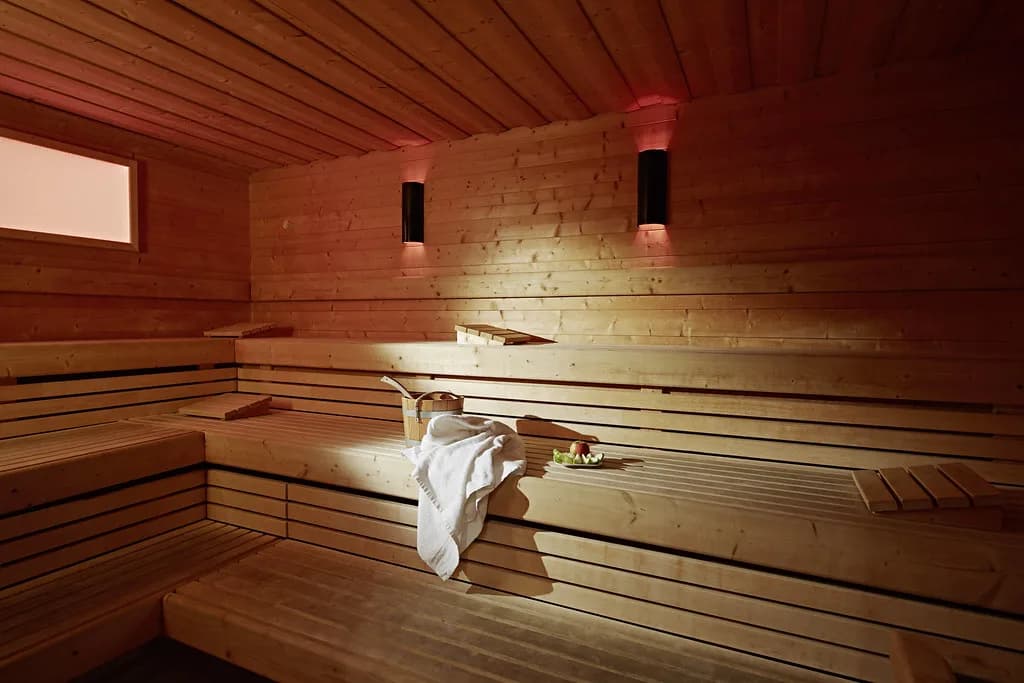
Finland is where the ritual is most codified, and where a visitor can learn it properly. The heat comes from Löyly, the steam released when water is ladled onto hot stones; it arrives in waves, and bathers typically sit through one or two waves before stepping out. Finns usually stay in the hot room for somewhere around five to fifteen minutes a round, then cool off and go back in, though nobody times you.
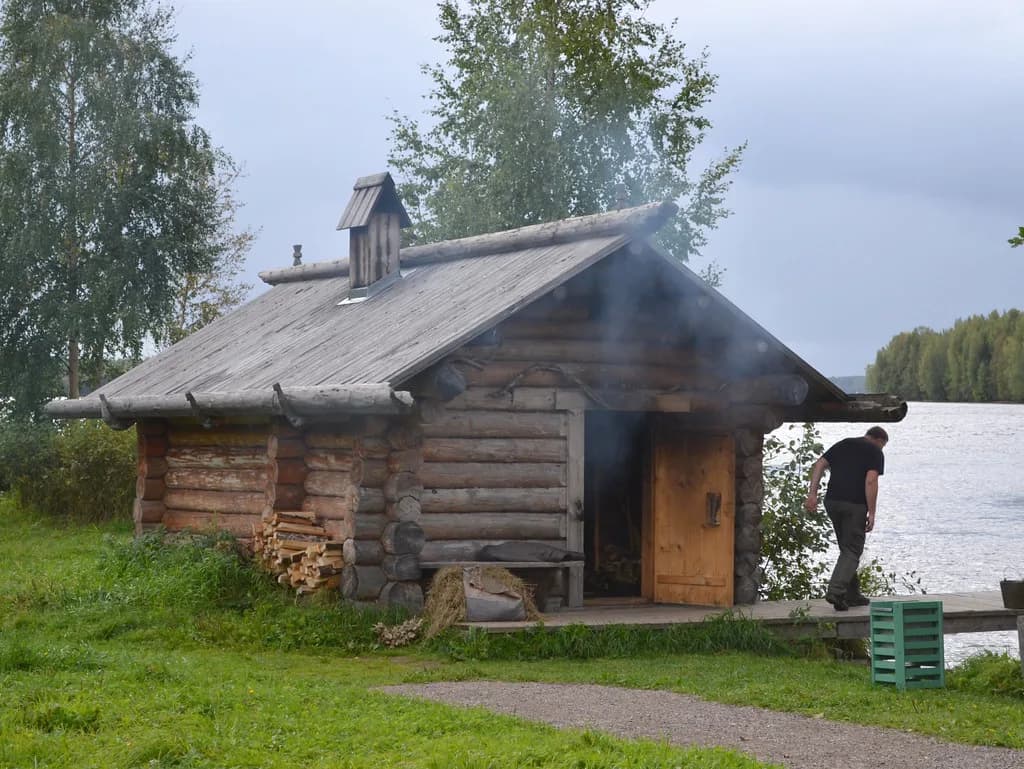
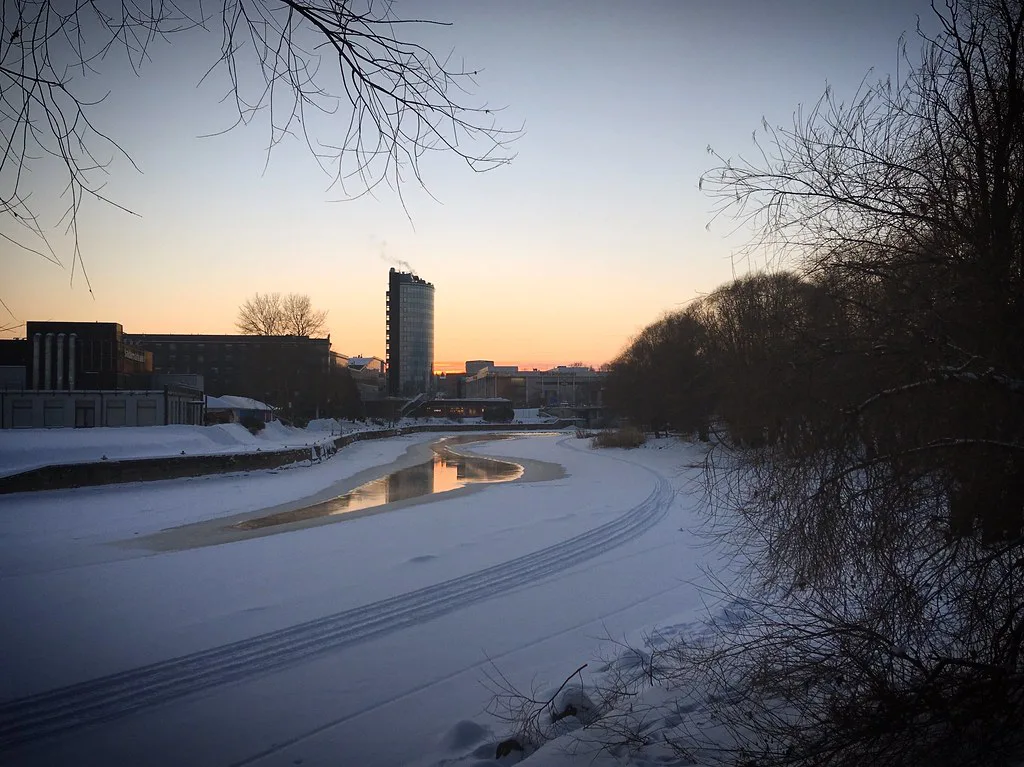
The cold side in Finland is often the sea or a lake, with an avanto cut in winter, and the walk between heat and water can be a few barefoot metres across snow. Public venues in Helsinki make the tradition accessible without a cabin: Allas Sea Pool puts saunas beside a supervised pool and sea-water basin in the city centre. If you want the full picture of how Finnish saunas are run and what bathers expect, the Finnish sauna guide covers the Löyly rhythm, the seating hierarchy and the quiet.
How a hot-cold session actually runs
There is no fixed order, and the honest answer is that it is a decision each bather makes. Divers Cove, a lake-swimming venue in Surrey, puts it directly: you can move from cold to hot and back again in whatever sequence feels right, and many people start with a cold dip, warm up in the sauna, and repeat. The common Finnish pattern runs the other way, sauna first, then cold, then back.
A realistic first session is short: two or three rounds, each hot stint ending before you feel dizzy and each cold stint ending before you start shivering hard. The pause between rounds matters more than the count, because it lets your breathing settle and gives you time to dry off and drink water. Do not treat a round count as a target to beat.
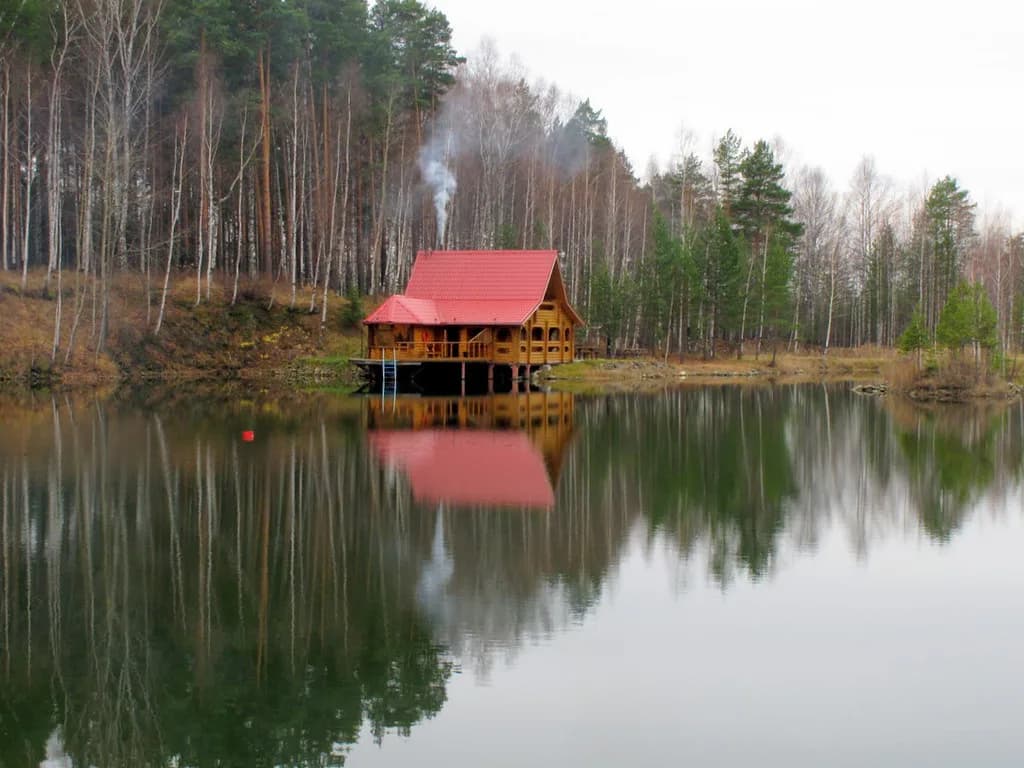
Expect a cold walk somewhere in the middle of the session. At a lakeside sauna the water is a few steps away across gravel or a jetty; at a floating sauna you step from the deck straight down a ladder; at an indoor swimming hall the plunge pool is indoors but the air is cool. Only the harbour-side venues make the transition near-frictionless.
Cold-water options across Europe: sea, lake, harbour, plunge
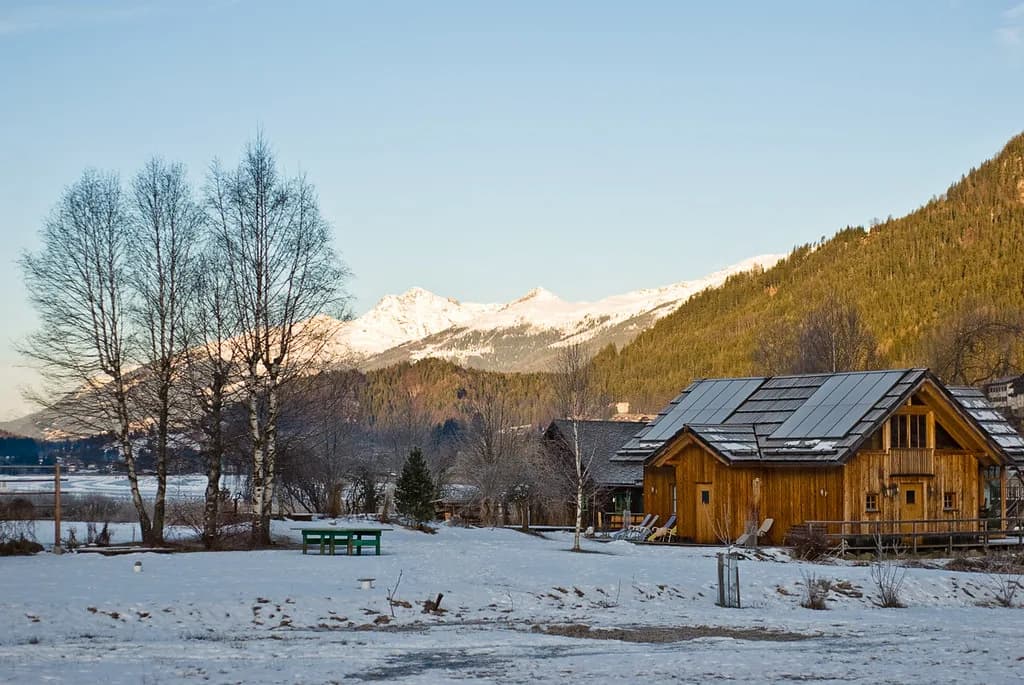
Sea water gives you salt, buoyancy and a horizon, and Nordic harbour bathing spots tend to be ladder entries with a rail to grab. A lake is flatter and often colder at depth, and the entry is usually a jetty or a sloping bank; Surrey's Divers Cove pairs a lake dip with wooden saunas and ice barrels, so you can choose between open water and a controlled plunge on the same visit.
A harbour basin is the most urban option and the easiest to fit into a city day, because the sauna and the water sit on the same pontoon. In Oslo the Sørenga Badstuflåte and similar floating saunas have made a harbour plunge a lunchtime habit, and the same model has spread to Helsinki, Stockholm and Copenhagen.
A plunge pool or ice barrel is the controlled version: the temperature is more stable, the depth is fixed, and there is no current. It suits a first attempt and bad weather, but it removes the landscape that makes a lake or sea dip memorable.
Bathing culture by country: nude, swimsuits and single-sex slots
Finland and Sweden lean towards mixed, nude sauna sessions in public venues, with families and strangers sharing benches; a towel or seat cover goes under you and you shower before entering. Many German and British venues ask for swimwear in mixed saunas, and some German baths run textile-free and textile days on a published schedule. Single-sex slots exist too, so read the board at the entrance before you undress.
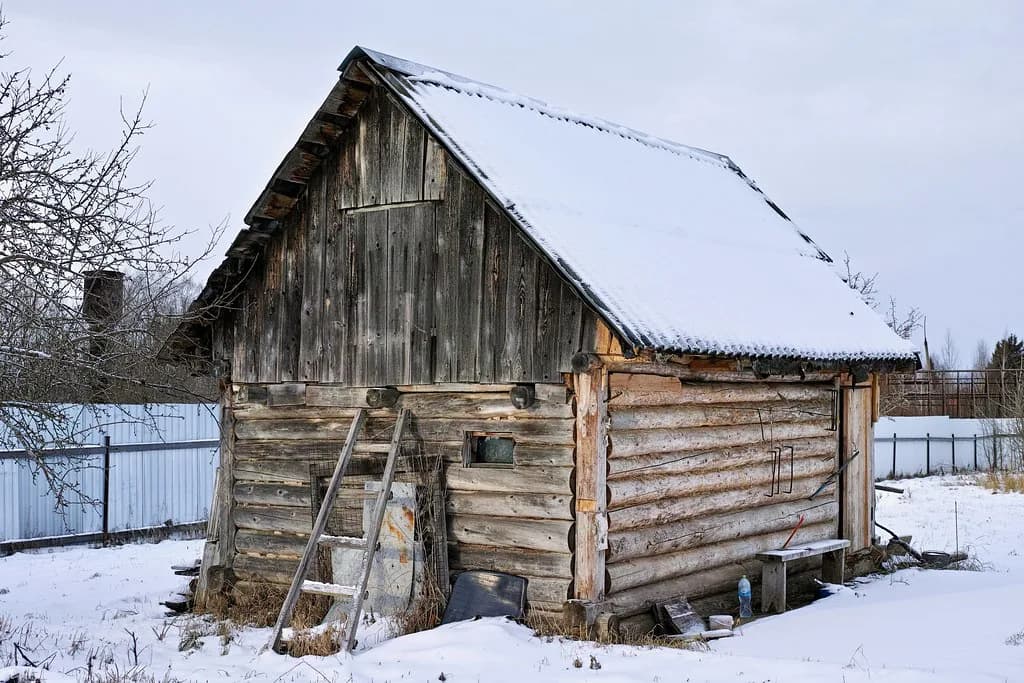
In Russia and the Baltics the banya and pirts traditions run on different conventions, often with a wet, steamy room, a venik or whisk, and a cold plunge or pool between rounds. The Russian banya guide explains the heat, the felt banya hat and the cooling routine.
Where to do it: city saunas, harbour baths and swimming halls
Helsinki is the easiest introduction: city swimming halls with saunas, Allas Sea Pool by the harbour, and Kotiharjun sauna, a wood-fired public sauna from the 1920s with separate men's and women's sides, give you three different versions of the same custom. The Finnish sauna guide covers how each is run.
Elsewhere in the region, Copenhagen's harbour baths and Stockholm's bathing houses put a sauna beside cold water, while Oslo's floating saunas are the most photogenic. Coastal bathing houses in Sweden and Denmark, such as Malmö's Ribersborgs Kallbadhus with its piers and sauna, are part of the same winter-bathing world.
Swimming halls with saunas are the winter fallback when the sea is rough or the ice is thin; they run published opening hours and sell single visits or cards, and most have a cold plunge or cool shower instead of open water. Book or arrive early for the popular floating saunas, which sell out in the evening and at weekends.
What to bring
Pack two towels, one for standing on and one for drying, as Skandinavisk recommends: a wet floor underfoot is the fastest way to feel cold between rounds. Add a swimsuit for venues that require one, a seat cover or thin towel for the bench, sandals for a shared shower, and a wool hat and warm layers for the walk back.
A water bottle belongs in the bag for hydration, and a dry bag keeps clothes from picking up steam. Leave alcohol out of the session entirely. If you carry a felt hat or a whisk for banya-style rooms, check before using either, because venue rules vary.
Etiquette and unwritten rules
Shower before you enter the hot room, sit on a towel or seat cover rather than bare wood, and keep conversation low in a quiet sauna. If someone ladles on water, do not add a second ladle uninvited; wait for the next round. On the cold side, give people room at the ladder and do not rush the person ahead of you.
Treat the whole session as a shared space rather than a competition. Nobody is keeping score on how long you spend in the water, and a two-round session is as valid as six. Dry off properly, rinse if the venue asks, and leave the bench as you found it.
Food and drink after a dip
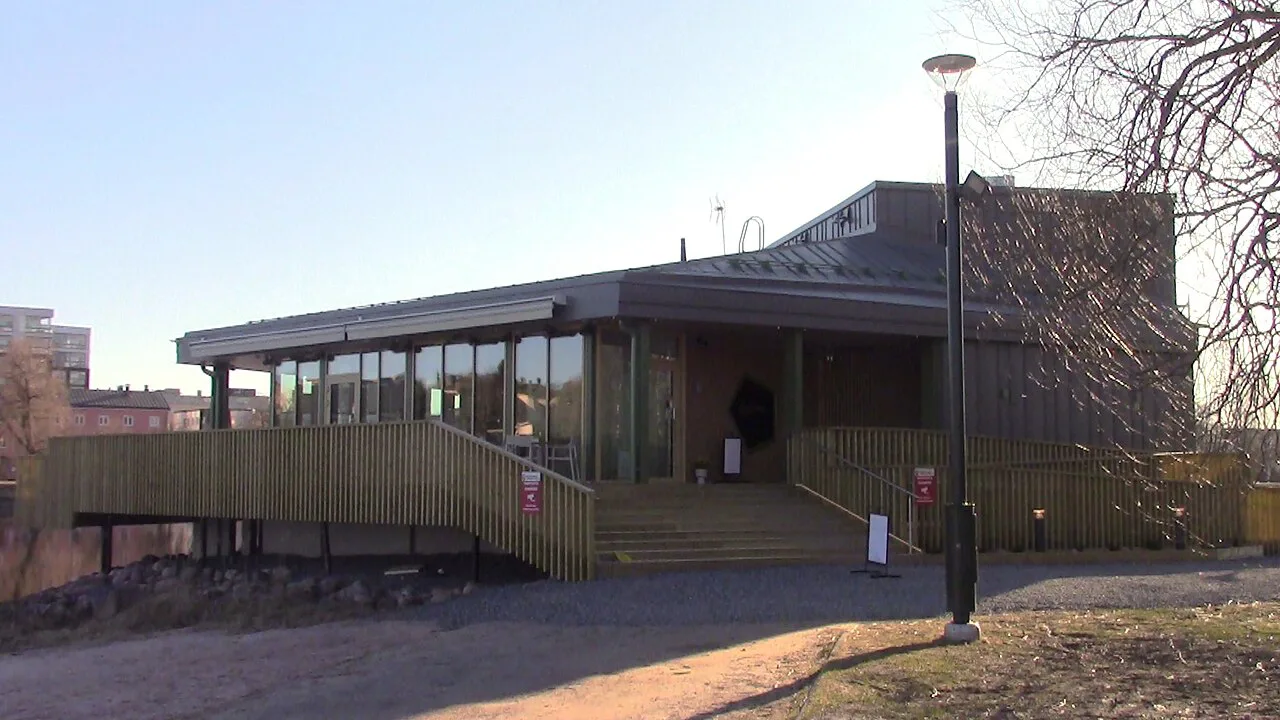
Rewarming after the session is part of the ritual, and many lake and harbour spots have a café for a hot drink and something small to eat. Divers Cove, for example, encourages visitors to unwind at its café with warm drinks and snacks after a session, which is the civilised way to finish.
Keep alcohol out of the hot and cold rounds and save any drink for later in the evening. In Finland a proper session often ends with a meal, but the order matters: eat after you have finished bathing, not between rounds.
Safety basics
Stay hydrated, skip alcohol before bathing, get out of the sauna or cold water the moment you feel unwell, and ask a doctor first if you have a heart condition or are pregnant. Enter cold water slowly enough to control your breathing, and never swim alone in open water in winter.
Common mistakes
The usual errors are small ones: overdressing in the sauna, staying in the cold until you are shaking hard, and walking off wet into a wind instead of drying first. Misreading session times is another, especially at floating saunas where slots are fixed and turning up late can cost you the pitch.
Another is treating the plunge as the goal. The heat is the anchor, the cold is the punctuation, and skipping the sauna to prove something about cold water misses the point of the tradition.
Plan Your Winter Bathing
Start with one venue where the sauna and the water sit close together, a harbour bath or a lakeside sauna, and treat your first visit as two or three easy rounds. Read the venue's own site for session times, booking and what to wear, then pack two towels and go.
Once the rhythm is familiar, the variations make sense: an avanto beside a lakeside sauna in Finland, a wood-fired public hall in Helsinki, a floating deck in Oslo, or a plunge barrel at a lake in Surrey. The taste for it comes from the ordinary repetition, not the drama of the first plunge. For the practical details, see the sauna culture. For the practical details, see the Finnish sauna.
Explore more Europe sauna guides
Frequently Asked Questions
Should you jump in cold water after a sauna?
You can plunge straight after a hot round if you feel steady, but enter slowly enough to control your breathing rather than jumping blind. Many bathers cool off with a short dip and then return to the sauna for another round; others prefer the cold first. The order is a personal choice, and venue rules on swimwear and the entry method always come first.
Is it better to go in a sauna before or after swimming?
The Finnish pattern is sauna first, then cold water, then back into the heat, and that is the most common order in a public sauna with an ice hole or sea ladder. A lake-swimming venue such as Divers Cove presents the cold first as equally valid, so decide based on how you feel and on what is closest to the changing room.
How long should a winter swimming session last?
Plan two or three short rounds rather than one long stint: a hot stretch of roughly five to fifteen minutes followed by a brief dip, with a pause in between. Stop the cold stint before you start shivering hard, and get out of the sauna if you feel light-headed. Total time at the venue is often an hour or so, including changing.
What do you wear for sauna and winter swimming?
In Finland and Sweden mixed public saunas are usually nude, with a towel or seat cover under you, while many German and British venues ask for a swimsuit in mixed saunas. Bring a swimsuit regardless so you can follow the local rule, plus two towels, sandals and warm layers for afterwards. Single-sex sessions often have their own convention, so read the notice at the entrance.
Why do Scandınavians combine cold water with a sauna?
It is a long-standing bathing habit rather than a recent trend: the heat opens the afternoon, the cold water sharpens it, and the pair is repeated through the winter. Skandinavisk notes the practice is ordinary in the region, with saunas built beside harbours and ice holes so the transition takes seconds. The appeal is social and sensory, and the rewards are as much about the ritual as the water temperature.
Where can a visitor try winter swimming and sauna in one place?
Helsinki offers Allas Sea Pool, Kotiharjun sauna and city swimming halls; Oslo has floating saunas on the harbour; Copenhagen and Stockholm both have bathing spots with saunas; Malmö's Ribersborgs Kallbadhus is a coastal bathing house with piers and a sauna. Closer to London, Divers Cove in Godstone, Surrey, pairs a lake with wooden saunas and ice barrels. Check each venue's own site for sessions and what to wear.
Is winter swimming safe for beginners?
Beginners do best with short dips in a supervised place, entering slowly and never swimming alone in open water in winter. Stay hydrated, skip alcohol before bathing, get out if you feel unwell, and ask a doctor first if you have a heart condition or are pregnant. Go with someone experienced for your first season.
Sources
Sauna notes for your next trip
Optional updates to our sauna guides.
You might also like
Continue reading
More guides you'll find useful