Russian Banya: How It Works and Where to Try One in Europe
A Russian banya is a hot, humid steam bath with a venik ritual, cold plunge and tea between rounds. Here is how a session works and where to try one in Europe.
On this page
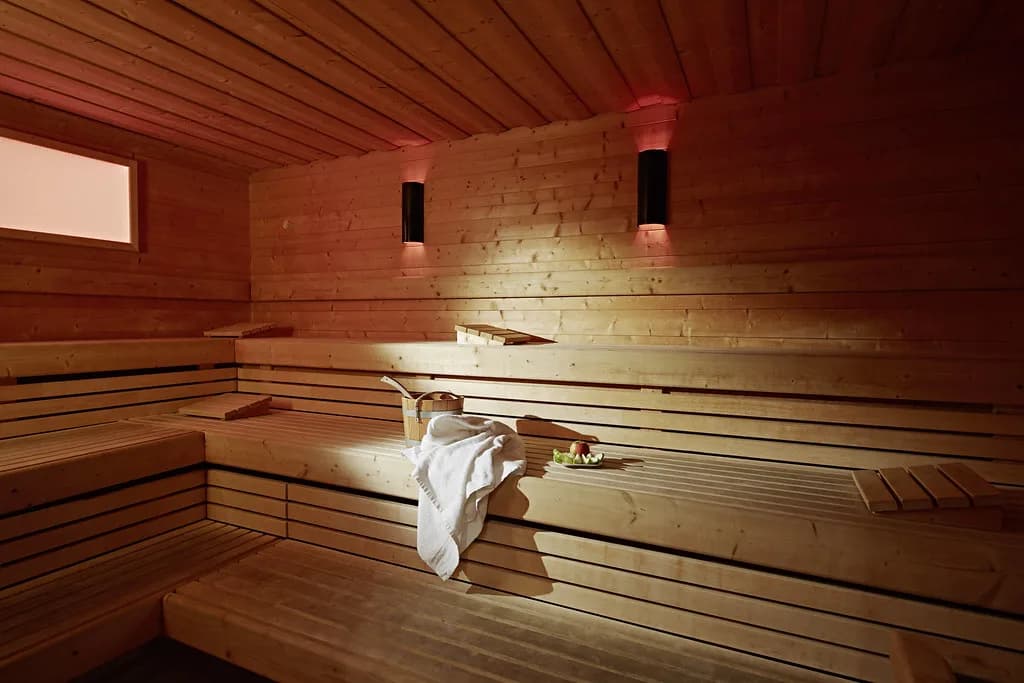
A Russian banya is a steam bath, not a dry sauna: water is thrown onto a hot stove to make the parilka humid and heavy, and the session is built around repeating rounds of heat, a cold plunge and rest. It is a social ritual as much as a wash, and the experienced bather treats the heat as something to work with rather than endure. If your reference point is the dry Finnish tradition, the contrast is worth knowing; see our guide to the Finnish sauna for how that version works.
What a Russian banya is: a humid steam bath, not a dry Finnish sauna
The banya is a traditional Russian steam bath that uses a wood-fired stove and is designed for wet-heat sessions, with water poured over hot stones to raise humidity and heat together. That humidity is the practical difference from a dry Finnish sauna: the air feels wetter and heavier, and bathers tend to stay in shorter bursts rather than settle in for long, dry sits. The stove is the heart of the room, and the ritual of throwing water is part of the experience rather than an optional extra.
What is the difference between a sauna and a banya? A banya is a steam bath: water is thrown onto a hot stove to create humid, heavy heat, and the session usually includes a venik ritual and a cold plunge. A Finnish sauna is typically drier and hotter, with Löyly created by ladling water onto stones, and bathers often stay longer per round.
What happens in a Russian banya? You move between the parilka (steam room), a cold plunge or bucket shower, and a lounge for tea and food. Rounds repeat two or three times, and parenie — the venik ritual — is usually booked as an add-on or included in a package.
What are the etiquette rules for using a Russian banya? Shower before entering, sit on a towel, keep noise down and give others space. Wear a felt hat in the steam room, follow the venue's swimwear or towel rule, and ask before joining a parenie session.
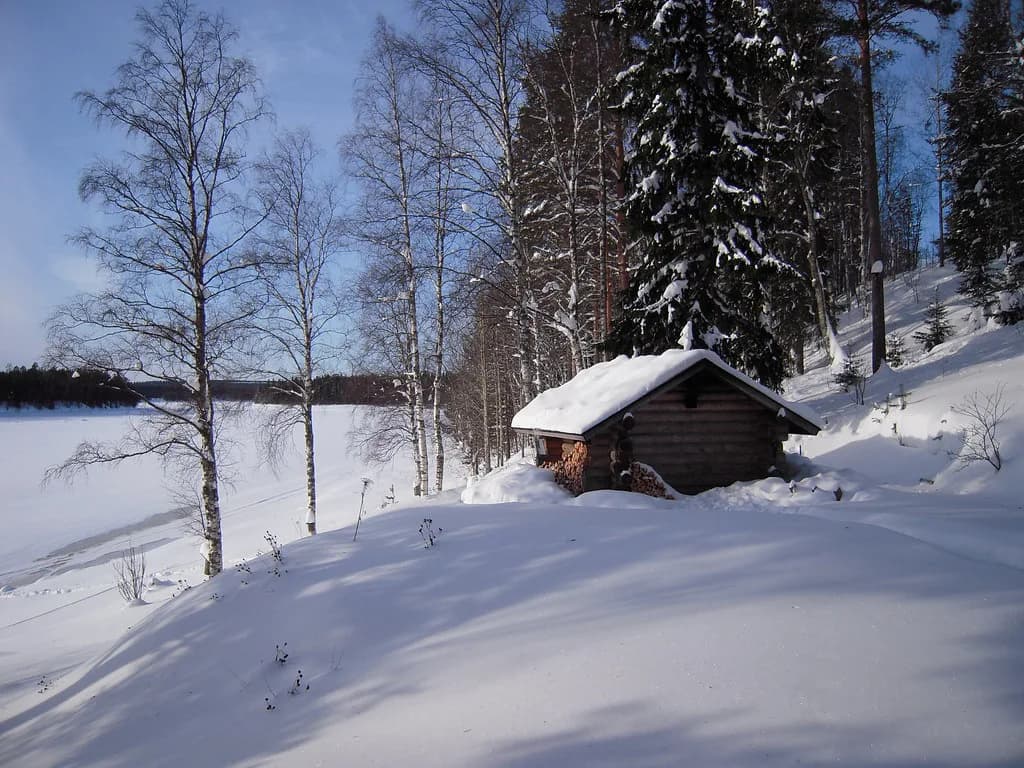
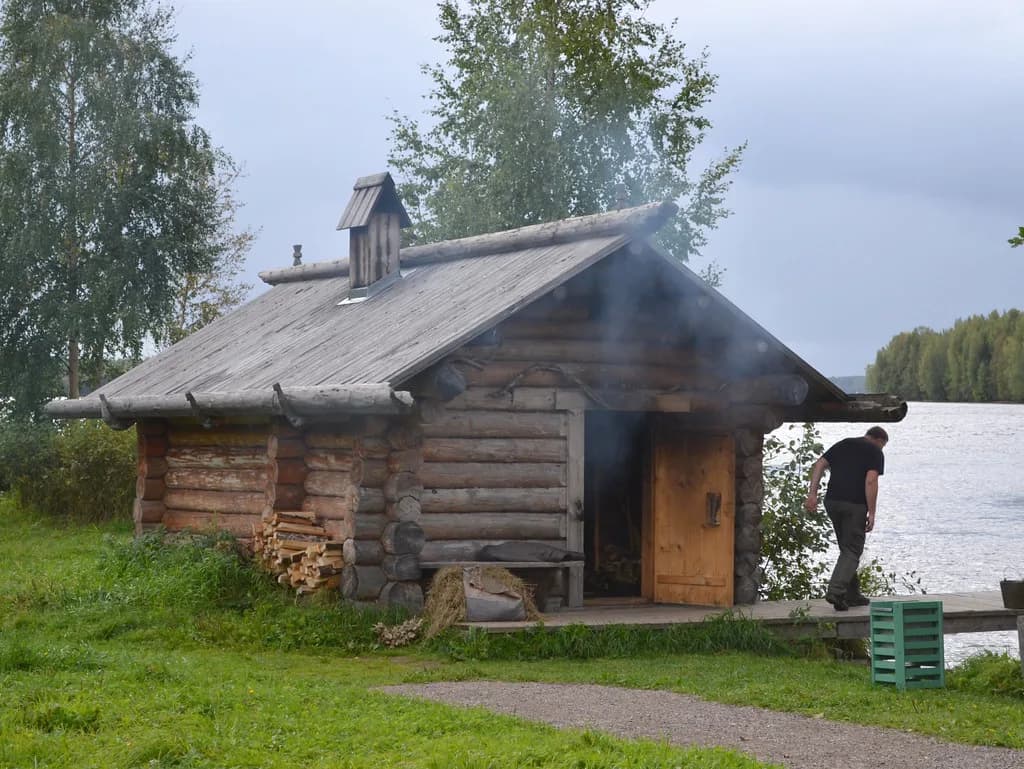
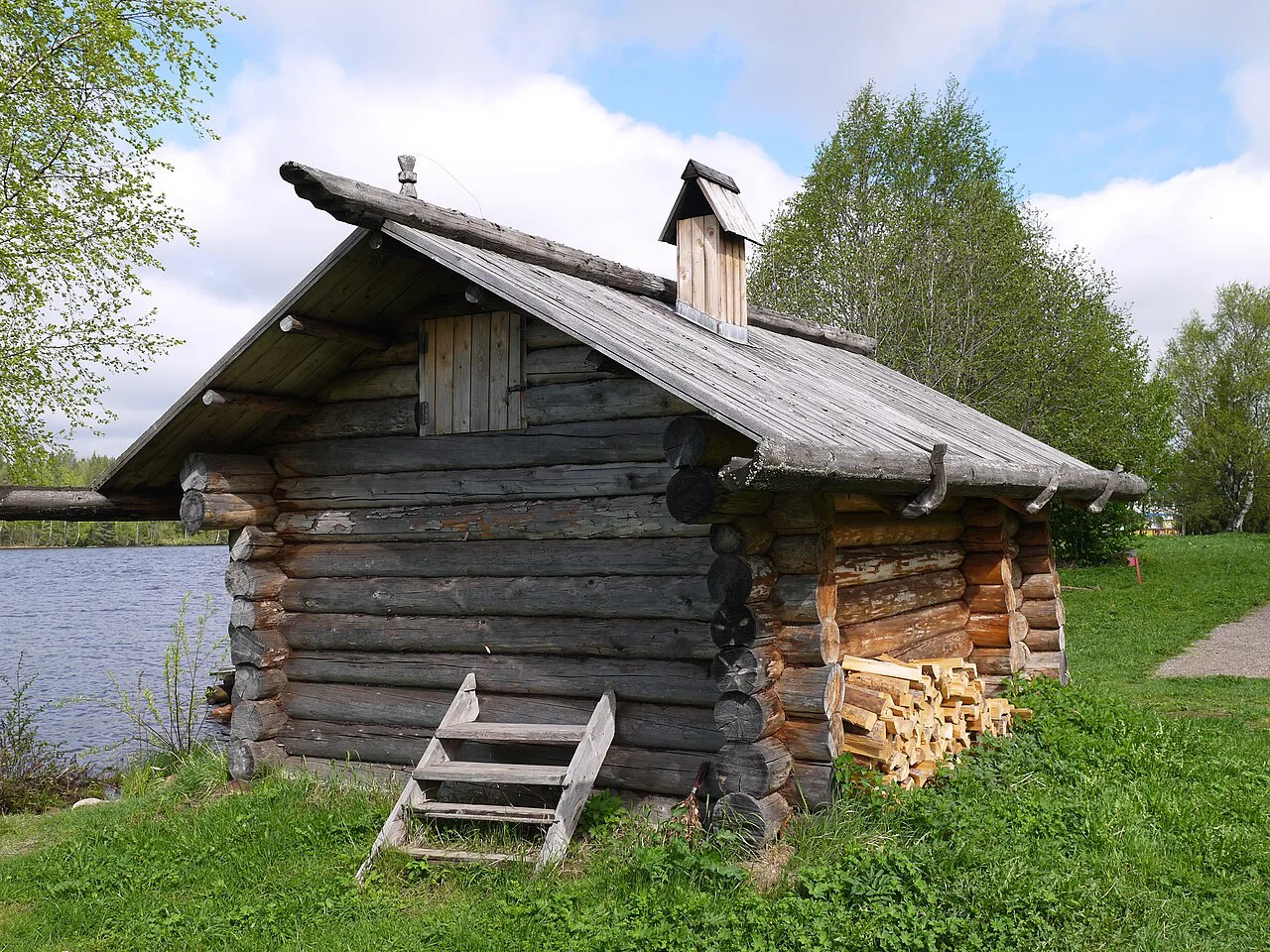
Banyas are not uniform. A city bathhouse may have a tiled steam room with a modern stove, while a country banya might be a timber hut with a furnace and a cold barrel outside. For travellers, that means the room, the heat and the cold-water option vary from venue to venue, and the sensible approach is to ask what the cold option is before you commit to a long session. The wider sauna culture in Europe is full of variations on this theme, and the banya is one of the most distinctive.
The vocabulary: banya, parilka, venik, parenie
A few words make the experience much easier to follow. Banya is the bathhouse or the tradition itself; the parilka is the steam room where the heat happens; the venik (also called a bunch or besom) is a bundle of birch, oak or eucalyptus leaves used to beat and stroke the body; and parenie is the ritual in which a bannik, the attendant who performs it, uses the venik on a bather. Oblivanie is the dousing with cold water that often follows a round, and it is worth knowing the word because staff may offer it rather than explain it.
The term bannik can mean both the attendant and, in older Russian folklore, a household spirit said to live in the bathhouse. In a modern venue, it simply means the person who performs parenie and manages the steam room. Learning the words lets you ask for what you want without a long explanation, and it signals that you understand the session is structured rather than a free-for-all.
How a session works, round by round
A typical session follows a rhythm: warm up in the parilka, take a cold plunge or bucket shower, rest with tea, and repeat. The first round is usually shorter while you adjust to the heat; later rounds can be longer if you are comfortable. Between rounds, bathers sit in a lounge or on benches, drink tea, eat something small, and let their temperature settle before going back in. That rest is not wasted time — it is what makes a second and third round possible.
If you have never done this before, treat the first visit as a learning session rather than a test. Two or three rounds is plenty, and leaving the steam room before you feel overwhelmed is the correct move. Staff at established venues are used to first-timers and will usually explain the order of things if you ask at reception.
Parenie: what happens when the venik comes out
Parenie is the part that surprises people. The bannik takes a soaked venik and moves it over and against the body in a sequence of strokes, presses and light beating, often in the steam room with the heat turned up. The sensation is intense and sometimes startling — it is not a gentle massage, and it is not meant to be. At Banya No.1 – Hoxton, parenie is a dedicated ritual with its own room and can be booked for individuals or couples.
The venik is usually birch, oak or eucalyptus, and the choice of leaves changes the scent and the feel. If you are unsure, ask which venik the bannik is using and whether the session is a short taster or a full ritual. It is entirely acceptable to try parenie once and decide it is not for you — plenty of regulars skip it and simply enjoy the heat and the cold.
Hot to cold: plunge pool, bucket shower or river
The cold side of a banya is as important as the hot side. City venues typically offer a plunge pool or a bucket shower; a country banya might use a river, a lake or a barrel of cold water. At Banya No.1 – Hoxton, the public side has a cedar plunge pool and bucket showers, while the private Banya Taiga has its own plunge pool reserved for the group.
The plunge is a shock, and the first one is the hardest. Go in up to the shoulders if you can, breathe out steadily, and get out when you have had enough rather than counting seconds. If a full plunge feels like too much, a bucket shower or a cool shower is a perfectly good substitute and many bathers prefer it.
Between rounds: tea, kvass and the zakuski table
The food and drink are part of the banya, not an afterthought. Tea is the default drink, often black or herbal, and kvass — a lightly fermented bread drink — is a traditional alternative. The zakuski table is the Russian spread of cold snacks: pickles, herring, salads, cured meats and bread, designed for picking at between rounds rather than for a formal meal.
At Banya No.1 – Hoxton, the kitchen serves Eastern European dishes with published menu prices in pounds: borsch at £15 for 250 ml, potato and mushroom dumplings at £9.50, meat dumplings at £15, pancakes with red caviar at £24 and a traditional zakuski platter at £25.
Eating lightly between rounds is the usual approach; a heavy meal before the steam room is uncomfortable. If you are booking a private room or a package, ask whether food is included or ordered separately, because the two models differ.
Etiquette and the felt hat, in practice
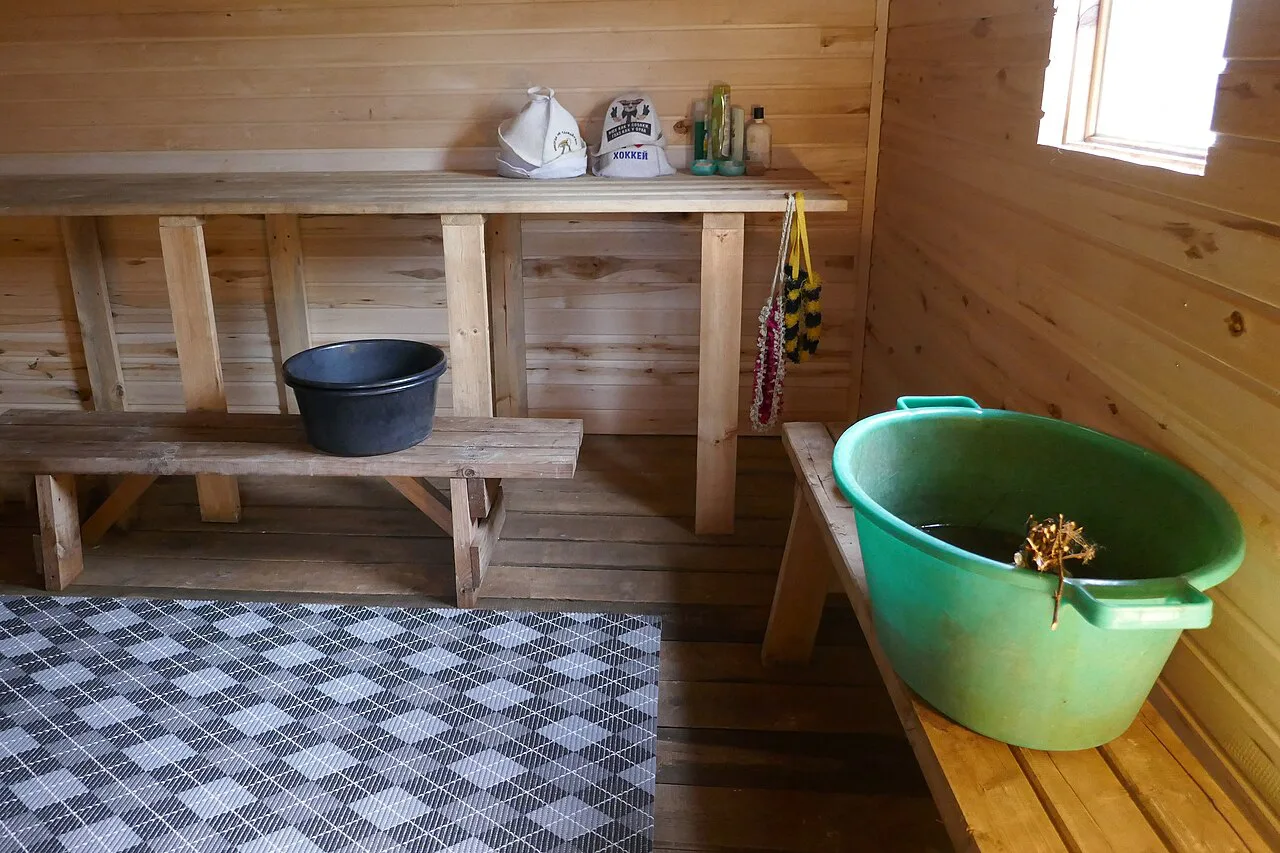
The felt banya hat is not a costume. It protects the head from the heat and is standard kit in a proper banya; many venues sell or lend them, and regulars often bring their own. Beyond the hat, the etiquette is straightforward: shower before entering, sit on a towel or a seat cover, keep noise down, and give others space in the steam room. The general rules of sauna etiquette in Europe apply here too, with the addition of the venik ritual.
Mixed and single-sex sessions vary by venue and by time slot. Banya No.1 – Hoxton runs women-only and men-only sessions alongside its public mixed sessions, so check the schedule when you book. Swimwear rules also vary; in a Russian banya, bathers often wear a towel or a sheet rather than swimwear, but city venues usually accept either. The safest approach is to follow what the staff and other bathers are doing.
What to bring and what to wear
Bring flip-flops, a towel and a change of clothes, and expect to shower before and after. Most venues provide lockers, and some provide towels, robes and slippers as part of a package; ask when you book so you do not carry more than you need. A felt hat is worth buying if you plan to go regularly, and a plastic bag for wet kit is a small but useful addition.
Wear whatever the venue specifies — swimwear, a towel wrap or a sheet — and keep jewellery to a minimum because metal gets hot. Leave valuables at home or in a locker, and bring a water bottle if the venue does not provide water in the lounge.
Where to try a banya in London: Banya No.1 in Hoxton
Banya No.1 – Hoxton has been in the same spot on Micawber Street since 2012 and is the most established Russian banya in London. The public side is a shared banya with a steam room, cedar plunge pool, bucket showers, a parenie room, a hot-stone room for scrubs and masks, a massage room and a lounge for tea and food. The private Banya Taiga is a self-contained space for up to 10 guests with its own steam room, plunge pool, treatment room and dining lounge.
Opening hours are 09:30 to 22:30, Monday to Sunday, from the venue's own site. The trade-off is that the public side is compact — one steam room and one plunge — so it suits bathers who want the ritual and the food rather than a sprawling spa complex. Parking on Micawber Street and nearby roads is free on weekends and after 18:30, and charged at £7 per hour at other times.
Hoxton is served by Old Street and Liverpool Street stations, both a short walk away, and the venue is easy to combine with a day in Shoreditch. Book ahead for weekend slots and for parenie, which is the first thing to sell out.
Where to try a banya in London: The Bath House in Belgravia
The Bath House in Belgravia is a second London option, blending contemporary thermal bathing with the banya tradition and offering scrubs, massage and aromatic leaf treatments. It is a more polished, spa-like setting than a traditional bathhouse, and the price level is higher than the Hoxton venue.
Choose between the two by mood: Hoxton for a sociable, food-led banya with a strong ritual focus; Belgravia for a quieter, more treatment-oriented visit. Both are in London and both are bookable, so the decision is about the kind of afternoon you want rather than geography.
Public or private: choosing a session format
The public banya is cheaper and more sociable, and it is the way most locals experience the tradition. The private room costs more but gives you the steam, the plunge and the lounge to yourself, which suits groups, families or anyone who wants to try parenie without an audience. At Banya No.1 – Hoxton, the private Banya Taiga holds up to 10 guests and includes its own dining and rest area.
A first visit is often better on the public side, where you can watch how the rounds work before committing to a private booking. If you are celebrating something or travelling with a group that wants its own space, the private room is the simpler choice.
What a visit costs and how to book
Session prices vary by time, day and package, and the venues publish their current rates on their own booking pages — Banya No.1 – Hoxton lists public, private and 90-minute recovery options, and The Bath House lists its own packages. As a rule, a public session is the most affordable way in, parenie and treatments are add-ons, and private rooms are priced per group rather than per person.
Book online for weekends and for any session that includes parenie, and arrive early enough to change and shower without rushing. If you are booking a group, confirm the number of guests and whether food is included before you pay.
Common mistakes first-timers make
The most common mistake is staying in the parilka too long on the first round. The heat is wet and heavy, and it catches people out; go in for a short burst, come out, and build up. The second mistake is skipping the rest between rounds, which makes the next round harder rather than easier. The third is treating parenie as a gentle massage — it is a vigorous ritual, and it is fine to ask for a shorter or lighter version.
Another mistake is drinking alcohol before bathing. A cold beer after the session is a different matter, but alcohol before the steam room is a bad idea. Finally, do not overpack: a towel, flip-flops and a change of clothes are enough, and most venues provide the rest.
Safety basics
Stay hydrated, skip alcohol before bathing, and leave the steam room if you feel unwell. If you have a heart condition or are pregnant, ask a doctor before your visit. The banya is a pleasure, not a test of endurance, and the staff would rather you took it slowly.
Plan Your Visit
A Russian banya rewards a little preparation: know the words, pace your rounds, and treat the cold plunge as part of the ritual rather than an obstacle. In London, Banya No.1 – Hoxton is the established choice for a traditional, food-led banya, and The Bath House in Belgravia is the more polished alternative. Whichever you choose, book ahead for weekends and parenie, and check the venue's own site for current session times.
Explore more Europe sauna guides
Frequently Asked Questions
What is the difference between a sauna and a banya?
A banya is a steam bath: water is thrown onto a hot stove to create humid, heavy heat, and the session usually includes a venik ritual and a cold plunge. A Finnish sauna is typically drier and hotter, with Löyly created by ladling water onto stones, and bathers often stay longer per round.
What happens in a Russian banya?
You move between the parilka (steam room), a cold plunge or bucket shower, and a lounge for tea and food. Rounds repeat two or three times, and parenie — the venik ritual — is usually booked as an add-on or included in a package.
What are the etiquette rules for using a Russian banya?
Shower before entering, sit on a towel, keep noise down and give others space. Wear a felt hat in the steam room, follow the venue's swimwear or towel rule, and ask before joining a parenie session.
How long do you stay in a banya?
A round in the parilka is usually short — a few minutes at a time — with rest between rounds. A full visit, including tea and food, commonly runs two to three hours.
Do you wear a hat in a Russian banya?
Yes, a felt banya hat is standard and protects the head from the heat. Many venues sell or lend them, and regulars bring their own.
What is a venik and what is parenie?
A venik is a bundle of birch, oak or eucalyptus leaves soaked in water. Parenie is the ritual in which a bannik uses the venik to stroke, press and lightly beat the body in the steam room.
Sources
Sauna notes for your next trip
Optional updates to our sauna guides.
You might also like
Continue reading
More guides you'll find useful