Types of Sauna in Europe: Finnish, Smoke, Steam and Banya
The main types of sauna in Europe, from the Finnish hot room and savusauna to steam rooms and banya, with how each session works and what to expect.
On this page
Europe's saunas divide by two mechanics — how hot the air gets and how much moisture it carries — and by the ritual built around them. A Finnish hot room runs dry at up to around 90 °C until water hits the stones, a steam room sits near saturation at roughly 45–50 °C, and a banya adds a leaf whisking routine of its own. Knowing which of the types of saunas you are walking into tells you what to wear, how long to stay and whether cold water is part of the plan.
The vocabulary is the second thing to learn, because it appears on doors and price boards rather than in guidebooks. Löyly is the steam burst from pouring water on hot stones, Aufguss and saunagus are the German and Baltic ritual pourings, venik is the Russian leaf bundle and pirts is the Latvian bathhouse. None of these are marketing labels; each signals a different session format and a different set of house rules.
The Finnish sauna: high heat, low humidity and Löyly
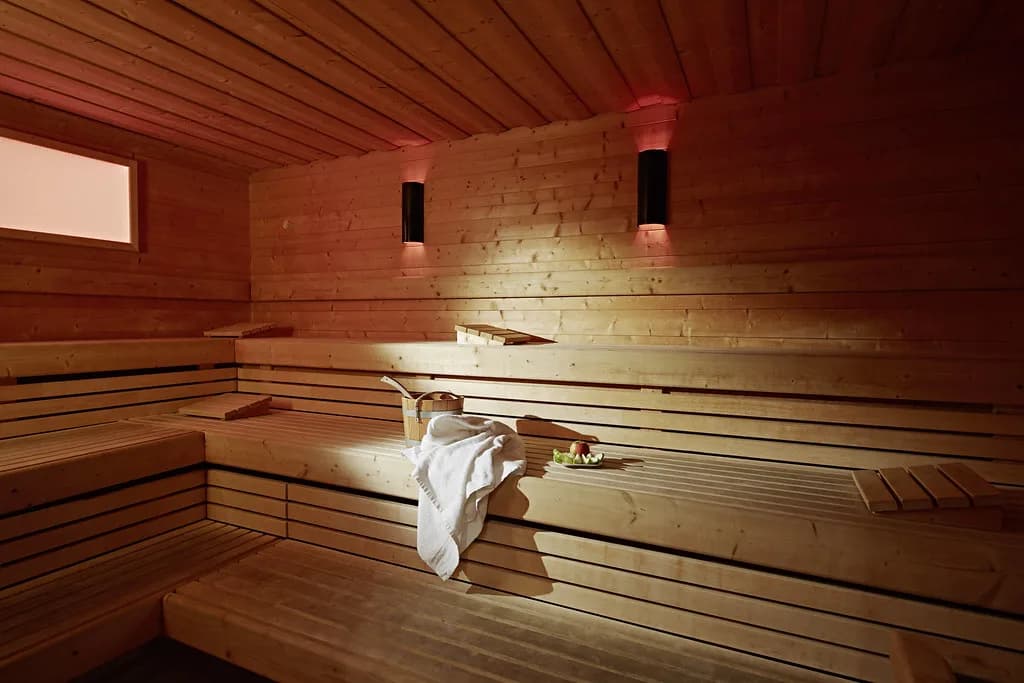
The Finnish sauna is the reference point for most of Europe: a wood-lined room heated to a high, dry temperature, with a stove of hot stones at its centre. Customary air temperatures reach up to around 90 °C with low humidity, which is why the room feels bearable at first and then sharpens the moment someone pours water. That pour — Löyly — briefly raises humidity and intensifies the heat, and it is usually the bathers' decision rather than staff's.
What are the main types of sauna in Europe? The big families are the Finnish sauna, the smoke sauna or savusauna, the steam room and hammam, the Russian banya and the Latvian pirts, with Aufguss and saunagus describing the ritual format used in German and Baltic sauna areas. Infrared cabins and outdoor barrel saunas are modern builds you meet in hotels, gyms and waterside settings rather than separate traditions.
What is the difference between a Finnish sauna and a steam room? A Finnish sauna heats a timber room to a high temperature with low humidity and spikes the moisture only when someone pours water on the stones. A steam room keeps the air closer to body temperature but close to saturation, so the heat feels softer and enveloping, the benches are tiled, and bathers usually sit for longer.
What is a savusauna and why is it different? A savusauna is a smoke sauna heated by a stove with no chimney: the room fills with smoke while the stones heat, then the fire is put out and the room is ventilated before bathers enter. The walls and benches stay sooty and carry a woodsmoke scent, and sessions are usually run on fixed evenings because the heating takes hours.
A session is built from rounds rather than one long sit: bathers typically take 5–15 minutes in the hot room, come out to cool off, and go back in for another round. In Finland the cooling is often a lake, the sea or an ice hole in winter, and the walk between the two is part of the experience rather than an inconvenience. Public halls such as Kotiharjun sauna in Helsinki and Allas Sea Pool by the harbour follow this rhythm, with showers and changing rooms between rounds.
Savusauna: the smoke sauna with no chimney
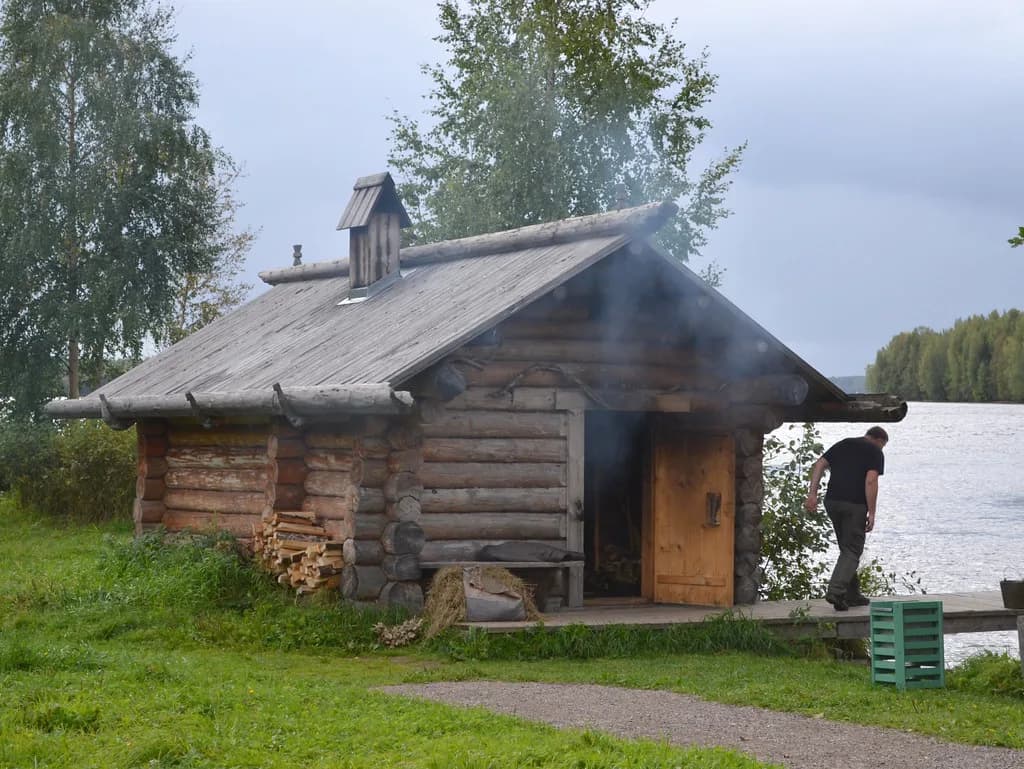
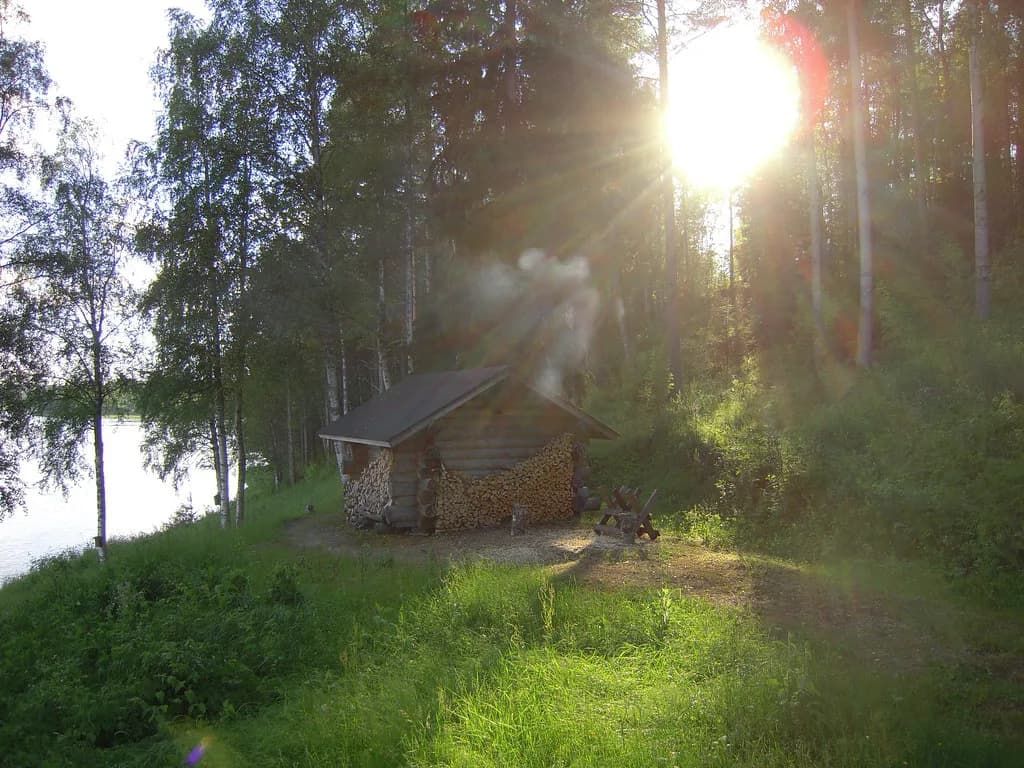
A savusauna, or smoke sauna, is the oldest form of the Finnish hot room and works without a chimney. A large stove is fired with the door closed until the stones are hot, filling the room with thick smoke; the fire is then put out and the room ventilated before anyone enters. Customary stone temperatures at that point often fall between roughly 70 and 80 °C, and the walls and benches carry a permanent soot-darkened finish and a smoky scent.
For a traveller this is the type that rewards patience and a little planning. Smoke saunas heat for hours before a session and are often run on fixed evenings rather than all day, so they suit a booked visit better than a spur-of-the-moment one. Bring clothes you do not mind smelling of woodsmoke afterwards, and expect to sit on a towel or seat cover because the benches are sooty by design.
Steam rooms and hammams: moderate heat, saturated air
Steam rooms, widely called Turkish saunas or hammams, invert the Finnish formula: lower air temperature and near-total humidity. The air sits somewhere up to about 50 °C while humidity can approach 100 %, so the heat feels enveloping rather than sharp, and many people find it easier to sit in for longer than in a dry hot room. Benches are usually tiled, and the space is often a tiled or marble chamber rather than a timber one.
The trade-off is visibility and busyness. Steam rooms fog up completely, so bathers feel their way to a bench, and in public baths they are often the busiest, noisiest corner of the building. They also tend to be the type most likely to allow swimwear and to be mixed, which makes them a gentle introduction for a first-timer who is unsure about nudity rules.
The Russian banya: hot room, venik and a cold plunge
The Russian banya is a hot, humid room — often wetter than a Finnish sauna — where the session is a structured ritual rather than a loose sequence of rounds. Bathers take a venik, a bundle of soaked birch, oak or other leaves, and use it to whisk air and heat around the body or to tap the skin lightly. Between rounds people cool off in a cold plunge pool, a shower or, in winter, snow.
Banya houses tend to be social and talkative, and many offer a private room with its own steam room and plunge, which suits groups and families. Bring a felt banya hat if you plan to stay in the hot room for long, and expect to rent or buy a venik on site rather than bring your own. The cold water is not optional decoration here; it is the other half of the session.
The Latvian pirts: a gentler, often herb-scented bath
The Latvian pirts is a bathhouse tradition with its own rhythm, usually built around a wood-fired room and a master who guides the session. Herbs and leafy whisks feature prominently, and the heat is often managed to build gradually rather than hit hard from the first minute. Sessions are frequently private or small-group, which makes the pirts one of the more relaxed introductions to the Baltic bathing world.
Because the pirts is as much a social custom as a room, the experience depends heavily on the house you choose and whether a master is available. Country pirts are often part of a farmstead with a pond or river for cooling; town versions compress the same routine into a shorter visit. Do not expect the same self-service freedom as a public swimming hall — the session is led.
Aufguss and saunagus: ritual pouring in German and Baltic saunas
In Germany and the Baltic states the sauna evening is built around Aufguss or saunagus: a staff member pours water, sometimes with essential oils, over the stones and moves the rising heat around the room with a towel. Sessions run to a schedule, often hourly, and bathers gather in advance for a seat rather than drifting in and out. The result is a hotter, more intense burst than a casual self-poured Löyly, followed by a cool-down outside the room.
The practical consequence is that you plan your visit around the timetable, not the other way round. Popular slots fill and the best seats are on the upper tiers, so arriving a few minutes early matters; the lower benches are cooler and kinder to newcomers. Textile-free bathing is the norm in German sauna areas, and a towel to sit on is expected.

Infrared cabins and barrel saunas: what a traveller meets
Infrared cabins heat the body directly with radiant panels instead of heating the air, so they run cooler — typically up to around 65 °C — and feel much less fierce. You meet them mostly in hotel wellness areas, gyms and spa complexes rather than in traditional public saunas, and a session is usually a solo or pair experience in a small cabin. They are comfortable but they are not where you learn what a Finnish Löyly feels like.
Barrel saunas and other outdoor cabins sit at the other end of the scale: proper hot rooms, often wood-fired, built for gardens, terraces and waterside spots. Their curved shape heats faster than a rectangular room because there is less air to warm, and they appear across Scandinavia and the Baltic coast as rental cabins and beachside fixtures. Expect the same high heat as an indoor hot room, plus a cold walk to the water in most seasons.
Finnish sauna versus steam room versus banya
Set the three side by side and the differences are mechanical. The Finnish sauna is hot and dry with a humidity spike on demand; the steam room is moderate and permanently saturated; the banya is hot and wet with a structured whisking ritual and a plunge between rounds. Temperature ranges vary by house and by source, so treat published figures as customary rather than fixed rules.
For a first-timer, the decision usually comes down to tolerance for heat and tolerance for nudity. Steam rooms are the mildest in temperature and the most likely to be clothed and mixed; Finnish saunas and banyas run hotter and are more often single-sex and textile-free. If you want the ritual without the intensity, a herb-led pirts session is the middle path.
How a session actually works: rounds, cooling and re-entry
Almost every European tradition uses the same underlying structure: heat, cool, rest, repeat. A round in the hot room lasts somewhere between five and fifteen minutes depending on the type and the bather, followed by cooling under a shower, in a plunge pool or outdoors, then a rest before going back in. Two or three rounds is a normal visit; four or more is for the committed.
Showering before the first round is standard everywhere, and many venues ask for it between rounds too. What changes is the cooling: a Finnish hall might open onto a lake or sea pool, a banya has a plunge tank, a German sauna area usually has a cold basin or shower plus an outdoor rest zone. The walk between hot room and water is often short but cold, so a towel within reach matters.
Swimwear, towels and seat covers across Europe
Swimwear rules split roughly along regional lines. Finnish, German, Dutch and many Baltic saunas are textile-free, with a towel to sit on and showers taken without a costume; steam rooms in public baths and southern European venues often expect swimwear. Where the rule is unclear, follow what other bathers are doing and what the changing room signs show — most venues post it at the entrance to the sauna area.
Bring two towels if you can: one to sit on and one to dry off with, since benches are shared and a seat cover is the basic courtesy. Most venues rent towels and sell or lend seat covers, and a small fee is common. A water bottle, flip-flops for wet floors and a bag for damp kit complete the kit.
Mixed and single-sex sessions, and split days
Mixed bathing is the default in most German, Austrian and Baltic sauna areas, while Finnish public halls and many swimming halls run separate men's and women's shifts or days. In the UK and southern Europe, mixed sessions with swimwear are common in spa-style venues. The split is usually printed at the entrance and on the weekly timetable rather than explained anywhere else.
For travellers this is the detail most likely to derail a visit: arrive on the wrong day and the session may be closed to you. Check the day-of-week pattern before you set out, especially at older public halls with long-standing men's and women's evenings. Private and group bookings usually bypass the split entirely.
Cold water: sea, lake, river and plunge pools
Cold water is treated as part of the session across northern and eastern Europe, not an optional extra. Coastal halls open onto the sea, lake saunas have a jetty, and banyas and German sauna areas usually provide a plunge pool or cold basin. In winter some venues cut a hole in the ice, which is a routine local practice rather than an extreme sport.
The honest trade-offs are real: the walk to open water can be long and cold, outdoor platforms get slippery, and in hard winters sea access may be limited to a maintained pool or closed altogether. Plunge pools indoors avoid the weather but are often the most crowded spot in the building. Build the cooling step into your timing rather than treating it as a quick afterthought.
Common mistakes first-timers make
The most frequent error is treating the hot room as a marathon: sitting for half an hour to get your money's worth instead of taking shorter rounds. The second is skipping the cooling and rest steps, which is what makes a second round pleasant rather than punishing. The third is walking in with the wrong textile assumption and having to retreat to the changing room.
Smaller slips matter too: wearing a wet swimsuit into a dry Finnish sauna, putting water on stones without checking whether it is allowed, talking loudly through an Aufguss, or leaving a towel on a bench so the next bather sits in someone else's sweat. Watch one round before joining, and copy the room.
Where to try each type
Helsinki covers the Finnish range in one city: Kotiharjun sauna for a traditional wood-fired public hall, Allas Sea Pool for a harbour-side round with a cold pool, and Sompasauna for the free, self-run end of the spectrum. Across the water, Tallinn and the Estonian coast add smoke saunas and saunagus evenings, while Riga is the place to book a pirts session with a master.
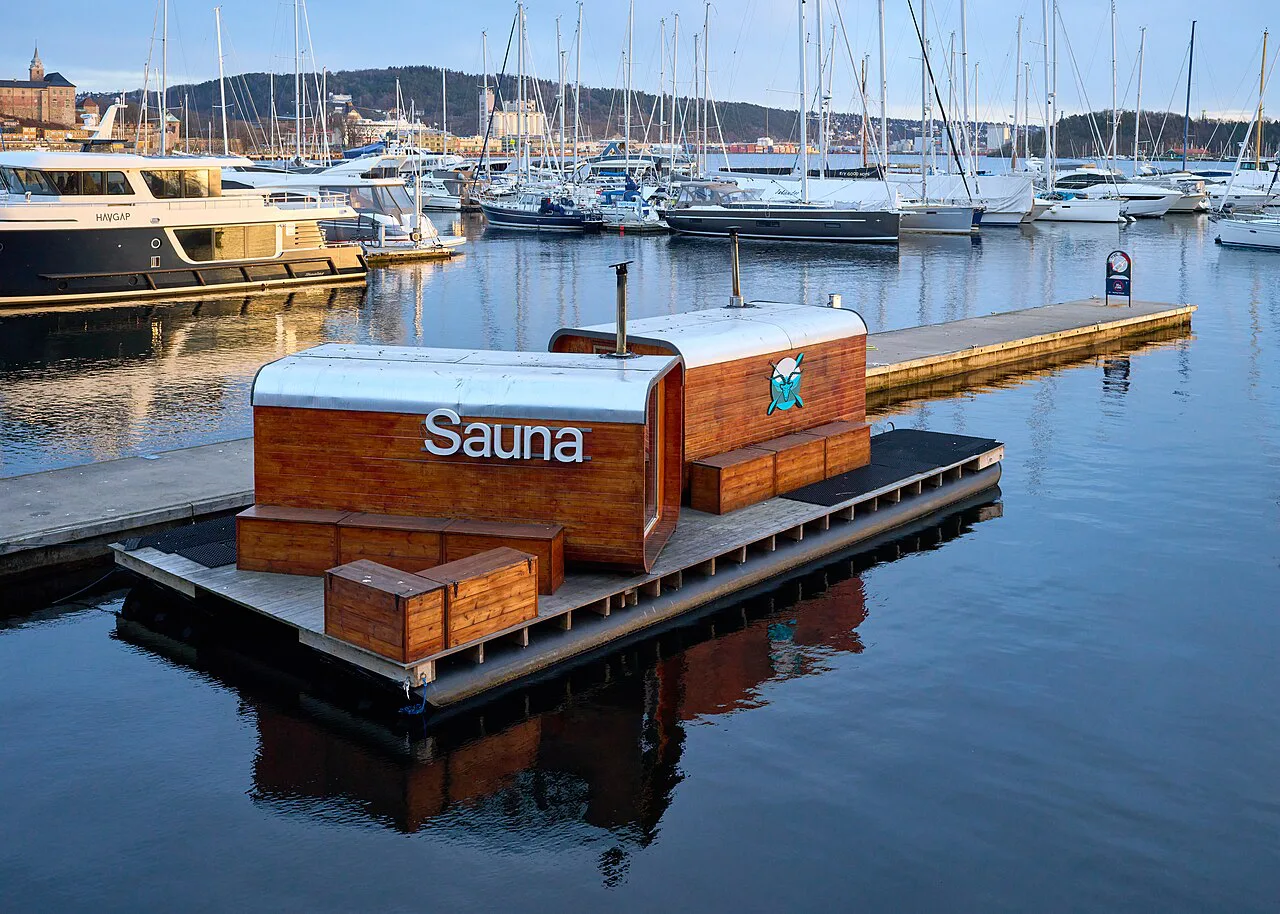
For banya, the big cities of Russia and the Russian-speaking diaspora — plus banya houses in Berlin, London and the Baltic capitals — offer public and private rooms. Germany and Austria supply the Aufguss schedule, with spa towns and city sauna complexes running hourly ceremonies. Norway and Sweden add floating and waterside saunas, with Sørenga Badstuflåte among the fjord-side options in Oslo.
Plan Your Visit
Pick your type by matching tolerance to tradition: a steam room or a guided pirts for a gentle first session, a Finnish hall or a smoke sauna once you know how you handle dry heat, a banya when you want ritual and cold water in equal measure. Check whether the day is mixed or single-sex before you travel across town, and carry a towel you can sit on.
Keep the safety basics simple: drink water, skip alcohol before bathing, leave the hot room if you feel unwell, and ask a doctor first if you have a heart condition or are pregnant. Sessions are meant to be repeated in short rounds, not endured in one long sit. For the practical details, see the sauna culture.
Explore more Europe sauna guides
Frequently Asked Questions
What are the main types of sauna in Europe?
The big families are the Finnish sauna, the smoke sauna or savusauna, the steam room and hammam, the Russian banya and the Latvian pirts, with Aufguss and saunagus describing the ritual format used in German and Baltic sauna areas. Infrared cabins and outdoor barrel saunas are modern builds you meet in hotels, gyms and waterside settings rather than separate traditions.
What is the difference between a Finnish sauna and a steam room?
A Finnish sauna heats a timber room to a high temperature with low humidity and spikes the moisture only when someone pours water on the stones. A steam room keeps the air closer to body temperature but close to saturation, so the heat feels softer and enveloping, the benches are tiled, and bathers usually sit for longer.
What is a savusauna and why is it different?
A savusauna is a smoke sauna heated by a stove with no chimney: the room fills with smoke while the stones heat, then the fire is put out and the room is ventilated before bathers enter. The walls and benches stay sooty and carry a woodsmoke scent, and sessions are usually run on fixed evenings because the heating takes hours.
How does a Russian banya session work?
You take a hot, humid room in rounds, using a soaked venik to move heat around the body, and cool off in a plunge pool, shower or snow between rounds. Many banya houses offer private rooms with their own steam room and plunge, which suits groups, and veniki are usually rented or bought on site.
What is Aufguss or saunagus?
It is a scheduled ritual in which a staff member pours water, sometimes scented, over the hot stones and fans the rising heat around the room with a towel. Sessions run on a timetable rather than on demand, so bathers arrive early for a seat on the upper benches and cool down outside afterwards.
Do you wear swimwear in a European sauna?
Finnish, German, Dutch and many Baltic saunas are textile-free, with a towel to sit on, while steam rooms in public baths and many southern European venues expect swimwear. Venues usually post the rule at the entrance to the sauna area, and split men's and women's days are common in older Finnish public halls.
Sources
Sauna notes for your next trip
Optional updates to our sauna guides.
You might also like
Continue reading
More guides you'll find useful