Sauna for Beginners: Your First Public Sauna in Europe
A beginner's guide to European public saunas: what to wear, seat towels, showers, mixed or single-sex rooms, Löyly and Aufguss manners, and how to plan your rounds.
On this page
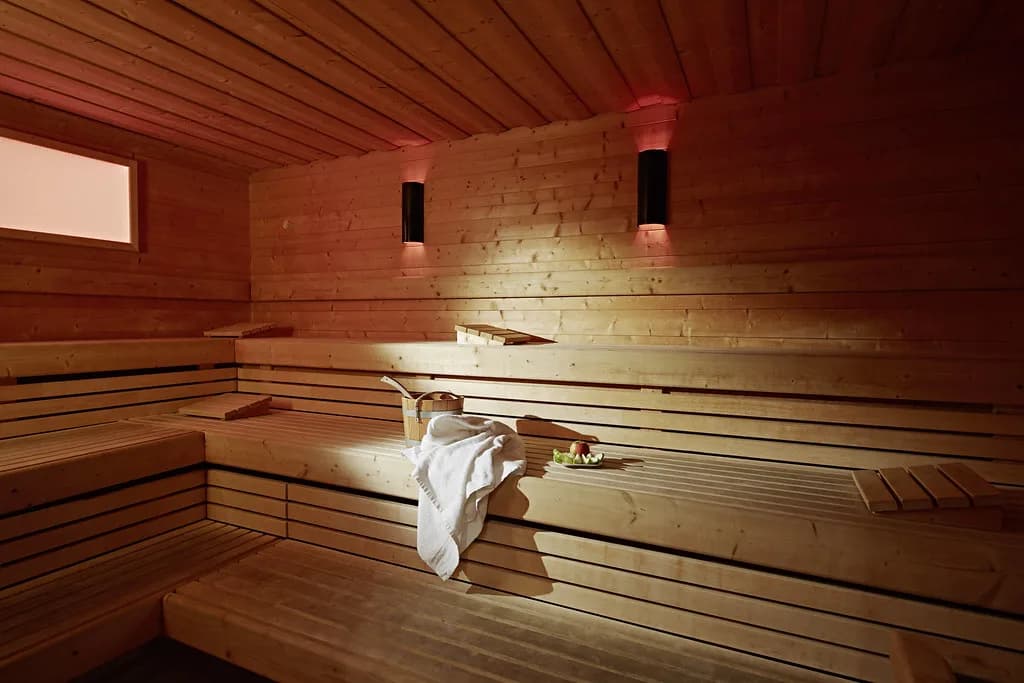
A beginner's first public sauna in Europe goes best when you treat it as a short sequence of rituals rather than a test of endurance: shower, take a seat on your own towel, sit for a short round, cool off, and repeat. The room itself is usually a wood-lined cabin heated by stones, with temperatures commonly between 70°C and 100°C and most regular bathers choosing 80°C to 90°C. The distinguishing feature is Löyly, the burst of steam created by pouring water over the hot stones, which raises humidity as well as the felt heat.
Most of what surprises first-timers is social rather than thermal. The unspoken rules are about bench space, body contact with shared wood, noise, and who controls the water ladle. Getting those right is the whole of sauna etiquette in practice, and it varies by country and by venue type.
Why the Finnish sauna is the reference point
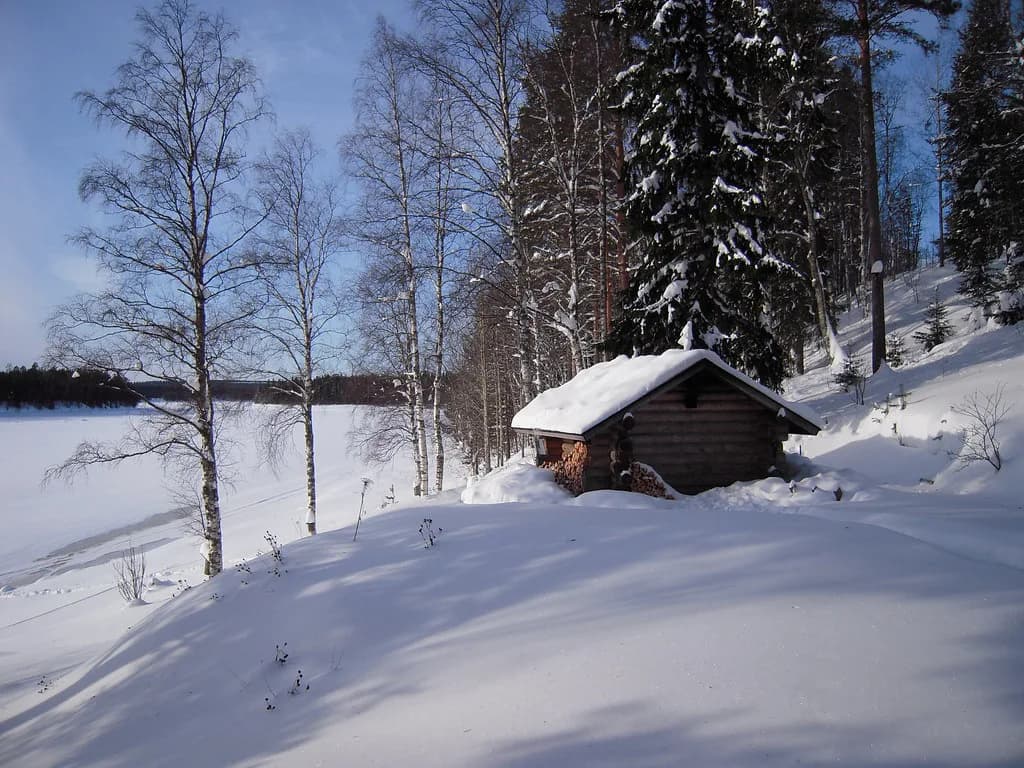
When you read the rules of a public sauna almost anywhere in Europe, the underlying model is almost always the Finnish sauna: a wooden room, a stone heater, and water poured with a ladle to create steam. Finnish sauna culture was inscribed on the UNESCO Representative List of Intangible Cultural Heritage in 2020, and with roughly 3.2 million saunas for 5.5 million people, the country has one sauna for roughly every two inhabitants. That density is why Finnish habits such as the seat towel and short, repeated rounds travel with the rooms themselves.
How long should a beginner stay in a sauna? Five to ten minutes for the first round is a common starting point, with a cool-down and a rest before the next round. Many regulars build up to ten or fifteen minutes per round, but three short rounds are a normal first visit and more enjoyable than one long sit.
What should I do on my first sauna visit? Shower before you enter, sit on your own towel, and start on a lower bench where the heat is milder. Ask before adding water to the stones, keep conversation low, and take a cool shower or plunge between rounds rather than pushing through discomfort.
What is the 200 rule for saunas? It is informal shorthand some bathers use, not an official standard, and usually refers to a combination of temperature and minutes that adds up to 200. Treat it as sauna folklore and follow your own comfort and the venue's posted guidance instead.
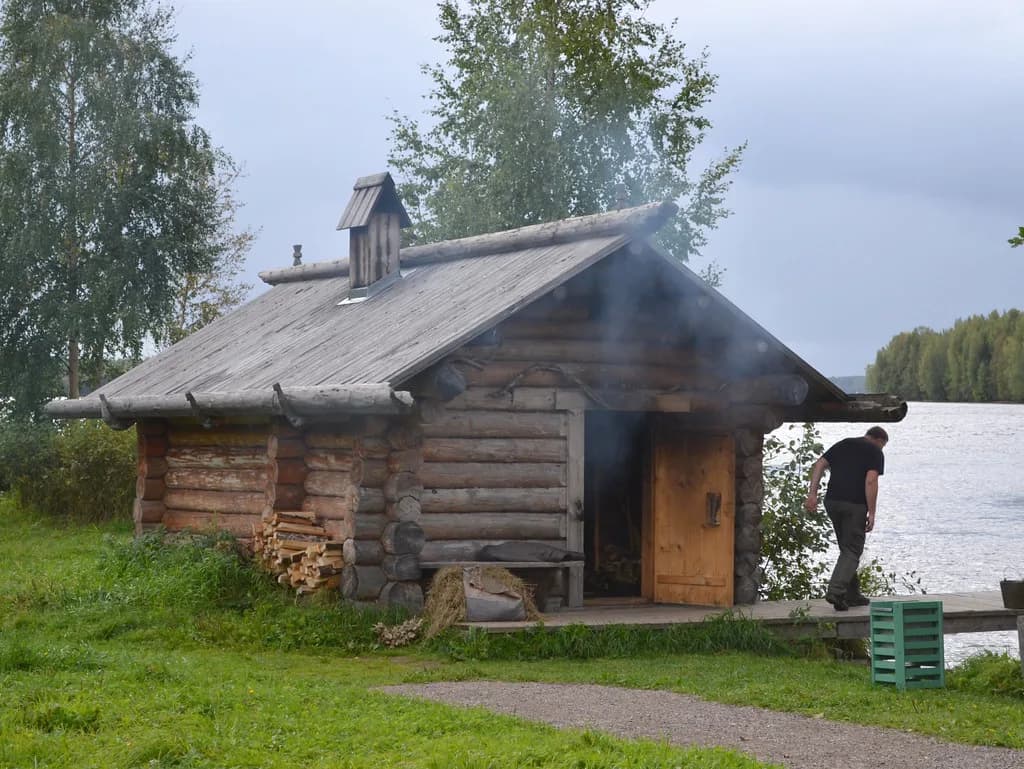
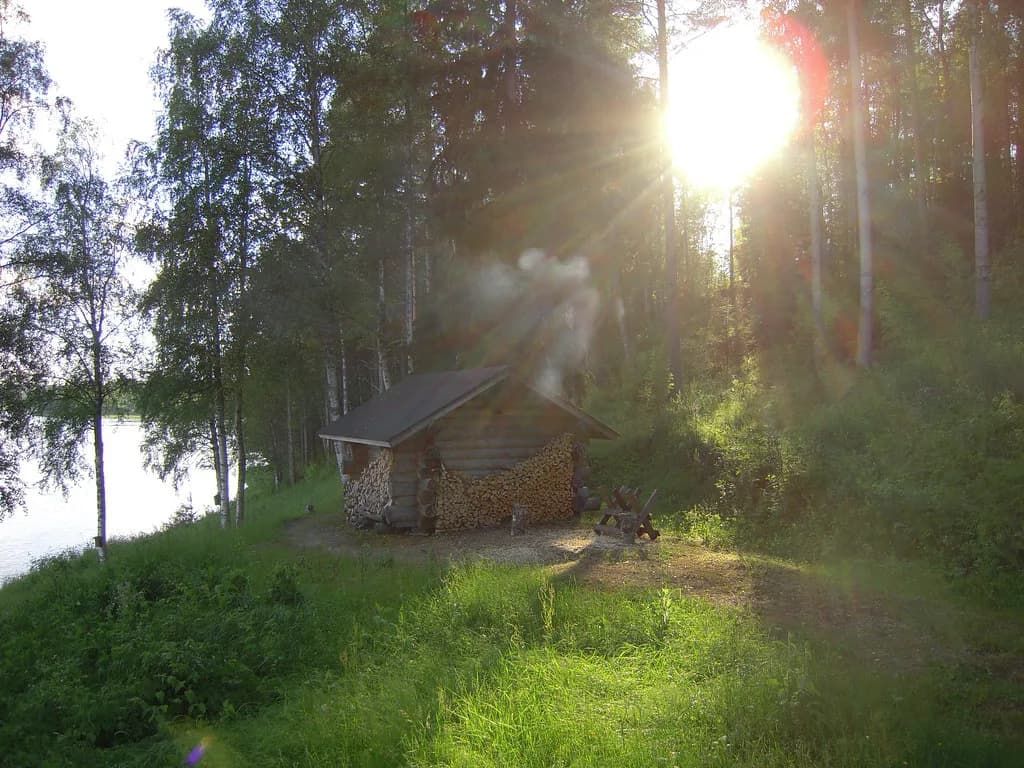
The smoke sauna, or savusauna, is the older relative: a chimney-less room heated for hours by an open fire inside, then ventilated before bathers enter. It gives a softer, smoke-scented heat and is now rare even in Finland, so a beginner is unlikely to meet one by accident in a city. If you do see savusauna on a programme, it usually means a longer booking and a specific session time, not a walk-in.
What to wear: nude, towel or swimwear
The honest answer is that the clothing rule follows the country and the room, not your comfort level. In Finland, bathers usually go nude in single-sex or family settings and sit on a towel; in German mixed saunas, nudity is the norm and a towel is for sitting on, not for wrapping around the body for the whole session. In Sweden, Estonia and Latvia, public city saunas more often work with a towel wrap or swimwear, especially in mixed sessions. Our guide to what to wear in a sauna sets out the venue-by-venue logic when the sign at the door is unclear.
If you do wear something, choose loose cotton rather than synthetic gym kit, which traps heat and feels unpleasant against the skin at sauna temperatures. Remove watches, rings and metal jewellery before you go in; metal heats quickly and can burn. A sauna hat is optional and mostly a way to keep your ears comfortable on a high bench during a long Aufguss.
What to bring: two towels, water, no metal
Pack two towels if you can: one to sit or lie on inside the sauna, which protects the bench and keeps shared wood clean, and one to dry off afterwards. Bring a water bottle for the cool-down periods between rounds, and leave your phone in a locker because heat and humidity damage electronics and photography is usually unwelcome in the room. Many venues rent towels and sell water at reception, but bringing your own removes a small queue at the start of a session. A fuller packing list sits in our guide to what to bring to a sauna.
Showering and the seat towel rule
Shower before you enter the hot room: it rinses off sweat and city grime, and it is the single most appreciated thing a newcomer can do. In almost every public sauna, the rule that matters most is that your bare skin does not touch the shared bench; you sit or lie on your own towel, and you move the towel when you move seats. A quick rinse between rounds and after the session is normal too, and most changing rooms have showers for exactly that.
Mixed or single-sex: how sessions are organised
European public saunas usually signal the arrangement at the entrance or on the weekly schedule. Finnish and Estonian public saunas commonly run separate women's and men's hours alongside mixed sessions; German saunas are often mixed throughout and nudity is expected; Swedish and Latvian city venues lean towards mixed sessions with towel or swimwear. If you are unsure, the safest first step is a single-sex session, where the clothing rule is usually simpler and the atmosphere quieter. Our guide to mixed saunas in Europe explains how to read the schedule boards.
Family hours and women-only slots are common at weekends, and a beginner who arrives mid-aufguss in a mixed room may find the heat and the crowd more intense than expected. The practical move is to look at the board before you pay, choose a session type that matches your comfort, and accept that the changing room will be busier at peak times.

How long a round lasts
Beginners often aim for five to ten minutes in the hot room for the first round, and experienced bathers typically extend to ten or fifteen minutes as they learn their own tolerance. Finnish custom favours several shorter rounds over one long sit, so three rounds with cool-downs between them is a normal first visit rather than an ambitious one. Sit on a lower bench at first: heat rises, and the difference between a low and a high bench can be fifteen degrees or more.
The so-called 200 rule is shorthand some bathers use, not a standard: it generally refers to a combination of temperature and time that adds up to 200, such as 80°C for a certain number of minutes. Treat it as house folklore rather than a prescription, and use your own comfort and the venue's posted guidance instead. If you feel light-headed, leave the room and cool down; the point is to enjoy the next round, not to finish the current one.
Löyly and Aufguss manners
The ladle is shared, so ask before you throw water: a simple question in the room is enough, and regulars will usually nod or shake their heads. Add two to four ladles at a time rather than emptying the bucket, wait for the steam to settle, and sit still while the wave passes so you do not fan it towards someone who is not expecting it. In Germany, the formalised Aufguss is led by a staff member who controls the water, the towel-waving and the timing, and bathers are expected to stay seated and quiet until the round ends.
Arriving late to an Aufguss is one of the small frictions beginners actually hit: the door opens and closes, the heat escapes, and the room may be full. If the sauna is busy, wait for the next round rather than squeezing onto a bench in the middle of the wave. In Estonia and Latvia, the whisk or viht may be used in private or booked sessions, and it is not something a first-timer needs to join.
Heating up and cooling down
The cool-down is part of the session, not an optional extra. In harbour saunas such as Allas Sea Pool in Helsinki, the sea is the plunge; in Swedish cities, the cold water may be a sea pool or a lake; in landlocked cities, it is often a cold shower or a plunge pool inside the building. The cold walk between sauna and water is the part beginners underestimate, especially in winter, so bring flip-flops or sandals and keep your towel within reach.
Start with a cool shower rather than an ice plunge if the cold is new to you, and give yourself at least ten minutes of sitting or lying quietly between rounds before you go back in. Drink water during the breaks rather than alcohol; a beer afterwards is a social habit in some cities, but it is better after the bathing than before it.
Talking, phones and photos
Public saunas are quiet rooms by default, and conversation is usually low and brief. In a German Aufguss, silence is part of the ritual; in a Finnish sauna, a short exchange is fine, but loud talk and phone calls are not. Phones stay in the locker: photography in a changing room or sauna is a serious breach of privacy, and a camera in a room with nude bathers can get you asked to leave.
Etiquette differences across Europe
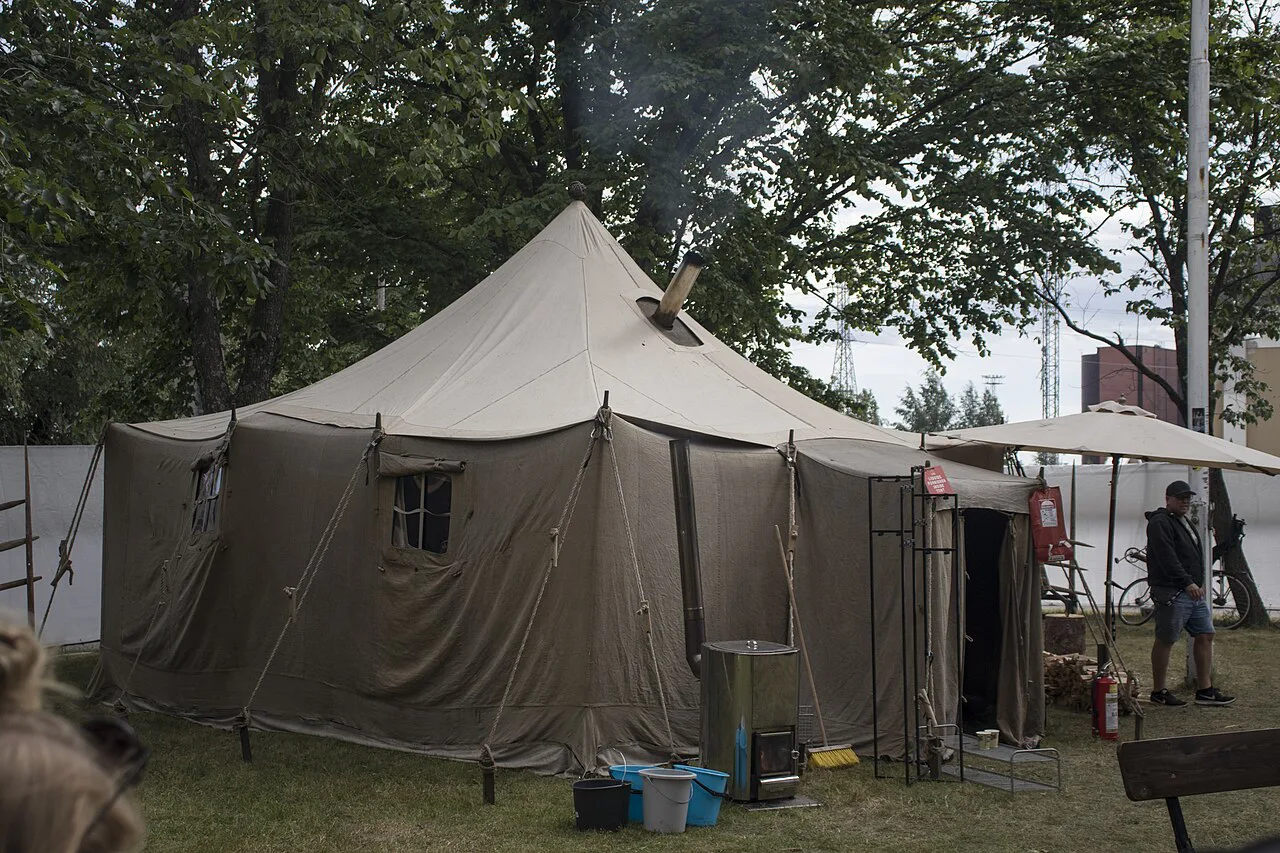
Finland sets the tone with nudity, seat towels and short, repeated rounds, and the savusauna as a special occasion. Germany adds the staff-led Aufguss and mixed nudity as the norm, with a towel for sitting rather than covering. Sweden and Estonia favour mixed sessions with a towel or swimwear in city venues, while Latvia's pirts tradition is more domestic and ritualised, with birch whisks and herbal infusions in private or booked sessions. None of these is a national law; the posted house rules at the door always win.
The common thread is that the room is shared, so your behaviour matters more than your clothing. Keep your voice low, take your towel with you, and leave the bench clean for the next person. That is the whole of the etiquette in practice.
Children, groups and busy city saunas
Children are usually welcome in family sessions and at quieter times, but public mixed saunas in city centres are not the place for a toddler at peak hours. Groups should split up if the room is small, and a group of six arriving at a ten-person sauna will change the atmosphere for everyone already inside. If you are organising a first visit for friends, book a single-sex or early slot and agree on a meeting point for the cool-down.
A simple first-session plan
Aim for three rounds: five to ten minutes in the heat, a cool shower or plunge, and ten minutes of rest, repeated twice more. Between rounds, drink water and sit somewhere cool rather than standing in the changing room. After the third round, shower, dry off, and eat something light rather than a heavy meal; many saunas have a café or a nearby bakery, and that is part of the visit for locals too.
If you have a heart condition, are pregnant, or feel unwell, ask a doctor before bathing; otherwise keep the sessions short, skip alcohol beforehand, and leave the room if you feel dizzy. That is the whole safety brief, and it applies to every venue on this page.
Plan Your Visit
A first public sauna is easier than most beginners expect: shower, sit on your towel, keep the round short, ask before throwing water, and cool down properly between rounds. Pick a session type that matches your comfort, arrive early enough to read the house rules, and treat the quiet as part of the experience rather than an awkward silence.
Once you know how a round feels, the rest of the sauna map opens up: harbour saunas, wood-fired cabins and city swimming halls all follow the same basic rhythm. The venue's own site is the place to confirm session times and any booking requirement before you travel.
Frequently Asked Questions
How long should a beginner stay in a sauna?
Five to ten minutes for the first round is a common starting point, with a cool-down and a rest before the next round. Many regulars build up to ten or fifteen minutes per round, but three short rounds are a normal first visit and more enjoyable than one long sit.
What should I do on my first sauna visit?
Shower before you enter, sit on your own towel, and start on a lower bench where the heat is milder. Ask before adding water to the stones, keep conversation low, and take a cool shower or plunge between rounds rather than pushing through discomfort.
What is the 200 rule for saunas?
It is informal shorthand some bathers use, not an official standard, and usually refers to a combination of temperature and minutes that adds up to 200. Treat it as sauna folklore and follow your own comfort and the venue's posted guidance instead.
Should I wear a swimsuit in a European public sauna?
It depends on the country and the room. Finnish and German saunas usually expect nudity with a seat towel, while Swedish, Estonian and Latvian city venues often accept a towel wrap or swimwear in mixed sessions. The house rules at the door are the final word.
Do you shower before or after a sauna?
Both is normal. A quick rinse before you enter keeps the bench clean and helps you settle into the heat, and a cool shower after the session rinses off sweat and marks the end of the visit.
What happens after 20 minutes in a sauna?
Twenty minutes is longer than most beginners need in one round. Finnish custom favours several shorter rounds with cool-downs between them, so if you have been in that long, come out, cool down, drink water, and decide whether a second shorter round feels right.
Sources
Sauna notes for your next trip
Optional updates to our sauna guides.
You might also like

Continue reading
More guides you'll find useful