Sauna Culture in Europe: Traditions and Etiquette Guide
Sauna culture across Europe explained: how Finnish, Russian, Latvian and German bathing traditions work, what to bring and where to try them.
On this page
Sauna culture in Europe is one basic loop repeated under different names: heat up in a hot room, cool down hard in cold water or air, rest, then go back in. What changes from Finland to Germany to Latvia to Russia is the vocabulary, the seating etiquette, whether you keep your swimwear on and how much theatre surrounds the steam.
The Finnish version is the reference point most other European traditions are measured against, and with roughly 3.2 million saunas for a population of about 5.5 million it is woven into ordinary weekly life rather than reserved for special occasions. Understanding that baseline makes every other room easier to read.
What sauna culture means in Europe
Across the continent, the constants are heat, steam, cold water and quiet. Nobody talks much in a hot room, the cold plunge or lake dip is treated as part of the round rather than an optional dare, and the whole session is structured in repeats rather than one long sit.
What are the traditions surrounding saunas in Finland? Finns bathe weekly in a hot room heated to roughly 70 to 100°C, pouring two to four ladles of water on the stones for Löyly, then cooling off in a lake, shower or snow. Public saunas are usually single-sex and nude, family saunas are mixed, and the room is kept quiet and calm.
Do you have to be naked in a Finnish sauna? In traditional Finnish saunas, yes, especially in single-sex public rooms and private family saunas. Swimwear or a towel is acceptable in many public venues, and each sauna posts its own rules at the entrance.
What is Löyly and how much water do you throw? Löyly is the steam produced when water hits the hot stones of the kiuas. The usual dose is two to four ladles at a time, and in a shared room you ask first, because the steam raises the heat sharply for everyone on the benches.
Temperature is a matter of custom rather than a rule, though a Finnish sauna typically runs between 70 and 100°C, which is far hotter than most first-timers expect from a spa. Sit low at first: heat rises, and the lower benches are where you acclimatise.
The differences that catch travellers out are social. Some countries treat a public sauna as a silent room; others run staged steam rituals with music, towels and an audience. Some are strictly single-sex; others are mixed and expect swimwear. Read the signage at the entrance before you undress, because the room will assume you already have.
The Finnish sauna as the European reference point
In Finland the sauna is a weekly fixture, and depending on the survey between 60 and 90 percent of Finns bathe at least once a week. It was historically the first building raised on a new homestead, and until the 1950s it served as the clean space for births and for washing the dead.
Finnish sauna culture joined the UNESCO Intangible Cultural Heritage list in 2020, which formalised what bathers already knew: this is a social institution, not a leisure product. The room is treated as a calm, almost sacred space where arguments and loud phones are out of place.
For a full run-through of the Finnish room, from kiuas to cooling off, the Finnish sauna guide covers the ritual end to end. If you only learn one tradition before a European sauna trip, learn this one.
Löyly: water on the stones and the ask-first rule
Löyly is the steam released when water hits the heated stones of the kiuas, and it is the moment that defines a Finnish session. The customary dose is two to four ladles at a time, poured slowly, after which the room sits in silence and lets the heat settle.
Shared etiquette matters more than volume here. Ask the room before adding steam, because Löyly raises the perceived heat sharply for everyone on the benches, including people sitting higher up who feel it first.
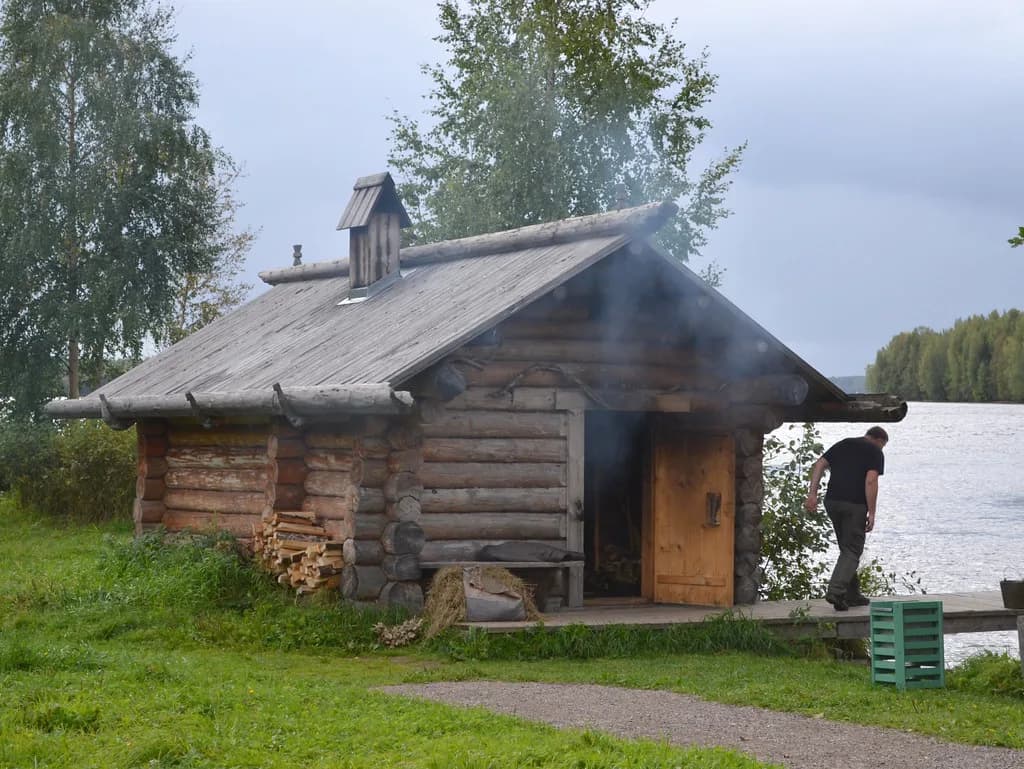
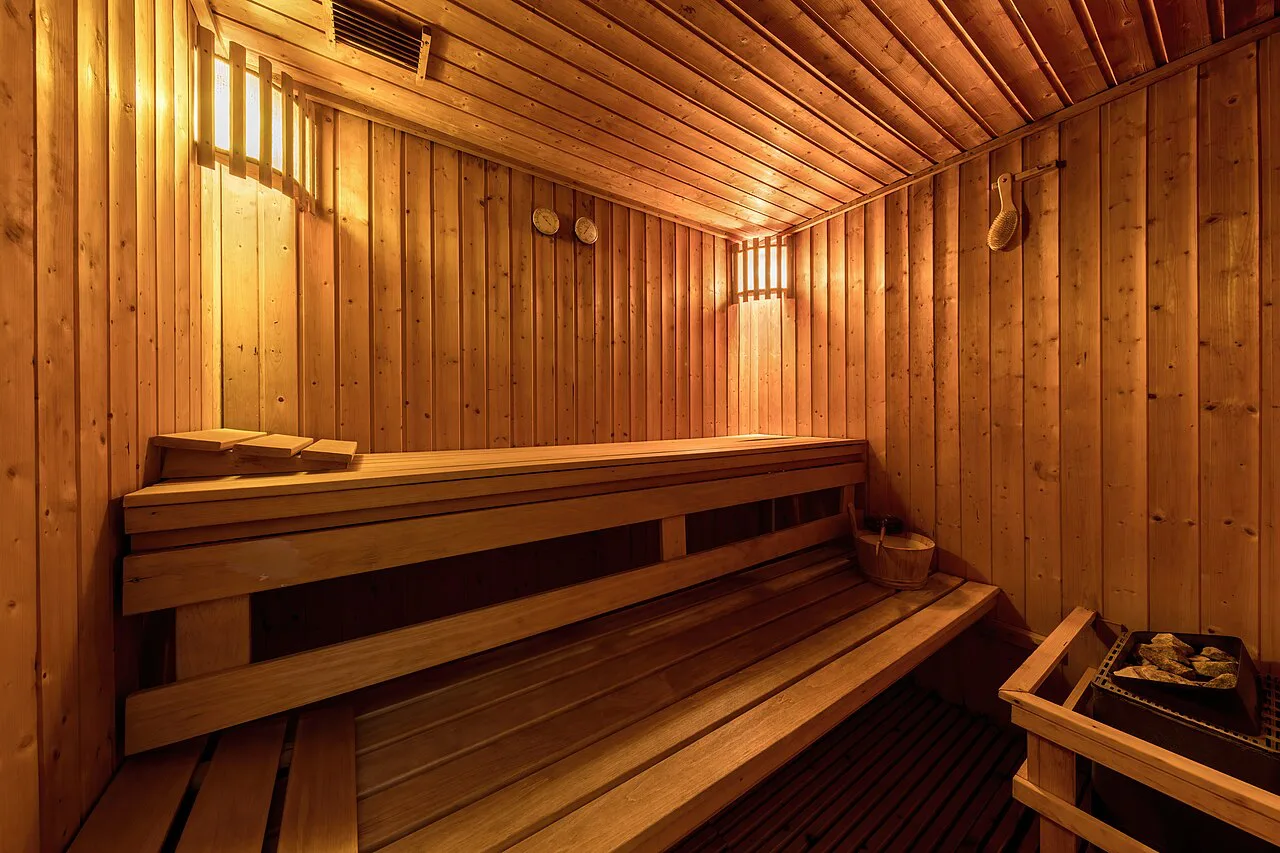
Electric and wood-fired stoves both work the same way, but the wood-fired version needs time to come to temperature and rewards patience with a rounder, softer heat. Smoke saunas, which have no chimney, add the aroma of the wood itself and are the slowest and most ceremonial version of the form.
A session step by step
Shower first, always, and dry off before entering. Carry a towel to sit on, since even in venues that provide seat covers the bench is shared and the towel is basic hygiene rather than a courtesy.
Start on the lower benches and stay five to fifteen minutes for the first round, which is the usual Finnish habit rather than a rule written anywhere. When the heat gets too much, leave: cooling off outdoors, under a cold shower or in a lake is part of the structure, not a failure of stamina.
Rest properly between rounds, drink water, and go back in when you feel ready. Three to five rounds is a normal session; there is no clock to beat, and bathers who push past discomfort spoil the room for themselves rather than proving anything.
Finish with a cool shower or a swim, then sit somewhere warm until your body settles. Skipping that last rest is the most common reason people leave a public sauna feeling wrung out rather than refreshed.
Nude or swimwear: how the room decides
Finnish public saunas are usually gender-separated and nude, while family and private saunas are mixed and also typically nude. Swimwear or a towel is acceptable where a venue allows it, and public saunas post their own rules at the entrance.
In Germany and the Baltic states, mixed public saunas usually require nudity and treat swimwear as the odd choice, especially during Aufguss or saunagus ceremonies where textile bathers are sometimes asked to leave the room.
The practical answer is to match the room you have booked. A single-sex neighbourhood sauna, a harbour sauna and a hotel spa follow different conventions, so the deciding factor is the venue's own posted rule rather than a national stereotype.
The cold-water side of the round
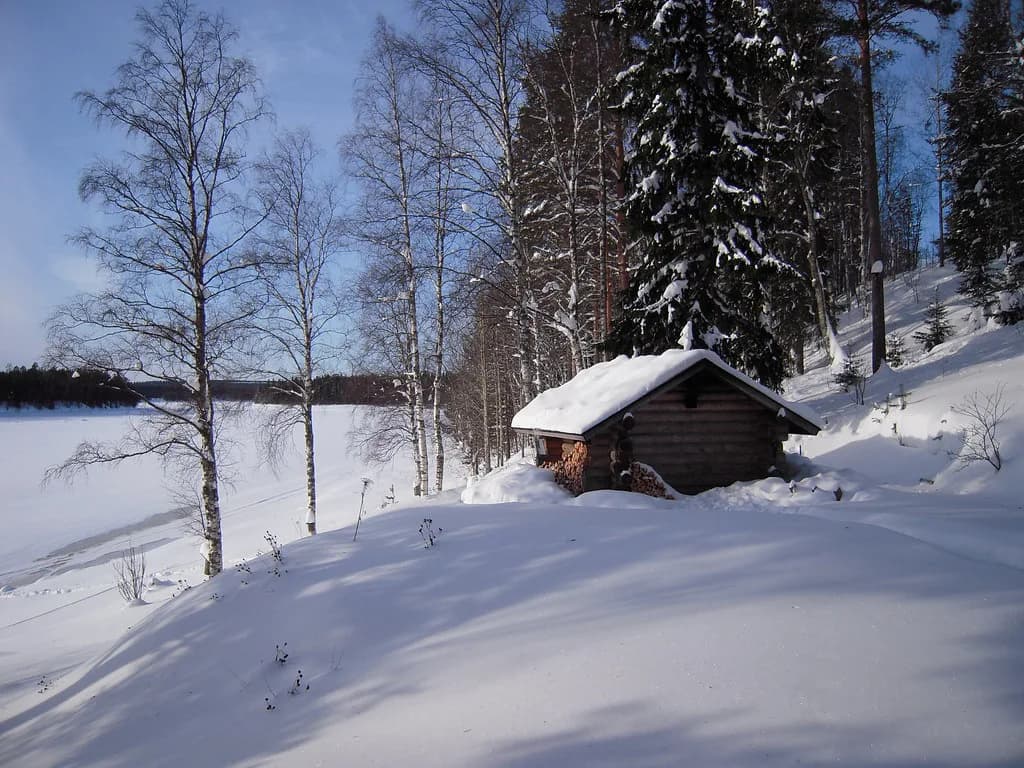
Cold water is the other half of the ritual: a lake, the sea, a river, an ice hole in winter or a plunge pool indoors. The dip lasts seconds to a few minutes, and the point is the reset between hot rounds rather than endurance.
Outdoor dips in northern Europe are often across an unheated yard, so plan the walk. Sandals or flip-flops, a towel within reach and a robe for winter make the difference between a bracing round and a miserable one.
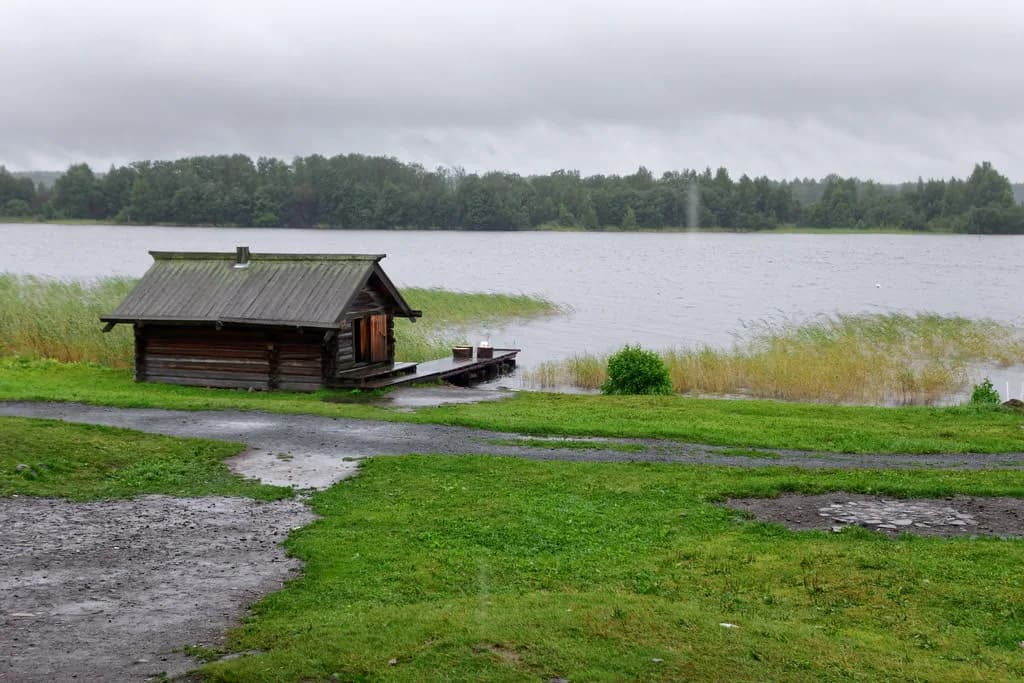
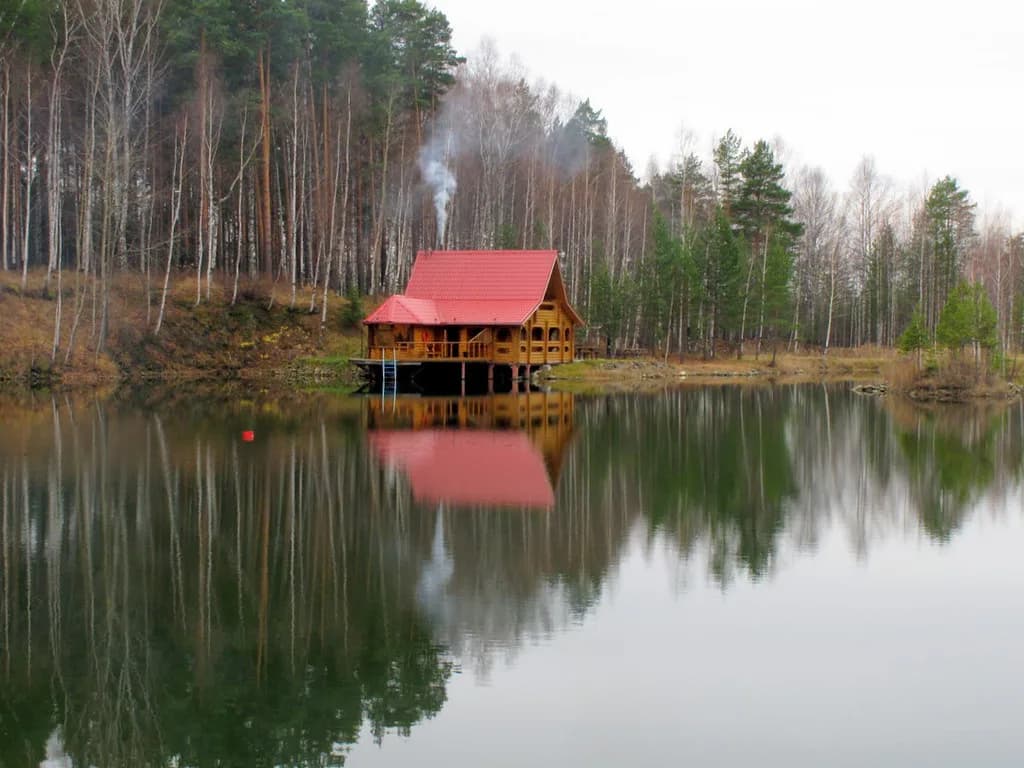
Cities with water in them treat this as infrastructure rather than adventure, and floating saunas in Europe put the hot room directly on the harbour or fjord so the cold step is a ladder rather than a hike.
The vocabulary you will meet
Kiuas is the stove and its stones; Löyly is the steam. Savusauna is a smoke sauna, heated for hours without a chimney and carrying the smell of the fire in the wood.
Aufguss, in Germany, is a staged steam ritual in which a member of staff waves a towel to distribute heat and scent around a mixed room; saunagus is the Baltic equivalent, common in Estonia and Latvia.
Pirts is the Latvian bathhouse tradition and banya the Russian one, and both lean on birch whisks, higher humidity and a rhythm built around repeated short, intense rounds. The Russian banya guide sets out how that room works in practice.
The smoky north: savusauna in Finland
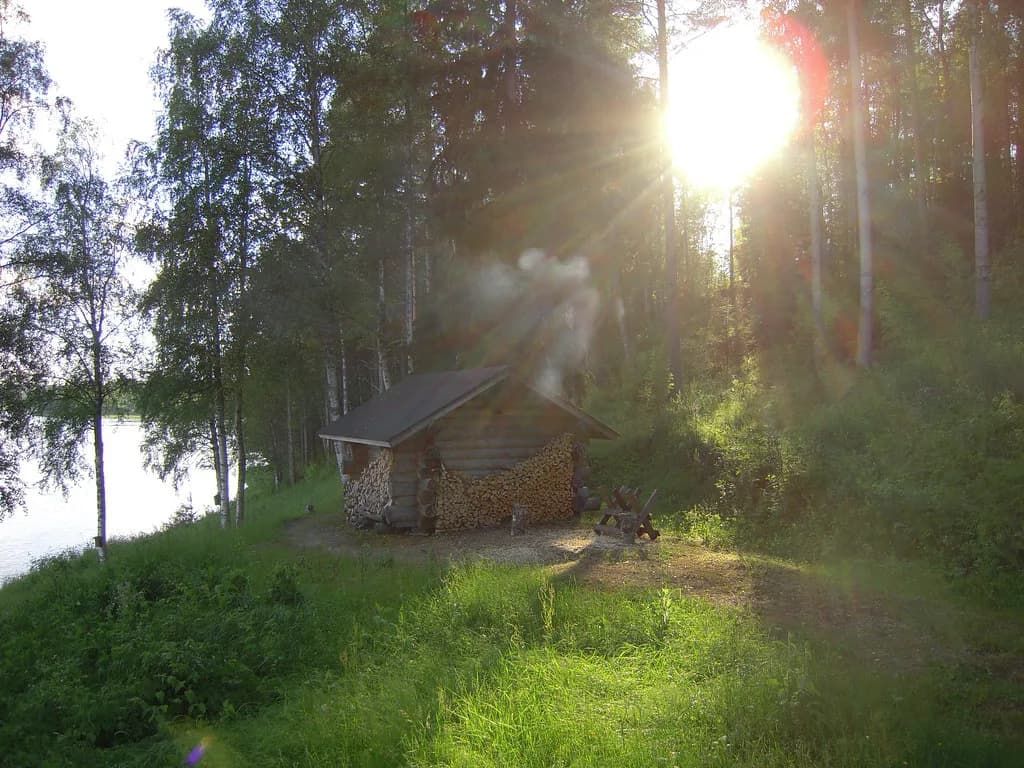
Smoke saunas are heated by a wood fire with no chimney, the smoke is let out before bathers enter, and the result is a softer, woodier heat than an electric room. They take hours to prepare, which is why they are usually an occasion rather than a daily habit.
The smoke sauna at Kuusijärvi in Vantaa, north of Helsinki, is one of the best-known public examples and pairs the hot room with a lake for cooling off. It is an outdoor recreation area rather than a city-centre venue, so the trip needs a half-day.
Aufguss and saunagus in Germany and the Baltic
Aufguss turns the steam into a performance: staff pour water and essential oils onto the stones, then circulate the air with a towel in sweeping strokes while the room sits or lies on benches. Sessions run to a schedule, and bathers arrive early to get a place.
The Baltic version, saunagus, follows a similar pattern in Estonia and Latvia, often with a smaller audience and more room for the whisk. In both formats the audience is mixed, nudity is normal and swimwear can be refused during the ceremony itself.
First-timers should sit on a lower or middle bench, keep their eyes protected from the oil-laden air and leave if the heat overwhelms them. The front rows are for regulars who know how to pace themselves.
The Latvian pirts and the Russian banya
Pirts is the Latvian version of the bathhouse, built around a hot wooden room, birch or oak whisks and a rhythm of short intense rounds followed by cooling and tea. The whisk is used to draw heat across the skin, and it is usually the bather's own.
Public saunas worth planning a trip around
Tampere calls itself the world's sauna capital, a claim it made in 2018, and backs it with close to 70 public saunas in the region. The city also holds Rajaportti, Finland's oldest continuously operating public sauna, which is enough of a reason to build a day around it.
Helsinki is the easier entry point, and its public saunas range from the harbour-side Allas Sea Pool to neighbourhood institutions that have been running for decades. Both are covered in our Helsinki sauna guide, which sorts them by atmosphere rather than price.
Beyond Finland, Scandinavia runs its own variants: cold-water bathing houses on the coast, wood-fired rooms in the woods and floating platforms in city harbours. The broader picture of how those rooms operate is set out in our overview of Scandinavian sauna traditions.
Etiquette mistakes visitors make
Loud conversation, phone use and arguing are the three things the room will not forgive. The sauna is a quiet shared space, and a group that treats it as a bar ruins it for everyone else.
Skipping the towel on the bench, hogging the top bench for long stretches and pouring water without asking all mark you as a first-timer. Alcohol before bathing is the one that actually matters, and most venues will turn you away.
Come clean, bring your own towel where seat covers are not provided, and take your water bottle in with you. Small preparations make the session feel like routine rather than a test.
What to bring and what to leave behind
Pack a towel for the bench, a second for drying, flip-flops for wet floors and a water bottle. Bring swimwear where the venue requires it, and a robe if the cold plunge is outdoors in winter.
Leave the phone in the locker, leave the alcohol at home and leave anything you would not want steamed. A felt banya hat is worth packing if you plan on Russian-style rooms with serious heat.
Booking, walk-ins and timing
Public saunas fall into two groups: those that take walk-ins until capacity, and those that sell timed sessions which can sell out on evenings and weekends. Neighbourhood saunas in Finland tend to be the first kind; city-centre and harbour venues lean toward the second.
Where a session is timed it usually runs about 90 minutes with three to five rounds inside it, which is enough for a proper visit. Book ahead for Friday and Saturday evenings, and expect changing rooms to be tight at peak times.
Signage, towels and rules are posted at the entrance and on the venue's own site, so a quick read before you travel saves awkwardness at the desk.
A safety line that covers the basics
Drink water before and after bathing, skip alcohol beforehand, and leave the room if you feel dizzy or unwell. Anyone with a heart condition or who is pregnant should ask a doctor before using a hot sauna or cold plunge.
Plan Your Sauna Trip
Start with the Finnish room, because it is the template every other European tradition is read against, then choose the variation that suits your temperament: smoke sauna for slow ceremony, Aufguss for theatre, pirts or banya for whisk work and high humidity.
Build the trip around one strong venue rather than a list, allow time for the cold-water round, and pack a towel and sandals. The culture is in the details: sitting low, asking before the steam, cooling off properly.
Explore more Europe sauna guides
Frequently Asked Questions
What are the traditions surrounding saunas in Finland?
Finns bathe weekly in a hot room heated to roughly 70 to 100°C, pouring two to four ladles of water on the stones for Löyly, then cooling off in a lake, shower or snow. Public saunas are usually single-sex and nude, family saunas are mixed, and the room is kept quiet and calm.
Do you have to be naked in a Finnish sauna?
In traditional Finnish saunas, yes, especially in single-sex public rooms and private family saunas. Swimwear or a towel is acceptable in many public venues, and each sauna posts its own rules at the entrance.
What is Löyly and how much water do you throw?
Löyly is the steam produced when water hits the hot stones of the kiuas. The usual dose is two to four ladles at a time, and in a shared room you ask first, because the steam raises the heat sharply for everyone on the benches.
Are Finnish public saunas mixed or single-sex?
Public saunas are usually gender-separated, while family and private saunas are mixed. Mixed public facilities exist and typically ask for swimwear or a towel rather than nudity.
What is the difference between Aufguss, saunagus and a Russian banya?
Aufguss is a scheduled German steam ritual with towel-waving and scent; saunagus is the Baltic equivalent in Estonia and Latvia. A Russian banya is a higher-humidity room built around birch or oak whisks and repeated short intense rounds.
How many saunas are there in Finland?
There are roughly 3.2 million saunas in Finland, against a population of about 5.5 million, which is why sauna culture is a weekly routine rather than an occasional outing.
What should a first-timer bring to a public sauna?
A towel for the bench and one for drying, flip-flops, a water bottle and swimwear if the venue requires it. Leave the phone in the locker and skip alcohol before bathing.
Sources
Sauna notes for your next trip
Optional updates to our sauna guides.
You might also like
Continue reading
More guides you'll find useful