
Saunas in Riga: Latvian Pirts Rituals and River Saunas
Saunas in Riga range from four-hour Latvian pirts rituals with a sauna master to a floating sauna on the Daugava. Here is how each one works and what to expect.
On this page
Saunas in Riga are built around the pirts, the Latvian bathing tradition, and the most complete way to meet it is a guided ritual with a sauna master rather than a quick sit in a hot room. The city's signature experience runs about four hours, starting near 35–40°C and climbing to roughly 80°C, with herbs and whisks doing as much work as the heat.
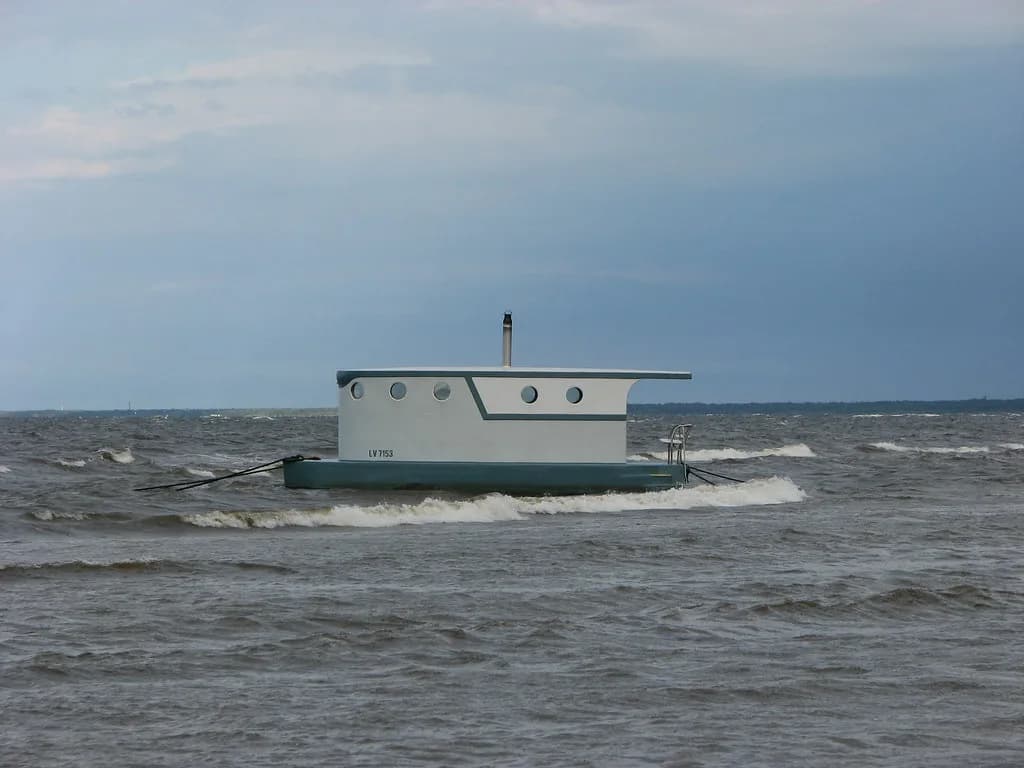
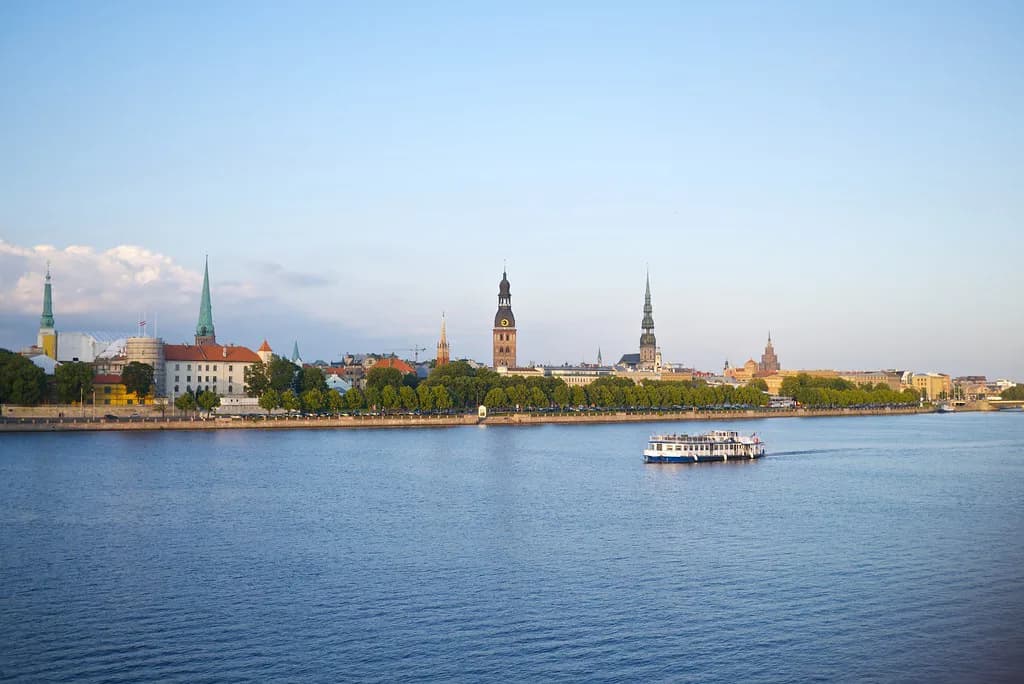
For travellers who want the river instead of a ritual schedule, a floating sauna on the Daugava offers a shorter, self-paced session with the skyline as the view. Locals treat the tradition as a point of pride, drawing on ancestral knowledge and nature, which is why a pirts session in Riga feels closer to a hosted ceremony than to a drop-in swimming hall.
What a sauna in Riga actually means
A pirts is a wood-lined bathhouse where a sauna master, the person who runs the heat and the treatments, leads the session. Expect herbal infusions, birch or herb whisks used to fan and stroke the skin, and a rhythm of heat, cooling and rest rather than one long bake. Riga sits in the Baltic bathing belt, so the ritual shares grammar with the Finnish sauna and the Russian banya without being either.
The temperature climb is deliberate: the ritual begins around 35–40°C and rises gradually to about 80°C, which lets you acclimatise instead of walking straight into peak heat. The sauna master adjusts herbs and treatments to the group, so allergies and preferences are part of the briefing, not an afterthought.
Because the pirts is hosted, it is a booking decision rather than a walk-in one. You choose a session, note whether you want a male or female sauna master, and flag any allergies when you reserve, which shapes how the four hours unfold.
The best saunas in Riga: the short answer
First-timers who want to understand what all the fuss is about should book the full Latvian Sauna Ritual: four hours, a sauna master, herbs and a proper cooling rhythm. It is the deepest introduction to the pirts and the one session worth planning a day around.
Travellers short on time, or groups who want something social and scenic, should take the floating sauna on the Daugava, where the river and the city skyline replace the herbal ceremony. Pair either option with a walk through Riga Central Market, which locals recommend as the first stop after arriving and which sets up the food side of a bathing day.
Tradition-seekers who already know the Finnish sauna should go straight for the guided ritual, since the two traditions share a love of heat and cold water but differ in ceremony. Anyone wanting a shorter, self-directed sweat should choose the river instead.
Latvian Sauna Ritual: four hours with a sauna master
The ritual lasts approximately four hours, which is long enough for several rounds of heat, herbal treatment and cooling rather than a single stint. The sauna master leads the sequence, so you follow rather than manage the thermostat yourself.
Heat builds from around 35–40°C up to 80°C, and the herbal whisks are central: the master uses them to work the skin and, during the ritual, to cover intimate areas so nude bathers keep their privacy. You can request a male or female sauna master when booking, which many groups treat as a deciding factor.
Come prepared to discuss allergies or health conditions at the booking stage so the master can select appropriate herbs and treatments for the session. Rubber slippers are the one item worth bringing; the rest is provided by the setting itself.
Sauna on the Daugava: the floating river sauna
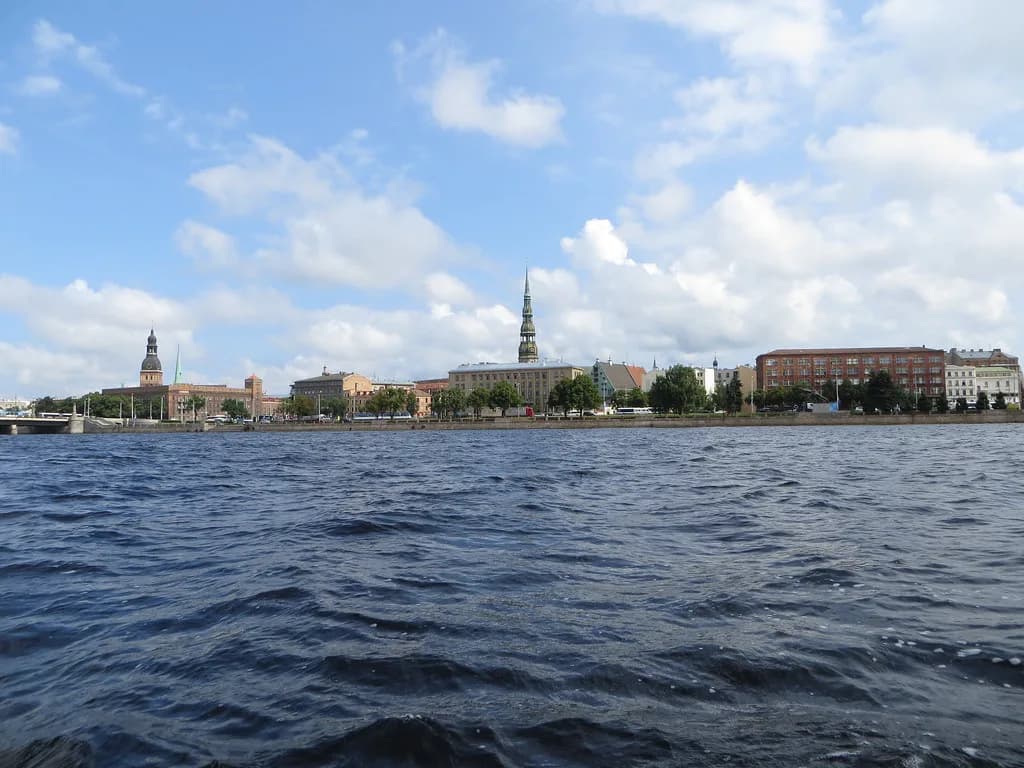
The floating sauna on the Daugava puts the heat on the water, with the river and the city as the view and an eco-friendly build behind the concept. It is the option for travellers who want the sweat without a four-hour hosted ceremony.
A floating sauna naturally pairs heat with a plunge into the river, and that cold-water moment is the point of choosing a river sauna over an indoor room. If you want the wider picture of Riga's water-based options, see our guide to floating saunas in Riga.
Sessions here are booked rather than walked into, and they suit couples, small groups and anyone marking an occasion. Allow time before and after for the walk along the riverbank, which is part of the appeal.
What a pirts ritual costs and how booking works
The Latvian Sauna Ritual asks for a €50 deposit to confirm a reservation, with the balance paid in cash after the session. That deposit is refunded if you cancel at least two weeks before your booking; later cancellations forfeit it.
Because the balance is settled in cash on the day, plan a withdrawal before you arrive rather than expecting a card will work. Gift cards from Latvian Sauna Ritual are valid for six months and are non-refundable, so buy one only for a date you can commit to.
For the floating sauna on the Daugava, the booking runs through the operator's own listing, where the current rate is shown for your chosen date. Treat the price as seasonal and check it as part of booking rather than budgeting a fixed figure.
What to bring, what to wear and the nudity rules
Nudity is optional at the Latvian Sauna Ritual: you may wear a swimsuit or go without, and the tradition leans towards no clothing. If you keep a swimsuit on, choose a two-piece for women and short trunks for men so herbal treatments and bodywork can reach the skin.
This differs from the Finnish sauna, where nudity under a seat cover is the norm and swimwear is usually confined to mixed public sessions or pool areas. Knowing which register you are walking into makes the first round far less awkward.
Bring rubber slippers for the wet floors and nothing else elaborate; towels and treatment materials belong to the ritual setup. A dry change of clothes for afterwards is worth the small bag, especially in winter.
How a session works step by step
A pirts session opens in moderate heat near 35–40°C, giving you time to settle before the temperature climbs towards 80°C. The master then works in rounds, alternating herbal whisks, infusions and short rests outside the hot room.
Cooling is not an afterthought: step out, cool down, drink water and go back in when you are ready. The four-hour format allows several of these cycles, which is why it feels different from a twenty-minute dash into a city sauna.
At a floating sauna on the Daugava the sequence is simpler: heat, then the river, then heat again at your own pace. Bring the same discipline about hydration and rest, and the river does the rest.
Choosing between a ritual, a floating sauna and a shorter session
Choose the guided ritual if you have half a day, want the full pirts ceremony and are comfortable with a sauna master directing the heat and the treatments. Choose the floating sauna if you want scenery, a shorter commitment and a cold plunge straight into the Daugava.
Groups should book the ritual with a sauna master gender preference in mind and settle the cash balance among themselves in advance. Couples and solo travellers often find the floating sauna easier to slot into a short city break.
A dedicated pirts house in the city, such as Pirts Nr.1 in Riga, suits anyone who wants the tradition without the river setting.
A comparison of Riga's sauna options
The Latvian Sauna Ritual: indoor pirts, roughly four hours, booked in advance with a deposit, nudity optional, heat rising from 35–40°C to 80°C, cooling between rounds and a cash balance payable afterwards.
The floating sauna on the Daugava: on the river, shorter and self-paced, booked through GetYourGuide, with the Daugava itself as the cold-water option and the city skyline as the view. Check current prices when you book.
A city pirts house: a fixed venue you can reach on foot or by public transport, best for travellers who want the tradition without a river trip. Riga's centre is compact and its buses, trams and trolleybuses cover the rest quickly.
Riga sauna etiquette in brief
Arrive clean, bring slippers, and follow the sauna master's lead on when to enter, leave and cool down. Say yes to water between rounds and no to alcohol beforehand; that is the whole etiquette in two lines.
Ask about herbs and allergies at the booking stage rather than in the hot room, and state a preference for a male or female master if that affects your comfort. Latvians treat the pirts as a social and cultural occasion, so conversation and unhurried rest are part of the format.
For the deeper background on whisks, herbs and the role of the master, read our guide to the Latvian pirts.
When to go: seasons and the case for winter
Winter is when a hot room earns its keep, and locals lean into the cold rather than hiding from it, with winter swimming and ice skating among the seasonal habits. A pirts session in December or January feels like the natural end to a day outdoors.
Spring brings terraces and birch sap, and the mood in the city lifts noticeably from late April and May, which makes a sauna visit a good rainy-day or evening plan. Autumn is the other strong season, with cool air that makes the cooling rounds pleasant rather than bracing.
Summer solstice, Jāņi, and the September equinox, Miķeļi, bring folklore, music and markets to Dome Square, so a sauna booking around those dates needs to fit a fuller calendar. Book the ritual early if your trip coincides.
Getting around to Riga's sauna venues
Riga's centre is compact and best covered on foot, with buses, trams and trolleybuses filling the gaps to further venues. Traffic jams exist at rush hour but are mild by big-city standards, so a sauna booking rarely needs a long buffer.
For a day beyond the city, the train from Riga Central Station reaches Jaunogre for the Zilie Kalni nature park and its swimming reservoir, a reminder that the Latvian bathing habit extends well past the sauna door.
If you are extending the trip into the countryside, Gauja National Park is the obvious add-on for walkers and foragers.
Plan Your Riga Sauna Visit
Book the four-hour Latvian Sauna Ritual if you want the full pirts ceremony, and confirm the deposit and the cash balance before you travel. Take the floating sauna on the Daugava if you would rather have the river, the skyline and a shorter session at your own pace.
Whichever you choose, pack slippers, keep a swimsuit option open, drink water and leave alcohol for after the heat. Stay hydrated, skip alcohol before bathing, leave the hot room if you feel unwell, and ask a doctor first if you have a heart condition or are pregnant.
Explore more Riga sauna guides
Frequently Asked Questions
What is a Latvian sauna ritual like?
It is a hosted pirts session led by a sauna master, with herbal infusions, whisking and a rhythm of heat, cooling and rest. The Latvian Sauna Ritual runs for about four hours and rises from around 35–40°C to 80°C.
How long does a pirts session last in Riga?
The Latvian Sauna Ritual lasts approximately four hours, which allows several rounds of heat and cooling rather than a single stint. Shorter sessions are available at the floating sauna on the Daugava.
Do you have to be naked in a Latvian sauna?
No. At the Latvian Sauna Ritual you may wear a swimsuit or go without, and the tradition leans towards no clothing. If you keep a swimsuit on, a two-piece for women and short trunks for men work best.
What temperature is a Latvian sauna ritual?
It begins at around 35–40°C and climbs gradually to about 80°C. The gradual rise lets you acclimatise before the hottest rounds.
Is there a floating sauna in Riga?
Yes, a floating sauna operates on the Daugava with the city skyline as the view. It offers a shorter, self-paced session than a full pirts ritual.
How do you pay for a sauna ritual in Riga?
The Latvian Sauna Ritual confirms bookings with a deposit and takes the balance in cash after the session, so withdraw before you arrive. Its own booking page sets out the deposit, the cancellation terms and the current amounts.
What is the difference between a Finnish sauna and a Latvian pirts?
Both pair heat with cold water, but the pirts is a hosted ceremony with a sauna master, herbs and whisks over several hours. A Finnish sauna is typically self-directed, with bathers managing their own rounds and cooling.
When is the best time to visit a sauna in Riga?
Winter suits the contrast of hot room and cold air, and locals swim outdoors through the season. Spring and autumn are milder alternatives, while Jāņi in June and Miķeļi in September fill the city calendar.
Sources
Sauna notes for your next trip
Optional updates to our sauna guides.
You might also like
Continue reading
More guides you'll find useful