
Saunas in Latvia: The Pirts Tradition and Where to Bathe
Latvia's sauna is the pirts: a wet, birch-whisk ritual with a cold dip after each round. Here is how a session works and what to expect in Riga and beyond.
On this page
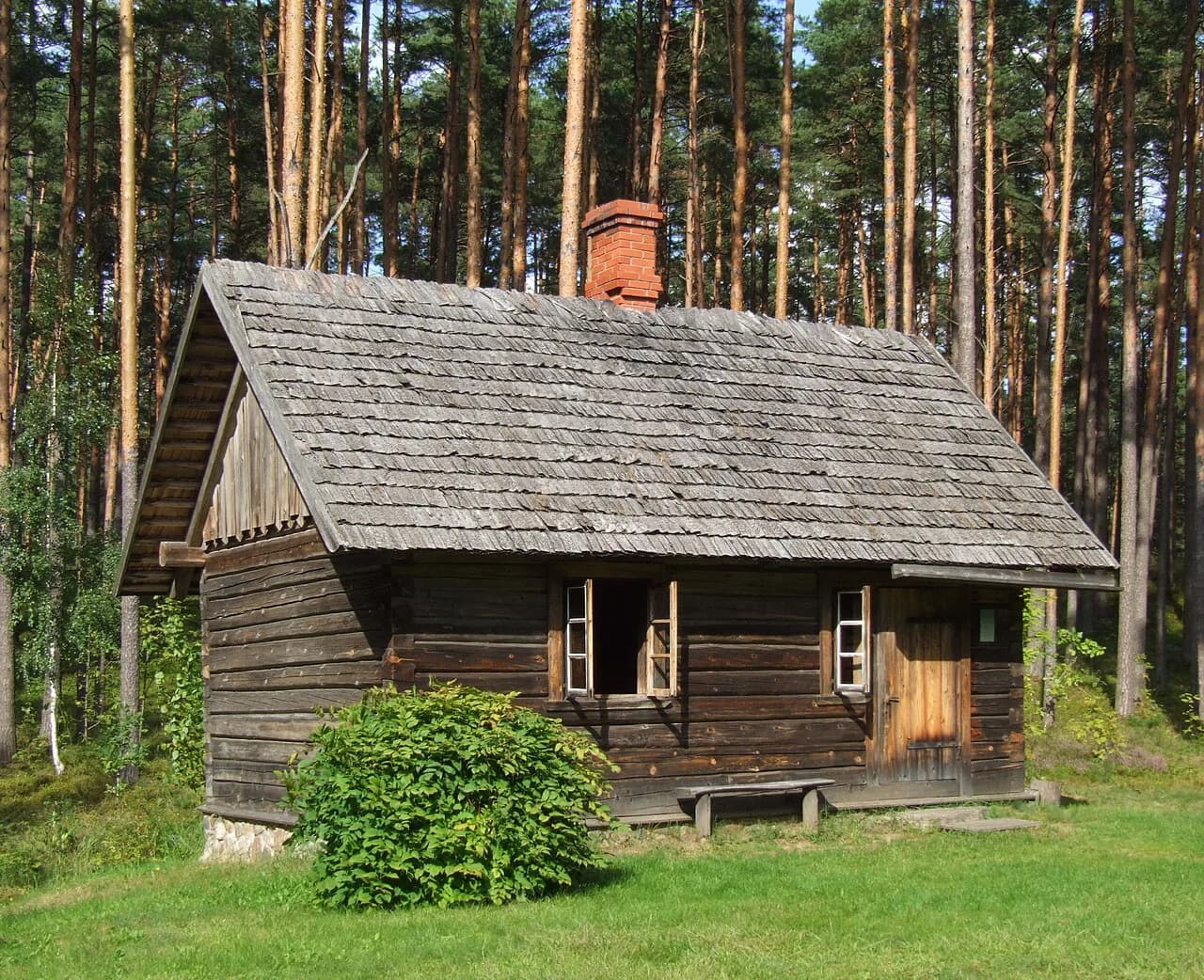
Saunas in Latvia centre on the pirts, the country's own bathhouse tradition rather than a borrowed version of the Finnish or Russian model. It is a wet bath: water is ladled over hot stones to fill a low, humid room with vapour, and bathers move between heat, whisking and cold water in repeated rounds. Latvia's tourism board traces the habit back to the 19th century, when nearly every farmstead kept its own bathhouse.
For a traveller, that means three different propositions: a guided ritual booked with a sauna master, an ordinary public or guesthouse sauna you heat and use yourself, and the historical bathhouses preserved at an open-air museum outside Riga. Each asks something different of you in time, money and willingness to sit naked in a hot room with strangers or friends.
What a Latvian pirts is, and why it is a wet bath
The defining feature is humidity. In Latvia the most common form is the wet bath, where water poured over heated stones produces steam and a heavy, humid air, and the traditional ideal temperature is around 86°C. That figure is a custom rather than a rule, and beginners routinely start cooler and build up across rounds. A dry Finnish cabin at the same thermometer reading feels completely different.
The other marker is the whisk, called a slota, used to beat the skin lightly in what Latvian sources describe as a combination of massage and aromatherapy. Add body scrubs, clay and honey masks, and a cold dip between rounds, and you have a bathhouse culture that is more hands-on than a quiet sit in the heat. The whole point is the sequence, not a single long sweat.
If you already know the Finnish tradition, treat the pirts as a cousin with more props and more steam. The core logic of hot room, cooling and repeat is shared, so the practical habits in our Finnish sauna guide carry over — the differences are the wet air, the whisking and the beauty treatments layered on top.
How a pirts session actually works, step by step
Start with a proper shower. In a traditional Latvian bath the wash comes first, with soap and a thorough rinse, and only then do you enter the steam room; bathers who head straight for the heat are politely sent back. Expect to repeat the cycle several times rather than settle in once.
The usual progression runs from a moderate steam room to acclimate, out for a cool shower, then into the hotter main room where a wood-fired stove drives dry, intense heat. Benches are tiered, and the upper levels are markedly hotter; regulars recline up there, sometimes in woollen hats, while first-timers sensibly take a lower bench. Sitting on a wooden or plastic board protects your skin from the hot slats.
Once your skin is warm, the scrubbing and masking begin, often with coffee grounds, salt scrubs or a full-body clay mask left to dry before rinsing. Then comes the whisking in the hot room, followed by cold water. Finish by tidying up after yourself: rinse the scrub down the drain, gather fallen leaves and return any rented towels or boards.
Cold water and cooling down
Cooling is not an afterthought in Latvia; it is written into the ritual. After heating up, bathers cool rapidly in a cold pond, a plunge pool or a powerful shower, and the contrast between hot and cold is treated as the backbone of the session. Guesthouses with their own pond or pool are prized for exactly this reason.
Where there is no pool, a bucket of cold water over the head does the job, and many regulars prefer it. In winter, a roll in the snow or a dash into a lake is the country version, but on a first visit a cold shower between rounds is entirely legitimate. Bring flip-flops for the wet floor between rooms.
Nudity, mixed and single-sex bathing, towels and what to bring
Latvian bathing is traditionally nude, and a swimsuit in a naked room marks you out as a visitor. Norms vary by venue: some bathhouses run separate women's and men's areas, others are co-ed, so the setting you book decides the etiquette. Public baths tend to be single-sex; private and guesthouse saunas are usually mixed groups of friends or family.
The standard kit is a towel or two, a washcloth, soap, plastic sandals, a seat board, a whisk and whatever scrub or mask you plan to use. Venues often rent or sell the basics for a small sum, which saves luggage space if you are flying in. A full water bottle matters more than any accessory.
If shared nudity is the sticking point, book a private pirts or a couples ritual instead of a public bath — you get the same sequence without an audience. Our guide to the Latvian pirts goes deeper on the customs and the regional variations.
The whisk, or slota, and how it is used
Whisks are bundled from birch, oak, linden or juniper twigs, and bath masters mix in other plants for scent. A dried whisk is soaked in warm water until the leaves soften, then carried into the hot room, where it is used to beat the back, legs and feet in steady strokes. The effect is a light beating massage plus a wash of leafy aroma as the branches fan the heat around.
Doing it yourself is fine, but being whisked by someone experienced is the better introduction: lie face down on a bench and let them work. Expect it to be more vigorous than you imagine, and speak up if the heat or the strokes are too much. Whisking is a physical exchange, so it is worth agreeing beforehand how hard you want it.
Sauna masters and booked rituals: what a guided session involves
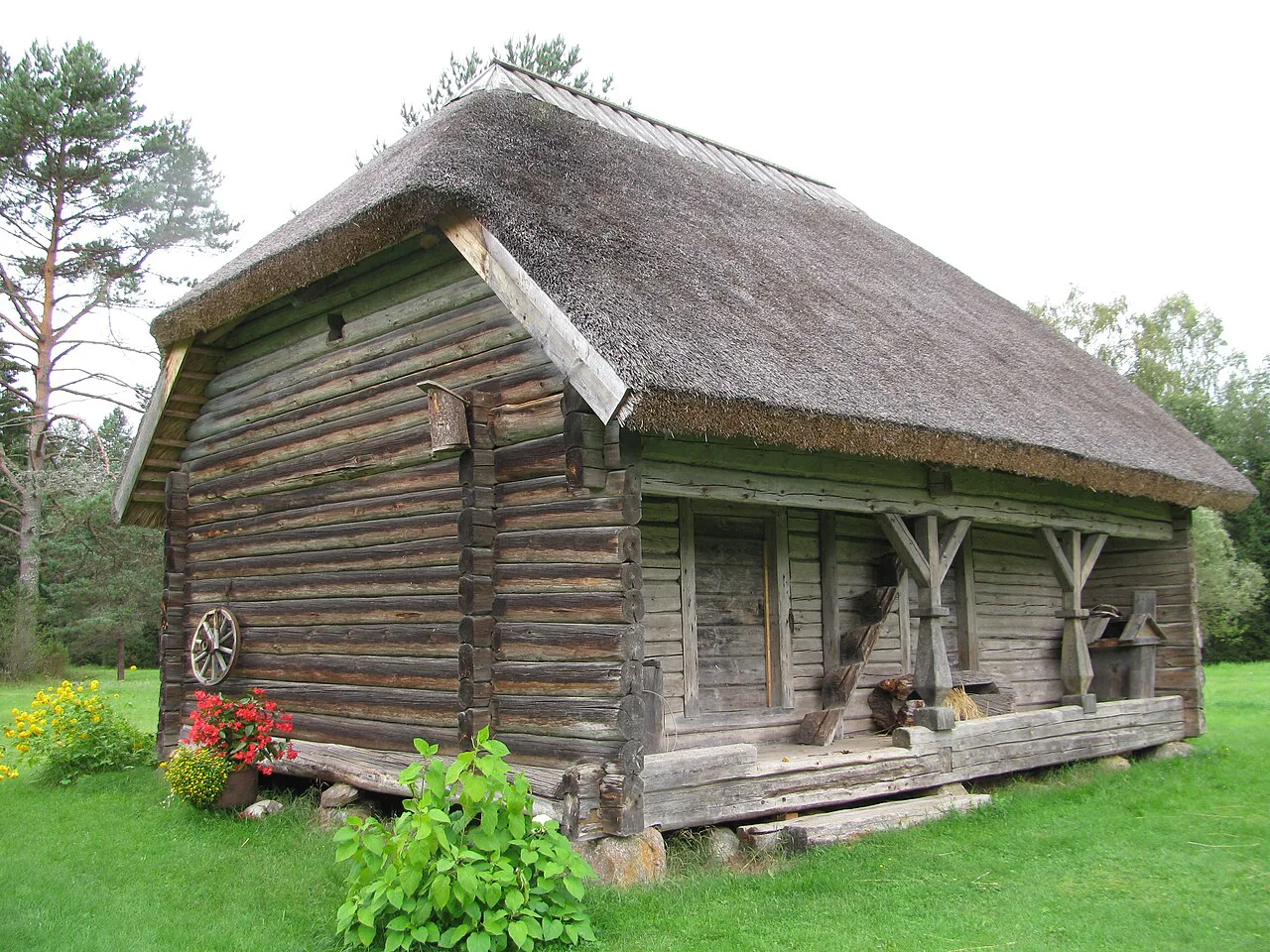
A booked ritual puts a sauna master in charge of the whole arc: heating, steam, whisking, scrubs, cooling and rest. In Riga, Latvian Sauna Ritual runs the standard ritual at 300 euros for one person and 400 euros for two, a separately named healing ritual at 350 euros for one, and a group ritual at 500 euros for up to four people, with a 20 euro supplement on Latvian public holidays. The standard ritual is listed at three and a half hours.
That is a premium, private booking rather than a cheap afternoon, and it buys attention rather than facilities. For a cheaper introduction, an ordinary public bath or a rented guesthouse pirts costs far less per head, and you run the sequence yourself. Our saunas in Riga guide covers the city's public baths, floating saunas and bookable options side by side.
Pirts Nr.1 in Riga is another name worth knowing if you want a city session with the ritual structure rather than a hotel spa afternoon. Book direct for current session slots.
The Sauna Museum and the black sauna outside Riga
Latvia's bathing history is displayed in the open-air Sauna Museum, roughly 40 km from Riga near the Murjāņi–Saulkrasti road, where six historical bathhouses have been assembled. The highlight is the black sauna, in which stones are piled in the middle of the steam room and a fire beneath them has coated the whole interior in soot. It is a museum visit rather than a bathing session, and a good half-day extension if you are driving along the coast.
Pair it with Gauja National Park if you are heading further out, where guesthouses with their own pirts are the standard way to bathe. The park's river valleys and forest make a natural setting for the pond-and-whisk version of the ritual.
Where to sauna in Riga: baths, floating saunas and booked rituals
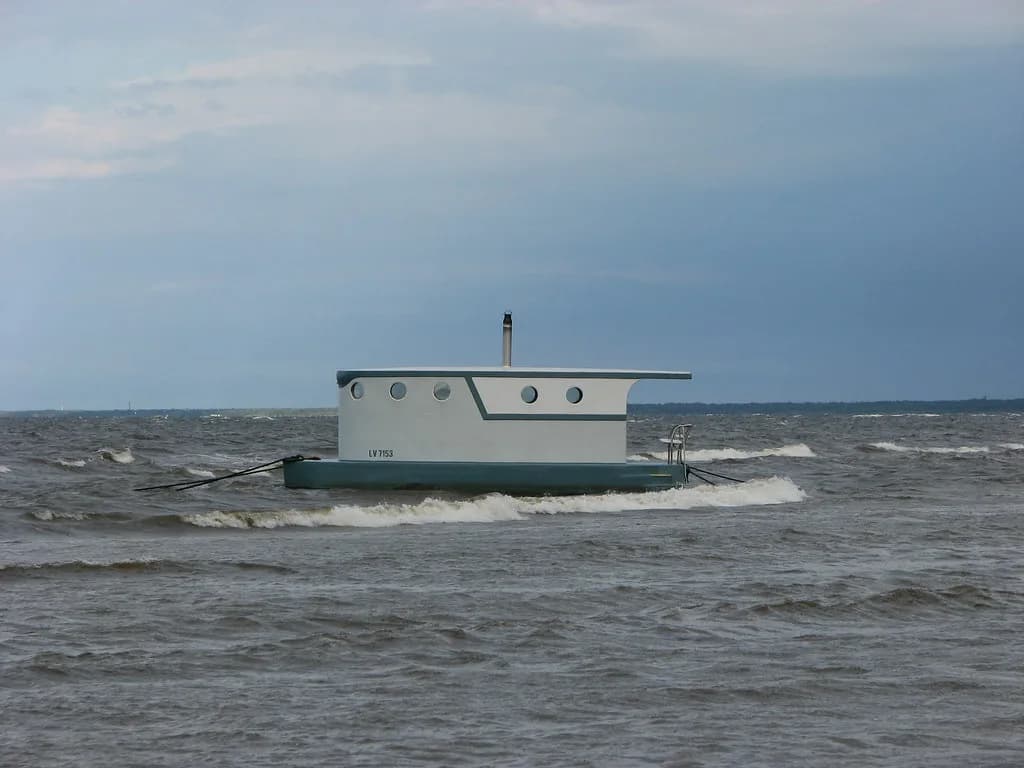
Riga is where most visitors take their first pirts, and the choice is between a public bath, a bookable ritual with a master, and the floating saunas moored on the Daugava. Floating saunas in Riga suit small groups who want a private, self-run session with a river dip on the doorstep. Each option carries different rules on nudity and mixing, so match the venue to your group before you book.
The public bath option is the cheapest and most local, with modest entry and rental costs paid at the door. Our survey of saunas in Riga sets out the named venues, their character and who each one suits.
Guesthouse saunas outside the cities
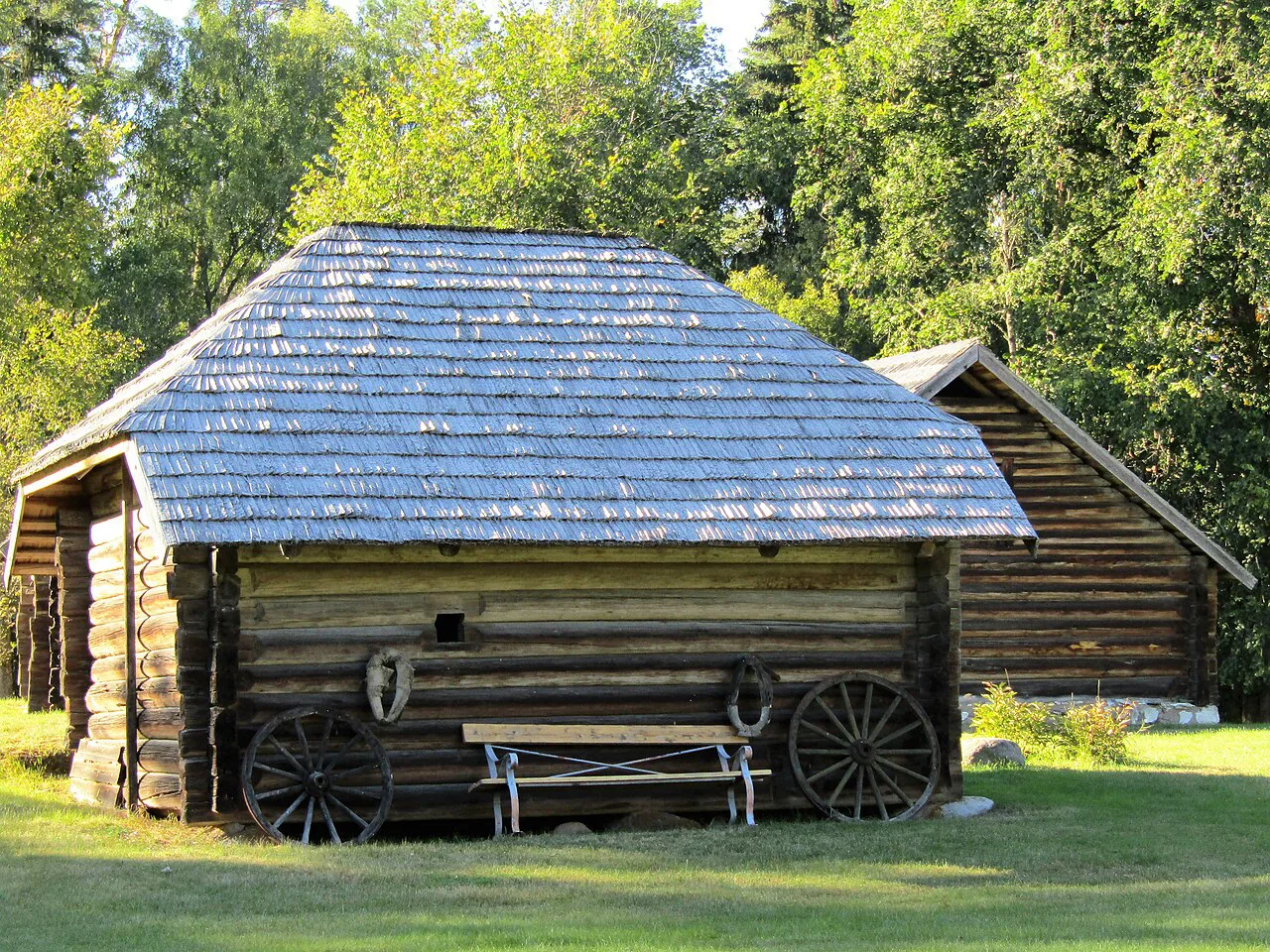
Across the countryside, hundreds of guesthouses have their own pirts, and renting one for a family or a group of friends is the standard Latvian way to bathe. You get the whole building, usually with a wood-fired stove, a pond or a barrel tub, and the freedom to run as many rounds as you like. Many also offer a bath master for an extra fee if you want the whisking done properly.
Costs are modest compared with a private ritual in Riga, though the price depends on the building, the number of bathers and whether a master is included. The catch is logistics: rural pirts need a car, and you may be expected to heat the stove yourself and clean up afterwards.
Seasons, holiday surcharges and winter bathing
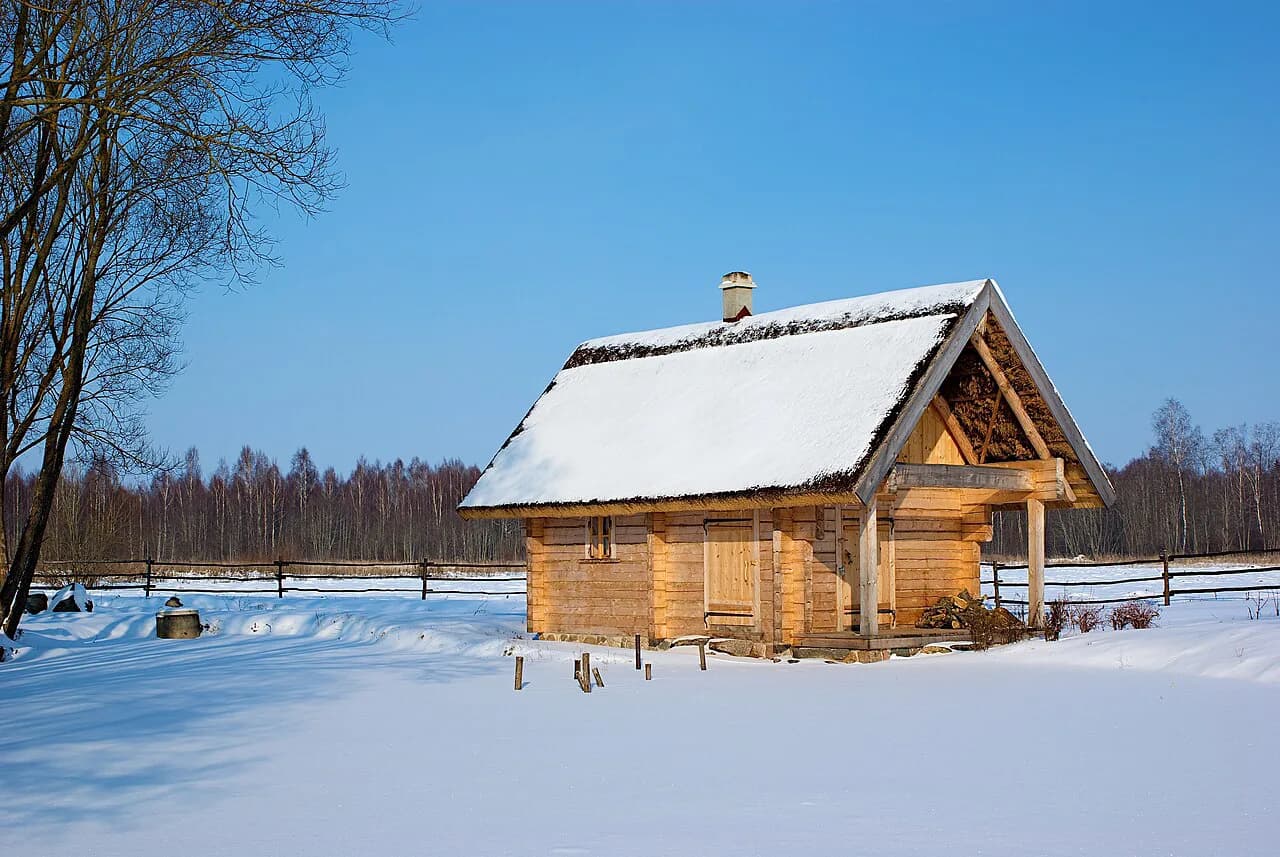
Winter is the classic season for the full contrast: a hot pirts, then snow or a hole cut in the ice. It is also when sauna-going is most embedded in the week, with many Latvians treating a weekly bath as routine. Summer shifts the focus to lake and river dips and to country guesthouses with outdoor tubs.
Public holidays carry a surcharge at some bookable venues — Latvian Sauna Ritual adds 20 euros on those dates — so a session across a holiday weekend costs more. Venues list their holiday dates on their own sites.
How the pirts differs from the Finnish sauna
The Finnish sauna is typically dry, quiet and self-service: you heat it, sit, cool off and repeat, with little ceremony. The pirts adds humidity, a planned sequence of shower, steam, scrub, whisk and plunge, and often a sauna master who runs the whole thing. Where the Finnish version is a habit, the Latvian version is closer to a hosted ritual.
If you love the simplicity of a Finnish cabin, say Allas Sea Pool, you will still enjoy a pirts, but arrive expecting more direction and more physical handling. Light eaters do better than full stomachs, and alcohol before bathing is a bad idea anywhere in the region.
Plan Your Latvian Sauna Visit
Decide first what kind of session you want — a private ritual with a master, a public bath, or a rented guesthouse pirts — because that choice settles the budget, the nudity norms and how much of the sequence you run yourself. Book the ritual through the venue's own site once your dates are fixed, particularly around public holidays.
Bring water, flip-flops and a towel, expect to shower before you sweat, and treat the cold plunge as part of the round rather than an optional extra. One safety line covers the rest: keep hydrated, skip alcohol beforehand, leave the heat if you feel unwell, and take a doctor's advice if you are pregnant or have a heart condition.
Frequently Asked Questions
Does Latvia have a sauna culture?
Yes, and it is a longstanding one. Latvia's tourism board notes that by the 19th century nearly every farmstead had a bathhouse, and the pirts remains the country's own bathing tradition rather than an import, with whisking, scrubs and cold plunges forming a standard sequence.
What is a pirts and how does it differ from a Finnish sauna?
A pirts is Latvia's wet bathhouse: water is poured over hot stones to create heavy humidity, and bathers work through rounds of steam, whisking with a leafy branch and a cold plunge. A Finnish sauna is usually drier, quieter and self-run, while the pirts often involves a sauna master and beauty treatments.
What happens during a Latvian sauna ritual?
You shower first, sit in a moderate steam room, cool off, then move into the hotter main room. Scrubs or clay masks follow, then whisking with a soaked birch or oak branch, and a cold dip between rounds, repeated as many times as you can manage before tidying up and eating.
Do you wear a swimsuit in a Latvian sauna?
Traditionally no — Latvian bathing is nude, and a swimsuit in a naked room stands out. Some bathhouses have separate women's and men's areas while others are co-ed, so the venue you choose determines the norm; private and guesthouse saunas usually host mixed groups of friends or family.
How much does a Latvian sauna ritual cost?
A guided ritual with a sauna master is priced per booking rather than per hour, and it sits well above an ordinary public bath or a rented guesthouse pirts. The organiser's own site posts the current figures for single, couple, healing and group rituals, plus the holiday supplement.
Where can you visit a traditional Latvian bathhouse near Riga?
The open-air Sauna Museum, about 40 km from Riga near the Murjāņi–Saulkrasti road, displays six historical bathhouses including a soot-blackened black sauna. It is a museum rather than a working bath, so combine it with a guesthouse pirts or a Riga venue for an actual session.
Is the whisking painful?
It is a firm, rhythmic beating rather than a gentle stroke, and first-timers often find it stronger than expected. The whisk is used as a form of massage and aromatherapy, and you can ask the person whisking you to ease off if the heat or the strokes are too much.
When is the best time to visit a Latvian sauna?
Winter gives the sharpest hot-cold contrast, with snow or an ice hole after the steam, while summer favours lake and river dips at country guesthouses. Bookable rituals cost more on Latvian public holidays, so ordinary weekdays are cheaper.
Sources
Sauna notes for your next trip
Optional updates to our sauna guides.
You might also like


Continue reading
More guides you'll find useful