KOK Oslo: Floating Wood-Fired Sauna Guide
KOK Oslo runs small wood-fired floating saunas at Langkaia and Aker Brygge. Here is how a session works, what it costs and how to pick between the two rafts.
On this page
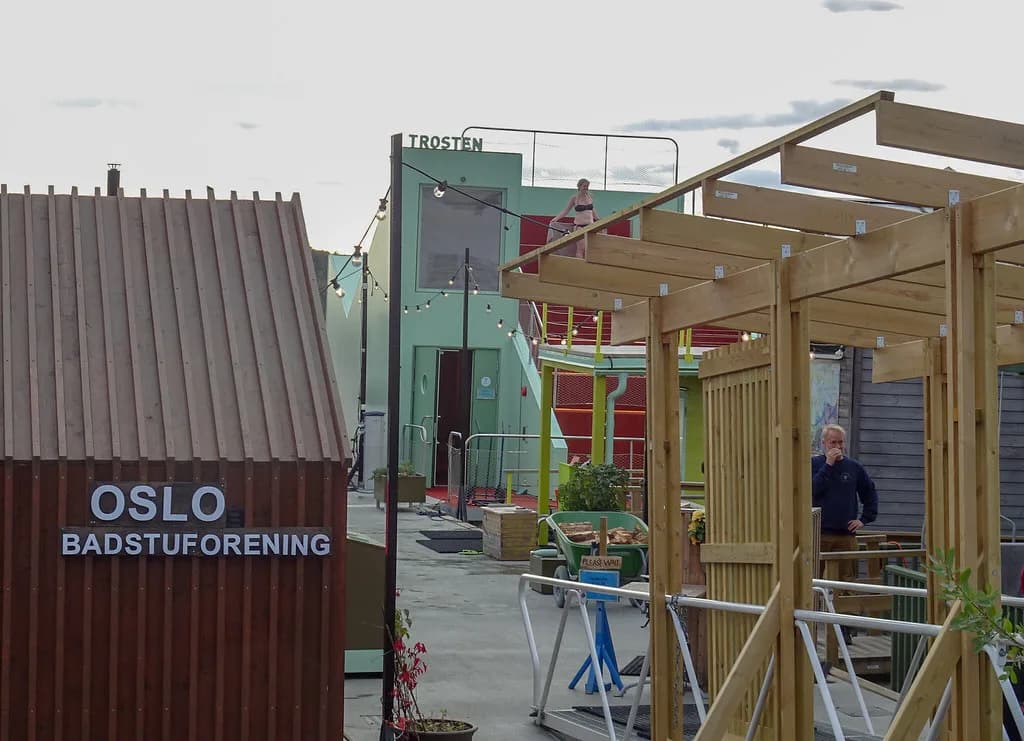
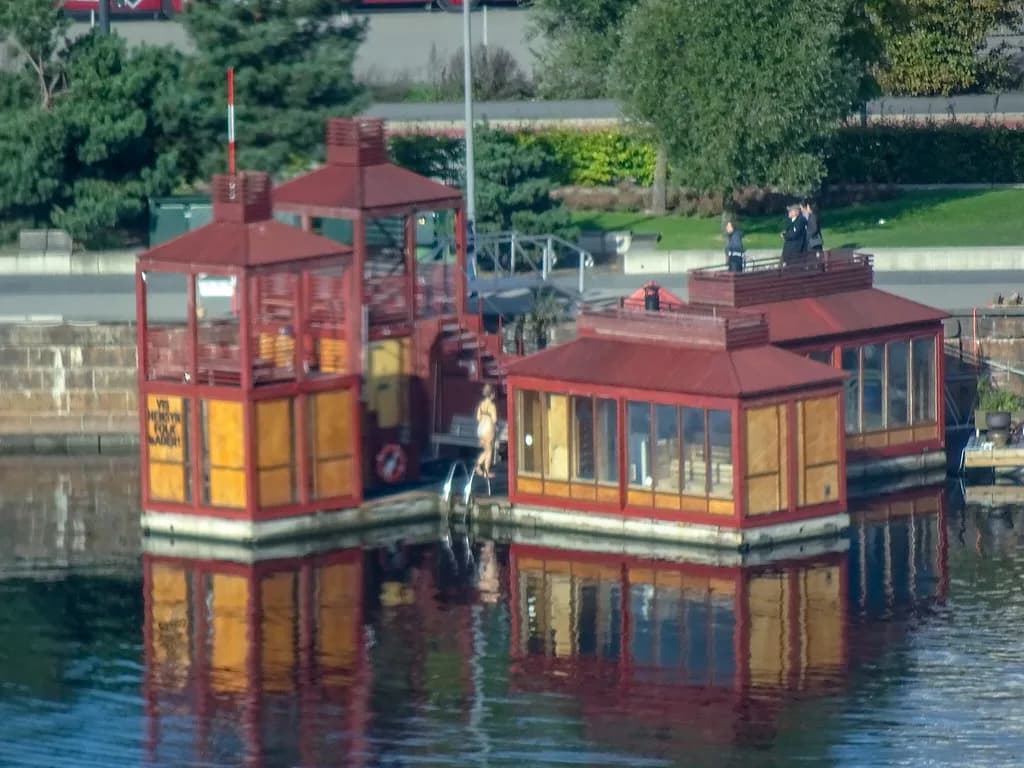
KOK Oslo is a pair of small wood-fired sauna rafts floating in the Oslofjord, one at Langkaia beside the Opera House and one at Aker Brygge looking across to Akershus Fortress. A shared session, called felleskok, puts you on board with up to seven other people, so the appeal is heat and cold water in the middle of the city rather than a spa afternoon.
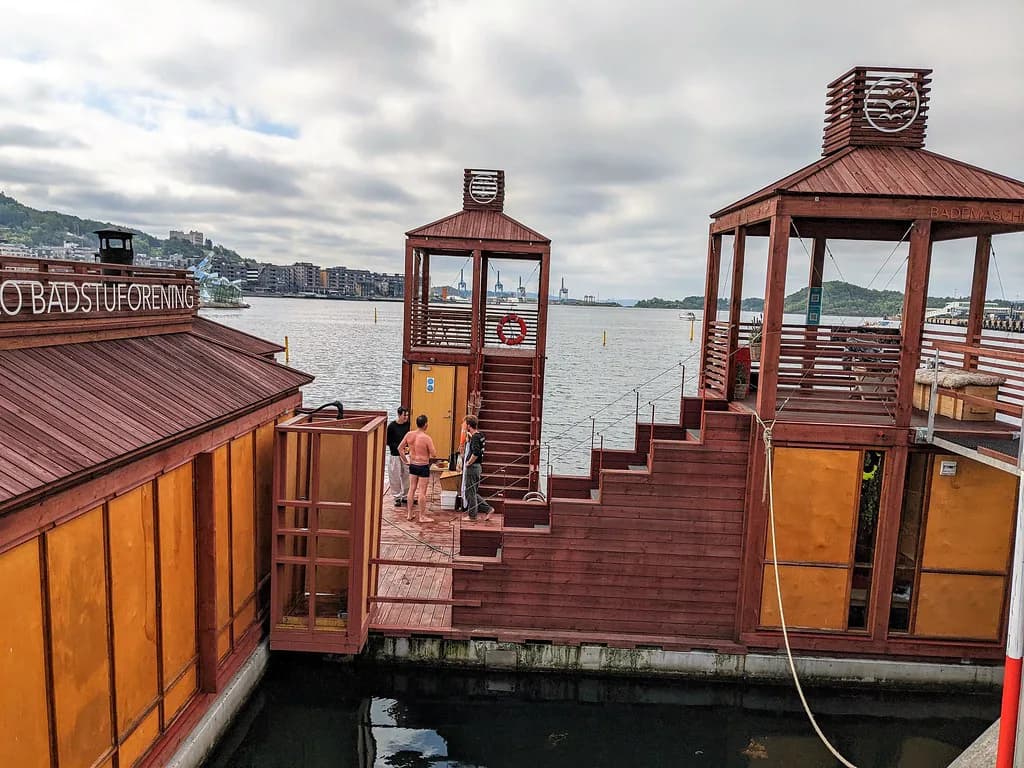
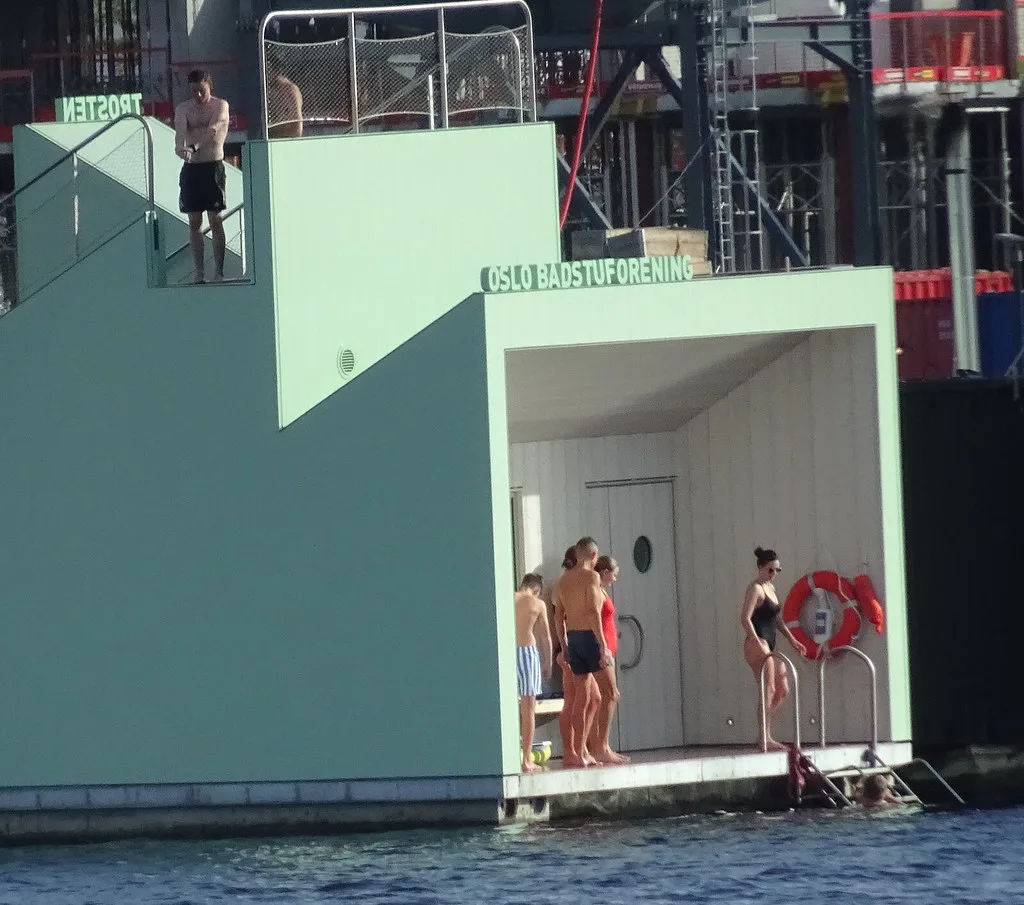
The rafts sit low in the water, so the step from the sauna door down to the ladder is roughly a metre: there is no dramatic plunge platform, just a short controlled climb into the fjord. That simplicity is the whole offer. You turn up, sweat, swim and go home, without a lounge, bar or food programme attached.
What KOK Oslo is
KOK describes its two spots as Langkaia by the Opera House and Aker Brygge with a view of Akershus Fortress. Both are wood-fired saunas built on floating platforms, which means the heat comes from a stove rather than electricity and the cooling water is the harbour itself.
This is the Finnish tradition transplanted onto a Norwegian pontoon: a hot timber room, a bucket and ladle, and a cold body of water within a few steps. If you want the background on why the ritual is built the way it is, the Finnish sauna is the reference point, and the Norwegian version runs alongside it rather than copying it.
Facilities are deliberately spare. There are changing areas, towels can be rented or you bring your own, and that is essentially it — no lounge, no bar and no food programme. That spareness is precisely why some people choose KOK and others walk a few hundred metres to a bigger operation.
Langkaia vs Aker Brygge: which raft to pick
Choose Langkaia if you want the postcard view. The raft sits in the inner harbour basin with the Opera House on one side and the medieval fortress on the other, so surfacing from a dip puts you at eye level with Oslo's most photographed waterfront.
Choose Aker Brygge if you are staying on the western side of the centre or want the fortress and skyline in front of you while you cool off on the deck. It is the same wood-fired format and the same short ladder into the water, so the decision comes down to which waterfront you would rather look at from the sauna bench.
Both rafts are small, so neither is the place for a group of ten who all want to sit together. A shared session seats you with strangers by design; if that is not the evening you want, book a private slot or go to one of the larger sauna villages along the same quay.
How a session actually runs
The rhythm is heat, cold, rest, then the same again. You sit in the sauna until the heat feels like pressure on your skin, which usually takes ten to fifteen minutes, then step out, walk to the ladder and lower yourself into the fjord. Most people manage three or four cycles in a two-hour session.
Rest is the part first-timers rush. Sit on the deck wrapped in a towel, watch the ferries cross to the islands, and let your body settle before the next round. KOK has no lounge to retreat to, so the deck is the lounge, and in winter that means keeping a wool hat within reach.
The entry itself is undramatic: a short climb down a ladder, chest-deep water, then out again. Keep the first cold dip short, use the ladder rather than jumping, and get out while you still want to stay in.
Prices and membership
Session prices at KOK appear in the booking flow rather than on the front page, and the club membership starts at NOK 150 per person per month. Expect a mid-range outlay by Oslo standards, in the same band as the other harbour saunas rather than the cheapest option on the quay.
For comparison, the volunteer-run floating sauna village a few minutes away charges NOK 150 for members and NOK 260 for everyone else on a shared session, with membership at NOK 400 for new members in 2026. That makes KOK the more produced experience and the other the cheaper one, which is worth knowing before you commit to a membership.
Booking and how far ahead to plan
Book through KOK rather than turning up on spec. Same-day slots are often available, but a few hours ahead is safer, and weekends with good weather fill fastest at the small rafts, so reserve one to two days ahead if a Saturday session matters to you.
KOK is a popular booking and weekend slots go early, so treat a private session as something to arrange in advance rather than a walk-up. If your dates are fixed, book before you sort the rest of the trip; if they are flexible, a weekday morning is the easiest slot to secure.
Swimwear, towels and changing
Swimwear is required at KOK at all times, so this is not a nude Finnish sauna and you do not need to negotiate the etiquette. Bring a swimsuit, a towel or rent one on site, flip-flops for the deck and a water bottle; all three fit in a day bag.
Changing areas are on site but compact, which is normal for a raft. Arrive a little before your slot so you are not rushing the change, and keep your bag small enough to sit under a bench. In winter add a wool hat, because your hair will be wet and the walk back to the tram is cold.
What the water is like through the year
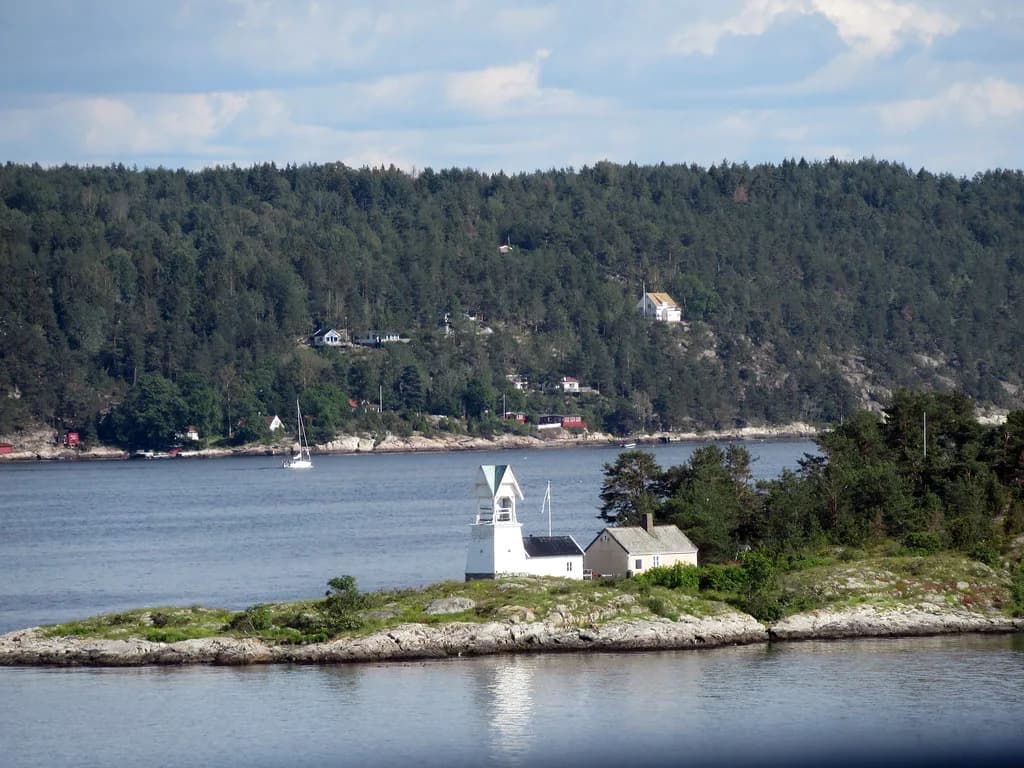
The fjord outside the rafts is typically 2–4°C in January and around 20°C in July. Summer dips are a refreshing contrast to the heat; winter dips are a confrontation that lasts thirty seconds or so before your breathing settles.
Spring and autumn sit in between, cold enough to make you gasp in May and bracing through October, when the regulars are still going. If you can only pick one season, winter is the version that stays with you, but it is also the one that demands a short first dip and a warm layer for afterwards.
Getting to Langkaia and Aker Brygge
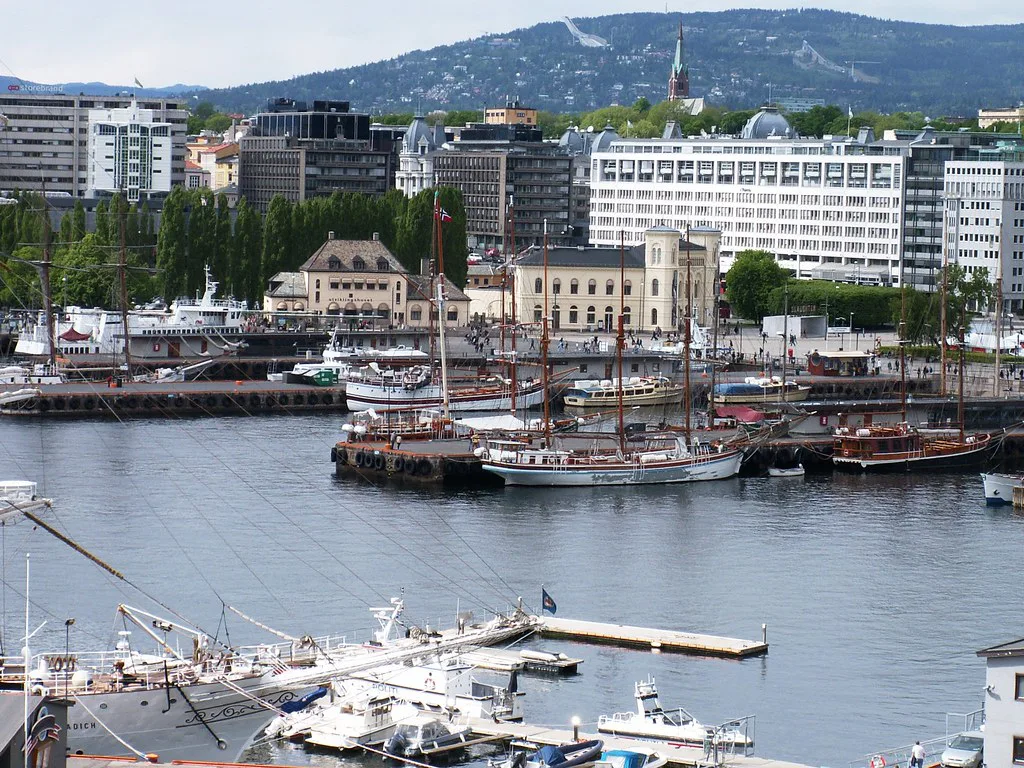
Langkaia is a short walk from Oslo Central Station and the Opera House, along the harbourfront between the Opera and Akershus Fortress. If you are coming from the station, take the pedestrian bridge towards Sørenga and follow the quay; the rafts are visible from the water's edge.
Aker Brygge is on the western side of the inner harbour, reachable on foot along the waterfront or by tram along the Stranden line. Both rafts are close enough that you can walk between them in a few minutes, so a booking mix-up is rarely a disaster.
Trade-offs: no bar, tight rafts, weekend sell-outs
KOK is heat and water only. There is no bar, no restaurant and no concert programme, which is the reason to pick it if you want a quiet session and the reason to look elsewhere if you want a whole evening with food and drinks. The rafts are small, the changing rooms are tight, and a shared session means sharing with strangers.
Weekend sessions with good weather sell out first, and the cold walk from sauna door to ladder is short but sharp in January. If those trade-offs sound like atmosphere rather than drawbacks, KOK is well suited to you; if you want space, a bar and a bigger crowd, the neighbouring operations suit better, including the ones covered in our guide to the saunas in Oslo.
Where to eat and drink after
The harbour around Langkaia and Aker Brygge is dense with places to eat, from the Opera House waterfront to the Brygge itself. A common pattern is an early sauna, a long lunch, then a slow walk along the quay; the sauna first leaves you warm and hungry rather than rushed.
If you want a bigger evening, SALT at Langkaia 1 combines twelve saunas and aquavit-barrel saunas with a restaurant, bar and a rotating programme of concerts, which is a different proposition from KOK's stripped-back rafts. It is the obvious choice when the sauna is one part of the night rather than the whole point.
Other saunas within a few minutes' walk
Three operators sit within a few hundred metres of each other at Langkaia, which makes this stretch of quay the easiest place in Oslo to compare saunas on foot. KOK's raft, SALT's barrel saunas and the floating sauna village are all reachable without crossing the city.
The volunteer association's Langkaia village has six saunas holding 8 to 18 people, plus sites at Sukkerbiten, Hvervenbukta, Kroloftet, Grefsenkollen, Sagene Folkebad and FOLK in Storgata. It is the cheapest of the three and the least produced, with a local crowd and no programme of any kind.
For a free cold dip without paying for heat, Sørenga sjøbad is the harbour pool open to anyone, a short walk east along the water. It pairs well with any of the rafts if you want to swim again later without booking a second session.
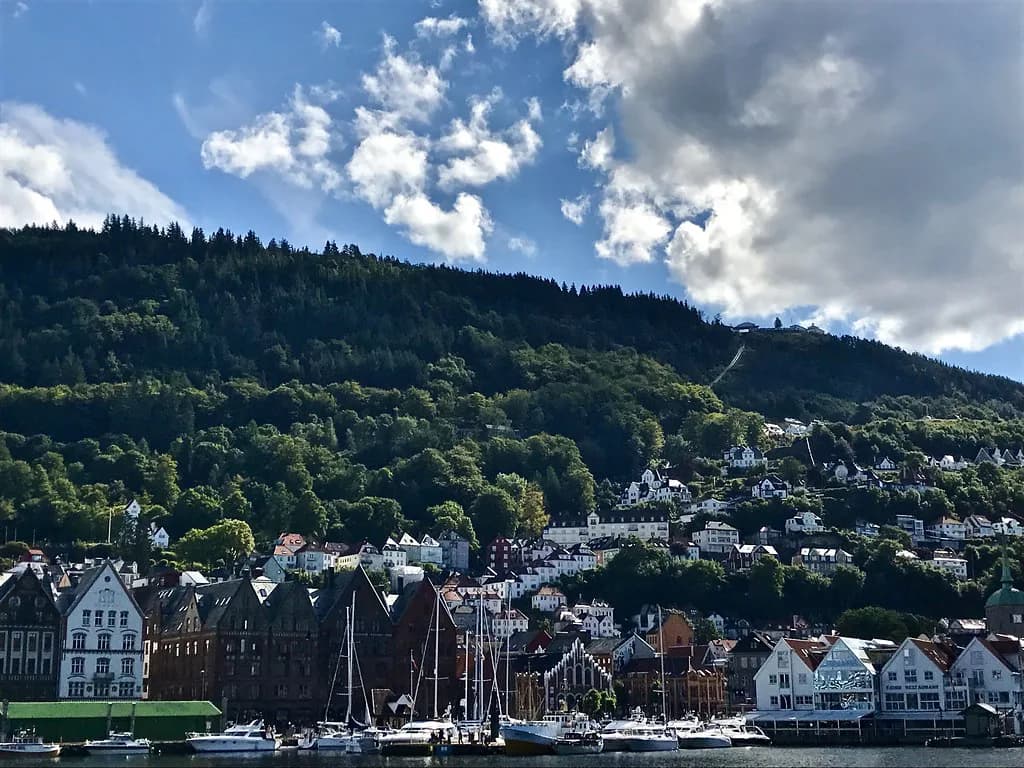
Beyond the capital, the country has a growing spread of harbour and lakeside saunas, and our guide to saunas in Norway maps the wider scene from Bergen to Trondheim.
Plan Your Visit
KOK Oslo suits a traveller who wants a hot timber room, a ladder into the Oslofjord and nothing else attached. Pick Langkaia for the Opera House view, Aker Brygge for the fortress side, book ahead for weekends, and bring swimwear, a towel and a wool hat in winter.
Stay hydrated, skip alcohol before bathing, leave the water or the sauna if you feel unwell, and speak to a doctor first if you have a heart condition or are pregnant. Beyond that, keep the first cold dip short and let the rhythm of heat, cold and rest do the rest.
Explore more Oslo sauna guides
Frequently Asked Questions
What is KOK Oslo?
KOK Oslo is a pair of small wood-fired floating saunas on the Oslofjord, one at Langkaia beside the Opera House and one at Aker Brygge facing Akershus Fortress. A shared felleskok session seats you with up to seven other people, and the cold plunge is a short ladder down into the harbour.
Where is KOK Oslo located?
The two rafts are at Langkaia, the harbour stretch between the Opera House and Akershus Fortress, and at Aker Brygge on the western side of the inner harbour. Both are within walking distance of central Oslo and of each other.
How much does KOK Oslo cost?
Session prices come up in KOK's booking flow, and club membership starts at NOK 150 per person per month. Budget for a mid-range Oslo sauna session; the volunteer-run village along the same quay is the cheaper comparison at NOK 260 for a non-member shared session.
Do you need to book KOK Oslo in advance?
Booking through KOK is the reliable route, because the rafts are small and fill quickly in good weekend weather. Same-day slots are often there on weekdays, but a one or two day lead time is safer for a Saturday.
Do you wear swimwear at KOK Oslo?
Yes. Swimwear is required at all times on both rafts, so there is no nude or single-sex option to navigate. Bring your own towel or rent one on site, and add flip-flops for the deck.
What is the difference between KOK Langkaia and KOK Aker Brygge?
Both are wood-fired rafts with a ladder into the fjord. Langkaia gives you the Opera House and the inner harbour basin; Aker Brygge gives you the fortress and the city skyline. Pick by which view you want from the sauna bench.
Can you swim in the fjord at KOK Oslo?
Yes, cooling off in the Oslofjord is the point of the rafts. The step from the sauna door to the ladder is about a metre, the fjord runs roughly 2–4°C in January and around 20°C in July, and the ladder is the controlled way in and out.
Sources
Sauna notes for your next trip
Optional updates to our sauna guides.
You might also like
Continue reading
More guides you'll find useful