Saunas in Northern Ireland: Where to Bathe, How It Works
Public saunas in Northern Ireland are rare, so plan around baths, leisure centres and cold-water dips. Here is how sessions, etiquette and bookings work.
On this page
Northern Ireland has a modest public sauna scene, and the honest way to plan a session is to think in two tracks: Victorian and municipal baths with heat, and sea or lough dips where you supply the warmth yourself. Knowing which track you are on decides what you pack and how long the trip takes.
The Finnish sauna is the reference point most regulars use for rounds, Löyly and the hot-cold contrast, even though local practice is looser and often runs on swimwear and short visits. This guide treats the Finnish model as a benchmark rather than a local rulebook.
What sauna culture in Northern Ireland looks like now
The public circuit is small and recent. Belfast's restored Victorian baths and its leisure centres carry most of the indoor heat, while outdoor and floating saunas and cold-dip groups have grown around the coast and loughs in the last few years. Expect a mix of bookable sessions and casual lane-side saunas rather than a street of dedicated sauna houses.
Outside Belfast, provision thins quickly. Derry has its own small cluster, and the North Coast and Strangford Lough area work best for people who want a sea dip and a rented wood-fired sauna rather than a permanent building. Treat anywhere more than an hour from Belfast as a day trip with a booked slot, not a walk-in. If you are weighing a city break instead, our Dublin sauna guide covers the same bookable-session question south of the border.
Northern Ireland and the Finnish tradition
Finnish custom treats the sauna as a room for repeated short rounds — commonly five to fifteen minutes per round — with Löyly thrown from a ladle and a cool-down between. Northern Ireland imports the rituals piecemeal: some sessions run rounds with a host, others leave you to your own timing in a quiet cabin.
The practical difference is social. Finnish saunas are usually taken without swimwear and often mixed only within families; here you will more often find swimwear required, and gender-segregated or mixed sessions stated clearly at booking. Ask which it is before you arrive so you pack the right bag.
Heaters anchor the local craft end of the market: workshops building traditional cabins pair two-tier seating with Harvia or Huum stoves, a setup designed to give the layered heat Finnish bathers expect. That is a good sign for anyone who has sweated in a proper Finnish room and wants the same feel at home.
Public saunas, harbour dips and cold-water bathing
A real public sauna session in Northern Ireland usually means a Victorian bathhouse or a council leisure centre with a sauna off the poolside, not a harbour sauna on the Nordic model. The upside is dependable heat, changing rooms with showers and a fixed timetable; the downside is that the sauna is often a small side room with a queue at peak times.
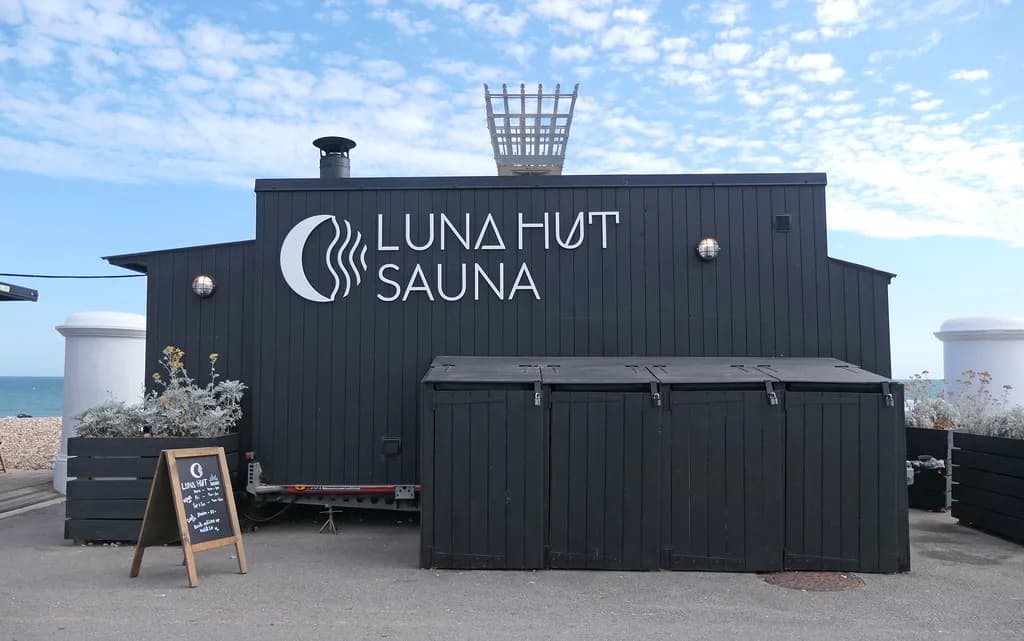
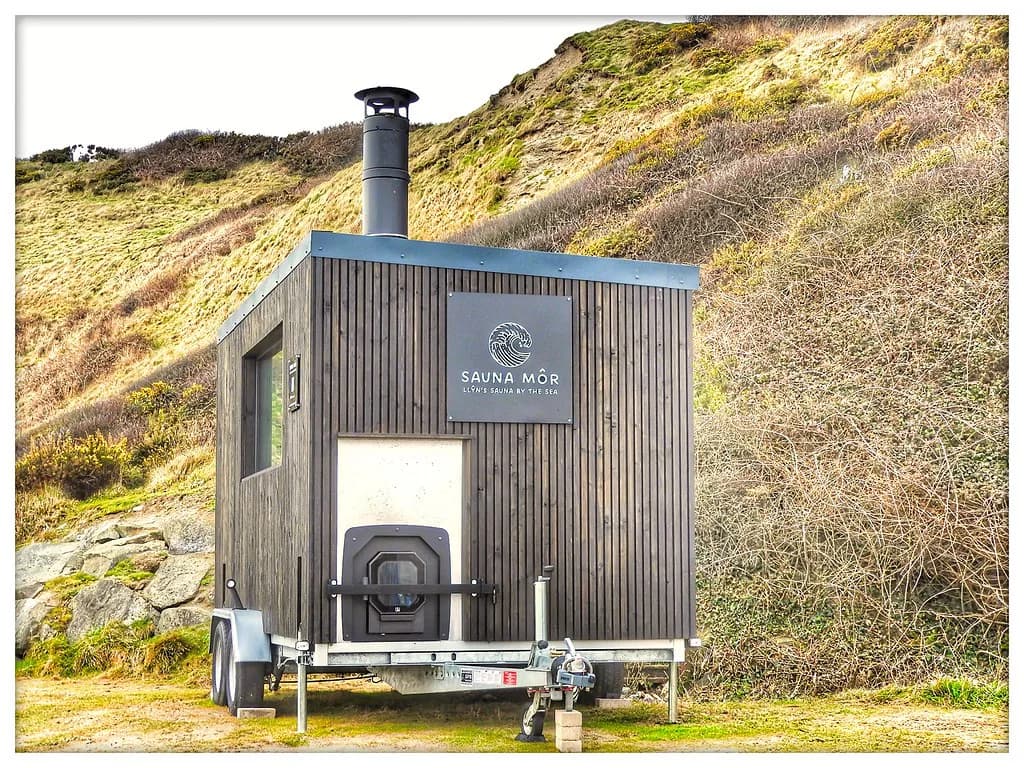
For the seaside version, the pattern is bring-your-own: a rented mobile sauna parked near a beach, a cold swim, then back into the heat. That works beautifully in calm weather and badly in wind, when changing outdoors becomes the hard part. Pick your day on the forecast and have a dry robe or a car within easy reach.
If you want the contrast of a city lido with a proper hot room, the Nordic model is worth studying before you go. Allas Sea Pool in Helsinki shows how a harbour pool, sauna and cold plunge sit in one ticket and one changing room, which is a useful benchmark for what a good session should include.
The best saunas and bathing spots around Belfast
Belfast is where a plan pays off, because the options are few and specific. The restored Victorian baths in the east of the city give you the period-tile, high-ceiling experience that makes a sauna visit feel like an event rather than a gym add-on, with bookable slots around the pool.
Leisure centres on the city edges carry the weekday heat for swimmers, and their saunas usually sit beside a pool with set opening patterns. They are the cheapest reliable option and the least atmospheric; go early to avoid the after-work rush and bring your own towel and flip-flops.
If you want a cold plunge to follow the heat, a small number of Belfast operators pair sauna with an ice bath or cold shower in a booked session. These are short, instructor-led or timed formats rather than long soaks, and they book out at weekends, so reserve before you travel.
Outdoor and floating options around the city are the most weather-dependent and the most memorable. A wood-fired cabin on a lough shore or a converted barge gives you real Löyly and open water, but you need a car, a booked slot and a plan for the walk between the two.
Saunas and beach bathing on the North Coast
The North Coast is where Northern Ireland's sea-sauna habit is strongest: a rented or mobile wood-fired sauna near the sand, a cold swim, and a warm cabin to change in. Portstewart, Portrush and the beaches east towards Ballycastle are the obvious bases, and the sauna is usually a private booking rather than a public building.
Treat tide and wind as part of the booking. An onshore wind makes the dash between sauna and sea genuinely cold, and a high tide can shrink the beach you planned to use. Choose a calm day, check the tide timetable, and ask whoever runs the session where the cabin is parked.
Loughs, lakes and inland dips
Inland, Strangford Lough and the smaller lakes give you flat, sheltered water that suits cold dipping better than an exposed beach. Sea temperature in autumn sits around the low teens, which is bracing rather than dangerous, but the walk out over mud or stones is slower than it looks and footwear matters.
Inland sauna options are mostly mobile or private hire, often towed to a shore for a booked group. That means no walk-in visits and no published drop-in timetable; you organise a slot with the hire company and agree where the unit will sit, how long you get it and whether cold water is on the doorstep.
How a session works: booking, timing and rounds
Expect to book. Public baths, leisure-centre saunas and private cabins all run on slots, and weekend evenings go first. A typical session is an hour to ninety minutes, and the sauna room itself is small enough that a group of six fills it.
Inside, the Finnish rhythm is the sensible default: a first round of five to ten minutes, out to cool, a second round, and a third if you feel good. Sit on a towel or seat cover, keep the door shut, and pour water sparingly onto the stones — a ladle at a time, not a bucket.
Mixed and single-sex sessions vary by venue and by day, so confirm which one you have booked before you turn up. Leisure centres often run women-only or men-only hours on specific days, and private cabins are usually hired by one group, which makes the mixed question moot.
Nude, mixed or swimwear: etiquette in practice
In Northern Ireland swimwear is the norm in public and council saunas, and a towel or seat cover between you and the bench is expected. If you come from the Finnish or German tradition, adjust: nudity in shared public sessions will read as out of place, and mixed sessions run on the same swimwear rule.
Private group hire is looser, but the sensible plan is to settle the house rules when you book. Quiet, no phones, shower before entering and a towel on the bench are universal; loud conversation and essential oils on the stones are not.
What to bring: towels, seat covers, water and footwear
Pack two towels — one to sit on, one to dry with — plus flip-flops for shared changing rooms and a water bottle. A dry robe or a warm layer earns its place for any sea or lough dip, and a plastic bag for wet swimwear saves the car seat.
For outdoor saunas add a head torch in winter, a mat for standing on cold ground, and a change of clothes kept dry in the car. Leave alcohol at home: it is out of place before bathing and a bad pairing with heat and cold water.
Prices and how to read them
Session fees are the number to look for, and they are quoted by the venue or operator in pounds sterling, usually per person for a timed slot. Compare them with a leisure-centre swim-and-sauna ticket, which is the cheapest way to get heat in the region, and with private cabin hire, which is priced per group.
Do not confuse session fees with retail prices. The Ballymena showroom of Aquasun sells home saunas and ice baths, listing a two-person traditional cabin from £2,950 and a six-person ice bath from £4,950, and those are product prices for installation at home, not the cost of a visit.
The same distinction applies to different ends of the garden-sauna trade. Outback 365 lists outdoor and infrared saunas from £6,499, while Awaken Saunas hand-builds cabins in County Tyrone with Harvia or Huum heaters. Every one of those figures is a purchase price, not an entry ticket.
Seasons, weather and the cold walk to the water
Winter is the best season for contrast bathing here, and the worst for standing around wet. Sea and lough temperatures drop through the autumn and stay cold into spring, so the dash from sauna to water is short but sharp; a robe, a mat and dry clothes left within reach make the difference.
Summer brings longer evenings and easier changing outdoors, but also the busiest bookings and the most unreliable weather. Autumn is the sweet spot for sea dips: the water still holds some warmth and the beaches are quiet, though daylight fades early by late October.
Getting there without a car
Belfast is workable on foot and by bus: the city's baths and leisure centres sit on bus routes and the centre is compact enough for a taxi at the end of an evening session. For anything on the North Coast or a lough shore, the train to Portrush, Coleraine or Bangor covers the trunk of the journey.
The last mile is the problem. Beach and lough sauna sites are rarely on a bus route, so budget for a taxi from the nearest station or pick a booked session where the organisers give directions and parking. A car turns a fragile plan into a simple one. Check current prices and dates before you travel.
Safety: one plain set of rules
Stay hydrated, skip alcohol before bathing, and leave the heat or the water at once if you feel faint or unwell. People with a heart condition, and anyone pregnant, should ask a doctor before using a sauna or cold plunge. None of this is complicated, and all of it is worth saying once.
Buying a home sauna: what the local market offers
If you have tried a session and want one at home, Northern Ireland has a genuine local trade. A County Tyrone workshop hand-builds cabins using Scandinavian spruce, thermowood and thermo aspen, fitting Harvia or Huum heaters and two-tier benches, which is the setup to look for if authentic Finnish heat is the goal.
For a broader retail sweep, the Ballymena showroom stocks indoor and outdoor cabins, barrel saunas, infrared rooms and cold plunge units, with installation handled by its own crew. Seeing a barrel and a cube side by side is the quickest way to judge how much garden space you actually need.
Garden-sauna ranges sold across Northern Ireland start around the low thousands of pounds for a compact outdoor model, with larger barrels and cabins rising from there. Check dimensions against your site, the heater type and whether delivery includes assembly, since those three decide the real cost.
Plan Your Visit
Build the trip around one bookable slot and keep the rest flexible: a Victorian bathhouse or leisure-centre sauna in Belfast, or a private wood-fired cabin on the North Coast or a lough shore. Book the session first, then fit transport and a cold dip around it.
Confirm the practicals with the venue's own site once — session type, swimwear rule, towel policy and start time — and treat everything else as weather. Two towels, flip-flops, water and a warm layer cover most of what can go wrong.
Explore more Northern Ireland sauna guides
Frequently Asked Questions
Where can I find a public sauna in Northern Ireland?
Public heat is concentrated in Belfast, where the restored Victorian baths in the east of the city and the council leisure centres run saunas, usually on timed slots beside a pool. Outside Belfast, public provision thins quickly; in Derry a small cluster of sessions and saunas serves the city, and elsewhere most heat comes from private or mobile cabin hire. Book ahead for weekends.
Do you wear swimwear in a sauna in Northern Ireland?
Yes, swimwear is the norm in public and council saunas, and a towel or seat cover on the bench is expected. Mixed sessions follow the same rule, so visitors used to the Finnish custom of bathing without swimwear should adjust. Private group hire is looser, and the expectation is set when you book.
Is there a Finnish sauna tradition in Northern Ireland?
Not as a continuous local tradition; the Finnish model is a benchmark rather than the local norm. Some sessions run repeated short rounds with Löyly, a host and a cool-down between, but many public saunas are small poolside rooms taken in one or two visits on swimwear rules. For the full ritual, Finnish saunas and Nordic city pools are the reference point.
Where can I rent a sauna in Northern Ireland?
Rental is mostly private and mobile: a wood-fired cabin brought to a beach on the North Coast or a lough shore, booked by the group for a set slot. There is usually no walk-in option and the unit's location is agreed when you book. Reserve early for weekends, agree how long you get the cabin, and check where it will be parked before you travel.
What is the 200 rule for saunas?
There is no rule by that name in sauna practice here. The useful convention is the round: roughly five to fifteen minutes in the heat, out to cool, then back in, repeated two or three times. Sit on a towel, keep the door shut, pour a ladle of water at a time, and stop if you feel unwell.
Sources
Sauna notes for your next trip
Optional updates to our sauna guides.
You might also like
Continue reading
More guides you'll find useful