Saunas in the UK: Beach Saunas, Bathhouses and How a Session Works
A practical guide to saunas in the UK, from pier-side wood-fired cabins to harbour huts, with session lengths, published prices and how the etiquette works.
On this page
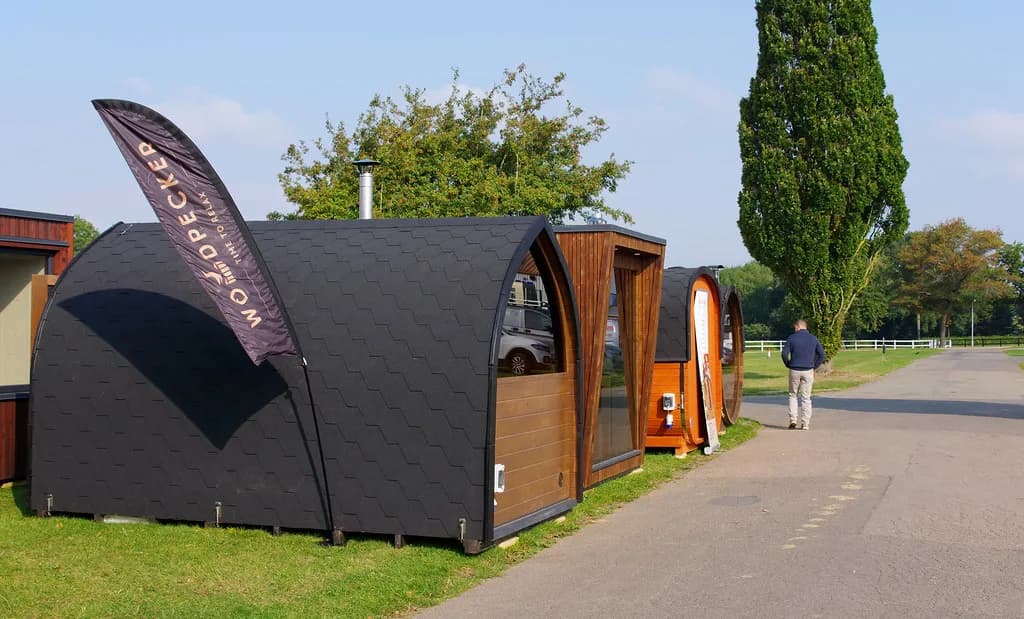
Saunas in the UK are overwhelmingly coastal, wood-fired and built around a cold dip: converted horseboxes and cabins parked on beaches, piers and quays, with the sea, a cold tub or a bucket shower as the second half of the round. That makes them a different proposition from the urban bathhouse and a very different one from a family sauna in Finland. Most sell sessions of 45 to 90 minutes, mixing communal slots where you share the benches with strangers and private bookings for your own group.
The practical questions are the same everywhere: whether to book ahead, how long the session buys you, whether people wear swimwear, and how far you walk between the heat and the water. This guide takes the coastal venues that publish their setup and prices, then sets out the conventions that apply across the country.
What a UK sauna is
The typical British sauna is a small timber cabin with a wood-fired stove, sited where people already swim. You book a slot, change in a shared or individual cubicle, take a towel and a seat cover, and move between the hot room and cold water for the length of your session. It is a social, often convivial setup rather than a silent one, though several venues run quiet slots for people who want the heat without conversation.
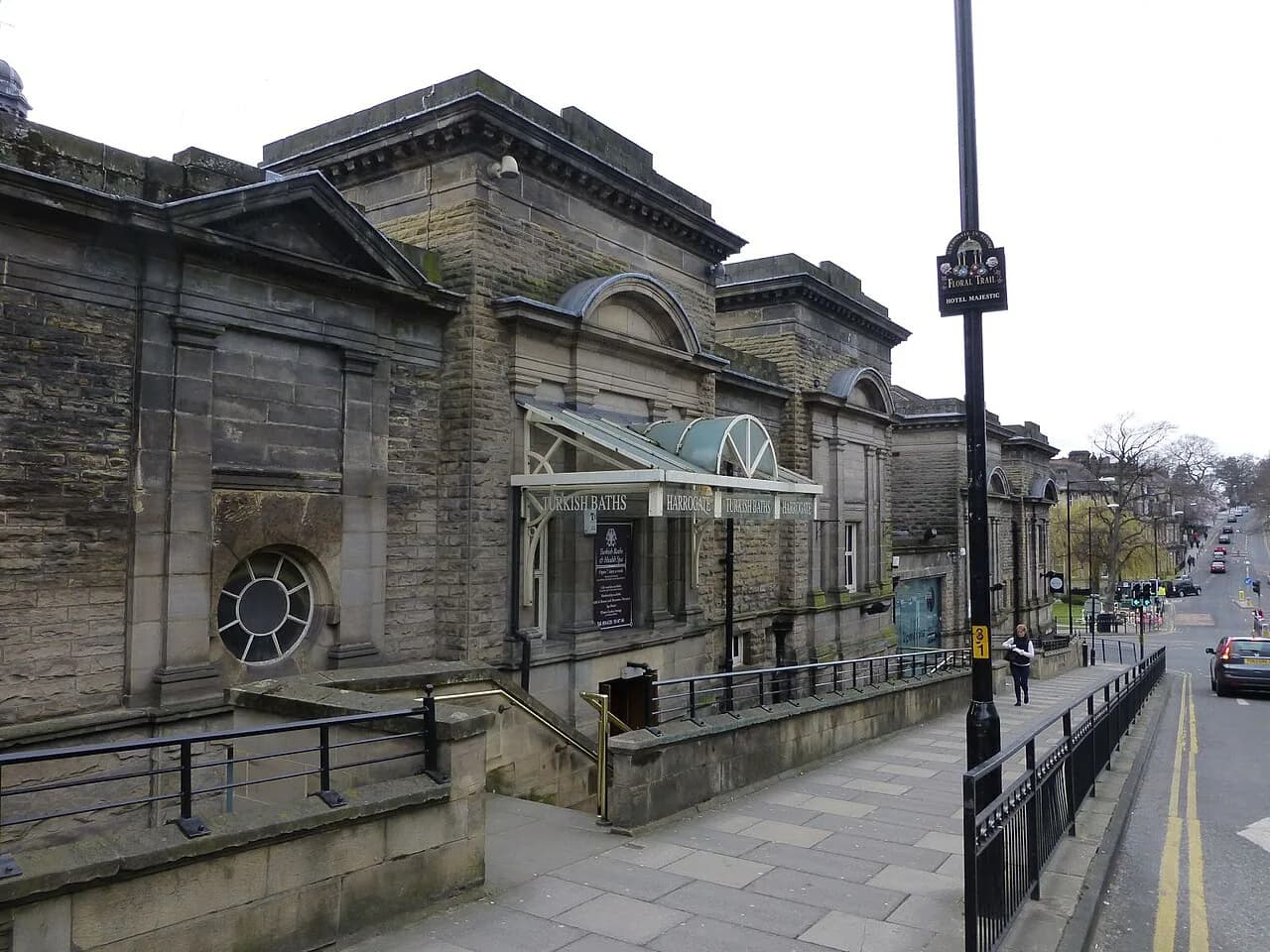
The other strand is the older civic tradition: Victorian and Edwardian Turkish baths with hot rooms, plunge pools and rest rooms, still operating in a handful of towns. These are architectural experiences as much as bathing ones, and they suit travellers who want a long, slow afternoon rather than a 60-minute beach hit. The outdoor saunas in the UK scene and the historic bathhouses barely overlap, so decide which one you are actually planning around before you book.
A third strand is the community sauna: volunteer-run or social-enterprise cabins, often in parks or on urban sites, with tiered pricing and a strong emphasis on local membership. The British Sauna Society, a not-for-profit that has championed authentic sauna culture in the UK since 2014, publishes a sauna map and directory that lists operators around the country, which is the quickest way to find what exists near a given town.
The best saunas in the UK: coastal venues worth the trip
The strongest cluster of public saunas sits along the English and Scottish coast, where cold water is free and reliable. Sussex, Kent, Cornwall, Dorset, Pembrokeshire and the east coast of Scotland all have established operations with published session structures. What follows sticks to venues that state their own prices and setups, so you can compare like with like before committing to a date.
Two things separate a good day from a frustrating one. First, whether the venue has a proper cold option within a few steps of the hot room, since a long exposed walk in wet swimwear is miserable in February. Second, whether it runs communal sessions at all: private-only operations are fine for a group but useless if you are travelling alone and want the atmosphere that makes British sauna distinct.
Samphire Sauna, Hastings: two saunas on the pier
Samphire Sauna sits on Hastings Pier in a repurposed green horsebox, with a second, mural-painted space added alongside in 2024. There are two changing rooms, a cold tub, a bucket shower and deckchairs looking out to sea. For a solo traveller the setup is unusually sociable: you sweat, cool off in the tub, and sit on the pier between rounds rather than retreating indoors.
Sessions run as 60-minute communal slots with off-peak rates starting at £16, and the venue added 45-minute express communal sessions on Mondays and Thursdays plus several quiet slots where talking is discouraged. The address is 1-10 White Rock, a short walk from the town centre and the station. Off-peak communal pricing is the cheapest route in, so a weekday daytime visit buys the same pier view for less than a weekend prime slot.
The trade-off is exposure. Hastings Pier takes whatever weather arrives, changing rooms are shared at busy times, and the cold tub is the only cooling option beyond the bucket shower. Quiet slots fill with people who want exactly that.
Sea Scrub Sauna, Folkestone: two sea-facing saunas and a café-bar
Sea Scrub Sauna opened on Folkestone beach west of the Harbour Arm, describing itself as the biggest beach sauna in the UK: a Scandinavian-style wood-fired room seating 14 and a more characterful shepherd's hut for 10. There is a communal cold plunge tank, a hot tub, warm showers and a shipping-container café-bar serving juices, canned cocktails and Japanese noodle broths. The food is a genuine draw, and it makes the venue work as a half-day outing rather than a quick stop.
Communal sessions run 60 minutes and start at £20 for non-members. Smaller Sea Scrub sites exist in Whitstable and Margate, the latter offering both a Nordic wood-fired barrel and an electric cube. If you are choosing between them, Folkestone has the full facilities and the food; the smaller sites suit a shorter, simpler visit.
The Harbour Arm location means a walk along an exposed stretch of beach to reach the saunas, and the plunge tank is shared with everyone else in your slot. Arrive changed where you can and keep bags minimal, since space in a busy changing area is the pinch point.
Kiln, Flushing and Falmouth: an eight-seater on the quay
Kiln opened in 2024 with an eight-seater wood-fired sauna on Kiln Quay beach in Flushing, followed by a second on Gylly beach in Falmouth. The interior blackened walls nod to a Japanese tea house, and the name refers to the lime kilns that once lined Cornwall's estuaries. That small capacity is the whole character of the place: eight people, a stove, and the sea a few steps away.
There are dedicated family sessions and events tied to the solstice and full moon, and cold plunges into the sea are part of the routine rather than an add-on. A 30-minute social session starts at £8, which makes it one of the cheapest ways to try a wood-fired sauna by the water. Short sessions suit first-timers; regulars tend to book longer private slots.
Flushing is a village across the water from Falmouth, so plan the trip around the ferry or the road route rather than expecting to walk from town. Sea access is tidal and weather-dependent, which is part of the appeal and also the reason a winter booking needs a realistic attitude to a cold, wet exit.
Wild Scottish Sauna: five sites on Scotland's east coast
Wild Scottish Sauna began as a wood-fired sauna on Kingsbarns beach in Fife in 2023 and has grown to five sites on Scotland's east coast, three on beaches and two loch-side. Communal sessions run 60 minutes and are cheap by regional standards. Each site has its own flavour: sunset sound bathing and aromatherapy at West Sands in St Andrews, sauna yoga at Shell Bay in Elie, and a wild spa booking at Kingsbarns that includes a salt scrub and a mud mask.
The east-coast setting is the deciding factor. These are beach and loch locations with genuine exposure to North Sea weather, so the walk from sauna to water is short but bracing, and wind is a bigger factor than temperature. Booking ahead matters more here than at an urban venue, because a single cabin at a remote site has very little slack when the weather is good.
St Andrews and Elie are straightforward to reach from Edinburgh and Dundee by road and rail, while the loch-side sites need a car. If you are combining sauna with a wider Scottish trip, pick the site nearest your route rather than trying to tick off several.
Wildwater Sauna, Pembrokeshire: a mobile wood-fired sauna between coves
Wildwater Sauna is a mobile wood-fired sauna that has spent three years moving between scenic spots on the Pembrokeshire coast, from Little Haven and Nolton Haven to Goodwick Parrog. A second, 10-seater sauna built with local timber and Welsh sheep's wool insulation has joined the original. Communal sessions run 55 minutes from £15, and there are longer options: a two-hour Sunday Sanctuary blending yoga, sauna and cold-water immersion, and a morning meditation and sauna session.
Because the sauna moves, the location is the thing to establish when you book: the operation has advertised summer appearances at Newgale and on the seafront in Dale. That mobility means the view changes with the booking, and it also means you should plan transport around the specific site rather than the company name. A car is effectively essential along this stretch of coast.
The Atlantic is the cold plunge, which is magnificent on a bright day and a genuine commitment in poor weather. The yoga-and-sauna formats are the ones to book if you want structure; plain communal slots suit people who just want heat and sea.
The Saltwater Sauna, Dorset: four sites and a 35-person sauna house
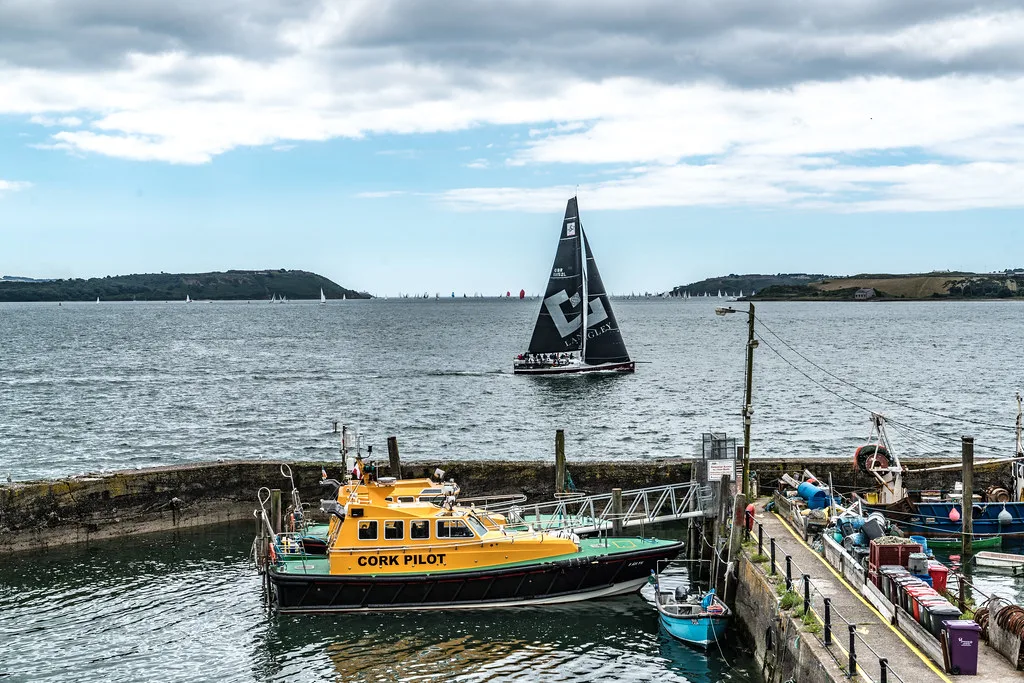
The Saltwater Sauna operates across Dorset at Lulworth Cove, Avon Beach and Sandbanks, each with a slightly different setup: heated changing rooms and showers with Wild England products at Lulworth Cove, two wood-fired saunas at Sandbanks, and a pair with electric stoves at Avon Beach. A flagship sauna house on Boscombe beach, built for 35 people, opened in May. Communal sessions of 65 minutes start at £15.
The Boscombe site runs 90-minute experiences, from open social sessions to guided communal bookings with thermal leaf whisking, herbal infusions and salt inhalations. That is the closest thing in this list to a programmed sauna ritual in the German or Baltic mould, and it is the right choice if you want someone else to lead the pacing. The smaller beach sites are better for a spontaneous dip.
Boscombe, Southbourne and the wider Bournemouth stretch are walkable and bus-served, which makes this the easiest of the coastal groups to visit without a car. Expect the big sauna house to be busiest in summer and at weekends, when the beach itself is packed.
How a session works: booking, slots and session length
Almost every venue here sells time rather than access. You book a named slot, typically 45, 55, 60, 65 or 90 minutes depending on the venue, and you leave when it ends so the next group can come in. The real booking decision is communal versus private: communal slots put you on the benches with strangers, which is the point of the British scene, while private slots give a group exclusive use of the cabin.
Communal sessions are cheaper per head and the only sensible option for solo visitors. They also fill first in summer, particularly at small cabins with eight to ten seats where one busy weekend can absorb the whole schedule. Private bookings cost more and are usually the only route for families with young children, since a hot room and a mixed group of strangers is not a relaxed combination.
Walk-ins exist at the larger sites but are a gamble at peak times. Booking a day or two ahead is standard practice across the sector, and for a specific weekend date in July or August it is close to essential.
Swimwear, towels and seat covers: the UK norm
In the UK you wear swimwear. Communal sessions here are mixed, textile and generally quiet about nudity, which is the single biggest difference from the Finnish sauna, where mixed groups are unusual and bathing is nude. Bring a towel, and at most venues a second one to sit on: some supply seat covers, many do not, and a towel between you and the bench is expected.
Changing provision varies sharply. Lulworth Cove has heated changing rooms and showers, Samphire has two changing rooms, and smaller beach operations may offer little more than a cubicle or a screened corner. Showers are the norm at the established sites and a bucket or cold rinse at the simpler ones. Pack flip-flops, a dry layer for afterwards and a bag that closes.
Löyly is the Finnish word for the steam you get by throwing water on hot stones, and British operators use it freely in their marketing. In practice, expectations differ: some venues encourage ladling and offer aromatherapy infusions, others leave the bucket to you. Ask before you throw, since a room full of strangers may not want the heat spike.
The cold-water option: sea dips, cold tubs and bucket showers
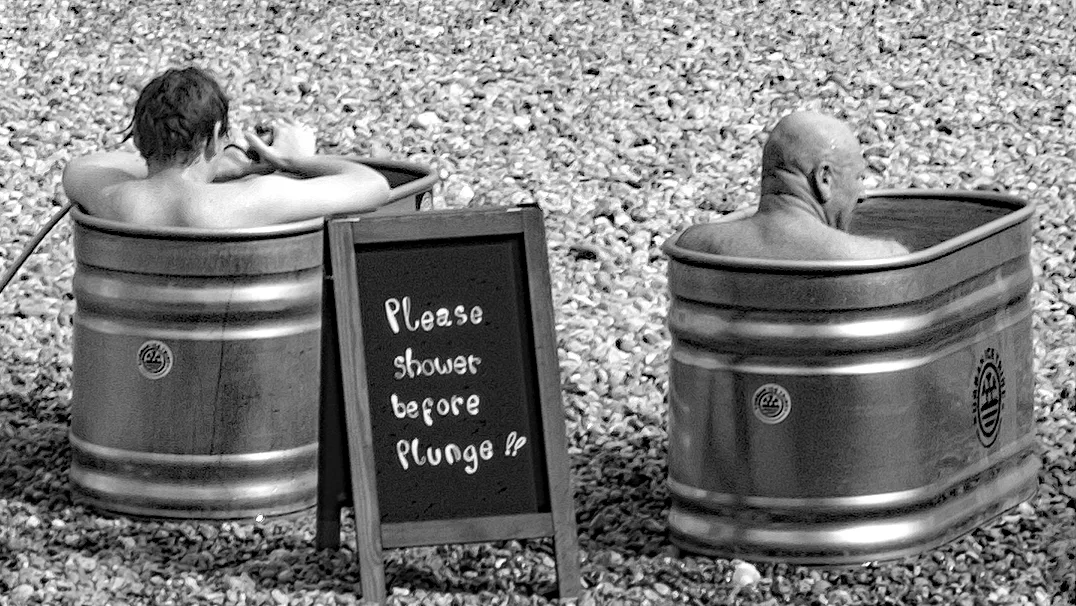
Cold water is the organising feature of sauna-going in Britain. The coast provides it free, and the venues build around that: Samphire has a cold tub and bucket shower on the pier, Sea Scrub a communal plunge tank, Kiln encourages sea plunges, and Wildwater uses the Atlantic. Urban and inland saunas substitute cold tubs, plunge pools or showers.
The honest trade-off is the walk. At a beach sauna you cross pebbles, sand or a concrete apron in wet swimwear, often in wind, sometimes in the dark for an evening slot. That is fine in July and character-building in January, and it is the main reason people choose a venue with a heated changing room over one with a better view.
Keep the basics in mind: stay hydrated, skip alcohol before bathing, leave the hot room if you feel unwell, and ask a doctor first if you have a heart condition or are pregnant.
Prices and booking: what each venue publishes
Rates are per person and per session, quoted in pounds sterling. Samphire's communal off-peak sessions are cheap, Sea Scrub charges a modest sum for 60 minutes for non-members, and Kiln is the cheapest of the group for a 30-minute social session. Wild Scottish Sauna, Wildwater and Saltwater all sit at a similar low-to-mid price point for sessions of around an hour.
Those figures are starting points, not the whole board. Off-peak weekday slots undercut weekend and evening sessions, private bookings cost more than communal ones, and longer formats such as Saltwater's 90-minute experiences or Wildwater's Sunday Sanctuary sit above the standard rate. Compare the per-minute cost of the session length you will actually book rather than the headline number.
Payment and cancellation terms are set by each operator and change with the season. The venue's own site is the place to look, and Samphire Sauna's booking page is a reasonable example of how the slot structure is laid out.
What to bring and what to leave behind
Bring swimwear, a towel to dry with and a second to sit on, flip-flops, and a warm dry layer for the walk back. A water bottle matters more than people expect in a wood-fired cabin. A hat is useful for anyone who finds the top bench too fierce, since a towel over the head or a felt sauna hat takes the edge off the radiant heat.
Leave behind jewellery that heats up, anything you would miss if it got damp, and glass. Most venues have limited secure storage, so travel light and expect to keep your bag beside you. Alcohol before bathing is a bad idea and some operators discourage it outright.
Getting there: pier, beach and quay locations
Coastal saunas tend to sit at the end of a walk. Hastings Pier is a few minutes from the town centre and station. Folkestone's Harbour Arm is a seafront walk from the town. Flushing is a separate village from Falmouth across the water, so check the ferry or drive. St Andrews and Elie are reachable by bus and rail, while the Pembrokeshire coves and the loch-side Scottish sites really need a car.
For the Dorset group, Boscombe, Avon Beach and Sandbanks are on local bus routes and reasonably flat to cycle, with Lulworth Cove the outlier that rewards a car. Where parking is charged and limited in summer, arriving by public transport removes the biggest source of friction on a beach day.
If you want an inland alternative in the north of England, the Harrogate Turkish Baths combine a Victorian Turkish bath with a modern spa circuit and sit within easy reach of the Yorkshire coast and Leeds.
Seasonal notes: winter dips and quiet slots
British sauna is a year-round habit, and winter is arguably its best season: cold sea, empty beaches, and a hot cabin that feels earned. The catch is daylight and weather. Evening slots mean crossing sand in the dark, and a gale can close or curtail a beach operation. Off-peak weekday slots are both cheaper and quieter outside school holidays.
Summer flips the problem. Good weather brings crowds, the small cabins sell out days ahead, and changing space becomes cramped. Several venues respond with quiet or express sessions aimed at people who want a shorter, calmer visit. Booking the shoulder months, or a weekday morning, gets you the same water with far fewer people.
Sauna etiquette in the UK in brief
The unwritten rules are simple. Shower before you go in, sit on a towel, keep the door closed, and ask before throwing water. Give people space on the bench, keep conversation low if the slot is not explicitly social, and leave the room if you feel dizzy rather than toughing it out. Mobile phones stay out of the hot room at most venues.
Guided sessions have their own conventions: follow the lead of the person running the Aufguss or whisking ritual, stay seated unless invited, and sit lower down if the heat is too much. If you are new to it, a quiet slot with a cold tub is the gentlest introduction, and the community saunas in the UK are used to first-timers.
How UK sauna culture differs from the Finnish sauna
Finland treats the sauna as an everyday institution: households, workplaces, lakeside cabins, and public halls where mixed-gender groups usually bathe nude, with a vihta of birch leaves and a lake between rounds. Britain has imported the equipment and much of the vocabulary, but kept the swimwear, the booking slot and the ticketed session. The result is more social performance and less domestic routine.
That distance is closing. Aufguss championships, herbal-cup competitions and programmed rituals now run in the UK, and the British Sauna Society has been pushing authentic sauna culture since 2014. Still, if you want the thing itself, an urban Finnish hall such as Kotiharjun sauna in Helsinki or a sea-facing pool like Allas Sea Pool will feel different from anything on a British beach.
For travellers building a sauna itinerary across northern Europe, the practical sequence is to start with a British beach sauna for the cold-water setting, then compare it with a Finnish public hall where the nude, mixed, self-paced convention applies. The contrast is the point, and it is best experienced in that order.
Plan Your Visit
Pick the venue by the water, not the logo. If you want a sociable hour with a cold tub and a sea view, Hastings or Folkestone in the south or the Saltwater sites in Dorset deliver it with the most infrastructure. If you want a small cabin and a genuine plunge into cold sea, Kiln in Cornwall or one of the Wild Scottish Sauna beaches is the better match.
Book a communal slot if you are travelling alone or as a couple, and a private one if you have children or a group. Go off-peak for price and quiet, take two towels, and treat the walk to the water as part of the session rather than an inconvenience. Winter, with a clear sky and an empty beach, is the version most people remember.
Explore more United Kingdom sauna guides
Frequently Asked Questions
What are the best saunas in the UK?
The coastal venues with the fullest facilities are Samphire Sauna on Hastings Pier, Sea Scrub Sauna on Folkestone beach and The Saltwater Sauna's sites in Dorset. Kiln in Flushing and Falmouth and the Wild Scottish Sauna beaches suit travellers who want a small wood-fired cabin and a direct sea plunge. For a first visit, choose a venue with heated changing rooms and a cold tub within a few steps of the hot room.
What are the rules and etiquette for using a sauna in the UK?
Shower before you enter, sit on a towel rather than the bare bench, keep the door closed and ask before throwing water on the stones. Keep conversation low in communal slots unless the session is explicitly social, leave your phone outside the hot room, and step out if you feel unwell. In guided sessions, follow the lead of the person running the ritual and stay seated unless invited to move.
Do you wear swimwear in a UK sauna?
Yes. Communal sessions in the UK are mixed and textile, so bring swimwear plus a towel to dry with and a second towel to sit on. That is the clearest difference from the Finnish sauna, where mixed groups are unusual and bathing is nude. Some venues supply seat covers, but a towel between you and the bench is the safe assumption.
How long is a sauna session in the UK?
Most coastal venues sell fixed slots of 45, 55, 60, 65 or 90 minutes, and you leave when the slot ends so the next group can come in. Shorter 30-minute social sessions exist at some smaller sites, while longer guided formats such as Saltwater's 90-minute experiences combine several rounds with infusions. Book the length that matches how many hot-and-cold rounds you actually want.
Do UK beach saunas have cold water plunges?
Many do. Sea Scrub in Folkestone has a communal plunge tank, Samphire in Hastings has a cold tub and bucket shower, Kiln in Cornwall encourages sea plunges, and Wildwater in Pembrokeshire uses the Atlantic. At simpler beach sites the sea itself is the cold option, which means a walk across sand or pebbles in wet swimwear, often in wind.
How much does a sauna session cost in the UK?
Communal sessions at the coastal venues generally start in the mid-teens to twenty pounds per person, with 30-minute social sessions cheaper and longer guided formats or private bookings above the standard rate. Off-peak weekday slots undercut weekends and evenings. Each operator publishes its own rates and slot structure, so compare the per-minute cost of the session you will actually book rather than the headline figure.
Sources
Sauna notes for your next trip
Optional updates to our sauna guides.
You might also like
Continue reading
More guides you'll find useful