Victorian Turkish Baths in the UK: How They Work and Where to Go
Victorian Turkish baths in the UK run hot rooms, steam and a cold plunge in tiled halls. Here is how a session works, what to wear and where to go.
On this page
A Victorian Turkish bath is a journey through a sequence of heated rooms — a warm room, a hot room, steam, a cold plunge and a cooling room for rest — rather than one hot box you sit in for twenty minutes. That sequence is the point: you move, you cool, you sit down again, and the tiled hall around you is part of the experience. Britain built dozens of these halls in the nineteenth century, and a handful still take bathers today.
The tradition is closer to a Victorian public bathing institution than to a modern spa menu. Expect a fixed circuit, tiled walls, wooden benches, a plunge pool and a lot of lying about afterwards in a lounger. It rewards readers who like ritual and structure more than readers who want a quick sweat between meetings.
What a Victorian Turkish bath actually is
The defining feature is not the steam: it is the sequence of rooms at different temperatures and the cold plunge that closes the heat cycle. You start warm, move to a hotter dry room, take steam, plunge, then rest in a cool room before going round again. A single steam room with a sauna next door is a different thing entirely.
What is a Victorian Turkish bath? It is a nineteenth-century British bathing institution built around a sequence of heated rooms — warm room, hot room, steam — followed by a cold plunge and a rest in a cooling room. The ornate tiled interiors are part of the experience, and a session typically runs to around two hours and several rounds.
What do you wear to a Turkish bath in the UK? Bring a swimsuit and a large towel, and sit on the towel on the benches. UK venues set their own rules on swimwear and on single-sex sessions, so read the venue's page before booking.
How does a Turkish bath session work? You change and shower, spend ten to fifteen minutes in the warm room, move to the hot room, take a few minutes of steam, plunge briefly in cold water, then rest in the cooling room. Most bathers complete two or three rounds.
The halls themselves are the attraction as much as the heat. Victorian operators built ornate tiled interiors with glazed brickwork, coloured glass, arched alcoves and loungers, and those surfaces have survived in the cities that kept their baths running. Sheffield's Victorian-built Turkish Baths & Spa 1877 is one of roughly eight such survivors in the UK, and it runs an aroma steam room, an ice chamber, a hot steam room, a sauna and a cold plunge pool.
The building is not always a bathing venue. The Victorian Bath House in London survived the Blitz and now operates as an events space rather than a public bath, so it belongs on an architecture list, not a swim bag. Check which kind of building you are dealing with before you plan a visit around it.
How the tradition reached Britain and why the tiled halls survived
The Victorian Turkish bath was a British reinterpretation of an Ottoman practice, imported in the mid-nineteenth century and promoted as a public health institution. Cities built them as municipal amenities, often attached to swimming baths, which is why so many survivors sit inside older public bath complexes rather than standalone buildings.
Survival came down to continued municipal use and later restoration, not to fashion. Where a local authority kept the building in service as a bathing facility, the tiles, hot rooms and plunge pool stayed intact; where the building changed use, the interiors often became event backdrops.
For travellers, that means a Turkish bath is usually a civic building with an odd opening pattern, not a commercial spa with late hours. Fit it into a city day as a fixed appointment rather than an impulse stop.
How a session works, step by step
You change, shower, and take a towel into the warm room first, sitting or lying on a towel on the bench. Ten to fifteen minutes there is enough to start sweating gently before you move on; rushing straight to the hottest room is the classic first-timer error.
The hot dry room comes next, then the steam room, where the air is wet and the heat sits differently on the skin. Bathers typically stay shorter in steam than in the dry heat — a few minutes at a time — and step out before they feel wrung out. The plunge follows the heat, not the other way round.
After the plunge, the cooling room is where the Victorian ritual actually happens: you wrap up, lie on a lounger and let your temperature settle before another round. Two or three rounds is a normal session and fills the two-hour slot that many halls run to.
Heat levels and the cold plunge
The rooms step up in intensity rather than jumping to maximum: warm, hot, then steam, with the plunge as the reset. Treat the sequence as a guide, not a target, and leave any room earlier than you planned if it feels like too much.
The cold plunge pool is the part that defines the tradition, and in several surviving halls it sits in the tiled relaxation area rather than in a separate wet zone. Carlisle's Turkish Baths and Victorian Health Suite pairs a sauna and steam room with three heated rooms and an ornately tiled relaxation lounge featuring a cold plunge pool, so the cool-down is part of the room you rest in.
One plain safety line covers the whole session: stay hydrated, skip alcohol before bathing, leave if you feel unwell, and ask a doctor first if you have a heart condition or are pregnant.
What to wear and what to bring
UK public sauna and spa settings generally expect a swimsuit or a wrapped towel, and nudity is not the norm in mixed-gender rooms; most venues state their own rules on swimwear and on towels on the benches. A clean towel to sit on is standard hygiene practice almost everywhere in Britain.
Pack a large absorbent towel, a second smaller one if you plan several rounds, and flip-flops for the wet floors between changing room, steam and plunge. Leave metal jewellery and hair clips in the locker: metal heats fast against skin in a hot room.
Skip heavy perfume and rich body creams before you go — in a small steam room the scent fills the space for everyone else. A water bottle and a hair tie do more for your session than any accessory.
Prices and booking
Victorian baths in public or charitable ownership sit at the moderate end for a two-hour session, while restored halls run as commercial spas charge noticeably more. Sheffield's Victorian Baths & Spa 1877, for example, prices a two-hour session at £35 including the aroma steam, ice chamber, hot steam, sauna and cold plunge pool.
Booking patterns vary more than prices. Some halls run timed slots through the day and sell out at weekends, others keep walk-in space for locals; single-sex sessions are common in the older municipal buildings and are worth knowing about before you turn up with a mixed group.
Book ahead for a weekend or a city break with a fixed itinerary, and aim for a weekday slot if you want a quieter hot room. The venue's own booking page is the only reliable source for current slots and session types.
Victorian Turkish Baths in the UK worth travelling for
Sheffield's Victorian Baths & Spa 1877 is the most complete city-centre example, built in the Victorian period and still running the full circuit of steam, sauna, ice chamber and plunge. It works well as a half-day stop near the city's museums and theatres.
Carlisle's Turkish Baths and Victorian Health Suite is the other strong northern option, with three heated rooms and that tiled plunge lounge. If you are already planning a wider sauna trip, it slots naturally into itineraries built around saunas in the UK that pair city baths with coastal and lakeside venues.
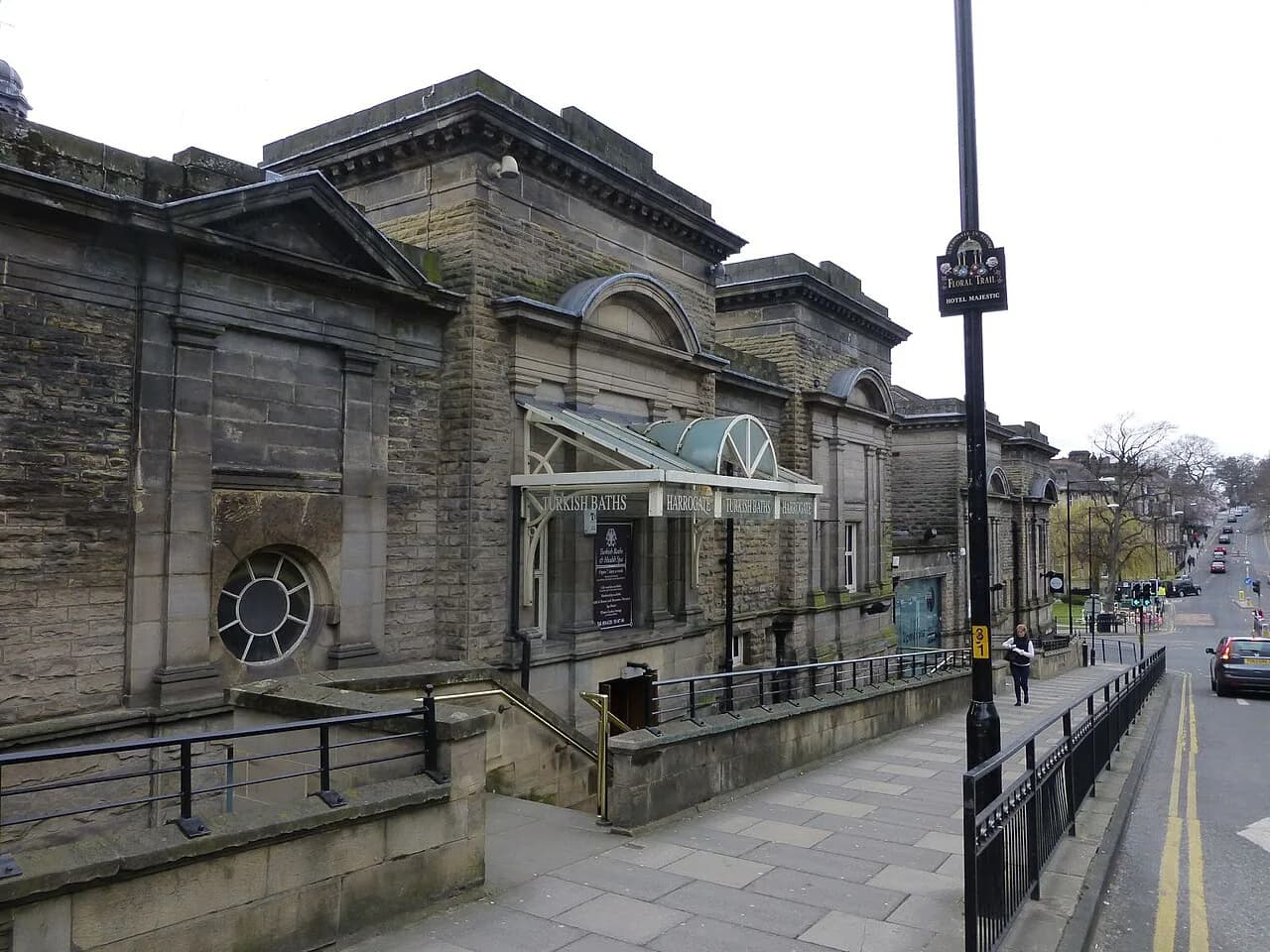
Harrogate's Turkish baths are the classic Yorkshire set-piece, and worth reading up on before you commit a day to North Yorkshire. The same city-break logic applies: check session times, then build the rest of the day around them.
Anyone travelling for a city Turkish bath can extend the trip with outdoor saunas in the UK, which run on a different rhythm: wood-fired heat, a lake or sea plunge and much less tiling.
Other Victorian and municipal bath houses to know
London's Victorian Bath House is the cautionary example: a nineteenth-century Turkish bath interior that survived the war and is now an events venue you cannot bathe in. Visit for the architecture or a private event, not for a plunge.
Beyond the named halls, Britain's bathing revival runs through community and coastal projects rather than Victorian buildings, and the British Sauna Society keeps a national map of saunas alongside its guidance on sauna and cold water safety. It is the most useful single starting point for finding a sauna near a given town.
Readers who want the sauna side of the trip rather than the bathing architecture can start with community saunas in the UK, where pay-what-you-can sessions and simple wood-fired cabins dominate.
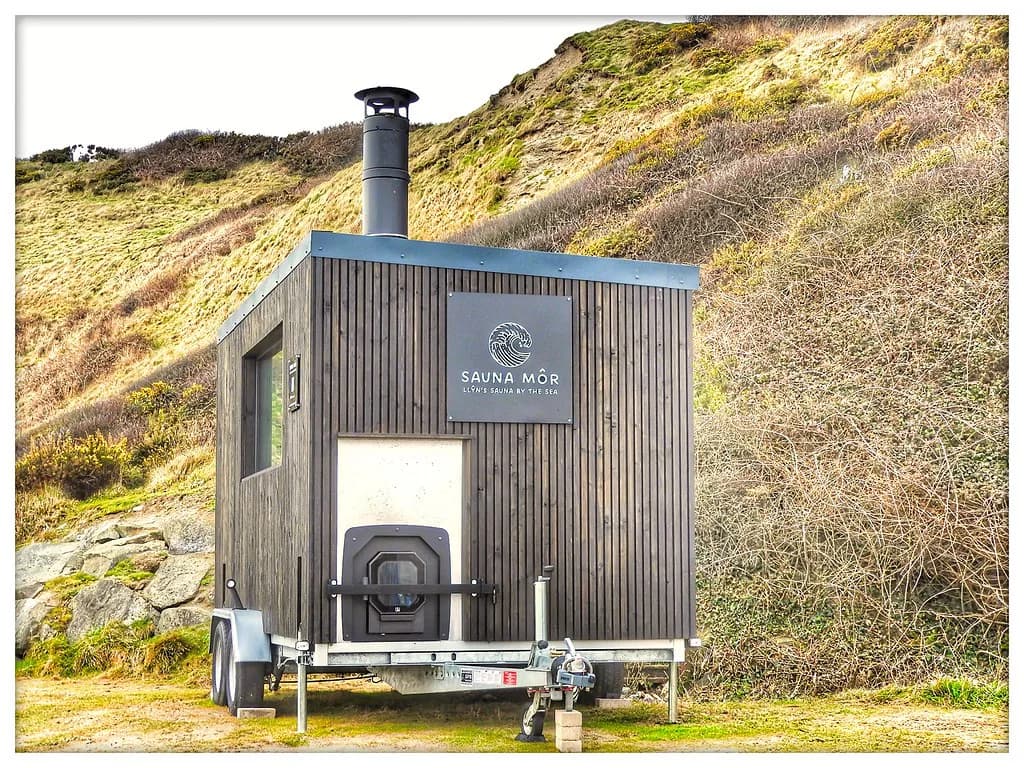
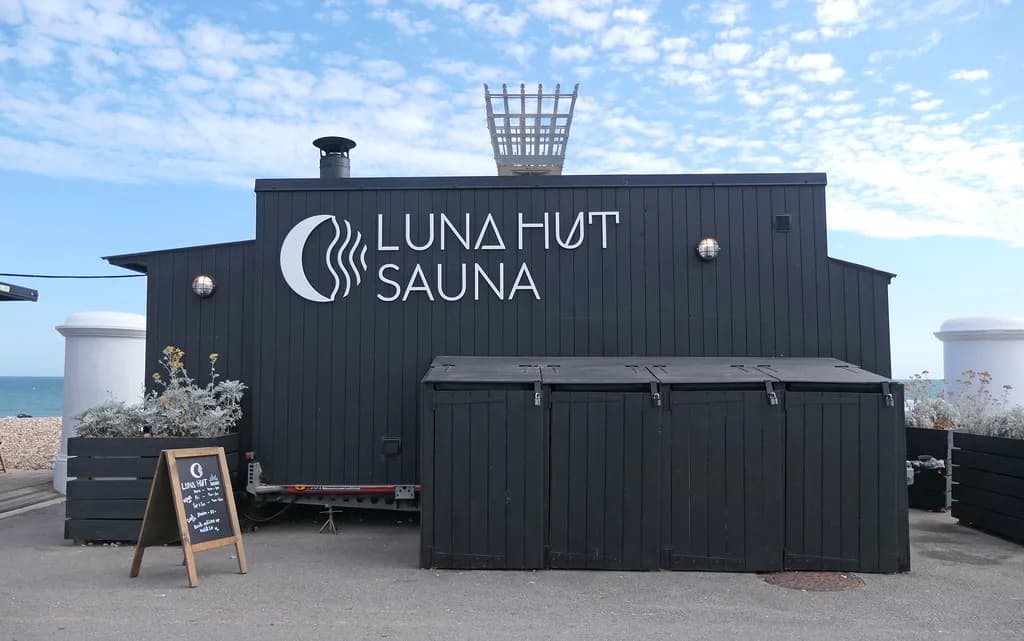
For beach-side heat and cold water in one place, beach saunas in the UK cover the coastal cabins and converted horseboxes that now dot the shoreline, from Sauna Môr on the Llŷn Peninsula to pier-side setups.
Turkish baths versus the Finnish sauna
The Finnish sauna works in short rounds: five to fifteen minutes in dry heat, a ladle of Löyly on the stones, then out to cool in air, water or snow, repeated as often as you like. The rhythm is informal and the room is usually small, wooden and quiet.
The Turkish bath is more architectural and more directed: a set route through rooms of increasing heat, steam in the middle of the sequence, and a plunge pool rather than a lake. Finnish bathing is about Löyly, the steam that rises when water hits hot stones; the Victorian version is about a tiled circuit.
Etiquette differs too. In a Finnish room you sit where you like and keep conversation low, while in a British hall you follow the sequence and often a member of staff keeps the rooms moving. Neither is stricter; they are simply different scripts.
If you are unsure which tradition suits you, start with the Finnish sauna and its round-based rhythm, then try a Turkish bath as the more structured, more sociable version. Both are easy to slot into a city break.
Common mistakes first-timers make
The most common error is treating the hot room as the main event and skipping the warm room entirely, which makes the heat feel brutal within minutes. Give the warm room its ten minutes and the rest of the sequence follows easily.
The second is staying too long in the steam room and then skipping the plunge out of nerves. A brief cold dip between rounds is the point of the Victorian circuit; step in, breathe out, step out.
The third is planning a session without checking session type. Single-sex sessions and swimwear rules vary by hall, and arriving in the wrong slot is the fastest way to waste a booking. Read the venue's own page before you travel.
Getting there and fitting a session into a city day
Most surviving halls sit in city centres, close to main stations, so they work as a two-hour block between lunch and an evening train rather than a separate day out. Sheffield's baths are a short walk from the city's main shopping streets; Carlisle's sit within reach of the centre.
Plan around the session length, not just the start time: a two-hour booking plus changing and a slow exit takes closer to two and a half hours, which is easy to underestimate when you are squeezing it between trains.
If you are combining a bath with other bathing traditions, the same trip logic works for saunas in the Lake District and saunas in the Peak District, where a morning sauna and an afternoon walk beat a rushed city appointment.
Travellers who want to understand British sauna manners before they go should read up on sauna etiquette in the UK, which covers towel rules, quiet, and how to handle a mixed room.
Safety and comfort essentials
Drink water before and after the session, skip alcohol beforehand, and eat something light rather than a large meal. Leave any room the moment you feel light-headed, and sit in the cooling room until you are steady.
Ask a doctor first if you have a heart condition or are pregnant, and keep the plunge brief rather than competitive. A sauna or steam session is a custom, not a training goal.
Take your time in the cooling room afterwards: the rest between rounds is where a Victorian Turkish bath differs from a quick spa visit, and the tiled lounges are built for it.
Plan Your Bath
Pick one surviving hall — Sheffield or Carlisle for a northern city break, Harrogate for a full Yorkshire day — and build the trip around a two-hour slot rather than squeezing it in. Book a weekday session if you want quieter rooms.
Bring a towel, flip-flops and a swimsuit, expect a sequence rather than a single room, and treat the cold plunge as the hinge of the visit. If you prefer short rounds and a lake or sea outside the door, the Finnish sauna is the closer match to your instincts.
Frequently Asked Questions
What is a Victorian Turkish bath?
It is a nineteenth-century British bathing institution built around a sequence of heated rooms — warm room, hot room, steam — followed by a cold plunge and a rest in a cooling room. The ornate tiled interiors are part of the experience, and a session typically runs to around two hours and several rounds.
What do you wear to a Turkish bath in the UK?
Bring a swimsuit and a large towel, and sit on the towel on the benches. UK venues set their own rules on swimwear and on single-sex sessions, so read the venue's page before booking. Leave metal jewellery and heavy perfume behind.
How does a Turkish bath session work?
You change and shower, spend ten to fifteen minutes in the warm room, move to the hot room, take a few minutes of steam, plunge briefly in cold water, then rest in the cooling room. Most bathers complete two or three rounds.
What is the difference between a Turkish bath and a Finnish sauna?
A Finnish sauna is short, informal rounds of dry heat with Löyly thrown on the stones, cooled off in air or water between rounds. A Turkish bath is a directed route through several rooms of increasing heat with steam in the middle and a plunge pool, often in a much larger tiled building.
Are there Victorian Turkish baths still open in the UK?
Yes, roughly eight Victorian-built Turkish baths survive in Britain, and some still operate as public bathing venues — Sheffield's Turkish Baths & Spa 1877 and Carlisle's Turkish Baths and Victorian Health Suite among them. Others, such as London's Victorian Bath House, now run as events spaces.
How much does a Victorian Turkish bath cost?
It depends on whether the hall is publicly or charitably run or operates as a commercial spa. Sheffield's Victorian Baths & Spa 1877 sets its own admission for a two-hour session covering the aroma steam, ice chamber, hot steam, sauna and cold plunge pool; the venue's website carries the current rates.
Should I book a Turkish bath in advance?
Yes for weekends and fixed city itineraries, because timed slots sell out and single-sex sessions run at set times. Weekday slots are usually easier to walk into, but the venue's own booking page is the only reliable source for current sessions.
Sources
Sauna notes for your next trip
Optional updates to our sauna guides.
You might also like
Continue reading
More guides you'll find useful