Community Saunas in the UK: How They Work and Where to Go
Community saunas in the UK are non-profit baths with wood-fired heat, cold plunges and pay-per-session pricing. Here is how a visit works and where to find one.
On this page
Community saunas in the UK are non-profit baths where you book a slot in a shared, usually wood-fired hot room and cool off in a plunge tub or shower, paying per session rather than for a day at a spa. They are run by community organisations rather than hotels, which shapes everything from the changing arrangements to the ticket price. The model grew out of the Finnish sauna tradition, and a first visit is far easier if you know the Finnish sauna conventions before you go.
What a community sauna is in the UK
The defining feature is ownership: a community sauna is a not-for-profit operation, often a Community Interest Company, where surplus goes back into the baths and into outreach work rather than to private shareholders. The Community Sauna Network exists specifically to connect, support and fund these initiatives across the UK. That structure is why tickets are modest and why the atmosphere is closer to a public swimming bath than to a resort spa.
What is a community sauna? A community sauna is a not-for-profit bathhouse where you book a timed slot in a shared, usually wood-fired hot room and cool off in a plunge tub or shower. Surplus goes back into the operation and outreach work rather than to shareholders.
How much does a community sauna cost in the UK? Prices are set per session and kept low, with a concession rate and multi-session passes for regulars. Each operator publishes its own rates on its booking page, so compare the pass price with single tickets if you plan more than two visits.
Do you have to book a community sauna in advance? Booking ahead is the norm, because a wood-fired room holds only around a dozen bathers and popular evening slots fill early. Midweek daytime sessions are usually easier to secure at short notice.
The heat itself follows the Finnish pattern: a hot timber room, a stove, water to ladle onto stones, and a cold option immediately outside or alongside. British community baths rarely have a lake or sea on the doorstep, so the cold side is normally a plunge tub, a bucket shower or a cold tap. Our guide to the Finnish sauna explains the round structure of heat, cool, rest and repeat that these venues are built around.
How a session actually works: booking, session length, mixed changing, towels and seat covers
Sessions are ticketed and time-boxed, and booking ahead is the norm rather than a courtesy, because a wood-fired room holds only a dozen or so bathers at a time and popular evening slots fill early. Treat a slot as a block of roughly an hour to ninety minutes in which you move between heat, cold and a rest area at your own pace. Small sites often run mixed sessions through most of the day, with single-sex or quieter slots at specific times; the timetable on Community Sauna Baths' booking page is the only reliable guide.
Etiquette is the Finnish standard adapted to a British changing room: shower before you go in, sit on a towel or a provided seat cover, and keep conversation low. Swimwear rules vary by venue and by session type, so read the booking notes for the slot you choose instead of assuming. Bring a towel you do not mind getting wet, a second one for drying, and a water bottle; most sites provide somewhere secure for bags but few have space for large luggage.
The cold-water side: plunge tubs, showers and what to expect outdoors
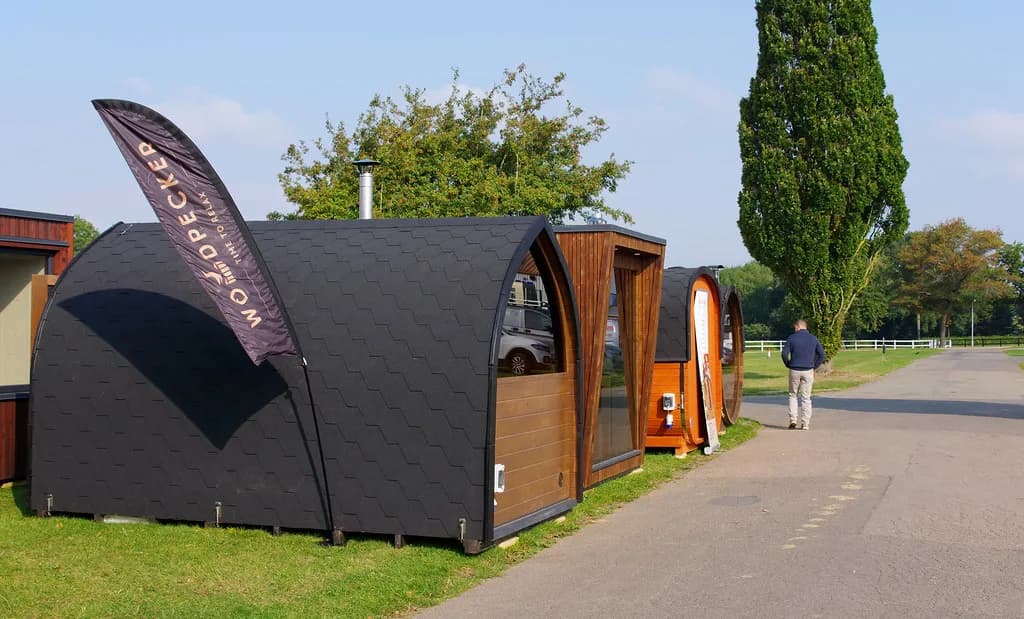
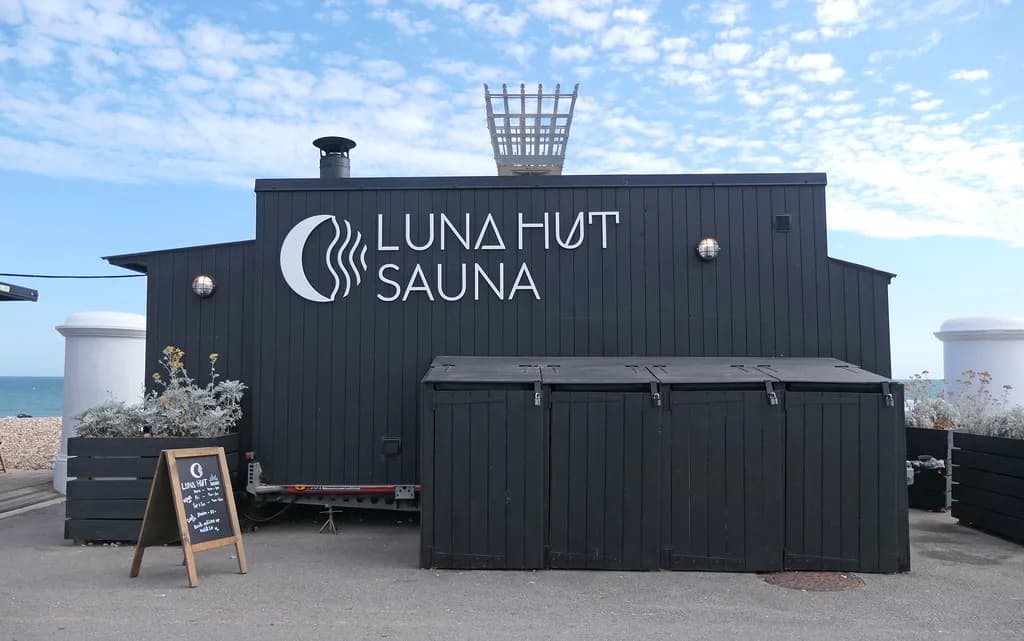
At the London community baths the cold plunge sits outdoors beside the sauna barrels, which means a short, cold walk in bare feet or flip-flops between the heat and the water, and a real drop in temperature in winter. That outdoor layout is part of the appeal, and it is also the main practical gripe: bring something for your feet and expect the changing area to be compact when a session turns over. Beach saunas in the UK take the same principle to the coast, where the sea does the work of the plunge tub.
What it costs and how concessions and passes work
Pricing is per session and deliberately low, with a concession rate for people on lower incomes, students and unwaged visitors. Multi-session passes cut the per-visit cost further for regulars. As a benchmark for how these venues price things, classes at the Hackney Wick site of Community Sauna Baths cost £12, or £9 at the concession rate, with a 3-pass at £27, a 5-pass at £42.50 and a 10-pass at £80 — those figures cover the movement classes, not sauna sessions, so read the sauna booking page for its own rates.
The practical budget lever is the pass and the off-peak slot rather than any hidden add-on: there is no minimum spend on robes or drinks, and food, where a site has a café or bar, is priced separately. If you plan to bathe more than twice in a trip, a pass usually beats single tickets. Do not carry cash expecting a locker deposit; check what the booking page asks for before you arrive.
Community Sauna Baths in London: Hackney Wick, Camberwell, Peckham, Stratford and Walthamstow
Community Sauna Baths runs five open London sites: Hackney Wick in the east, Camberwell and Peckham in the south, and Stratford and Walthamstow further out along the eastern lines. All five appear on the network's list of operating sites, which is the current record of what is open. Pick by transport rather than by reputation: Peckham and Camberwell suit a south London day, while Stratford and Walthamstow are quick from the Victoria line and the Overground.
Hackney Wick is the largest and busiest of the group, with sauna barrels and cold plunge in an outdoor yard behind The Bath House on Eastway, plus a separate programme of classes in the Sunroom. Camberwell, Peckham, Stratford and Walthamstow are smaller neighbourhood baths, which makes them easier to book at short notice and calmer midweek. For comparisons with sauna scenes in other English cities, see saunas in Sheffield and saunas in Birmingham.
The wider Community Sauna Network: Bristol, Brighton, Leeds, Glasgow, Machynlleth and Croesor
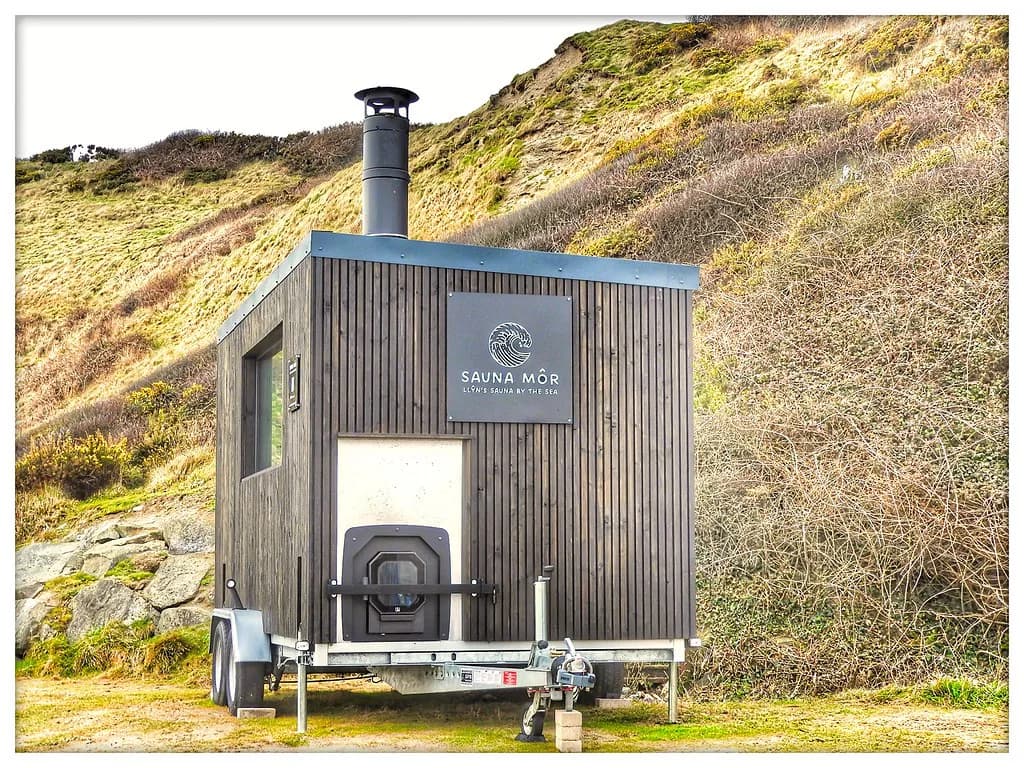
The network reaches well beyond the capital. Its site list includes Bristol at St Anne's and at Hartcliffe City Farm, Stanmer Gardens in Brighton, Leeds, Glasgow, Machynlleth in Wales and Croesor in North Wales. Several further towns, including Cardiff, Inverness, Hove, Birmingham, Nottingham, Cornwall, Exeter, Manchester, Shrewsbury, Warwick, Bath, Oxford and a second Glasgow site, are listed as upcoming rather than open, so a town appearing in the network is not the same as a bath you can book this week.
For a traveller, the network list is the sensible starting point for a trip outside London: match a town against the open sites, then go to that operator's own booking page for its timetable. Some are rural and worth checking ahead, since a small site may keep limited hours. If your plans centre on a city not yet on the list, our overview of saunas in the UK points to established alternatives nearby.
The Bath House, Hackney Wick: sauna inside a wider community building
The Bath House on Eastway is a converted baths building shared by several residents, with the Hackney Wick sauna operating inside it alongside a café and bar, a recording studio, a hairdresser and a library of things. The building's own hours are Monday and Tuesday 10am to 10pm and Wednesday to Sunday 8:30am to 11pm, excluding events, so the bar and café can be a post-sauna stop rather than a separate trip. The sauna keeps its own roster of events and promotions, which is worth reading before you pick a slot.
Because the sauna is one resident among many, the experience is more sociable and more public than a dedicated bath: there may be a dance night, a life-drawing class or an open mic in another part of the building on the same evening. That is either the attraction or the drawback depending on what you want from a session, so check the building's what's-on listing if you are after quiet heat.
Sauna etiquette in a shared, mixed, not-for-profit bath
Shared heat means shared rules, and they are simple: shower first, take a seat cover or towel to sit on, keep your voice down, and give up your place after a reasonable round so the next bather can sit. A round of five to fifteen minutes is the Finnish habit, followed by cooling and a rest; nobody is timing you, but the room is small and hogging a top bench through three rounds is noticed. Concessions exist because the model is meant to be inclusive, so the low price is no licence to overstay a booked slot.
One more convention worth knowing: the Löyly, the steam from water thrown on the stones, is shared. Ask before you throw a large ladle on, especially in a full room, and expect others to do the same. Silence is perfectly acceptable; conversation is fine at low volume.
What to bring and what to leave at home
Bring two towels, one to sit on and one to dry with, plus a water bottle, flip-flops for the walk to the plunge and a bag that closes. Leave valuables at home, keep jewellery off the hot benches, and skip the heavy meal and the alcohol before you bathe — the standard advice at every public sauna in Europe. Most sites have showers, so a wash bag with a small soap is useful, and a warm layer for the outdoor walk between heat and water makes a winter session far more comfortable.
Photography is the one thing to leave behind: a shared changing room and a hot room full of strangers are not a backdrop, and most community baths discourage phones in the heat. Plan to leave your phone in a locker or bag for the duration.
Classes, events and memberships around the heat
Several community baths have grown beyond heat alone. At Hackney Wick the Sunroom hosts slow flow yoga, qi gong, vinyasa, Pilates, barre conditioning, contemporary dance and martial arts sessions, with classes bookable separately from the sauna and cold plunge. Sessions are pitched at all levels, which makes a class-plus-sauna afternoon a practical way to use a rainy day.
Memberships, concessions and gift cards are the other way regulars engage with these baths, and they are usually cheaper per visit than buying single tickets. Check whether a membership covers the site you actually plan to use; the London sites are run as one group, but network sites elsewhere are separate organisations. If you want saunas in Norwich or saunas in York, check those local operators instead of assuming a national pass applies.
Common mistakes first-timers make
The classic errors are arriving without a booking on a busy evening, staying in the hot room far longer than feels comfortable on the first round, and forgetting that the plunge is outdoors in British weather. Another is treating the venue like a spa and expecting robes, slippers and a quiet lounge; these are working baths with benches, hooks and a kettle. Turn up early enough to change without rushing, and leave more time than you think you need for the cool-down between rounds.
A second common mistake is misreading a network listing as a booking confirmation. Only the sauna's own booking page tells you what is running on a given day, so check current times and prices there before you travel. For neighbouring cities, saunas in Cambridge, saunas in Oxford and saunas in Leicester are worth reading before you commit to a journey.
Safety basics
Stay hydrated, avoid alcohol before bathing, and leave the hot room if you feel dizzy or unwell. If you are pregnant or have a heart condition, ask a doctor before using a sauna or a cold plunge. Nobody at a community bath will police your limits, so set your own and take the cool-down seriously.
Plan Your Visit
Start with the network site list to find an open bath near your trip, then go to that operator's own booking page for its timetable and rates. Build the day around the session rather than squeezing it in: an hour and a half covers two or three rounds, a cold plunge and a shower without rushing. For the wider picture of sauna culture and city-by-city venues, browse saunas in the UK.
Explore more United Kingdom sauna guides
Frequently Asked Questions
What is a community sauna?
A community sauna is a not-for-profit bathhouse where you book a timed slot in a shared, usually wood-fired hot room and cool off in a plunge tub or shower. Surplus goes back into the operation and outreach work rather than to shareholders.
How much does a community sauna cost in the UK?
Prices are set per session and kept low, with a concession rate and multi-session passes for regulars. Each operator publishes its own rates on its booking page, so compare the pass price with single tickets if you plan more than two visits.
Do you have to book a community sauna in advance?
Booking ahead is the norm, because a wood-fired room holds only around a dozen bathers and popular evening slots fill early. Midweek daytime sessions are usually easier to secure at short notice.
Are UK community saunas mixed or single-sex?
Small sites typically run mixed sessions for most of the day, with single-sex or quieter slots at particular times. The booking notes for the specific slot are the only reliable guide.
Do you wear swimwear in a UK community sauna?
Swimwear rules vary by venue and by session type, so read the booking notes for the slot you choose. Bring a towel to sit on either way.
Where are Community Sauna Baths in London?
Community Sauna Baths operates five open London sites: Hackney Wick, Camberwell, Peckham, Stratford and Walthamstow. Hackney Wick sits inside The Bath House on Eastway, with sauna barrels and a cold plunge in an outdoor yard.
Is there a cold plunge at UK community saunas?
Most have a cold plunge tub, bucket shower or cold tap rather than a lake or sea, and at several London sites the plunge is outdoors. That means a short cold walk between heat and water, so bring flip-flops.
What is the Community Sauna Network?
It is a Community Interest Company founded by Community Sauna Baths to connect, support and fund not-for-profit saunas across the UK, with open sites including Bristol, Brighton, Leeds, Glasgow, Machynlleth and Croesor alongside the five London baths.
Sources
Sauna notes for your next trip
Optional updates to our sauna guides.
You might also like

Continue reading
More guides you'll find useful