Seebad Enge Zurich: Plan Your Sauna and Lake Swim Visit
Seebad Enge is Zurich's central lake bath, with a sauna, a separate women's bath and direct Lake Zurich swimming. Here's how a visit works and what to expect.
On this page
Seebad Enge is Zurich's central lakeside bath: a compact wooden Kastenbad built out over Lake Zurich on the Zürichseepromenade, with a sauna, a separate women's bath, a restaurant and a cultural programme. It is the bath to choose when you want heat, a short walk and a cold lake rather than a full spa complex, and it sits close enough to the centre to fold into a normal day in the city.
The appeal is the pairing. You sweat in the sauna, step outside, and the cold-water option is the lake itself, with no plunge pool, no bus ride and no changing twice. The trade-off is scale: this is a small site, so a busy afternoon feels busy, and everything depends on the weather and the season.
What Seebad Enge is
Descriptions of the site settle on the same picture: a small box bath on the Zürichseepromenade with a separate women's bath, a sauna, a restaurant and cultural programming. That combination is what separates it from a plain swimming jetty or a large municipal pool — you get a defined building with changing space, a kitchen and a signed sauna rather than an open deck.
Plan for a compact footprint rather than a resort. The site is laid out for bathers who come, change, swim, sweat and leave, which suits a two-hour visit far better than a half-day sprawl. If you want pools, a big sauna landscape and a long list of treatments, this is not that kind of place and the city's larger spa complexes are the better comparison among the saunas in Zurich.
Where it sits on Lake Zurich
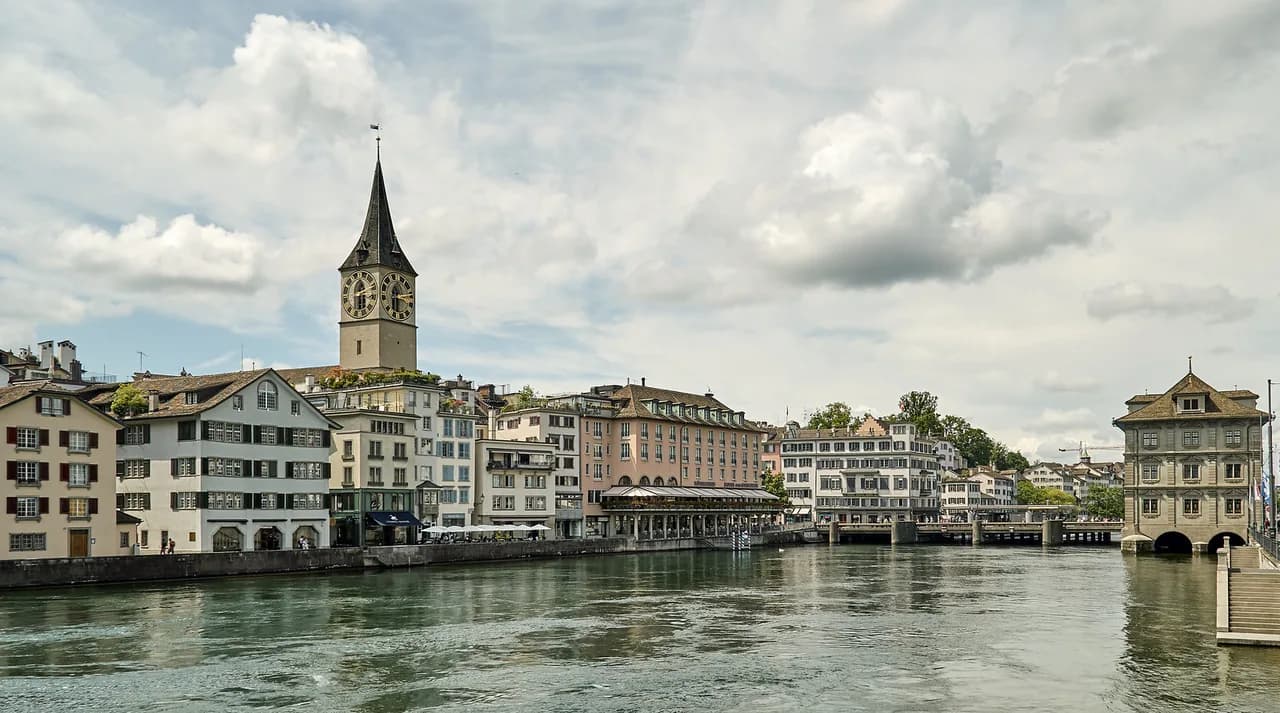
The address is Mythenquai on the western shore of the lake, a stretch of promenade that runs south from the centre towards Enge. Being on the lake edge is the whole point: the bathing platforms face open water, and the sauna's cold option is a few steps away rather than a separate journey.
That central position makes it easy to combine with a city day — a morning swim, a sauna round in the late afternoon, then dinner — without committing to a trip out of town. The corollary is that you share the promenade with walkers, runners and everyone else using the lakefront, so arrival and departure feel urban rather than secluded.
The sauna, and the Finnish round
The sauna is one part of the bath rather than a separate destination, which shapes how you use it. The natural rhythm is the Finnish one: a hot round of roughly five to fifteen minutes, out to cool, a rest, then another round, repeated as often as feels comfortable. That tradition is worth reading up on before you go if the sequence is new to you — the Finnish sauna is the reference point for how heat and cold are structured across the Nordic countries.
Because the cooling step here is open lake water, the round has a different feel from a city sauna with a shower and a plunge tub. You are exposed to the weather between rounds, which is refreshing on a warm evening and bracing on a cool one. Build the session around two or three rounds rather than one long sit, and let the lake set the pace.
Cold water: the lake as the plunge
There is no artificial plunge pool to manage the temperature for you; the lake is the cold option, and Lake Zurich warms slowly and cools quickly at the edges of the season. In high summer it is an easy dip straight off the deck. Outside those weeks the entry is a genuine cold shock, and the honest approach is to go in briefly, breathe, and get out rather than to swim lengths.
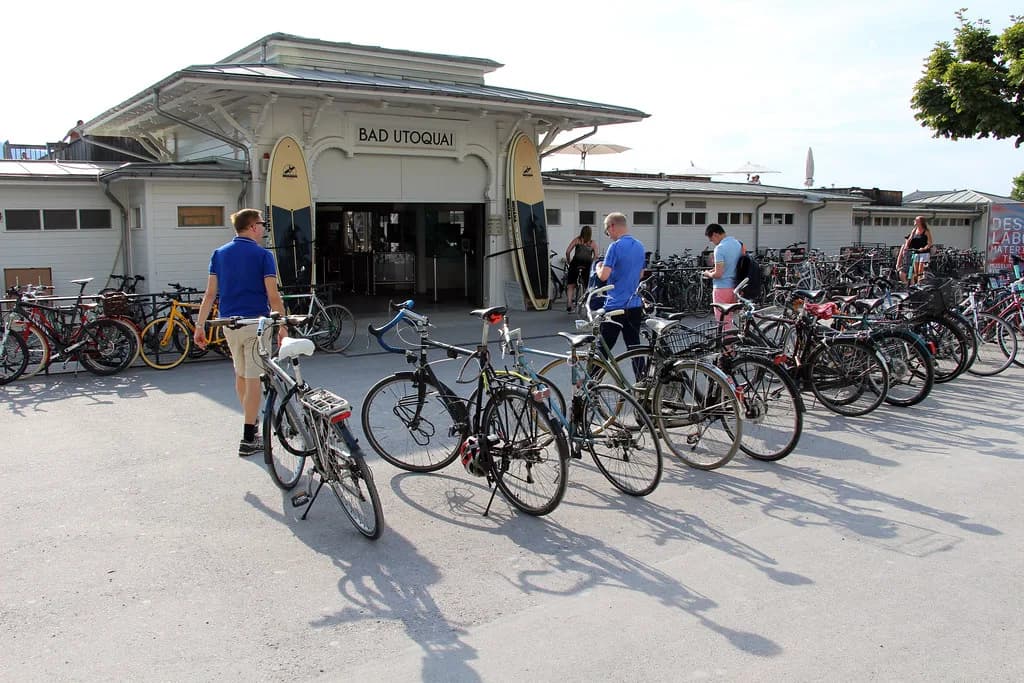
Treat the walk between heat and water as part of the session. On a windy day that short crossing is the coldest moment of the visit, so keep a towel within reach at the sauna door and something warm to pull on afterwards. If you want a Zurich lake bath with a more elaborate setup, Seebad Utoquai, Zurich is the comparable eastern-shore counterpart.
Zurich has other lake baths with their own character, and comparing two or three is a reasonable way to spend a warm afternoon. The city's bathing culture rewards that kind of hopping, and each site has its own rules, food and crowd.
The separate women's bath
The site includes a separate women's bath alongside the main mixed area, so there is a single-sex option within the same complex. That matters if you want to bathe or sunbathe away from a mixed crowd, and it is the feature most often missed by visitors who assume the whole site is one open deck.
For a dedicated women-only lake bath in the city centre, Frauenbad Stadthausquai Zurich is the other obvious choice and worth knowing about if that is your priority.
How a visit works
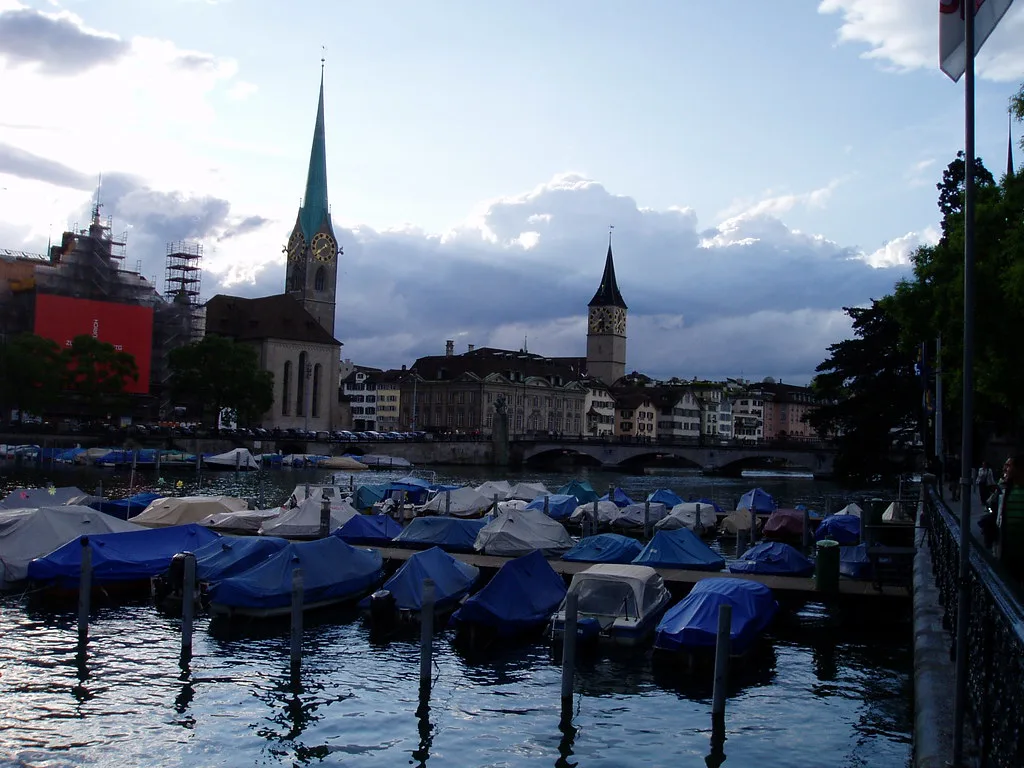
Arrive, pay at the entrance, change in the cabin area and find a spot on the deck or the lawn. Bring your own towel; a large one for drying and a small one to sit on in the sauna covers both needs, and a cotton seat cover is the courteous habit in Swiss and German saunas. Showers are taken before entering the heat and again after the lake.
Keep valuables minimal. A compact bath means compact changing space, and on a busy day the lockers and benches fill quickly, so a small bag beats a suitcase. Water, a hat and sunglasses are more useful here than equipment — the bathing is simple and the sauna needs nothing beyond what you are wearing.
Swimwear and bathing customs
Swiss lake baths are textile territory: swimwear on the decks and in the water is the norm, and the mixed area is a normal public pool crowd of families, lap swimmers and sunbathers. In the sauna itself, practice varies across Swiss venues between nude and towel-wrapped, so check the posted rules at Seebad Enge and follow what the people around you do.
The practical points are the ones that never change: shower before you enter the heat, sit on a towel, keep conversation low, and leave the sauna quietly if you need air. If you are used to the German-speaking sauna culture of towel-only, nude sweating, expect that here too rather than a swimwear sauna; if that is unfamiliar, the etiquette is simple and quickly learned.
Food and drink
A restaurant operates on site, which makes it easy to eat without leaving the bath — a real advantage when you have come for a sauna and a swim in one go. In the summer season there is also a Sunday-evening pattern, with the kitchen and bar running later on Sunday nights, moving from a 19:00 start in May to a 20:00 start from June, according to the venue's own site.
Pair the meal with the bathing rather than the other way round: swim and sauna first, then eat. Keep alcohol for after the heat, not before it, and drink water through the session.
Prices and tickets
Admission is charged at the entrance and the level is typical of a Zurich lake bath — modest for a swim and a sauna round, but city prices rather than budget ones. Treat the bath as a cheap afternoon compared with a full spa and an expensive one compared with a public lido elsewhere in Europe.
Yoga classes on the site's programme are listed at 30 Swiss francs for a single session and 290 for a ten-class subscription, with some classes at 40 and 170 for a five-class block, paid by Twint or post account. Those figures are for the classes only and say nothing about admission, so read them as a sign of the venue's price level rather than as an entry fee.
Opening pattern and season
The bath is a summer operation, and its own site dates the 2026 bathing season from 9 May to 20 September, with daily opening from 8:00 to 24:00 during that window. The site also flags that hours depend on the weather, so a grey, windy day can change what is actually open when you turn up.
The sauna carries its own open and closed signal on the site, shown as green or red, separate from the bathing season. That distinction is the one most visitors miss: the bath can be in season and the sauna still shut for a day or an evening, so look at both indicators before you travel across the city.
How busy it gets, and when to go
Expect the busiest stretch in the late afternoon and early evening of a warm weekday, when the after-work crowd arrives for a swim and a sauna round, and on sunny weekends throughout the day. The site is small, so a modest number of people fills the deck.
The quiet windows are early morning and the shoulder weeks in May and September, when the lake is cooler and the crowd thinner. Morning is also when the water is at its calmest and the sauna is least contested. If you want a hot sauna and a cold lake with room to move, go early rather than late.
Getting there
The bath is on Mythenquai, on the lake promenade south-west of the main station, and is normally reached by tram along the lakeshore or on foot along the promenade from the centre. Zurich's trams and the promenade path both put you within a short walk of the entrance.
Walking is often the better choice: the promenade approach brings the lake into view gradually and lets you arrive already cooled down. Cycling works too, with the lakeside routes easy to follow, though parking around the promenade is limited during the season.
Trade-offs worth knowing
The main one is scale. A compact bath means a small changing area, limited deck space and a sauna that fills quickly, so queues and sell-out sessions happen on good days. There is no large indoor fallback if the weather turns, and the walk to the water can be cold.
The second is seasonality: outside the summer window the bath is not operating, and even within it a windy day changes the experience. Alpine weather moves fast, so pack for a cool evening even on a warm afternoon.
If you want a Finnish-style sauna experience with a river or a proper sauna building rather than a lake bath, Sauna am Fluss, Zurich is the closer match. For a fuller spa landscape on the other side of the city, Hürlimannbad & Spa Zurich is the reference point among Zurich's larger thermal complexes.
Elsewhere in Switzerland the sauna map is wide: Bains des Pâquis in Geneva is the same idea of a lakeside bath with a sauna and a cold dip.
Plan Your Visit
Seebad Enge works best as a simple, compact outing: swim in the lake, take two or three sauna rounds, cool off in the water and eat on site afterwards. Go early or in the quieter weeks of May and September for the most comfortable sauna, and look at the site's own sauna signal alongside the bathing season dates before setting out.
Stay hydrated, skip alcohol before bathing, leave the heat if you feel unwell, and consult a doctor about sauna or cold-water bathing if you have a heart condition or are pregnant.
Frequently Asked Questions
Can you swim in Lake Zurich at Seebad Enge?
Yes. Seebad Enge is a lake bath built out over Lake Zurich on the Zürichseepromenade, so the swimming is directly in the lake rather than in a pool. The bathing platforms face open water, which also makes the lake the cold-water option between sauna rounds. In high summer it is a straightforward dip off the deck; in the shoulder weeks of the season the entry is a sharp cold shock, so go in briefly rather than swimming lengths.
Does Seebad Enge have a sauna?
It does. The sauna is one part of the bath rather than a separate destination, listed alongside the separate women's bath, the restaurant and the cultural programme. The venue's own website shows the sauna with its own green-and-red open or closed signal, which runs separately from the bathing season, so the bath can be in season while the sauna is shut for an evening. Check both indicators on the site before crossing the city.
Is Seebad Enge mixed or single-sex?
The main site is mixed, and it includes a separate women's bath within the same complex, so there is a single-sex option if you want to bathe or sunbathe away from a mixed crowd. On the decks and in the water, swimwear is the norm, as at Swiss lake baths generally. Sauna practice in Switzerland varies between nude and towel-wrapped, so follow the posted rules and the people around you.
When is Seebad Enge open?
The bath is a summer operation. Its own site dates the 2026 bathing season from 9 May to 20 September, with daily opening from 8:00 to 24:00 during that window, and notes that hours depend on the weather. The sauna's own open and closed signal is shown separately on the same site, so treat the season dates and the sauna indicator as two different pieces of information when planning a visit.
How much does Seebad Enge cost?
Admission is charged at the entrance and sits at the level of a Zurich lake bath: modest for a swim and a sauna round by city standards, and well short of a full spa. The venue's programme lists yoga classes at 30 Swiss francs for a single session, with subscription blocks priced separately, but those figures cover the classes only and are not an entry fee. Check the bath's own site for current admission.
How do you get to Seebad Enge?
The bath is on Mythenquai on the western shore of Lake Zurich, on the promenade south-west of the main station. Trams along the lakeshore and the promenade footpath both leave you within a short walk of the entrance. Walking from the centre is often the better choice, since the approach brings the lake into view gradually; cycling works too, though parking around the promenade is limited in season.
Sources
Sauna notes for your next trip
Optional updates to our sauna guides.
You might also like
Continue reading
More guides you'll find useful