
The Võromaa Smoke Sauna: Estonia's Savusauna Tradition
The Võromaa smoke sauna is Estonia's chimneyless savusauna, UNESCO-listed since 2014. Here is how a session works, where to try one and what to bring.
On this page
A Võromaa smoke sauna is a chimneyless savusauna: wood is burned for hours, the smoke is let out, and bathers enter a room that smells of tar and warm stone rather than fire. In Võru County this is simply the right kind of sauna, not a heritage stunt. The customs around it, from heating to whisking, were added to the UNESCO Representative List of the Intangible Cultural Heritage of Humanity in 2014, which is the clearest sign that this is a living practice rather than a museum piece.
What a Võromaa smoke sauna is
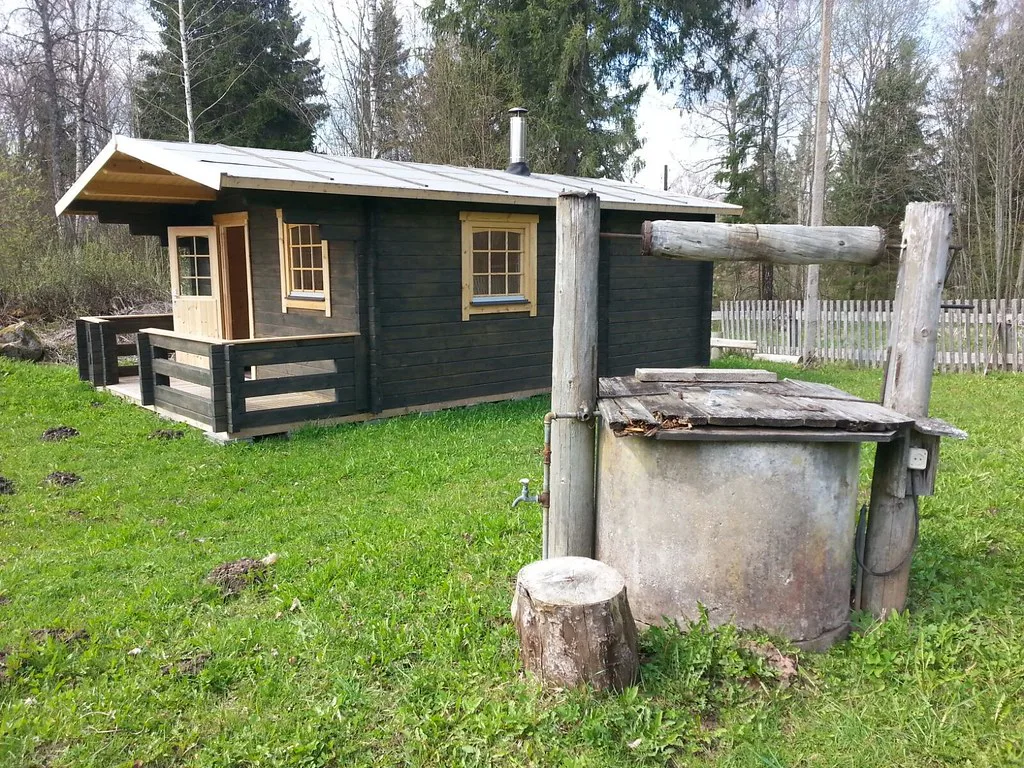
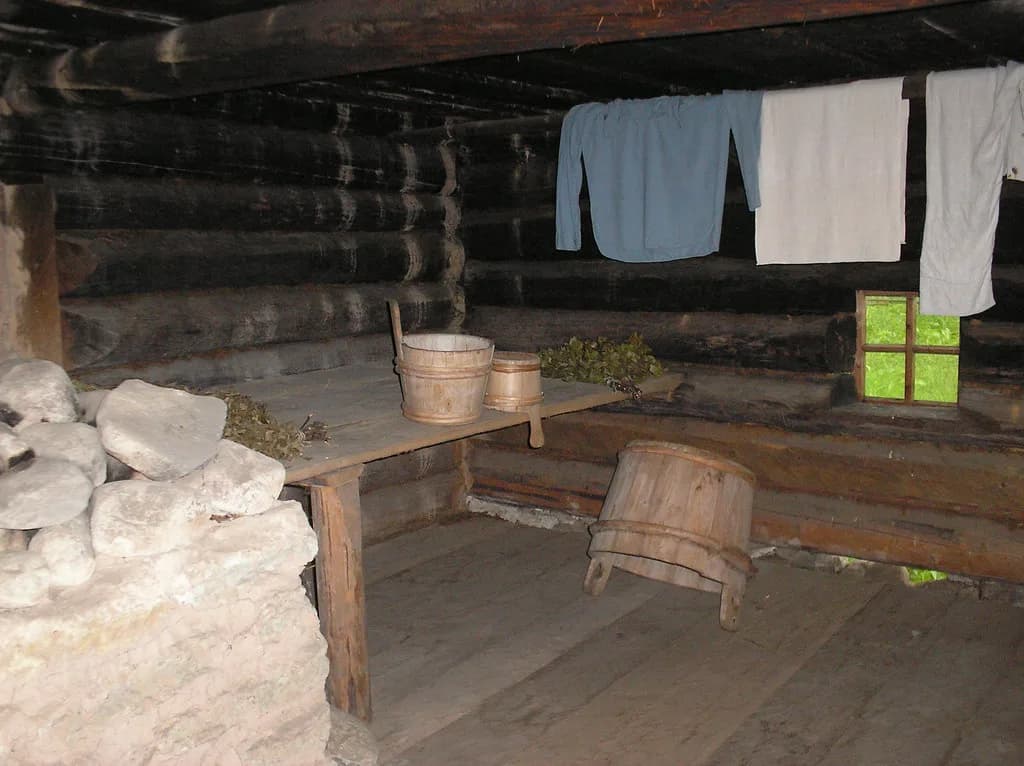
A savusauna has no chimney. The fire heats a pile of stones inside the room, and smoke fills the space until the last load of wood has burned. It is then released through the door, a window or a dedicated smoke hole, and the room is left to settle before anyone steps in.
What is a Võromaa smoke sauna? It is a chimneyless savusauna, traditional to Võru County in southeast Estonia, where wood is burned for hours and the smoke is released before bathers enter. The customs around it were added to the UNESCO Representative List of the Intangible Cultural Heritage of Humanity in 2014.
How long does a smoke sauna session last? At Mooska Farm a traditional session lasts at least three hours, and the smoke sauna comfortably fits eight people. Heating itself takes five to eight hours at Kakulaane depending on weather and group size, which is why sessions are booked.
Do you need to book a smoke sauna in Võru County? Yes, nearly always. A smoke sauna has to be heated for hours before you arrive, and venues such as Ööbikuoru Villa run by pre-order.
People in historical Võromaa and Setomaa still regard the smoke sauna as the proper kind, while much of the rest of Estonia moved to chimneys in the twentieth century. One man from Rõuge put the local view plainly: nobody praises a sauna with a chimney, and no-one builds one. That attitude is why so many working smoke saunas survive in the southeast.
Why Võromaa
Smoke saunas were historically most numerous in South Estonia, which is where building density and forest timber favoured them. The Võru County tourism board describes a whole set of local customs around the building: how to heat it, how to make whisks, how to behave inside, even how to smoke meat in the same room. Take the UNESCO listing as context for why hosts here take the ritual seriously, not as marketing.
A short history
In the mid-nineteenth century every Estonian farm sauna was still a smoke sauna: a small one-room log building with an earth floor and a stove of cobblestones laid without cement. Chimneys spread in the first half of the twentieth century, and in several parishes new chimneys outnumbered new smoke saunas. New smoke saunas kept being built only in southeastern Estonia and eastern Mulgimaa, which is why the tradition held on here.
How heating works
Heating starts around lunchtime. The fire is fed through the afternoon until the last load of wood has burned, then the smoke is let out and the room is left for roughly an hour to settle. A properly heated smoke sauna has no fumes and no smoke in the air when bathers enter; the heat is soft and builds slowly rather than hitting you at the door.
Kakulaane Tourist Farm heats its sauna with alder for five to eight hours, depending on the weather and the number of guests. That timeline is the practical reason a smoke sauna trip has to be planned rather than improvised. You book a slot, the hosts start the fire hours ahead, and you arrive when the room is ready.
How a session works
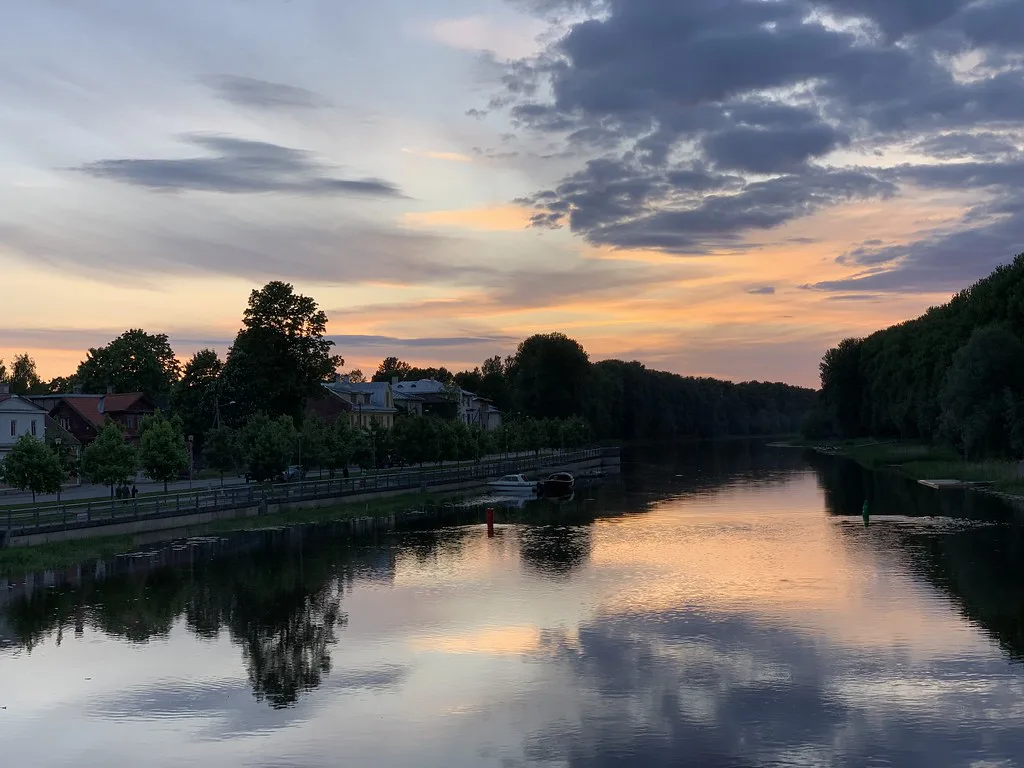
Inside, the vapour is moist and the heat warms you gradually, so sweating starts quickly. The local habit is to step out and cool down every so often rather than toughing out one long round. Braver bathers run for the pond or roll in the snow; the cool-down is part of the rhythm, not an optional extra.
Whisking belongs to the session. Birch whisks, called viht in Estonian, are used to beat the skin gently, and at Mooska Farm the price of a session includes birch whisks, sauna honey and herbal tea alongside guidance throughout the visit. A traditional session there lasts at least three hours and the smoke sauna comfortably fits eight people.
This is close enough to the Finnish tradition that regular bathers will recognise the rhythm, but the smoke is the dividing line. If the Finnish sauna is your reference point, read our guide to the Finnish sauna before you go, then expect a smokier, slower, more ceremonial version of the same round.
The vocabulary
Savusauna is the smoke sauna itself, and viht is the birch whisk. Hosts at Uue-Saaluse and Mooska talk about the sauna woman who conducts the ritual, and guided sessions at Uue-Saaluse vary with the season and even the moon phase. You do not need the language to take part, but knowing what a viht is helps when someone hands you one.
Where to try one in Võru County
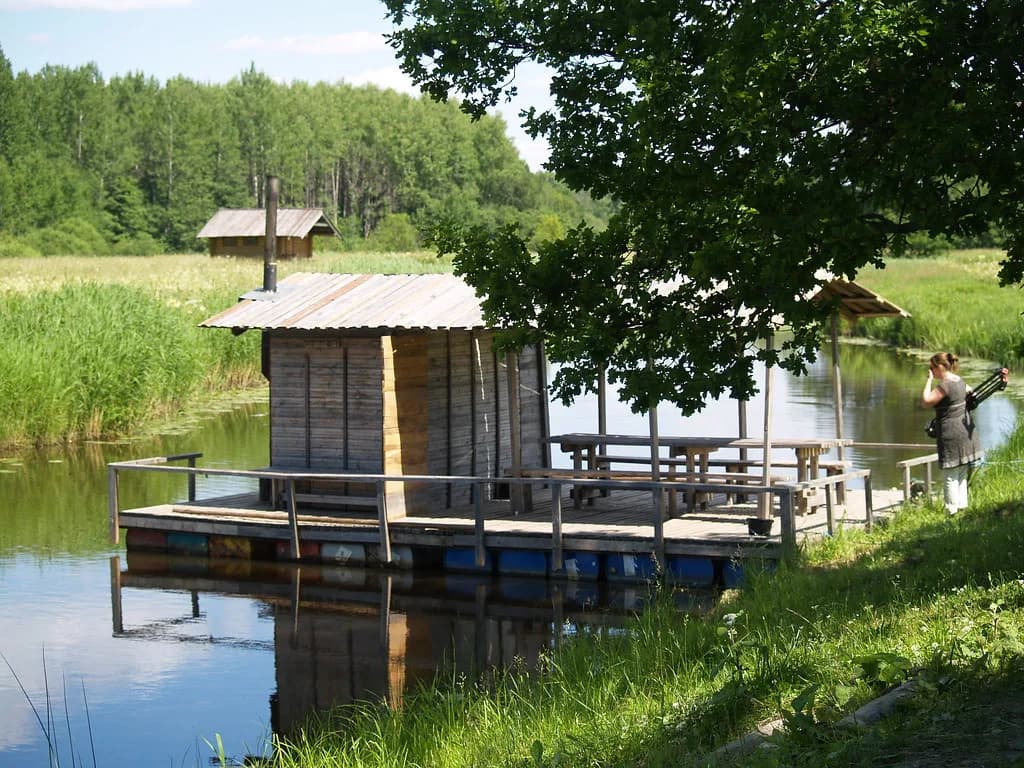
Ööbikuoru Villa, in Rõuge parish, keeps a six-person steam room with a hot tub alongside and runs throughout the year by pre-order. Andsu smoke sauna is a restored building that was moved from Põlvamaa and now takes private groups of up to four, with guests asked to bring towels and non-alcoholic drinks. Both suit couples or small families who want the room to themselves.
Männi Farm is the one for a group. Its smoke sauna sits in a roughly century-old log building with an entrance way and two party rooms seating up to 30, and there is no shower or toilet in the building; you run down to the pond in a couple of minutes. Bring your own food or have the farmer's wife cater. Toidupada, between the Otepää hills, adds a bathing barrel on the terrace and an ice hole in winter.
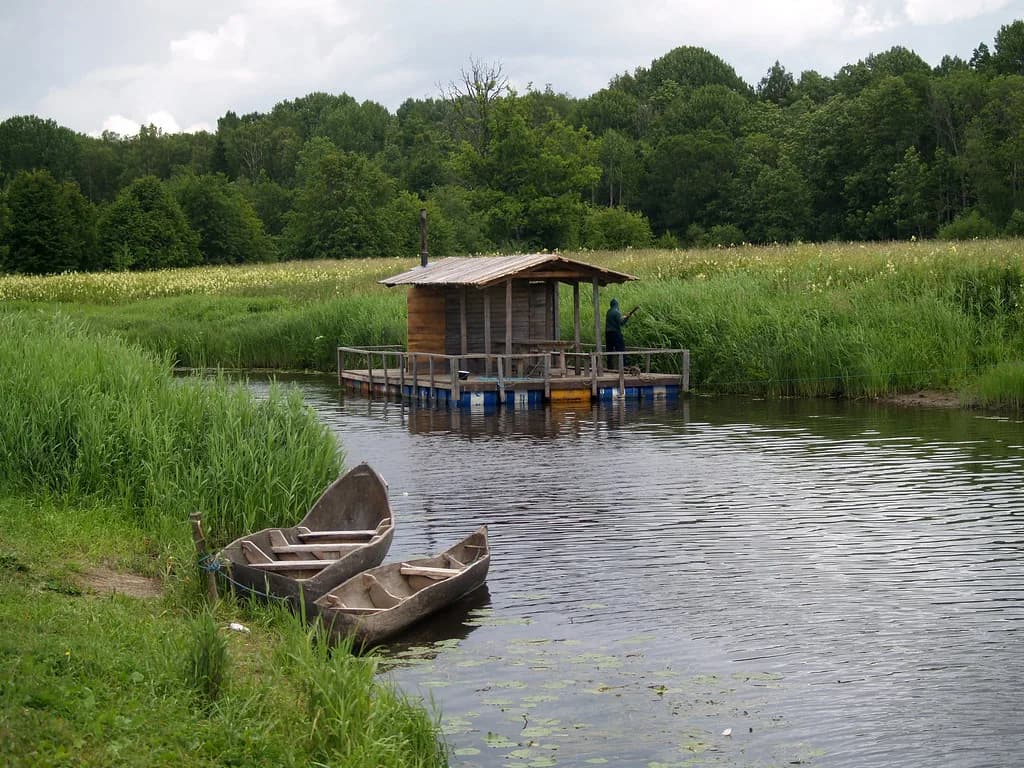
Mooska Farm, in Haanja, sits by a pond with three smoke saunas to explore and a tour that ends in the farm shop with sauna supplies. Uhtjärve Ancient Valley Witch's Republic, despite the name, is a straightforward smoke sauna with a separate shower room and seating for ten. Every one of these is a booking, not a walk-in, because someone has to start the fire.
Etiquette and common mistakes
Arrive on time: a heated smoke sauna will not wait, and a host who has fed the fire since lunchtime expects the group ready when the room is cleared. Skip alcohol before bathing, drink water, and leave the sauna if you feel unwell. The same applies to the cold dip afterwards.
Whisk gently. The birch viht is meant to warm the skin and move the air, not to leave marks. Cooling between rounds is normal here, so nobody will think you are quitting when you step outside for a few minutes.
If you are pregnant or have a heart condition, ask a doctor before booking a long session and the cold water that often follows. That is a plain caution, not a verdict on whether you should go.
What to bring
Bring a towel, drinking water and a seat cover where the venue offers one. Some venues supply towels and drinks as part of the booking; Mooska includes a sauna towel, whisks, sauna honey and herbal tea, while Andsu asks guests to bring their own non-alcoholic drinks and towels. Check the venue's own site when you book so you pack accordingly.
Wear what the group agrees on. Private smoke sauna sessions are usually shared with friends or family, so swimwear or a towel wrap is a practical choice unless your hosts say otherwise.
Getting to Võru County
Võru County sits in southeast Estonia, within reach of both Tallinn and Tartu by road or coach, and most of the farms are a short drive from Võru town or from the Haanja hills. Travel times vary with the season, so plan your booking around the transport rather than the other way round.
If you want a city sauna first, the saunas in Tallinn make a handy warm-up before heading southeast.
Which Venue Suits You
For couples and small groups who want a full guided session, Mooska Farm or Andsu are the simplest choices. For a big group with catering and a party room, Männi Farm is the obvious pick.
Whichever you choose, book ahead through the venue's own site and treat the heating time as part of the trip rather than an inconvenience. The smoke sauna rewards people who plan around it.
Explore more Estonia sauna guides
Frequently Asked Questions
What is a Võromaa smoke sauna?
It is a chimneyless savusauna, traditional to Võru County in southeast Estonia, where wood is burned for hours and the smoke is released before bathers enter. The customs around it were added to the UNESCO Representative List of the Intangible Cultural Heritage of Humanity in 2014.
How long does a smoke sauna session last?
At Mooska Farm a traditional session lasts at least three hours, and the smoke sauna comfortably fits eight people. Heating itself takes five to eight hours at Kakulaane depending on weather and group size, which is why sessions are booked.
Do you need to book a smoke sauna in Võru County?
Yes, nearly always. A smoke sauna has to be heated for hours before you arrive, and venues such as Ööbikuoru Villa run by pre-order. Arrange your slot through the venue's own site before you travel.
What is a sauna whisk and how is it used?
A viht is a bundle of birch branches used to beat the skin gently during a session. It warms the skin and moves the air; at Mooska Farm whisks are included in the guided sauna visit.
Can you swim or dip after a smoke sauna?
Many Võru County venues sit by a pond. Mooska offers an icy dip in winter, and Männi Farm has a pond a couple of minutes away with no shower or toilet in the sauna building.
How is an Estonian smoke sauna different from a Finnish sauna?
The main difference is the smoke. Both traditions use a hot room, water on stones and birch whisks, but a smoke sauna is chimneyless and the room is cleared before entry, giving softer, slower heat.
Sources
Sauna notes for your next trip
Optional updates to our sauna guides.
You might also like
Continue reading
More guides you'll find useful