
Saunas in Estonia: Smoke Tradition, Cities and Sessions
Saunas in Estonia range from countryside smoke saunas to Tallinn spa and harbour saunas. Here is how sessions work, what to expect and where to go.
On this page
Estonia's sauna culture is built around the savusauna, a chimneyless smoke sauna that is the country's reference point in the same way the Finnish sauna is Finland's. In cities you will find walk-in public halls, spa complexes with dozens of saunas and harbour or seaside options, while the countryside is where the older smoke tradition lives.
The practical difference between these options matters more than the label: a city spa is a booked, towel-and-locker experience, while a farm smoke sauna is usually part of a longer visit with the hosts. Plan a city sauna for a two-hour slot and a countryside smoke sauna as a half-day or evening.
What makes Estonian saunas distinct
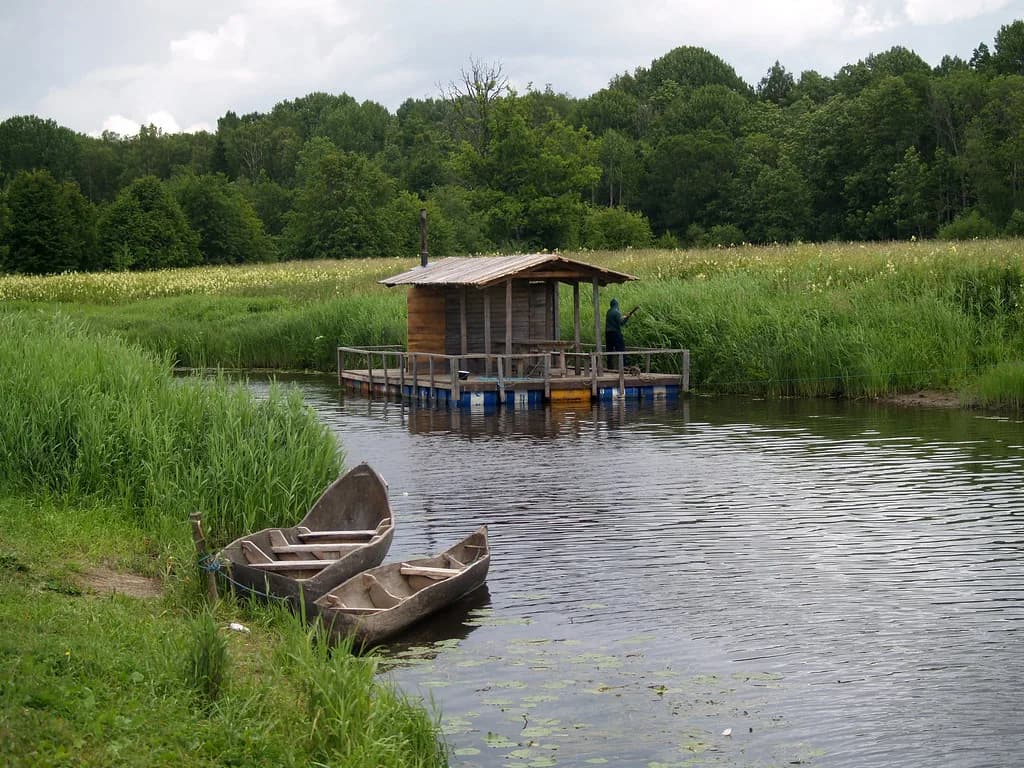
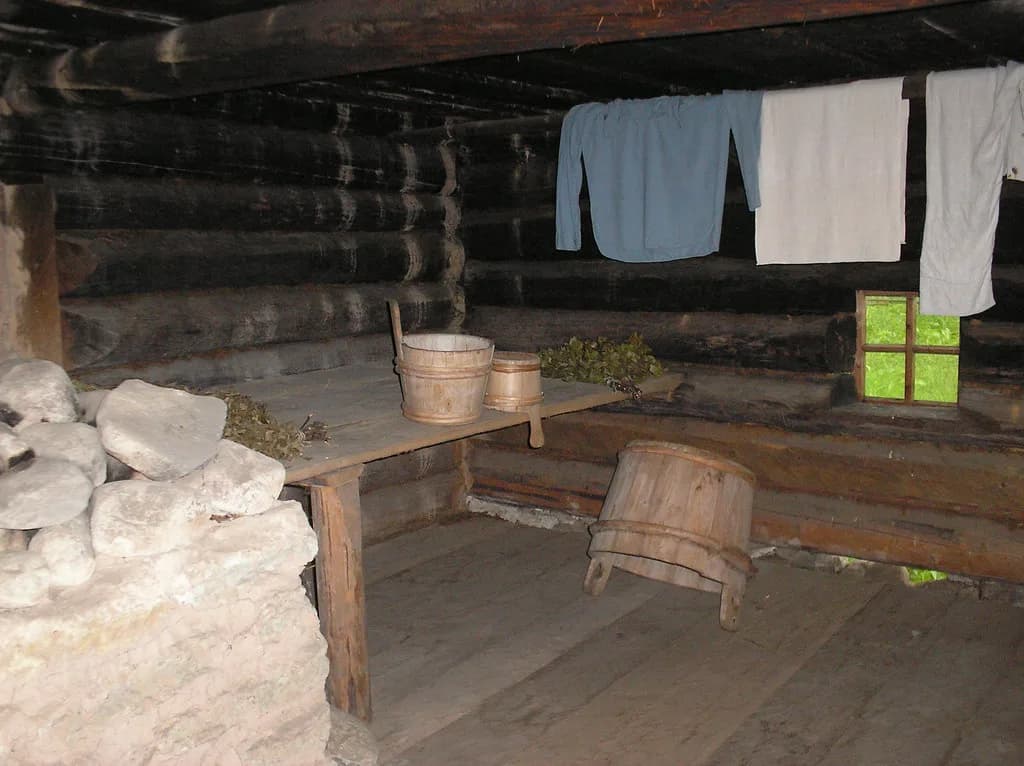
The savusauna is a wooden room heated by a stone stove with no chimney, so the smoke is let out before bathers enter and the walls stay dark and sooty. It produces a softer, lower, longer heat than a modern electric sauna, and it is the form that Estonian families and farmsteads treat as the real thing. Wikimedia Commons catalogues smoke saunas and chimneyless saunas among Estonia's sauna buildings, including a Kalma sauna.
City Estonians use the sauna the way Finns do: a hot round of five to fifteen minutes, a cool-down, a shower, a drink and a repeat. The sauna is a social room rather than a silent spa treatment, and conversation is normal in a public hall. The viht, a leafy birch whisk used to beat the skin and move hot air around, appears in both Estonian and Finnish traditions.
How a session works
In Tallinn's public saunas and spa complexes you typically pay at reception, take a locker key, shower, and enter the hot room in the nude with a towel to sit on. Swimwear is generally worn in mixed spa areas and pools but not inside a traditional hot room, so carry both. Bring your own towel if you want to save on rental.
City saunas are largely walk-in during opening hours, with larger groups and weekend evenings worth booking ahead. Countryside smoke saunas are almost always booked as part of a stay, a meal or a guided session, because the stove needs hours of heating. Expect a city visit to take 90 minutes to two hours and a farm smoke sauna to fill an evening.
Mixed and single-sex sessions both exist in Estonia. Public swimming-hall saunas often run separate men's and women's hours, while spa saunas and private rentals are usually mixed with swimwear in the shared areas. The rule is posted at the door, so read the sign before undressing rather than guessing from the room.
The cold-water side
Cooling down is part of the round, not an optional extra. In Tallinn the sea and harbour are used in summer, while spa complexes offer cold plunge pools and showers year-round. In the countryside the lake, river or a bucket of cold water does the same job, and a winter roll in the snow is a normal finish to a hot round.
Winter dipping in the Baltic Sea is a routine custom in Estonia, not an extreme sport, but it is organised: ice holes at supervised spots, a warm room nearby and a short dip. If you join a winter dip, keep the immersion brief, dry off fast and have warm clothes waiting.
Prices and booking
Prices vary by type. A public city sauna or swimming-hall sauna is the cheapest entry point, a large spa complex costs more and usually sells day tickets or timed slots, and a private smoke sauna experience is priced per group or per evening with food. Treat city saunas as budget-friendly and spa or private smoke saunas as a planned spend.
For a concrete example of scale, Mustamäe Elamus Spa in Tallinn is a large complex with 22 different saunas, water areas, outdoor terraces with saunas and Jacuzzis, and a 25-metre, six-lane lap pool, open for family outings or quieter adults-only visits. Daily sauna rituals run there, and massages and treatments can be added.
Book spa visits and smoke-sauna evenings ahead for weekends and holidays, and pay at the venue or online depending on the spa. Session times, ticket types and seasonal offers change, so check them on the venue's own site once you have picked your date.
Saunas in Tallinn
Tallinn has the widest choice in the country: old public saunas in wooden houses, spa complexes, and harbour saunas with a sea view. The public halls are the place to see ordinary Tallinners at their weekly sauna rather than a tourist-only version of it.
For a traditional wooden public sauna, Kalma Saun is the classic Tallinn address, with the simple changing rooms, cold showers and mixed crowd that come with an old city sauna. Reviews describe a hot room, cold showers and a lounge, which is the whole format in one line.
Raua Saun, on Raua Street near the centre, is a smaller, newer-feeling city sauna that suits a first visit when you want a straightforward booking and a calm room. It is an easy add-on to a Kadriorg or city-centre day rather than a whole-evening trip.
For a sea-cooling round with a view, Iglupark in Tallinn pairs small wooden sauna cabins with the harbour, so you step from the hot room straight toward the water. It is the most photogenic option and the one most likely to sell out on a summer weekend.
If you want the full spa version, Mustamäe Elamus Spa is the big Tallinn complex, while the Meri Seaside Hotel & SPA in Kuressaare on Saaremaa is a smaller seaside base with a spa for an island stay.
Beyond Tallinn
Tartu, Pärnu and Haapsalu all have public saunas and spa hotels, and each works well as a stop on a longer Estonia trip. Pärnu adds a beach for summer sea dips, and Haapsalu is small enough that a sauna and a walk along the promenade fill an afternoon.
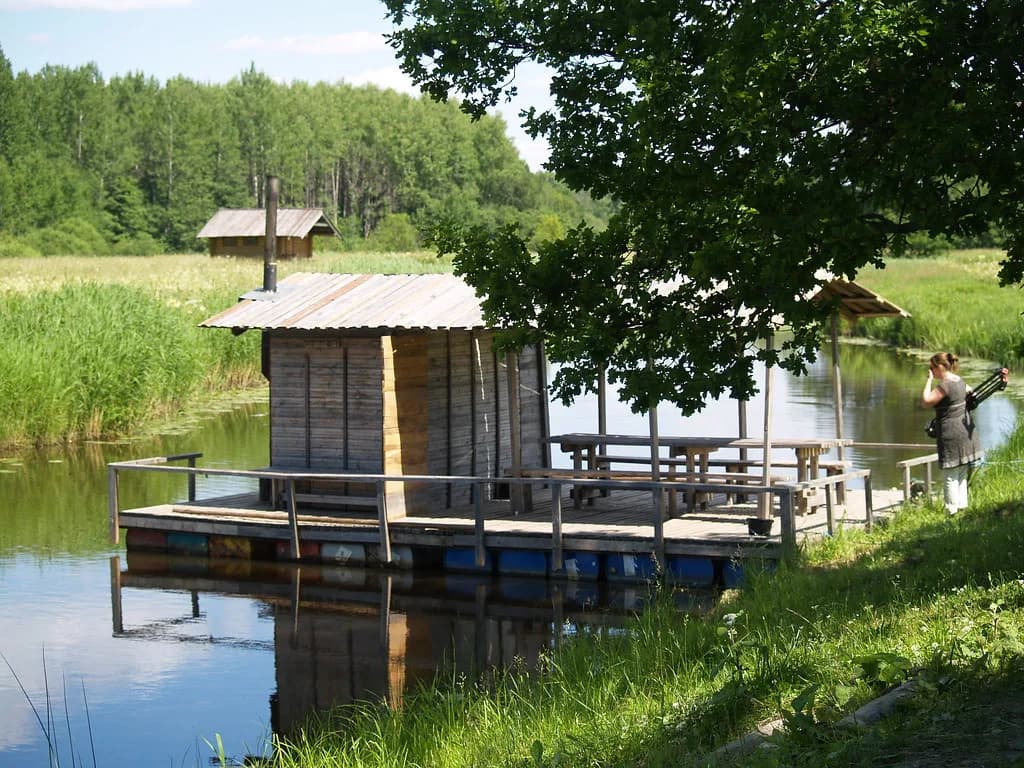
Saaremaa and Muhu Island are the countryside side, where farmsteads and small hotels keep smoke saunas and rent them with meals or accommodation. The pace is slower, the setting is a wooden building by a field or shore, and the cold water is a lake or the sea.
Võru County in southern Estonia is the heartland of the savusauna tradition, where smoke saunas are still heated for family events and the process takes most of a day. A visit here is a genuine cultural experience, so plan it with the hosts rather than turning up.
Sauna rituals and aufguss-style sessions
Large Estonian spa complexes run daily sauna rituals in the Aufguss style, with a sauna master waving a towel to circulate hot air and scent, often with music. These are short shows in the hot room, usually included in the spa ticket. Arrive early to get a seat and follow the master's signals on when to leave.
In the smoke-sauna tradition the ritual is quieter: whisking with birch viht, cool water, tea or beer afterwards, and long conversation. If you want the ritual version rather than a plain hot room, say so when you book.
What to bring and etiquette in brief
Bring a towel, flip-flops for the wet floor, a water bottle, and a change of clothes. A seat cover or small towel is used inside the hot room, and you shower before entering and after each round. Leave jewellery and glasses in the locker; metal gets hot fast.
Keep noise low in the hot room, give space to regulars and never pour water on the stones without the room's agreement, especially in a smoke sauna. In single-sex sessions keep to the posted rule on swimwear. Sauna is not a place for alcohol beforehand: stay hydrated, skip drinking before bathing, leave if you feel unwell, and ask a doctor first if you have a heart condition or are pregnant.
How Estonian saunas differ from the Finnish sauna
The Estonian sauna shares the round structure, the viht and the cold-water finish with the Finnish sauna, but the smoke sauna is more central to national identity and is a farm and family institution rather than a city one. Estonia's spa industry is also large relative to its population, so the resort-style sauna with rituals is easier to find than in Finland.
In Finland the public hall, the harbour sauna and the winter swimming hall are mainstream urban facilities; in Estonia the same exists mainly in Tallinn and the bigger spa towns. For the Finnish benchmark, the Finnish sauna guide covers the public-hall model, and the Allas Sea Pool and Kotiharjun sauna are the reference examples of that urban type. For the equivalent Baltic city scene just across the border, see our Riga sauna guide.
Best seasons and a practical note
Estonia's sauna season runs all year, with summer the easiest time for harbour saunas and sea dips and winter the best time for the contrast of a hot room and cold water. Christmas and Midsummer (Jaanipäev) are the busiest periods for smoke saunas, so book weeks ahead.
The one safety line that matters: hydrate, skip alcohol before bathing, leave the hot room if you feel unwell, and ask a doctor first if you have a heart condition or are pregnant. Beyond that, a first session is simply a short hot round, a cool-down and a repeat.
Plan Your Visit
Start in Tallinn with a public hall such as Kalma Saun for the traditional format and a harbour or spa option for the view and the rituals, then move to Pärnu or the islands for a smoke sauna. Book spa slots and countryside smoke saunas ahead, and treat the city halls as walk-in visits.
Plan your trip around one booked smoke-sauna evening and keep the rest flexible, because the best Estonian sauna experiences are the ones you can linger in rather than tick off.
Frequently Asked Questions
What is a savusauna, and where can you try one in Estonia?
A savusauna is a chimneyless smoke sauna heated by a stone stove, with the smoke let out before bathers enter. It is the traditional Estonian form, found on farms and in small countryside stays rather than in city centres. Võru County in southern Estonia is the heartland of the tradition, and Saaremaa and Muhu Island also have smoke saunas.
Do you wear a swimsuit in an Estonian sauna?
In public city saunas, spa areas and pools, swimwear is common in shared spaces, but inside a traditional hot room you are usually nude with a towel to sit on. Countryside private smoke saunas are more relaxed and follow the host's guidance. Read the sign at the door, which states the rule for that room.
Are Estonian saunas mixed or single-sex?
Both. Public swimming-hall saunas often run separate men's and women's hours, while spa saunas and private rentals are usually mixed with swimwear in the shared areas. Check the posted schedule at the entrance before you go in.
Can you go sauna and cold-water swimming in winter in Estonia?
Yes, and it is a routine custom rather than an extreme sport. Winter dipping happens through ice holes at supervised spots with a warm room nearby. Keep the immersion short, dry off quickly and have warm clothes waiting.
How is an Estonian sauna different from a Finnish sauna?
The two share the round structure, the birch whisk and the cold-water finish, but the smoke sauna is more central to Estonian identity and is a farm and family institution. Estonia also has a large resort-spa sector, so the ritual sauna with a sauna master is easier to find than in Finland.
How much does a public sauna cost in Estonia?
A public city sauna or swimming-hall sauna is the cheapest option, a large spa complex costs more and usually sells day tickets or timed slots, and a private smoke sauna is priced per group or per evening. Session times and ticket prices change, so confirm them on the venue's own site when you pick a date.
Sources
Sauna notes for your next trip
Optional updates to our sauna guides.
You might also like
Continue reading
More guides you'll find useful