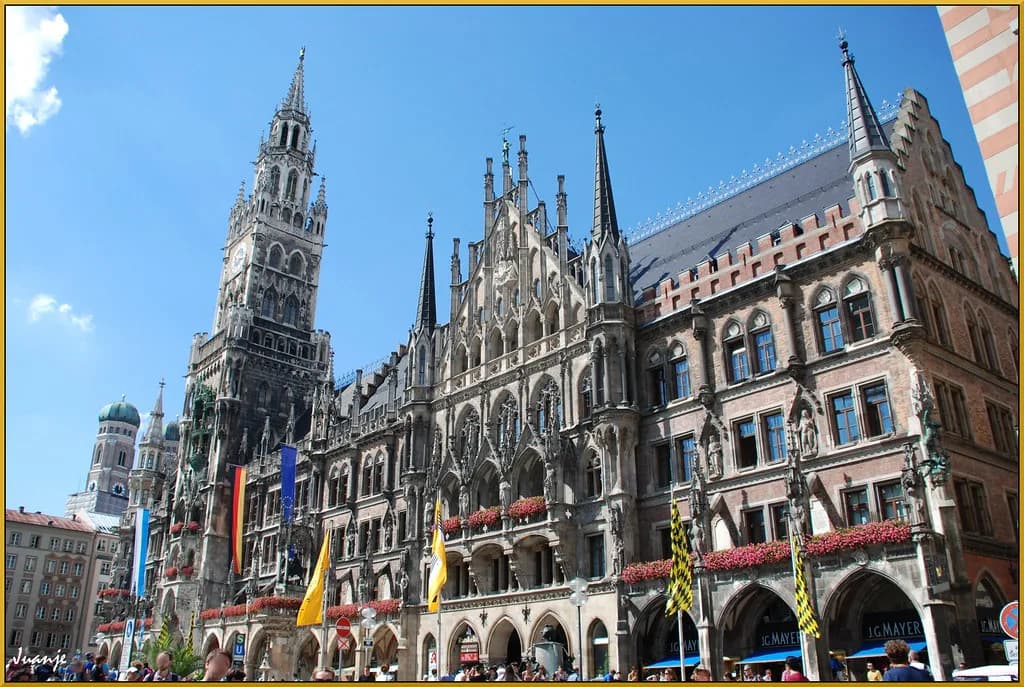
Naked Saunas in Germany: Etiquette & What to Expect
Naked saunas in Germany are the norm, not a niche. Here is how textile-free sessions work, what happens in the Aufguss room, and the mistakes to avoid.
On this page
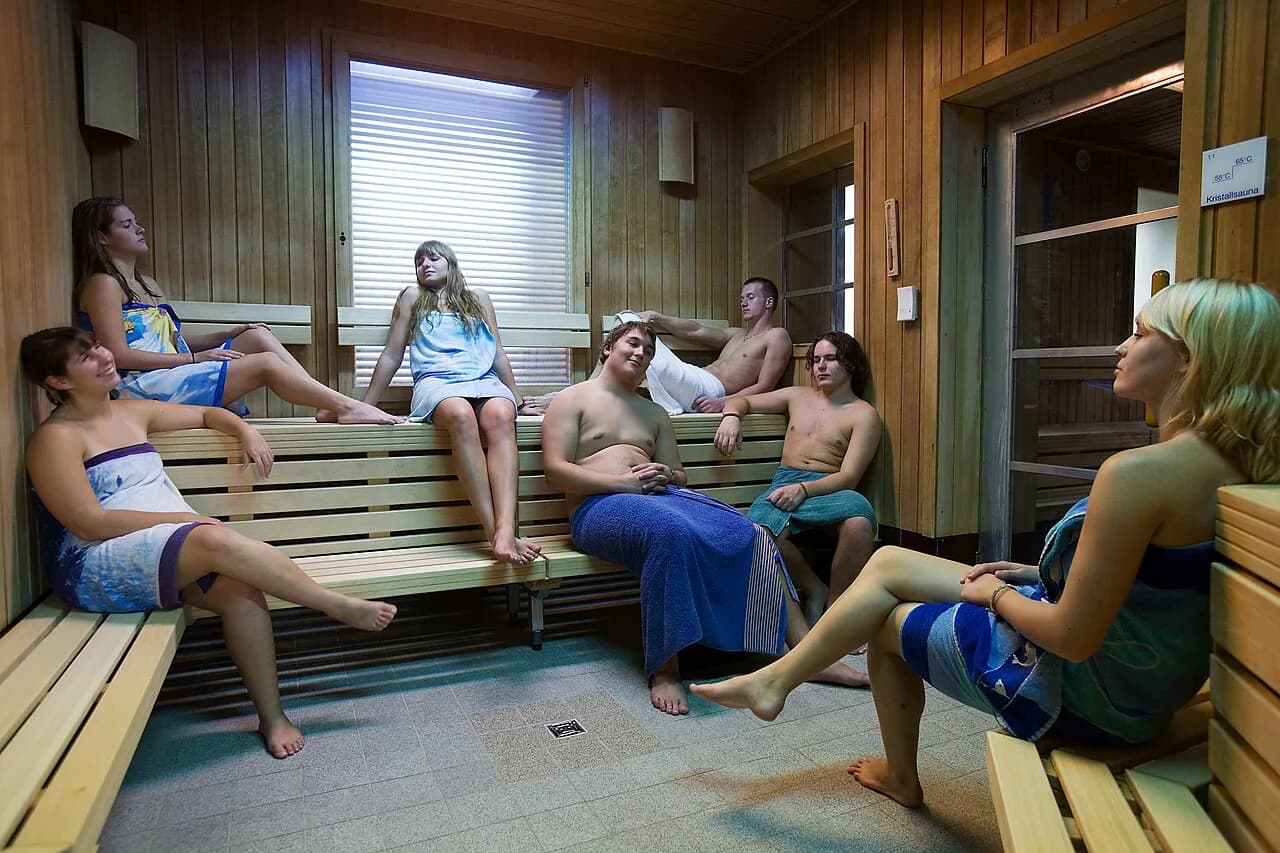
Naked saunas in Germany are the standard, not a special event: in the sauna area you take off your swimwear, sit on a towel and sweat alongside strangers of both sexes. The rule is enforced firmly enough that spa staff spend part of every day asking guests to remove swimwear, and other guests who see it may report it at reception. The surprise for most visitors is not the heat but the matter-of-factness of it.
Think of the sauna as a separate zone with its own rules rather than as part of the pool. Outside that zone, in the pools, changing areas and cafés, swimwear and robes are normal; the moment you cross into the sauna rooms, the dress code flips. Getting that boundary clear in your head before you arrive removes most of the awkwardness.
Why German saunas are textile-free
The argument is practical rather than moral. The German Sauna Association explains that heat should reach the skin without obstruction and that sweat should evaporate freely, because sweating into a swimming costume, possibly made of synthetic fabric, is neither pleasant nor hygienic. That is the reasoning you will hear repeated in spa signage and in staff explanations.
Do I have to be naked in a German sauna? Yes. The sauna area is textile-free, and guests who enter in swimwear are sent out.
Are German saunas mixed-sex? Most are. Sauna areas are typically co-ed, with men and women sweating and resting in the same rooms without clothing.
Is naked sauna culture in Germany sexual? No. The setting is treated as an unremarkable place to relax, and surveys cited in reporting on German attitudes find that sexual arousal is the association people make least often with nudity.
Scale matters here: a 2022 survey cited in reporting on German sauna habits found 26.14 million people in Germany visit saunas or steam rooms occasionally or frequently. This is a mainstream habit, not a subculture, which is why the no-swimwear rule is stated plainly and applied to everyone. First-timers who expect a discreet, tolerant exception usually find the opposite.
The same norms hold in German-speaking Switzerland, where spa staff reportedly spend part of every day asking guests to remove swimwear before entering. If you are comfortable in a Munich sauna, you will be comfortable in a Zurich or Lucerne one. Plan your first session accordingly and the second one becomes routine.
FKK, Lebensreform and how body culture shaped the rule
Germany's comfort with communal nudity has nineteenth-century roots in Lebensreform, a cluster of movements reacting to industrialisation that promoted natural living and, among other things, the open body. A Swiss painter and life reformer, Arnold Rikli, was an early advocate of nude sunbathing and hiking, and the ideas travelled easily across the German-speaking world.
That current produced Freikörperkultur, usually shortened to FKK, the practice of communal nakedness outdoors. It is worth knowing the term because you will still see it on signs and in spa copy, but in a sauna context it simply describes the textile-free expectation rather than a separate scene. For a traveller, FKK is vocabulary, not a destination.
Surveys cited in reporting on the topic suggest Germans associate nudity with sexual arousal far less than outsiders assume, which helps explain why mixed, naked saunas feel ordinary to regulars. The culture treats the body as unremarkable in this setting. Read that as context for the etiquette, not as an invitation to stare.
The vocabulary you will hear
Textilfrei means textile-free and is the sign to look for at the entrance to a sauna area; it is a rule, not a suggestion. Saunameister is the person who runs the Aufguss ritual, and Ruheraum is the quiet room where guests lie down between rounds, usually wrapped in a towel or robe and strictly silent. Learn these three words and most signage becomes readable.
Aufguss is the poured-water ritual central to German sauna culture, and it has its own vocabulary of rounds, fans and aromatic infusions. Our step-by-step guide to Aufguss: The German Sauna Ritual, Step by Step is the place to read the sequence in detail before your first session. Knowing the shape of a round in advance is the single best defence against feeling like an intruder.
How a session works, step by step
You undress in the changing room, take a shower, dry off and carry a large towel into the sauna. Inside, the towel goes under you so no sweat reaches the wooden bench, and it stays there for the whole round. Robes are common for the walk between rooms, but they come off at the sauna door.
You sit or lie on the bench, usually for somewhere between ten and fifteen minutes per round, then leave before you feel overwhelmed. The cool-down is part of the routine: a shower, a cold plunge or simply open air, followed by a rest in the Ruheraum. Regulars repeat this cycle several times over an afternoon, which is why the quiet room matters as much as the hot room.
Customs around the cool-down vary by venue, and the cold option may be a plunge pool, a cold shower or an outdoor terrace. Look at what other guests do before committing to a full plunge. In practice, most German sauna visits are longer and slower than a quick hotel sauna stop.
Aufguss explained: what the Saunameister does
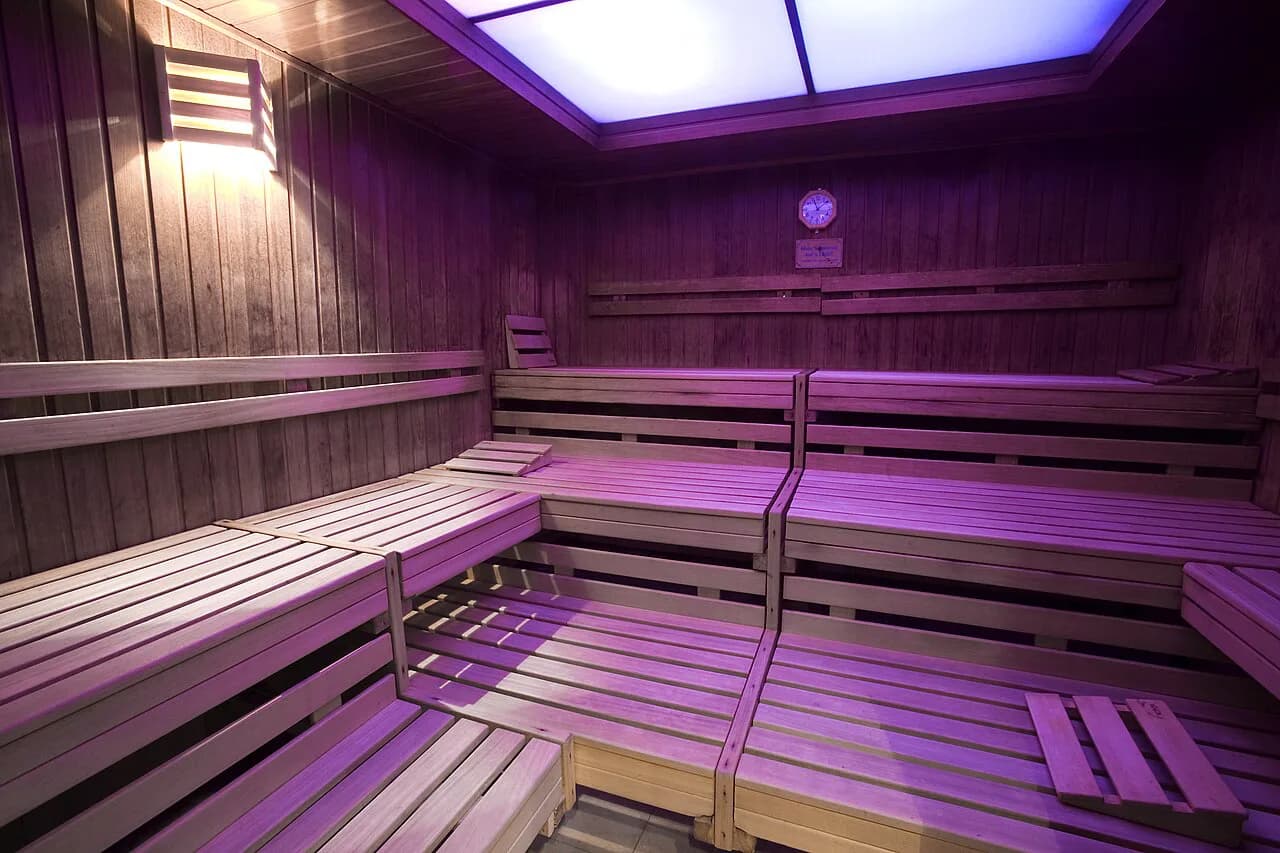
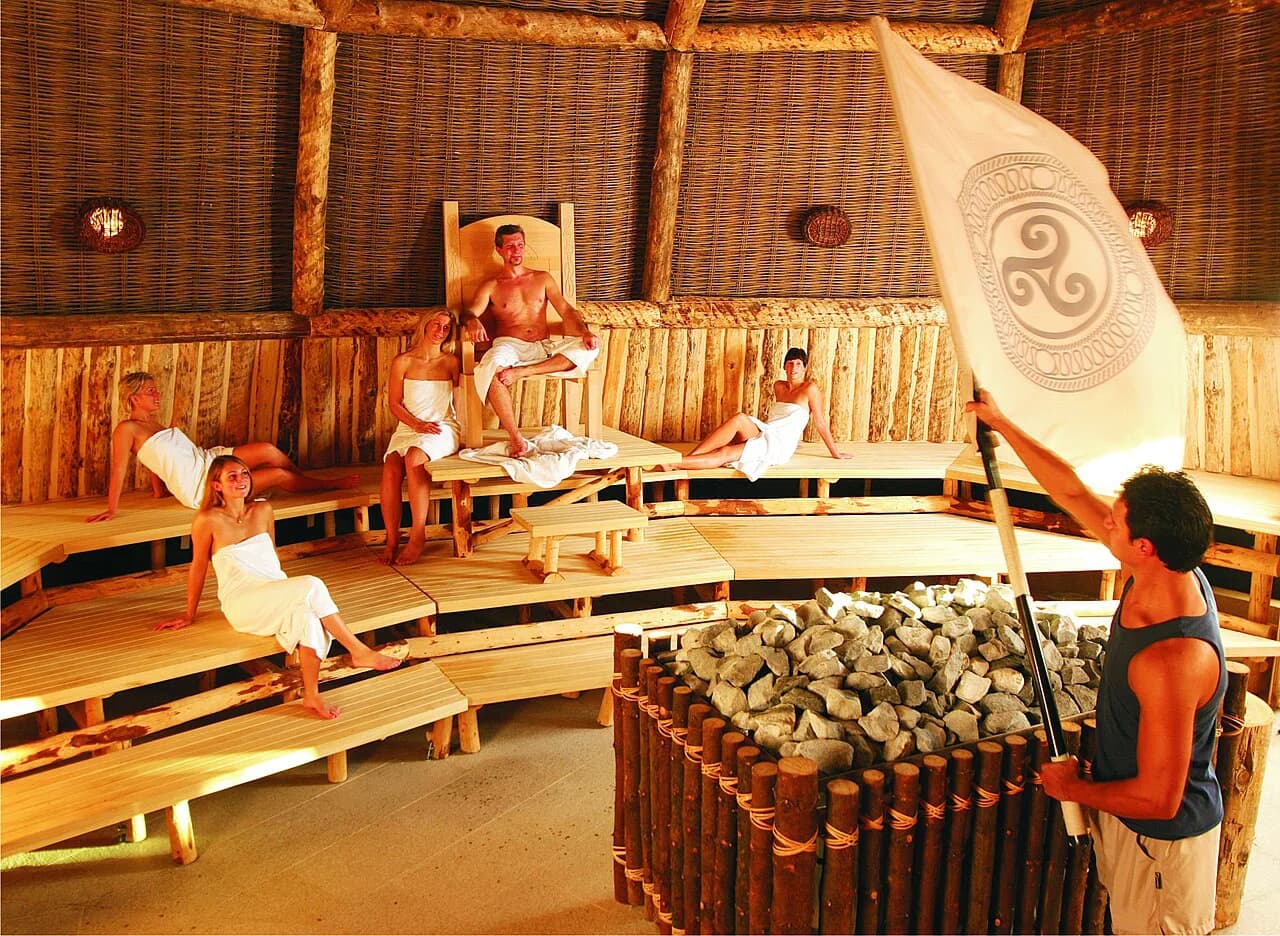
In an Aufguss round, the Saunameister pours water, often infused with aromatic oils, onto the hot stones and then fans the rising steam around the room with a cloth or towel. Guests sit upright on the benches, and the tiered seating means the heat and steam hit harder the higher you sit. Newcomers should take a lower bench and leave if it becomes too much.
These rounds run to a schedule and are announced, which makes them the one part of a German sauna visit worth planning around. Arrive a few minutes early, since rooms fill and latecomers disturb the round by opening the door. Sitting near the door makes a discreet exit easier if you need one.
Mixed or single-sex: what to expect
German sauna areas are typically co-ed, which is the detail that unsettles visitors most. That is a deliberate difference from the gendered wet areas common in East Asian bathhouses: here, men and women sweat in the same room, naked, with no particular ceremony around it. Expect it and the experience becomes far less charged.
Textile-free rules apply throughout the sauna area, including the showers and the quiet room, not just the hot rooms. Visitors who try to keep clothing on in the sauna zone are turned away. If you genuinely cannot manage that, the honest answer is to use the pool and skip the sauna rather than negotiate at the door.
Where the sauna area ends and the pool begins
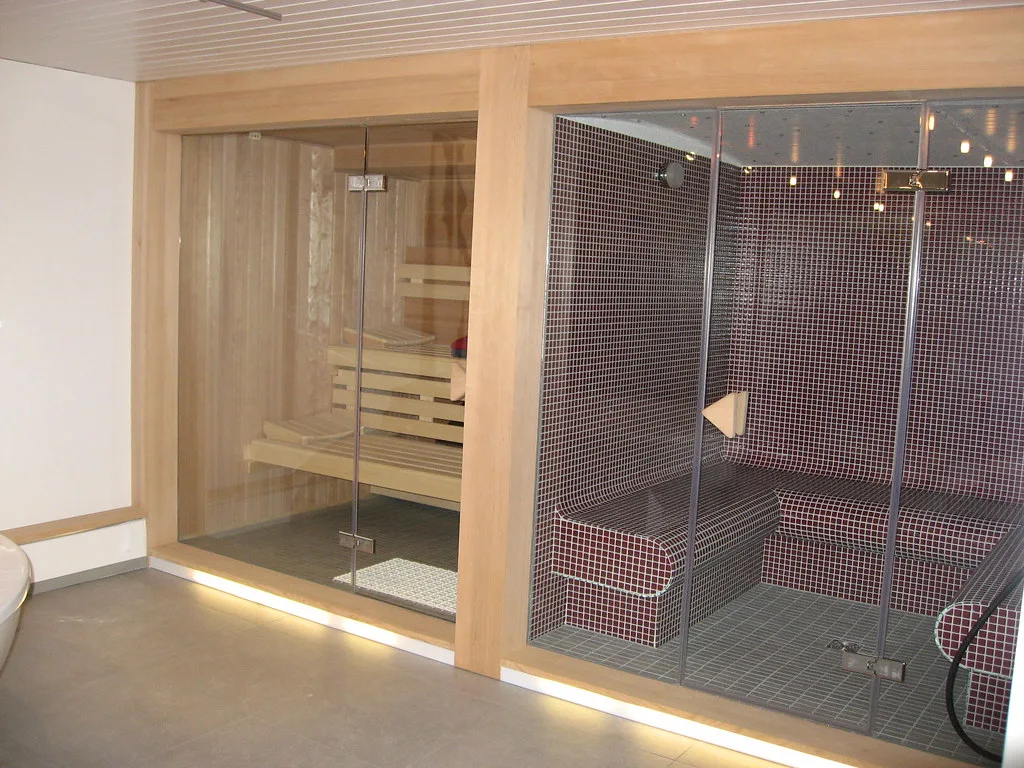
Most German spas are split in two: a clothed pool and wellness area, and a textile-free sauna area behind its own doors. In Munich, Südbad is described as a modern, family-oriented spa where swimsuits belong in the pool zones and the sauna area follows the usual clothes-free rule. That separation is the arrangement first-timers most often misread.
Therme Erding shows how far the model can stretch, combining a large water park with a sauna world of themed rooms and Aufguss sessions. It is a sauna-centric complex rather than a quiet neighbourhood bath, with the crowds that implies. If you want calm, choose a smaller venue; if you want choice and spectacle, this is the opposite trade.
Müller'sches Volksbad in Munich is the architectural counterpoint, a classic spa in an Art Nouveau building where the setting is as much the attraction as the heat. It suits a first visit because the surroundings give you something to look at while you find your feet. The three Munich spas together cover most moods, from ornate to modern to full-day entertainment.
What to bring and what stays in the locker
Bring two towels if you can: one large enough to sit on and one for drying off afterwards, plus flip-flops for the walk between rooms. A robe is worth the space in your bag for a long visit, since you will spend as much time resting as sweating. Leave your phone in the locker; the quiet room is for silence, not scrolling.
Water is the other essential, and most German saunas have drinking fountains or a tap near the changing rooms. Skip alcohol before bathing and stay hydrated across the rounds. If you feel unwell at any point, leave the room and cool down, and ask a doctor about sauna use if you have a heart condition or are pregnant.
Etiquette mistakes visitors make
The common errors are small but conspicuous: sitting directly on the wood, leaving a wet towel crumpled on the bench, talking above a murmur, and letting the door bang shut. Each one is corrected in the room rather than at reception, which is precisely why it feels embarrassing. Watch what regulars do for five minutes and copy it.
Our German sauna rules are the short version worth reading before you go, covering towels, showers and quiet. One quirk of the German-speaking world: swimwear in the sauna is the faux pas, not nudity, and other guests may report it to staff rather than confront you. Getting undressed is the polite move.
How German sauna culture differs from the Finnish sauna
The German room borrows the heat but not the silence. Where the Finnish sauna is often a quiet, conversational family ritual with a lake or a cold shower afterwards, the German version is a programmed event: announced Aufguss rounds, a Saunameister performing, applause at the end, and a whole afternoon built around several cycles. Both are communal, and neither is more authentic than the other.
If you have only ever sat in a Finnish-style room, the German emphasis on ritual and schedule will feel like the bigger adjustment, larger even than the absence of swimwear. Arriving for a specific Aufguss slot, then resting properly between rounds, is how regulars structure a visit. Treat the ritual, not the nudity, as the thing to prepare for.
Where to start in Berlin
Berlin is the easiest entry point for most travellers heading to Germany for sauna culture, with a spread of venues from municipal baths to large spa complexes. A shortlist of the saunas in Berlin helps you pick by mood and neighbourhood rather than by name recognition. Start with the venue closest to where you are staying and go early in the day.
Plan Your First Textile-Free Visit
The winning combination for a first German sauna is a smaller venue, an early arrival, a lower bench for the first Aufguss and a robe for the walk between rooms. Pick one venue rather than touring three, give yourself an afternoon and accept that the first ten minutes of undress are the least comfortable part. After that it is just heat, water and rest.
Confirm current opening times and any session schedule on the venue's own site before you set out, then arrive with your own towels and a change of clothes. The rest of the etiquette you will learn in the room within one round.
Explore more Germany sauna guides
Frequently Asked Questions
Do I have to be naked in a German sauna?
Yes. The sauna area is textile-free, and guests who enter in swimwear are sent out. The rule covers the hot rooms, the showers and the quiet room. Outside the sauna area, in the pools and cafés, swimwear and robes are normal, so the question is only ever about where you are standing.
Are German saunas mixed-sex?
Most are. Sauna areas are typically co-ed, with men and women sweating and resting in the same rooms without clothing. That is a deliberate difference from bathhouses where wet areas are gendered. If you are uncomfortable, choose a quieter venue and a quiet time of day rather than expecting a single-sex room.
Is naked sauna culture in Germany sexual?
No. The setting is treated as an unremarkable place to relax, and surveys cited in reporting on German attitudes find that sexual arousal is the association people make least often with nudity. Staring or suggestive behaviour is out of place. Drink water, keep your towel under you, and treat the room like any other quiet public space.
What should I bring to a German sauna?
Two towels, flip-flops and a water bottle will cover most visits, with a robe worth adding for a long session. Your towel goes under you on the bench and showering comes before you enter the room. Leave your phone in the locker; the quiet room is for rest, not screens.
What happens during an Aufguss?
The Saunameister pours water, often with aromatic oils, onto the stones and fans the steam around the room. Guests sit upright, and the heat is stronger on the higher benches. Rounds run to a schedule, so arrive early, sit low if you are new, and leave quietly if it becomes too much.
How long should I stay in the sauna?
Custom in Germany and Finland is roughly ten to fifteen minutes per round, followed by a cool-down and a rest before the next one. People commonly repeat this cycle several times over an afternoon. Leave earlier if you feel uncomfortable, and skip alcohol beforehand and keep hydrated.
Which Munich spa is best for a first textile-free sauna?
Müller'sches Volksbad is the classic choice, and the Art Nouveau setting gives a first-timer something to look at while settling in. Südbad is modern and family-oriented, with swimwear in the pool zones and a clothes-free sauna area. Therme Erding is the big sauna-centric complex, with themed rooms and Aufguss sessions.
Sources
Sauna notes for your next trip
Optional updates to our sauna guides.
You might also like

Continue reading
More guides you'll find useful