Avanto: Ice Swimming in Finland and the Sauna Round
Avanto is the Finnish word for a hole cut in the ice, and a dip in one usually comes between sauna rounds. Here is how the tradition works and where to try it.
On this page
Avanto is the Finnish word for a hole cut through the ice, and by extension for the winter swimming that happens in it. Swimmers lower themselves into open water reached from a dock, usually for less than a few minutes, then climb back out and return to a hot sauna. The practice is old enough that Finns treat it as a normal part of winter rather than an extreme sport.
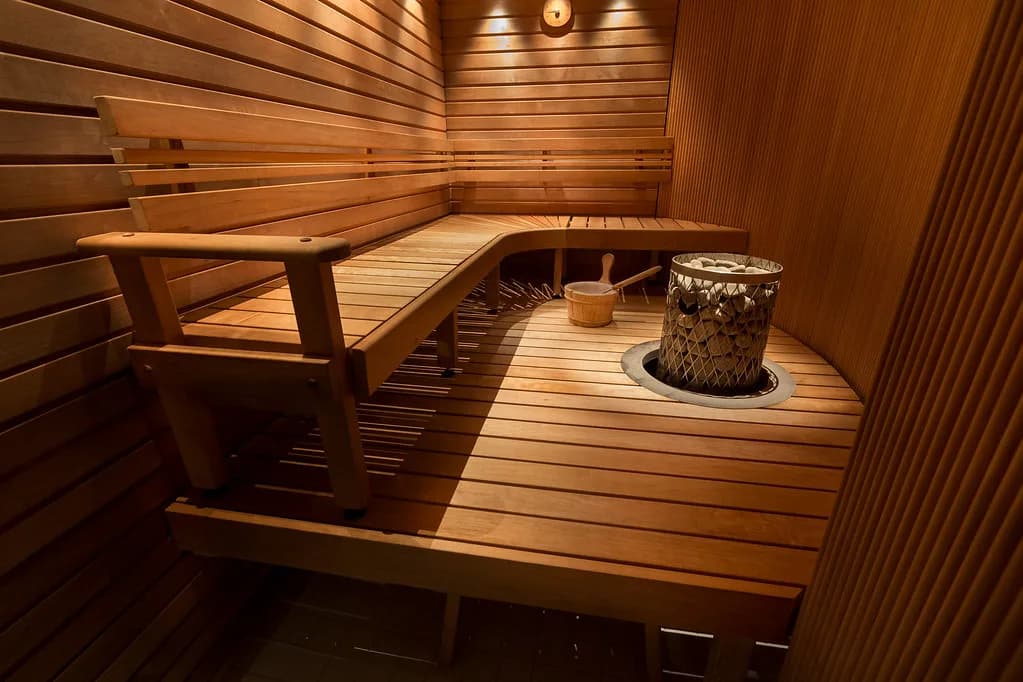
The structure matters more than the plunge. A typical visit is a series of rounds — warm up, walk out, dip, walk back, warm up again — so the cold water functions as the interval between sauna sittings. Read the dip as part of the same bathing ritual you find in the Finnish sauna, not as a separate challenge to be endured once and ticked off.
What avanto means
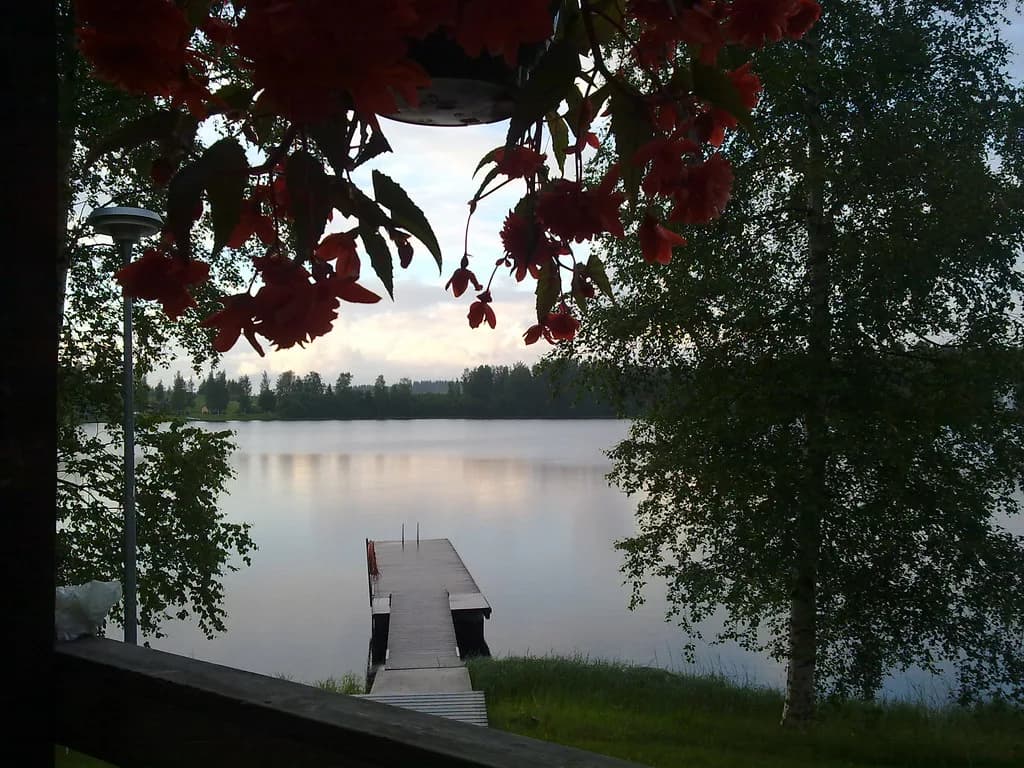
In ordinary Finnish use, avanto is the opening itself: a rectangle or pool kept free of ice at the end of a jetty, often at a summer swimming beach that stays in service through the winter. Many sites use a water agitator around the dock so the surface never fully closes over, which is why you can arrive at a lake in February and find a ready-made hole rather than hacking one yourself.
What does avanto mean in Finnish? Avanto is the hole itself: an opening cut or kept open through the ice at the end of a dock, often at a summer swimming beach that stays in use all winter. Finns also use the word for the winter swimming that happens in that opening, and the related term avantouinti means winter swimming as an activity.
How does ice swimming work with a sauna? You treat them as one cycle rather than two separate activities. Undress and shower, warm up in the sauna for a round, walk down the dock, lower yourself into the water for a short dip, then walk back up and return to the heat.
How long do you stay in the water when ice swimming? Short. Thirty seconds is a common first dip, regulars often stay a minute or three, and a few move around rather than plunging straight back out.
The related term is avantouinti, winter swimming, and the activity has grown well beyond its older core of daily swimmers. Helsinki alone has around thirteen winter swimming clubs, and joining one often means waiting for a place, which tells you how much of a routine this is for locals.
Why the dip sits between sauna rounds
A sauna and a hole in the ice are two halves of one habit. You heat up until the heat is genuinely uncomfortable, walk out into the cold in little more than a swimsuit, go down into the water, and go straight back to the warmth. The contrast is the point, and the second sauna round after a dip is usually the most comfortable of the session.
This is why a lakeside sauna with its own dock is worth more than a city sauna with a separate plunge pool elsewhere. The whole cycle — sweat, cold air, cold water, steam — happens within a few steps, and you can repeat it three or five times without losing the heat you built up.
How a session actually works
The sequence at a Finnish winter swimming place is consistent. You undress and shower, put on a swimsuit, sit in the sauna until you are properly warm, then walk down the dock to the hole. You go in, get out, walk back up, and repeat; after the last round people often sit outside in the cold for a few minutes before dressing.
Expect the air temperature to be well below zero while you are dripping wet on the dock. That walk is short but sharp, and it is the part first-timers underestimate. Keep a towel within reach at the top of the dock and something on your feet for the return, since wet boards and snow-covered steps get slippery.
City venues run the same logic with more infrastructure. Löyly in Helsinki gives direct access to the Baltic alongside its saunas, a restaurant and fireside drinks, which makes it the easiest place for a visitor to try the sauna-and-dip combination without joining a club.
How long people stay in
Customs differ by person, but the water is measured in seconds to a few minutes, not in long swims. Thirty seconds is a common first dip; confident regulars might stay in for a minute or three, and some move around rather than plunging straight back out.
The sauna half runs on a longer clock, typically five to fifteen minutes per round depending on the heat and the bather. Some saunas by the water run very hot indeed, and it is normal for regulars to keep the stove fed and the steam thick while newcomers sit lower down.
Mixed or single-sex rooms
Winter swimming spots in Finland vary: some have separate men's and women's saunas, others run co-ed, and the dock and the hole itself are outdoors and shared. Ask at the entrance which arrangement applies before you start undressing, because it is not uniform across venues or even across one site's different buildings.
Swimwear is the norm at public winter swimming places, unlike the nude bathing you may meet in other Finnish saunas. Bring a proper swimming costume rather than underwear, and pack it in a bag you can carry to the shower. For the wider conventions, our Finnish sauna etiquette covers the towel, bench and quiet rules that apply indoors.
Where to try it in Helsinki
Löyly is the obvious first stop in the capital: a public sauna on the waterfront with Baltic access, a restaurant and a bar, and enough capacity that walk-in visitors can usually fit a session around a meal. It suits travellers who want the dip without committing to a club membership or a long trip out of the city.
For something closer to a neighbourhood bathhouse, Helsinki's older public saunas are worth knowing, and our guide to the best saunas in Helsinki sets out which ones keep the heat high and the atmosphere plain. The city's winter swimming clubs remain the option for anyone staying longer and wanting a regular slot at the water.
Where to try it in Tampere
Kuuma sits at Laukontori harbour in Tampere, a modern sauna with ice swimming on the doorstep, a six-course tasting menu and a bar. The harbour setting means the cold water is a few steps from the steam, and the food makes it a plausible full evening rather than a quick stop.
Tampere locals tend to swim before or after work or at weekends with friends, so early evening is busy. Book the sauna and the table together if you want both, and allow more time than you think for the repeated walk between the heat and the harbour.
Further afield: Jyväskylä and Lake Saimaa
In Jyväskylä, Savutuvan Apaja offers ice swimming in Lake Päijänne with sauna access after a pre-booked farm-to-table meal. The combination of a proper lakeside setting and local food makes it a good half-day out from the city, and the booking structure means you should plan it into your itinerary rather than turn up.
On Lake Saimaa at Ruokolahti, Hotel Hirsiranta runs ice swimming from a wood-heated lakeside sauna that fits up to twenty people, with a stove kept going throughout a visit rather than fired once. It is a sauna-and-avanto venue rather than a city convenience, so the draw is the lake itself and the quiet.
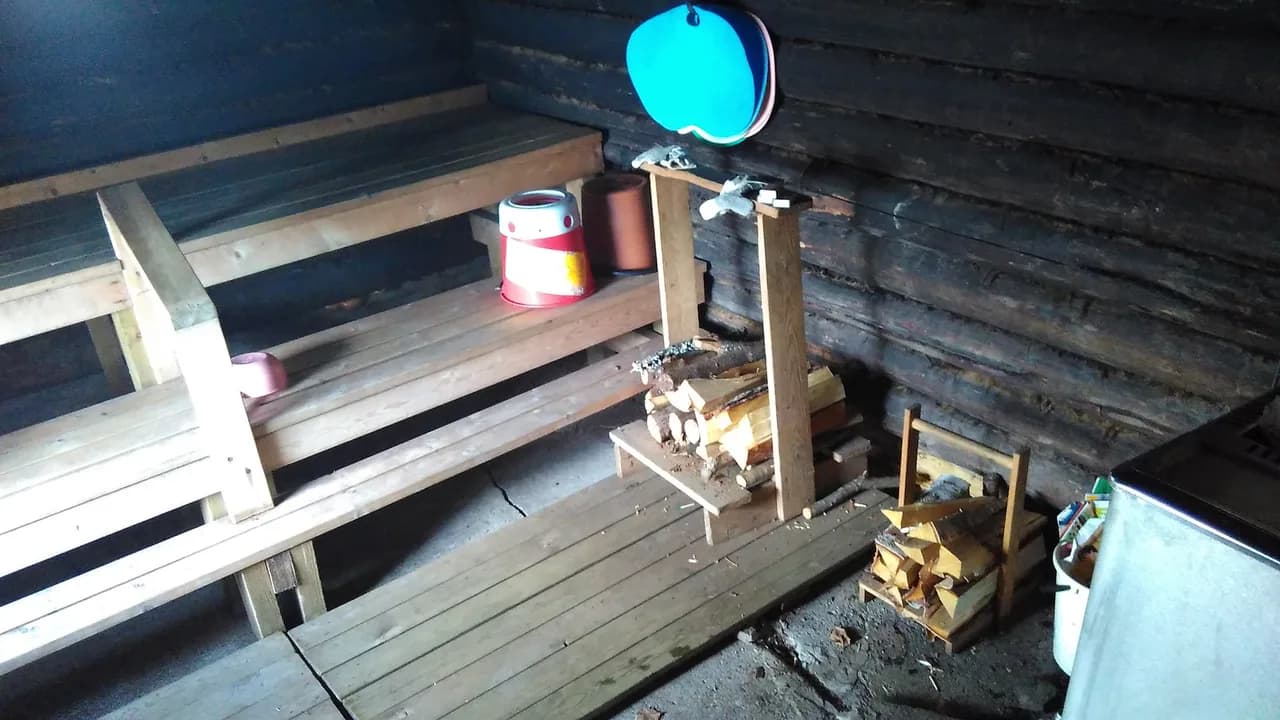
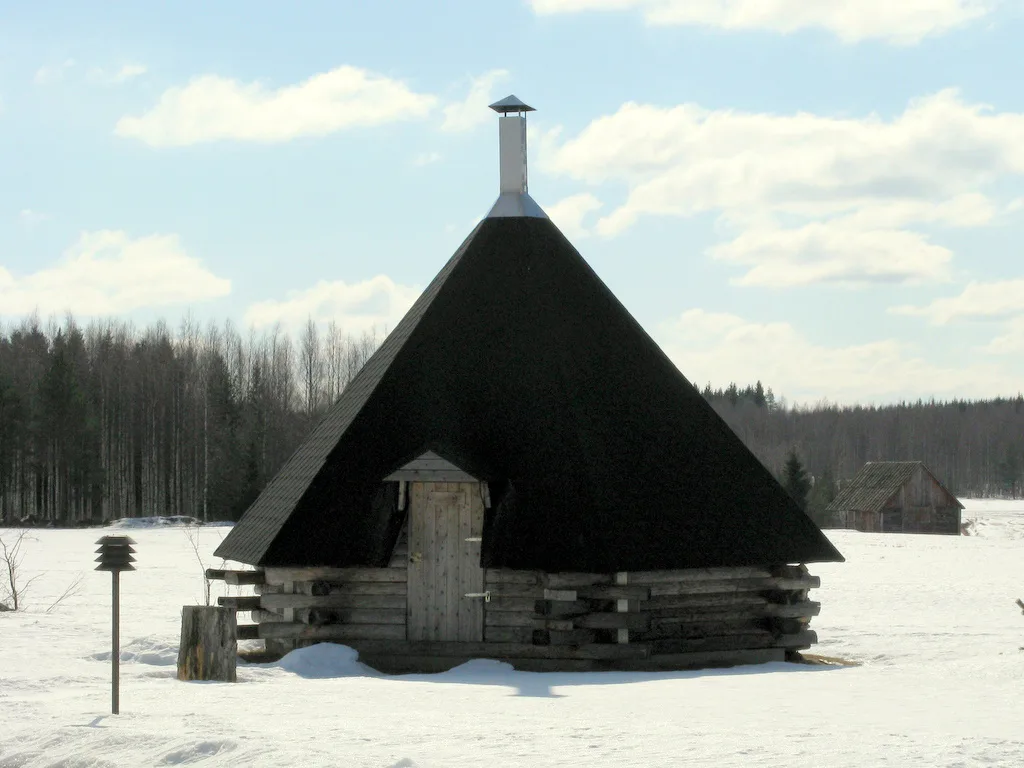
Smoke saunas are the other Lakeland tradition worth seeking out, and many country places combine a savusauna with a lake dock. Our savusauna guide explains what to expect from the soot-darkened room and why the heat feels different from a standard Finnish sauna.
Season, weather and the cold walk
Ice swimming depends on ice, so the season runs through the cold months at lakes and the Baltic, while city venues with open-water access operate around their own schedules. Winter conditions also change the experience: a clear, still day with snow on the dock is easier than wind and sleet, when the walk back to the sauna is genuinely unpleasant.
Dress for the dock rather than the sauna. A robe or a large towel, slip-on shoes and a woolly hat make the difference between a repeatable round and one chilly dash, and a dry towel at the top of the jetty saves you from standing wet in the wind while you queue for the door.
Etiquette in the sauna and at the hole
Inside, the usual Finnish rules apply: shower before you go in, sit on a towel, keep conversation low, and ask before throwing water on the stones if the room is not yours. On the dock, the queue for the hole matters more than anything else, and people expect you to take your dip and move on so the next person can step down.
Do not leave the door open, do not bring glass to the water, and do not rinse off in the sauna. If you plan to use a vihta, keep it in your own bucket and ask; the whisk is a personal item in most public rooms.
What to bring and what to leave behind
Take a swimsuit, two towels, a robe or something warm to throw on between rounds, and footwear for the dock. Neoprene socks and gloves are a common help for people whose hands and feet complain in the cold, and many regulars wear them for the water rather than the sauna.
Leave valuables in the changing room or a locker, carry cash or a card for any entry fee, and bring a water bottle. Much of the rest is common sense: avoid a heavy meal immediately before a hot sauna, and do not count on a phone surviving the damp on the dock.
Common mistakes first-timers make
The first mistake is treating the dip as the main event and rushing the sauna. The second is staying in the water too long on the first go because it feels manageable — a short first dip tells you more than a long one. The third is forgetting the walk back: wet feet on icy boards are the least pleasant part of the round.
Another is going alone without saying anything to staff or fellow bathers. At a club or a public sauna, tell someone it is your first time; regulars are usually quick to explain the stove, the dock and where to leave your towel, and it saves you guessing in the cold.
Safety basics
Stay hydrated, skip alcohol before bathing, and get out of the water or the sauna if you feel unwell. If you are pregnant or have a heart condition, ask a doctor before trying cold-water swimming, and never go into a hole in the ice alone at a quiet spot.
Do not dive into any water you have not seen from the surface, keep hold of the rail or ladder at the dock, and take your time standing up after the sauna. The cold hits harder than most first-timers expect on the second and third round rather than the first.
The vocabulary: avanto, Löyly, sauna
Three words cover most of what you will hear. Avanto is the hole in the ice; Löyly is the steam and heat thrown from the stones when water is poured on them, and also the spirit of the sauna session itself; sauna is the room and the whole ritual around it.
Say avanto with the stress on the first syllable and a short, clean 'a' at the end. Getting the vowels roughly right earns goodwill in a shared changing room, and a few Finns will happily correct you while you queue for the water.
Avanto in the wider Finnish sauna tradition
The sauna is the fixed point and the ice is the variation. Finland has roughly three million saunas for a population of about 5.5 million, which is why the ritual feels unremarkable to locals and why public saunas, summer cottages and apartment blocks all have their own version of the same evening.
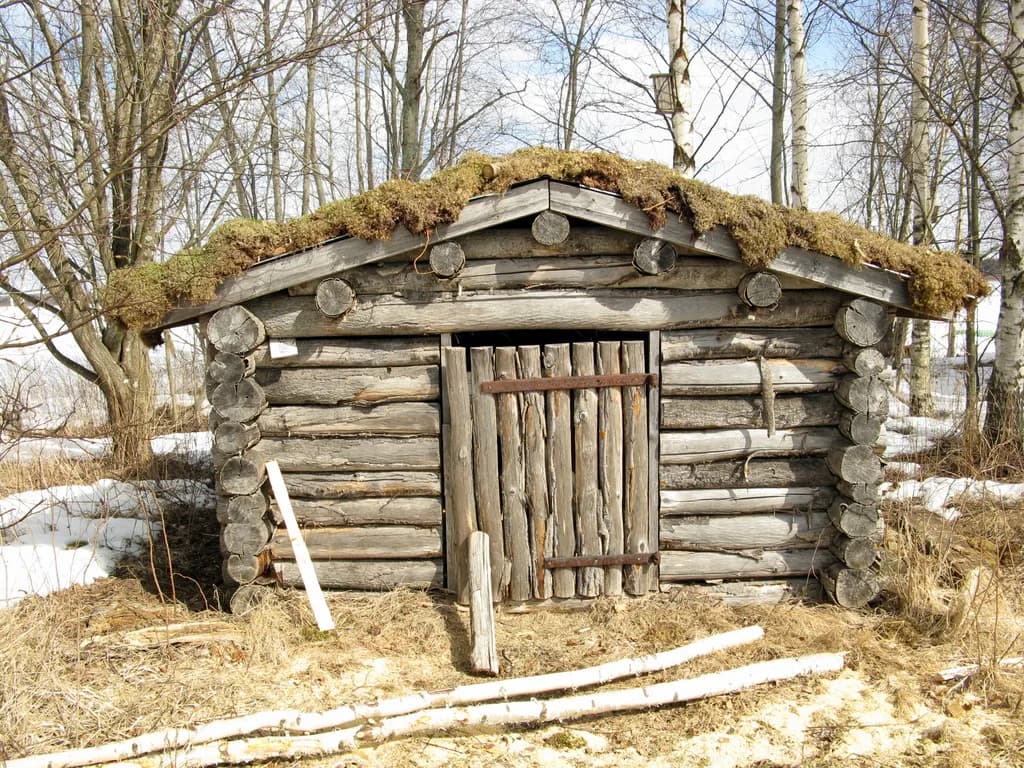
The pairing of heat and cold is old, and the history of the sauna runs through the farmhouse and the lakeside smoke room long before the modern city sauna arrived. Plunging into open water is not a new wellness fashion in Finland so much as a winter form of something people have always done by the lake.
For a traveller, that continuity is the useful part. You do not need a special venue to understand avanto; you need a sauna, a way into cold water and the patience to repeat the round three or four times. The public saunas in Finland are the cheapest and most straightforward route into the habit.
Plan Your Avanto
Build a session around two or three rounds rather than a single plunge, choose a venue with the water next to the sauna, and pack for the dock as carefully as for the heat. Löyly in Helsinki and Kuuma in Tampere are the easiest city introductions, while Savutuvan Apaja and Hotel Hirsiranta add a lake setting and a longer meal to the same routine.
Book ahead at the smaller and food-led venues, arrive with time to spare before your slot, and confirm your visit on the venue's own site before travelling — winter schedules and ice conditions shift with the weather.
Explore more Finland sauna guides
Frequently Asked Questions
What does avanto mean in Finnish?
Avanto is the hole itself: an opening cut or kept open through the ice at the end of a dock, often at a summer swimming beach that stays in use all winter. Finns also use the word for the winter swimming that happens in that opening, and the related term avantouinti means winter swimming as an activity.
How does ice swimming work with a sauna?
You treat them as one cycle rather than two separate activities. Undress and shower, warm up in the sauna for a round, walk down the dock, lower yourself into the water for a short dip, then walk back up and return to the heat. Most people repeat that three to five times and finish sitting outside in the cold for a few minutes before dressing.
How long do you stay in the water when ice swimming?
Short. Thirty seconds is a common first dip, regulars often stay a minute or three, and a few move around rather than plunging straight back out. The sauna side of the round is far longer, typically five to fifteen minutes depending on the heat and the bather.
Do you wear a swimsuit for avanto?
At public winter swimming places, yes: a proper swimming costume is the norm at the dock and in shared saunas, and some sites run separate men's and women's saunas while others are co-ed. Ask at the entrance which arrangement applies before you undress, since it varies between venues and even between buildings on one site.
Where can you try ice swimming in Helsinki?
Löyly is the simplest introduction, with Baltic access, saunas, a restaurant and a bar on the waterfront, so a dip fits around a meal. Helsinki also has around thirteen winter swimming clubs, though joining one usually means waiting for a place, which suits longer stays better than a short visit.
Can you ice swim in Finland in summer?
Not in an avanto, since the hole depends on frozen water at lakes and on the Baltic. Summer swimming in Finland happens in the same places — the beach, the dock, the lakeside sauna — but the cold-water interval between sauna rounds belongs to the winter months, and city venues with open-water access run to their own schedules.
Sources
Sauna notes for your next trip
Optional updates to our sauna guides.
You might also like
Continue reading
More guides you'll find useful