Finnish Sauna Temperature: How Hot It Really Is and How to Bathe at That Heat
Finnish saunas usually run 70–90°C, but Löyly changes how hot it feels. Here is what to expect, how long to stay, and how to handle your first rounds.
On this page
A Finnish sauna commonly runs at around 70–90°C (160–195°F), according to Visit Finland, and that range is where most public saunas in the country operate. The number on the thermometer matters, but it is not the whole experience: the same 80°C room can feel mild or fierce depending on steam, bench height and humidity. This guide explains how the heat actually behaves and how to bathe at it without turning a relaxing round into a test of endurance.
Think of temperature as a starting point rather than a target. A wood-fired savusauna, a city electric sauna and a harbour-side rental all have their own character, and your own tolerance shifts with the day, what you have eaten and how tired you are. The practical skill is reading your body and the room, then adjusting where you sit rather than enduring a heat that feels wrong.
What temperature a Finnish sauna actually runs at
Visit Finland describes the typical Finnish sauna as sitting around 70–90°C (160–195°F), with a strong focus on Löyly, the steam thrown from the stove to keep the air moist. That range covers most public saunas, from urban swimming halls to seaside rentals, though a smoke sauna or a small wood-fired room can behave quite differently. Treat the figure as a typical band rather than a rule every sauna follows.
What is the best temperature for a beginner in a Finnish sauna? There is no single ideal figure. Visit Finland gives 70–90°C (160–195°F) as the typical range, and a first-timer is usually more comfortable on a lower bench in that band than on the top platform.
What is 70–90°C in Fahrenheit for a sauna? Seventy to ninety degrees Celsius corresponds to roughly 160–195°F, which is the band Visit Finland gives for a typical Finnish sauna. The same room can feel very different from one day to the next once Löyly raises the humidity, so compare the room by feel as well as by the reading.
Why does throwing water on the stones make the sauna feel hotter? Water on the hot stones briefly lifts the humidity, and moist air carries heat to the skin more sharply than dry air does. Thermory puts a traditional sauna at roughly 5–15% humidity between throws, rising temporarily during Löyly.
A dry sauna in the Finnish style carries low humidity, while a steam room can approach saturation, which is why the same thermometer reading feels entirely different in each. Thermory puts a traditional sauna at roughly 5–15% humidity, rising briefly when you throw water, against near-100% in a steam room. That gap explains why a 90°C Finnish room can feel less oppressive than a much cooler steam-filled space.
Löyly: why water on the stones changes everything
Löyly is the ritual of throwing water onto the hot stones, and it briefly raises humidity while the measured temperature actually dips. The sensation is a wave of moist heat that feels sharper than the dry air before it, so regulars time their throws to suit the room rather than to hit a number. Visit Finland notes there are no fixed rules for how often to throw, only consideration for the people sharing the benches.
If you are new to the practice, throw a modest ladle and wait a moment before adding more, watching how the room responds. Experienced bathers often take the main Löyly and then settle, letting the steam dissipate before the next round, and a small public sauna may have a host or a printed rhythm to follow. The [Finnish sauna](/finnish-sauna) tradition treats Löyly as the heart of the session, which is why a sauna without steam can feel oddly flat.
Why the top bench is hotter than the bottom bench
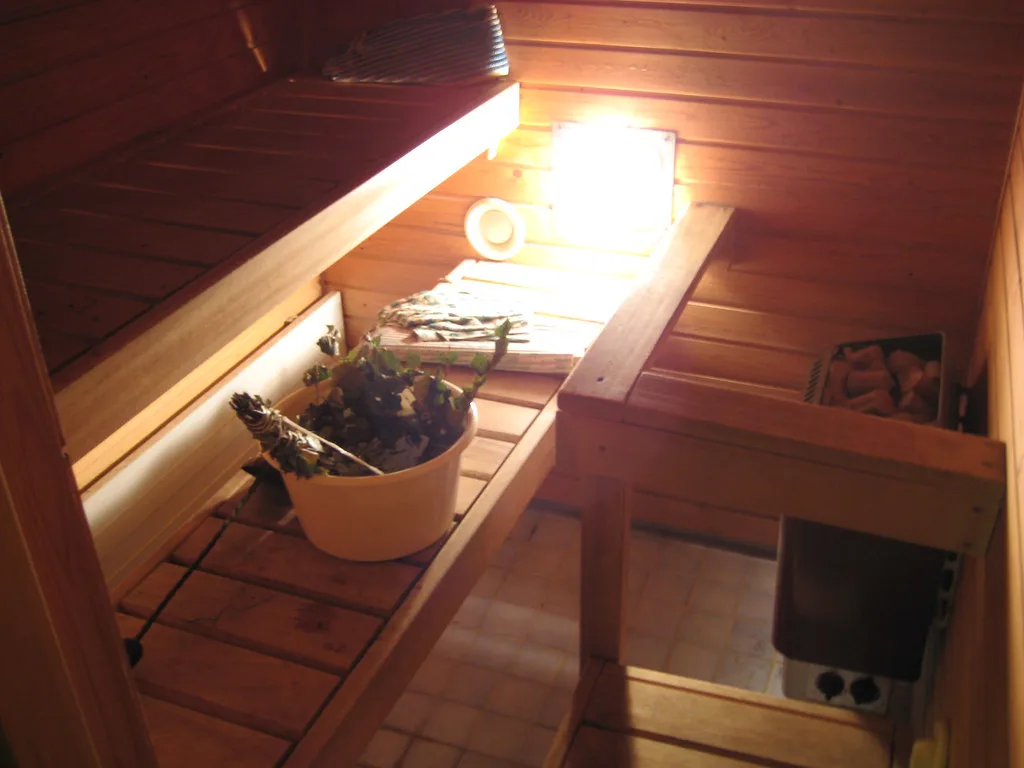
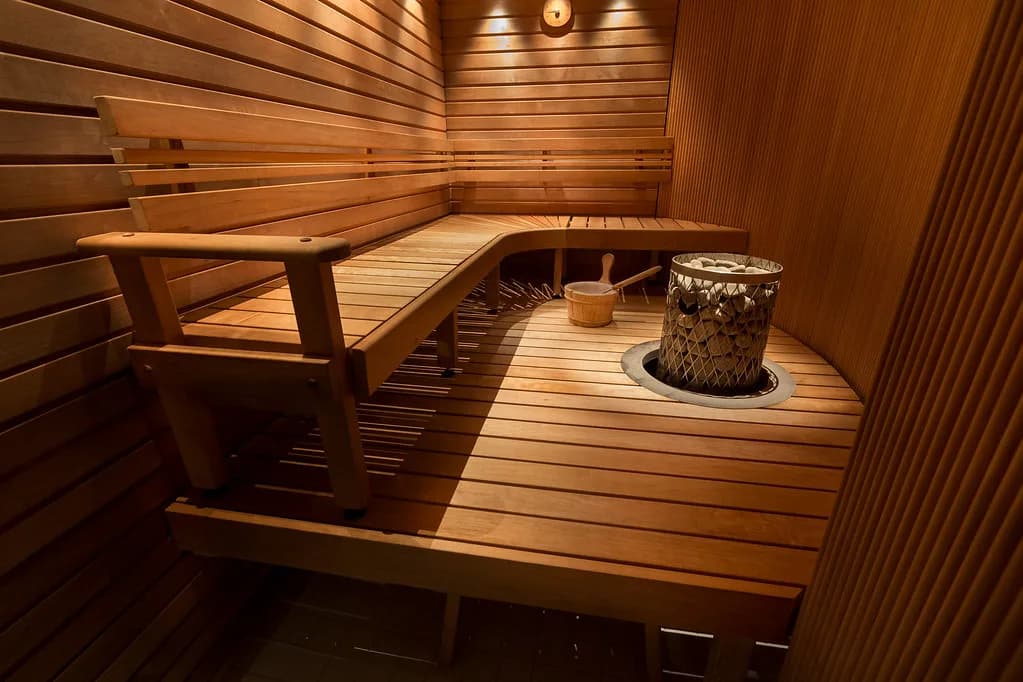
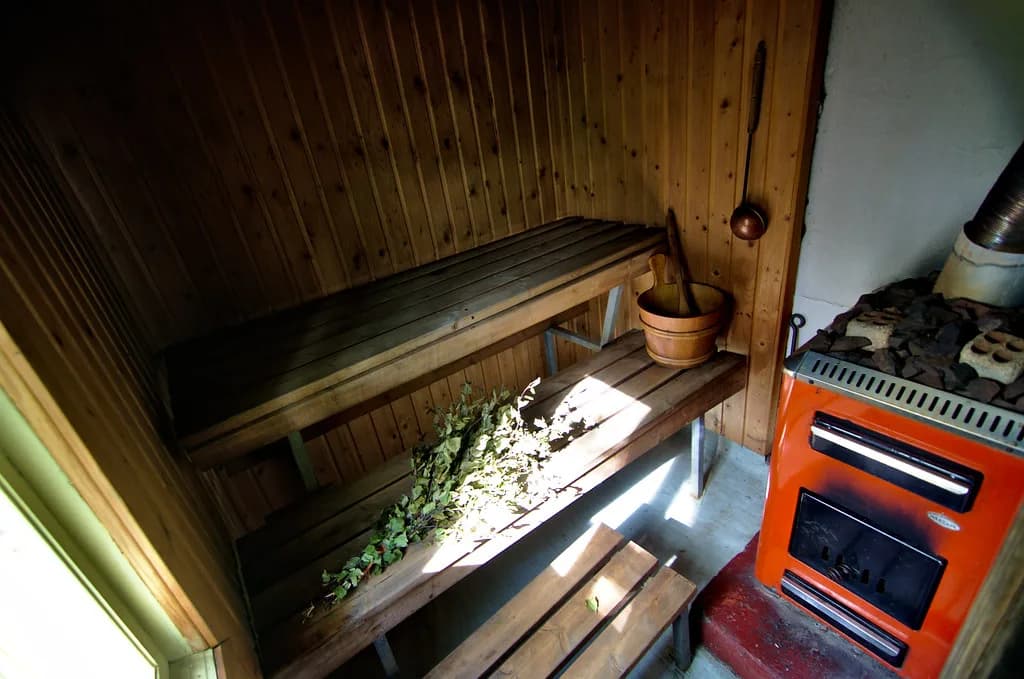
Heat rises, so the upper bench in a Finnish sauna is consistently the hottest place to sit and the lower steps are noticeably milder. On a first visit, start low and move up once you have adjusted, rather than climbing straight to the top platform. If the room feels too fierce, dropping a level or two is almost always enough to make it comfortable again.
Thermory notes that temperature varies with height inside the sauna and suggests trying a lower bench before leaving the room entirely. That advice is the single most useful practical tip for handling Finnish heat: the bench ladder is your thermostat. Leaving and re-entering is fine too, and no one in a public sauna will mind you stepping out for air.
Dry sauna, steam room and infrared side by side
Thermory lists typical ranges of 70–90°C for a traditional sauna, 38–65°C for infrared cabins and 30–50°C for steam rooms, with humidity running roughly 5–15% in a traditional sauna against near-100% in a steam room. In Finland you will mostly meet the traditional wood or electric sauna, though larger swimming halls may also run steam rooms alongside. Knowing which room you are entering helps you interpret the heat correctly.
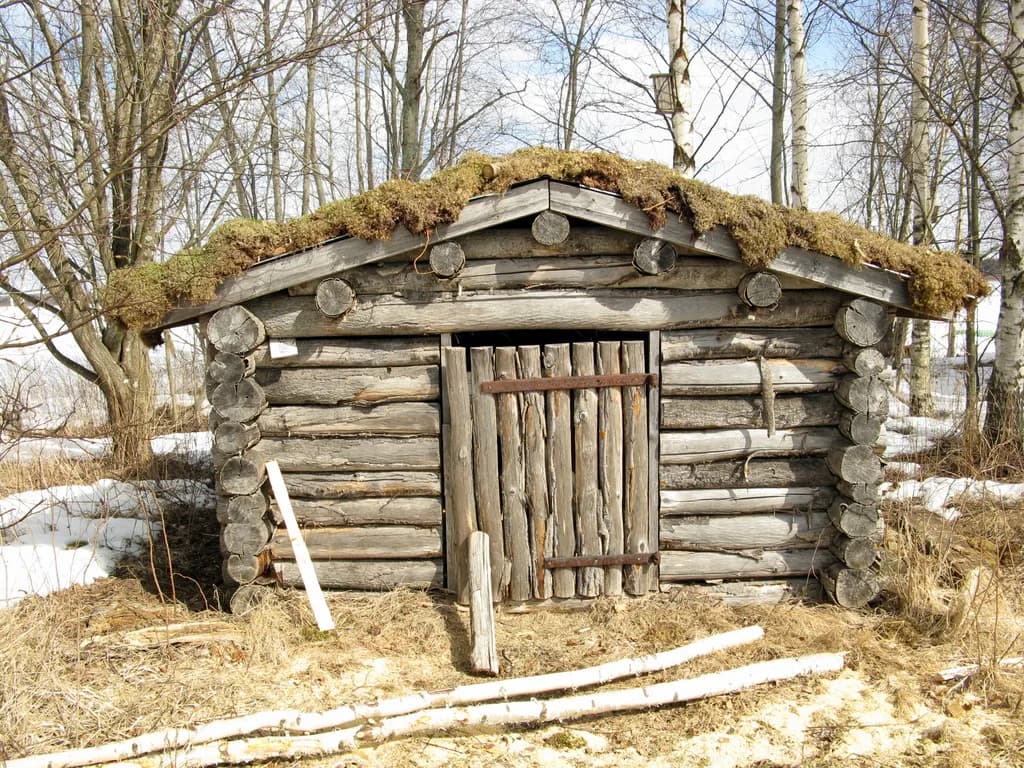
A savusauna, or smoke sauna, is heated by a wood fire without a chimney and then aired before bathers enter; the walls stay dark with soot and the heat lingers long after the fire dies. It is a distinct experience from an electric city sauna, warmer in character and often the centrepiece of a longer outing. If you want the deeper story of this tradition, read about the [savusauna](/smoke-sauna-finland) and what makes it different.
How long a round lasts
Visit Finland gives 5–10 minutes as a common length for a round, though bathers may stay for hours by cooling off between sessions. This is a custom, not a prescription: some people take short, frequent rounds and others settle in for longer. The reliable guide is how you feel, and stepping out early is always acceptable.
A typical rhythm is a first round of roughly five to ten minutes, then a cool-down, then a second and sometimes a third round. Cooling can mean a shower, a plunge pool, the sea or a lake, depending on the venue; the contrast is the point rather than a challenge. For the winter version of this practice, the [Avanto: Ice Swimming in Finland, and How a Sauna Round Works](/avanto-ice-swimming-finland) sets out how a cold dip fits between sauna rounds.

Nude or swimsuit, mixed or single-sex
Visit Finland explains that Finns often bathe nude, even with strangers, but that a swimsuit or towel is perfectly acceptable if you prefer. Public saunas post a sign on the door indicating whether a room is for men, women or mixed, with the Finnish word sekasauna for the mixed case. In mixed sessions, bathers tend to wear swimsuits or towels.
Families often bathe together, while larger groups commonly split by gender, and asking before entering a shared session is normal rather than awkward. The atmosphere in a Finnish sauna is typically quiet, with conversation low and no music or scent beyond fresh birch or tar. If you are unsure of the unwritten rules, the [Finnish sauna etiquette](/finnish-sauna-etiquette) covers how to read the room and behave in it.
What to bring and how to behave
Bring a towel, and in many public saunas you will also want a small seat cover or a second towel to sit on, plus flip-flops for wet floors. Showers are taken before entering, and footwear stays outside the sauna itself. Arrive clean, keep your voice low and leave your phone in the changing room.
The birch whisk, called vihta or vasta depending on the region, is a bundle of fresh twigs used gently on the skin during a round. Visit Finland describes it as a normal part of the experience rather than a performance; you can buy one at many public saunas in season or skip it entirely. For a fuller explanation, see the guide to the [sauna whisk](/sauna-whisk-vihta-vasta) and how it is used.
Quiet is part of the ritual: the Finnish sauna is dim and calm, without music, coloured lights or scented oils. Sitting silently, sweating and cooling off is the whole activity, and a low murmur is more typical than conversation. If you are used to louder bathhouses, expect to adjust your volume down.
Eating, drinking and staying safe
Visit Finland advises drinking plenty of water around sauna sessions, and blueberry juice is a traditional after-sauna drink. Sausages cooked over an open fire or wrapped and heated near the stove are a common part of a longer sauna outing. Keep the food for after your rounds rather than in the middle of them.
One plain safety line covers the essentials: stay hydrated, skip alcohol before bathing, leave if you feel unwell, and ask a doctor first if you are pregnant or have a heart condition. A sauna round should feel pleasant rather than punishing, and stepping out early is never a failure. The one hot rule is that no one should be competing to see who can last longest.
The best public saunas in Helsinki
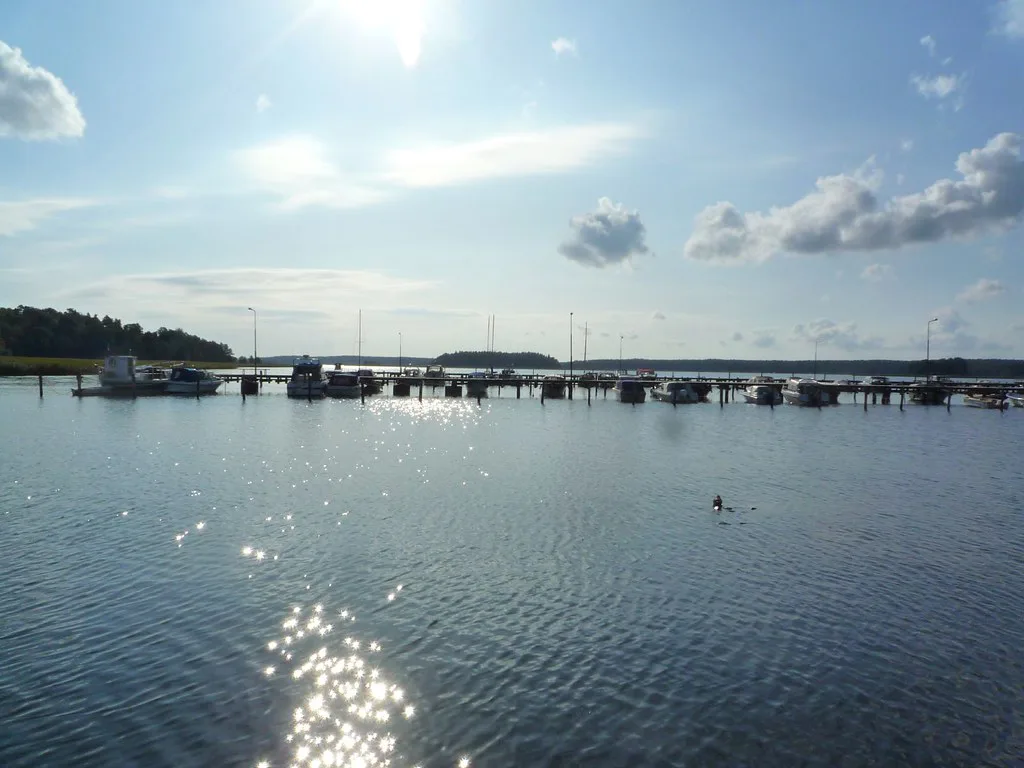
Helsinki is the easiest place to try Finnish sauna heat for the first time, with public saunas scattered across the city and most reachable on foot or by tram. Names like Kotiharjun sauna in Kallio and the seaside sauna at Allas Sea Pool give you a range of temperatures and cold-water options within the same city. Many are open year-round, though the harbour-side ones are at their best in cold weather, when the sea offers a sharp cool-down, so it is worth checking saunas in Helsinki before you plan a visit.
At Kotiharjun sauna, one of Helsinki's oldest public saunas, you get a traditional wood-heated room rather than a designed wellness version. At Allas Sea Pool, the sauna sits beside outdoor pools and the Baltic, which gives you a straightforward cold-water option without leaving the city centre. Both are more likely to have you sitting beside locals than beside a tour group.
Public saunas in Finland usually sell day tickets or short sessions at the door, though the exact pattern varies by venue. Booking ahead matters mainly for the smaller seaside saunas and for weekend evenings, when locals arrive in groups. If you are uncertain what a ticket includes, ask at the till rather than at the sauna door.
Tampere, the sauna capital
Tampere is widely billed as the sauna capital of the world, and it has more public and rental saunas per head than almost anywhere else in Finland. The city's lakes and river give easy cold-water options, including the traditional winter hole in the ice. Temperatures in the city's public and rental saunas are in the same 70–90°C band you find elsewhere in Finland.
Kuukkeli Saunaworld in Tampere bundles several sauna rooms and a cold plunge in one building, which makes it a convenient stop if you want to compare temperatures in a single afternoon. For those travelling north from Tampere, there are rental and lakeside saunas across the region, but the city itself is the easiest base. If you want the broader geography of sauna provision, see [how many saunas are in Finland](/how-many-saunas-in-finland).
Common mistakes first-timers make with Finnish sauna temperature
The most common error is treating the thermometer as a target to conquer, rather than a reading that shifts with Löyly, bench height and the day's humidity. A second is staying in one position for the full round when moving down a bench would solve the problem. A third is skipping the cool-down entirely and then wondering why the room feels overwhelming on the second round.
Another frequent mistake is overdressing or arriving in heavy clothes that stay damp through the rest of the day; wet swimwear and a spare towel are more useful. Talking loudly, taking photos or wearing shoes inside the sauna will not make you popular. Finally, expecting a spa-style mood with scented oils and music misunderstands the Finnish room, which is plain and quiet by design.
Plan Your Visit
Start with a round on a lower bench at a public sauna in Helsinki or Tampere, throw a modest ladle of water, and give yourself a proper cool-down between rounds. If you want the fuller cultural background before you go, the [history of the sauna](/history-of-the-sauna) explains where the room came from. Book ahead at the smaller seaside saunas and check the venue's own site for current session times.
Treat 70–90°C as a typical range rather than a challenge, and let the bench height, the steam and your own comfort set the pace. A first session is best kept short, followed by water, food and a quiet rest before you decide whether to go back in.
Explore more Finland sauna guides
Frequently Asked Questions
What is the best temperature for a beginner in a Finnish sauna?
There is no single ideal figure. Visit Finland gives 70–90°C (160–195°F) as the typical range, and a first-timer is usually more comfortable on a lower bench in that band than on the top platform. Sit low, take a short round, cool down, and move up a level only when the heat feels steady rather than alarming.
What is 70–90°C in Fahrenheit for a sauna?
Seventy to ninety degrees Celsius corresponds to roughly 160–195°F, which is the band Visit Finland gives for a typical Finnish sauna. The same room can feel very different from one day to the next once Löyly raises the humidity, so compare the room by feel as well as by the reading.
Why does throwing water on the stones make the sauna feel hotter?
Water on the hot stones briefly lifts the humidity, and moist air carries heat to the skin more sharply than dry air does. Thermory puts a traditional sauna at roughly 5–15% humidity between throws, rising temporarily during Löyly. Throw a modest ladle at a time and let the steam settle before adding more.
How long should you stay in a Finnish sauna?
Visit Finland describes 5–10 minutes as a common length for a round, with cooling dips in between and the option to repeat. That is a custom rather than a rule, and some bathers take several short rounds instead of one long one. Step out whenever you feel uncomfortable and go back in when you are ready.
Is it normal to be nude in a Finnish sauna?
Yes, Finns often bathe nude even with strangers, and Visit Finland makes clear that a swimsuit or towel is also perfectly acceptable. Public saunas mark the door to show whether a room is for men, women or mixed, and in mixed sessions bathers tend to wear swimsuits or towels.
Do Finnish people really sauna that much?
Sauna is a central part of Finnish life rather than an occasional treat, and Visit Finland describes the room as a place for both physical and mental unwinding. Many households have their own sauna, and public saunas are busy in the evenings and at weekends. For scale, see how many saunas are in Finland.
Sources
Sauna notes for your next trip
Optional updates to our sauna guides.
You might also like
Continue reading
More guides you'll find useful