The History of the Sauna: From Smoke Rooms to City Saunas
How the sauna began in Finland, how smoke saunas, bastus and banyas diverged, and where in Europe to step into the tradition yourself today.
On this page
The sauna is a hot room with a stone stove, a bench and a bucket of water, and the version most of Europe knows comes from Finland, where bathing in heated rooms goes back thousands of years. The Finnish word sauna is the root other languages borrowed, and the wider tradition runs from smoke-filled farm buildings to glass-walled harbour saunas.
Understanding the history matters practically, because the differences travellers notice today are historical: why Finns pour water on stones, why Russians beat each other with birch branches, why Germans sit co-ed under strict rules. Each custom grew out of a particular way of building and using a hot room.
What a sauna actually is
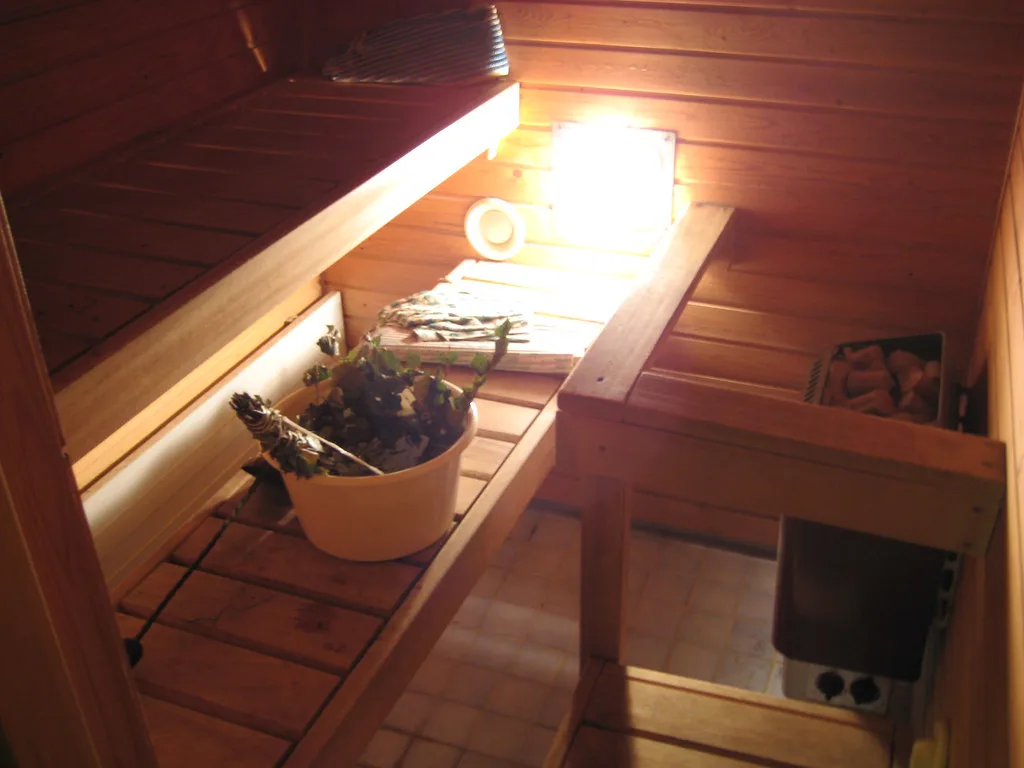
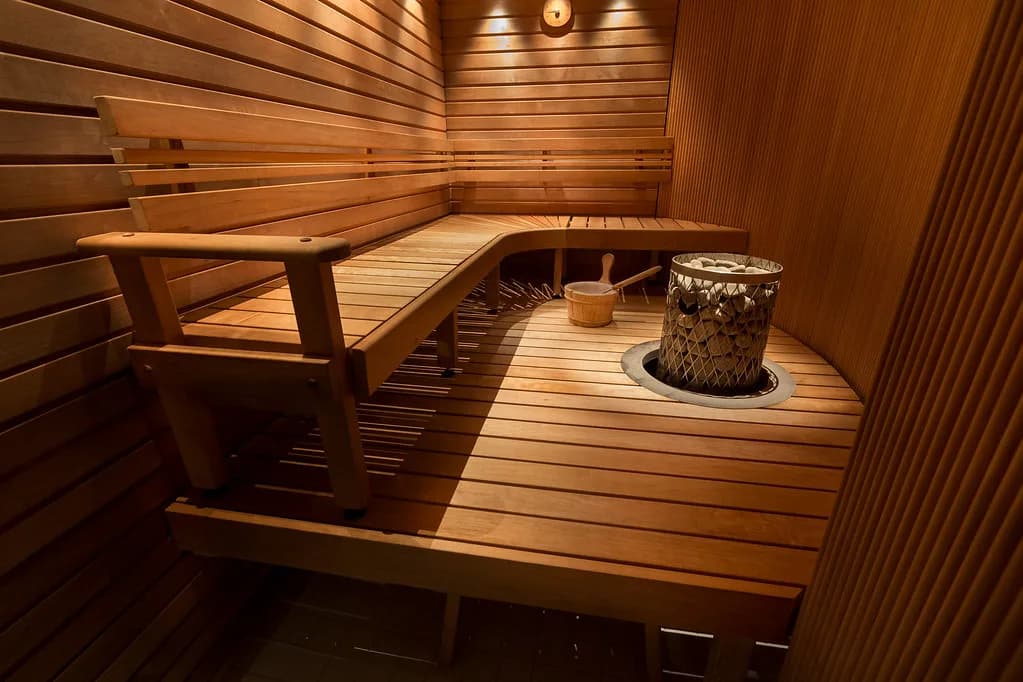
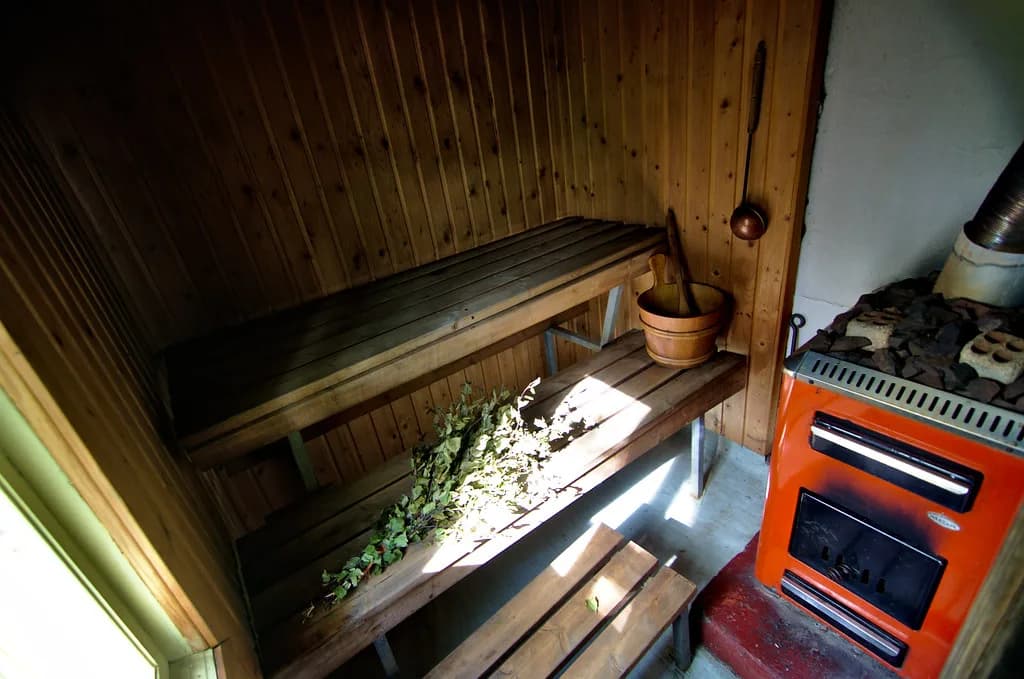
Strip away the marketing and a traditional sauna is simple: an insulated wooden room, a stove piled with stones, benches at two or three heights, and a bucket and ladle. The stove, called a kiuas in Finnish, heats both the air and the stones; pouring water on the stones produces a burst of steam, the Löyly, which is the point of the whole exercise.
Who invented the sauna and why? The sauna developed in Finland, where heated pits and early smoke rooms were used for bathing, warmth and practical work long before the modern wooden cabin existed. It was not invented by one person: it evolved from a multipurpose heated building into the bathing room that spread across Europe.
What is the difference between a Finnish sauna, a Swedish bastu and a Russian banya? A Finnish sauna is a relatively dry hot room with water poured on stones for short bursts of steam. A Swedish bastu follows much the same model but is often a private or club room finished with a cold dip, while a Russian banya is hotter and wetter, with birch veniks and a serious cold plunge between rounds.
What is a smoke sauna? A savusauna has no chimney. A wood fire heats a large stone pile and fills the room with smoke, which clears before bathers enter, leaving a soft, low heat and a smell of tar and woodsmoke.
That combination of dry heat and short, intense steam separates a sauna from a steam room or a Turkish hammam, where moisture fills the air continuously. Sauna bathing is usually cyclical: a hot round of five to fifteen minutes, a cool-down, a rest, then another round.
Where it began: early Finnish bathing
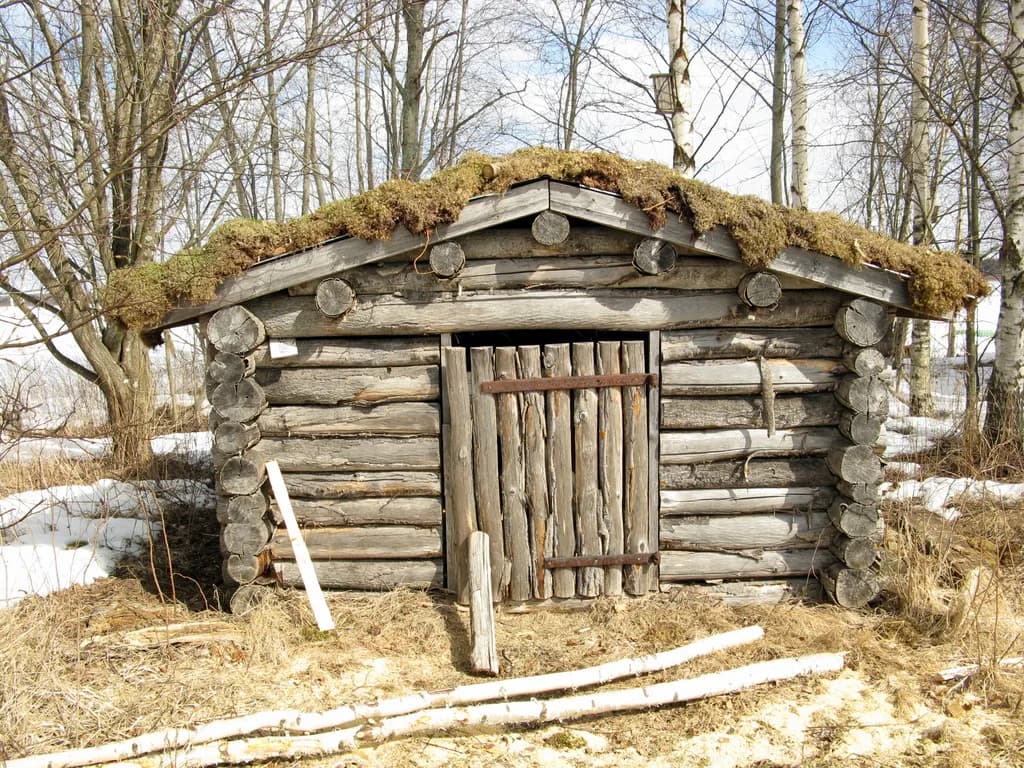
Finland is generally treated as the birthplace of the sauna, with evidence of bathing in heated pits and early smoke rooms stretching back millennia. The earliest versions were dug into embankments and covered with hides to hold the heat, a far cry from the cedar cabins sold today.
In rural Finland the sauna was never only a bathhouse. It served as a warm place to dry clothes, prepare food, care for the sick and give birth, and it carried a strong sense of ritual: certain behaviour was expected inside, and the building had its own place in folklore.
Finland has roughly one sauna for every two people, which tells you how ordinary the building is there. For travellers, that density is the reason a sauna trip in Finland can be improvised almost anywhere rather than planned around a single famous venue.
The savusauna and why it still smells of the past
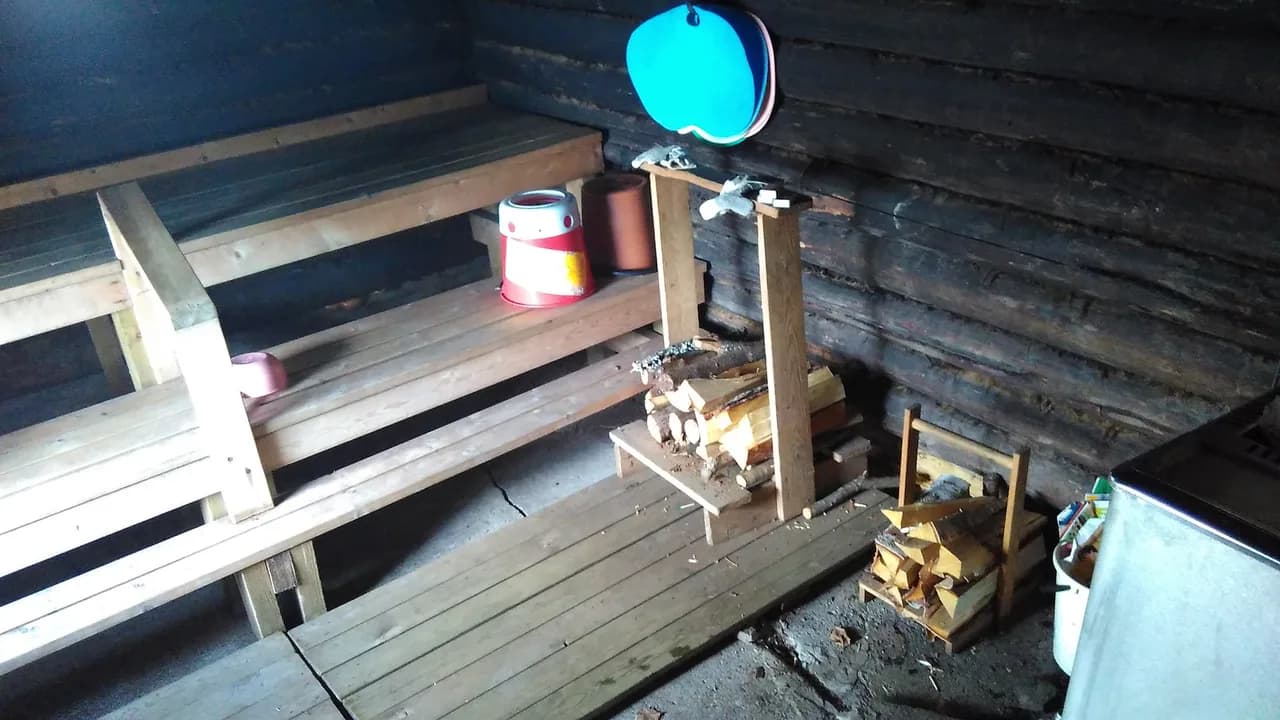
The smoke sauna, or savusauna, is the historical anchor of the whole tradition. It has no chimney: a wood fire heats a large pile of stones, smoke fills the room, and when the fire dies the soot is cleared and the benches washed down before bathers enter. The result is a deep, soft heat and a faint smell of tar and woodsmoke that electric saunas cannot copy.
Smoke saunas take hours to heat, so they are usually reserved for evenings, weekends and special occasions rather than a quick weekday round. If you want the older experience, plan around a venue that fires one up on a schedule rather than expecting it at any hour.
From farmsteads to public bathing halls
As towns grew, the sauna moved out of the yard and into shared buildings. Public bathing halls with separate men's and women's sides became fixtures of Finnish and Swedish cities in the nineteenth and early twentieth centuries, offering hot water and washing facilities to people whose homes had neither.
Many of those halls closed as apartments gained private bathrooms, but a handful survived and are now among the most atmospheric places to bathe in the Nordic countries. Helsinki's Kotiharjun sauna, a wood-heated neighbourhood institution on the Kallio side of the city, is the standard-bearer for that older public model.
Sweden's bastu and the cold dip
Sweden calls its sauna the bastu, and the form is close to the Finnish one: a small wooden room, a stone stove, benches around the walls and a preference for dry heat punctuated by water on the stones. The distinctive Swedish detail is the cold finish, traditionally a dip in a lake or a hole cut through the ice.
Sweden's public sauna culture took a heavy blow in the eighteenth century, when authorities blamed bathhouses for the spread of disease and restricted them, pushing bathing back into private homes. The habit survived, and the modern Swedish sauna is often a private or club affair rather than a municipal one.
The Russian banya: steam, venik and a serious plunge
The Russian banya is the tradition's other great branch, and it is hotter and wetter than a Finnish sauna. Bathers work up a sweat, then use a venik, a bundle of soaked birch or oak branches, to beat the skin and push hot air around the room; felt hats protect the head from the worst of it.
A proper banya visit alternates steam rounds with a genuinely cold plunge, often into an outdoor pool or a hole in the ice, and much of the evening is spent sitting, drinking tea and talking between rounds. That social rhythm, rather than a quick in-and-out, is the heart of the experience.
Baltic cousins: the Latvian pirts and the Estonian saun
Latvia's pirts and Estonia's saun follow the same logic with their own accents: a heated room, water on stones, birch whisks, herbal infusions and a strong element of seasonal ritual. Both traditions treat the sauna as a place for marking occasions as much as for washing.
For a traveller, the practical difference is usually language and etiquette rather than the room itself, and a first-timer can rely on the same basics: shower, sit on a towel, keep the door shut and follow the people around you. Our guide to Finnish sauna etiquette covers the conventions that carry across the Baltic and Nordic countries.
Germany: co-ed rooms, rules and Aufguss
Germany took the Finnish idea and built a culture of large, co-ed sauna complexes with strict hygiene rules: shower before entering, no swimwear in the hot room, always sit on a towel. Textile-free bathing is the norm there, and first-timers are usually surprised less by the nudity than by how orderly it all is.
The German speciality is the Aufguss, a scheduled ceremony in which a staff member pours water and aromatic oils over the stones and moves the steam around the room with a towel, often to music. Sessions run to a timetable and rooms fill up, so arriving early is part of the routine rather than a sign of anxiety.
How a traditional session works
A standard visit runs through the same loop: undress and shower, dry off, take a seat on a towel on the bench, sweat for five to fifteen minutes, then cool down and rest before repeating. Finns usually stay for two or three rounds rather than one long bake, and the resting between rounds is treated as part of the bathing, not a pause in it.
The cool-down can be a shower, a plunge pool, a lake, the sea or, in winter, snow and a hole cut in the ice. Finland's avanto tradition makes that last option a routine winter practice rather than an extreme stunt.
Heat levels vary more than newcomers expect, so pick a bench height deliberately: upper benches are hottest, lower ones milder. A typical Finnish sauna sits somewhere around 70 to 90 degrees Celsius at head height, and the steam, not the thermometer, does most of the work.
Vocabulary you will meet
A few words unlock most sauna conversations. Löyly is the steam from the stones, kiuas the stove, vihta or vasta the leafy whisk used in Finland, and saunoa the verb for taking a sauna; Germans speak of Aufguss, Latvians of pirts, Swedes of bastu and Russians of banya.
Pronunciation trips up most visitors, not least because English speakers tend to say the vowel differently from Finns. The first syllable takes the stress and the vowels are short and clean, which is worth getting right before you ask for directions.
A felt hat is another piece of kit you will see on Finnish benches, worn to keep the head comfortable when the Löyly gets fierce and to keep steam from stinging the ears. It looks odd until you are on the top bench.
Where to experience the tradition today
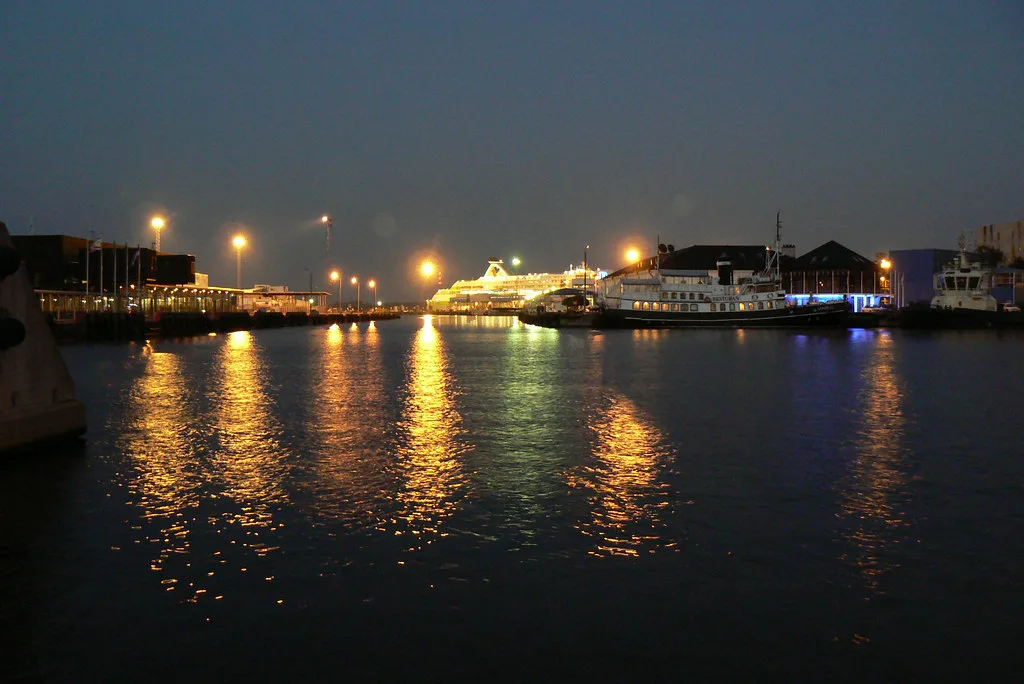
Helsinki is the easiest place to start, because public saunas there range from wood-heated neighbourhood halls to seaside complexes where you can step from the bench into the Baltic. Allas Sea Pool, by the harbour market, combines outdoor pools with saunas, and the mix of locals and visitors makes it a gentle introduction.
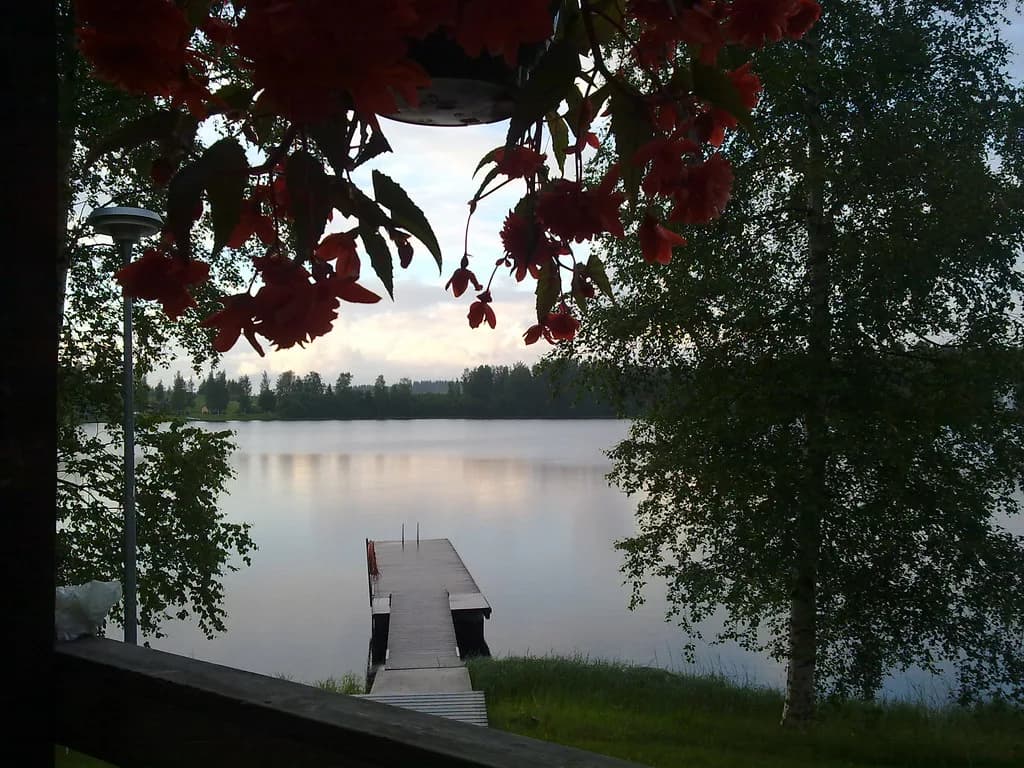
Elsewhere in Finland the choice widens: town swimming halls with saunas attached, summer smoke saunas by lakes, and countryside venues that fire up a savusauna for the evening. Jätkänkämppä on the shore of Lake Kallavesi is a well-known smoke sauna option in Kuopio, and for a city-by-city shortlist see our Tampere sauna guide to the best public saunas worth planning a stop around.
Public saunas in Finland run from large municipal halls to small wood-fired rooms, and the range is wide enough that a traveller can pick by atmosphere rather than by city. A wider list of public saunas in Finland is the fastest way to match a route to a venue.
Etiquette and what to bring
Bring a towel, and in Finland a second small towel or a seat cover to sit on, because bare skin on the bench is not the convention. Most public saunas provide a paper or cloth seat cover at the door; if yours does not, sitting on your own towel is the safe default.
In Finland you shower before entering and bathe nude in single-sex rooms, while mixed sessions in Germany and elsewhere are also textile-free with a towel for sitting. Swimwear in a hot Finnish sauna is unusual rather than forbidden, and a swimsuit is normal in Turkish and Russian bath complexes.
Keep conversation low, keep the door shut when you enter or leave, and ask before throwing water if you are sharing with strangers. If you are unsure, watch what the people around you do with their towels and follow suit.
Common mistakes first-timers make
The most common error is treating the sauna as endurance sport: staying too long, skipping the cool-down and sitting on the top bench for a first attempt. Two or three shorter rounds with rests between them are more typical of how Finns actually bathe, and the cool-down is not optional garnish.
The second is timing. Public saunas have men's and women's days or hours, popular Aufguss sessions fill up, and smoke saunas need booking ahead; turning up without looking at the schedule is the usual reason people miss the room they came for.
The third is equipment: no towel, no water bottle, and no plan for the walk between a hot room and a cold plunge in winter. A dry hat, flip-flops and a robe make a cold-water sauna far more enjoyable than a hurried dash in bare feet.
The sauna today: harbour saunas and city swimming halls
Modern Finnish saunas are as likely to be glass-walled and floating as wood-fired and soot-blackened, and the harbour sauna has become a city landmark in its own right. The appeal is the same as it always was: heat, water, cold air and company, compressed into an hour or two.
The tradition also holds a place in the calendar, and the Christmas sauna is still a fixture in many Finnish households before the holiday meal. That seasonal rhythm, more than any architectural style, is what has kept the habit alive for centuries.
Plan Your Sauna Visit
The history of the sauna is a history of one simple room being used for almost everything, and the customs travellers encounter today are survivals of that practicality rather than museum pieces. Start with a public sauna, take two rounds, cool down properly and leave before you are bored of it.
Keep the safety basics in mind: drink water, skip alcohol before bathing, leave the room if you feel unwell, and speak to a doctor first if you are pregnant or have a heart condition. Then follow the room: shoes off, towel down, door shut, and the Löyly does the rest.
Explore more Finland sauna guides
Frequently Asked Questions
Who invented the sauna and why?
The sauna developed in Finland, where heated pits and early smoke rooms were used for bathing, warmth and practical work long before the modern wooden cabin existed. It was not invented by one person: it evolved from a multipurpose heated building into the bathing room that spread across Europe.
What is the difference between a Finnish sauna, a Swedish bastu and a Russian banya?
A Finnish sauna is a relatively dry hot room with water poured on stones for short bursts of steam. A Swedish bastu follows much the same model but is often a private or club room finished with a cold dip, while a Russian banya is hotter and wetter, with birch veniks and a serious cold plunge between rounds.
What is a smoke sauna?
A savusauna has no chimney. A wood fire heats a large stone pile and fills the room with smoke, which clears before bathers enter, leaving a soft, low heat and a smell of tar and woodsmoke. Because heating takes hours, smoke saunas usually run to an evening schedule.
How long do you stay in a sauna per round?
Finns usually stay five to fifteen minutes per round, then cool down and rest before going back in, for two or three rounds in total. Sitting on a lower bench and leaving earlier is normal, especially on a first visit.
Do Finnish people shower after sauna?
Yes, showering is part of the routine, and many people shower before entering as well. A typical visit ends with a wash and a cool rinse, sometimes followed by a sit outside with a drink before heading home.
Where can I try a traditional sauna in Europe?
Finland is the obvious starting point, with public saunas in Helsinki ranging from wood-heated neighbourhood halls to harbour complexes, and smoke saunas in towns such as Kuopio. Germany offers large co-ed sauna complexes with scheduled Aufguss ceremonies.
Sources
Sauna notes for your next trip
Optional updates to our sauna guides.
You might also like
Continue reading
More guides you'll find useful