How Many Saunas Are in Finland? A Travel Guide to Decide
Finland has roughly three million saunas for about 5.5 million people, one for nearly every two. Here is what that ratio means for travellers and where to bathe.
On this page
Finland has roughly three million saunas for a population of about 5.5 million, which works out at close to one sauna for every two people. That figure appears in the Finnish government's own explainer, where the count sits alongside a population estimate of 5.5 million. Read it as a cultural ratio rather than a tourism statistic: most of those hot rooms are attached to homes and summer cottages, not to ticket desks.
Other Finnish sources put the total slightly higher, at around 3.2 million against a population of 5.5 million, so treat three million as a working round number rather than a census. Nobody is counting cottage stoves door to door. What the range does tell you is that sauna is ordinary domestic infrastructure in Finland, which shapes how public saunas operate and what etiquette you will meet on the bench.
For a traveller the useful question is not the national total but how many of those saunas you can actually enter. This guide separates the private stock from the public rooms, then explains how a session runs once you are inside one, so the three-million figure stops being an abstraction and starts explaining what you should book, wear and expect.
How many saunas are in Finland: the headline figure
The number to carry in your head is about three million saunas across Finland, against roughly 5.5 million residents. That is the figure the country's official communications material uses, and it is the one most Finnish tourism and culture writing repeats in some form. Divided out, it means a sauna for nearly every second person in the country, including infants.
How many saunas are there in Finland? Official Finnish communications put the figure at roughly three million saunas for a population of about 5.5 million, and other Finnish sources cite approximately 3.2 million. Treat three million as a working round number: the count includes apartment, cottage and workplace saunas that nobody audits individually, so it is an order of magnitude rather than a register.
Is it true there are more saunas than people in Finland? No. The widely quoted ratio is about one sauna for every two people, not more saunas than residents.
Why does Finland have so many saunas? The sauna was the practical washroom through the long Nordic winter before hot running water reached homes, and it was often the first building erected on a new plot. It also served as the cleanest room in the house, used for births until the 1950s and for washing the dead, so building one became standard rather than optional.
A second widely cited estimate lands at approximately 3.2 million saunas. The gap between the two numbers is small enough that no sensible traveller needs to resolve it; the ratio of roughly one sauna per two people holds either way. When you see a much larger or much smaller claim online, check which population figure and which year it was set against.
The comparison worth making is not saunas against cars, because no reliable count of Finnish cars appears alongside these sauna figures. Compare saunas against people instead: one per two residents is a density no other country claims, and it explains why public saunas in Finland are treated as everyday facilities rather than attractions.
Where those three million saunas actually are
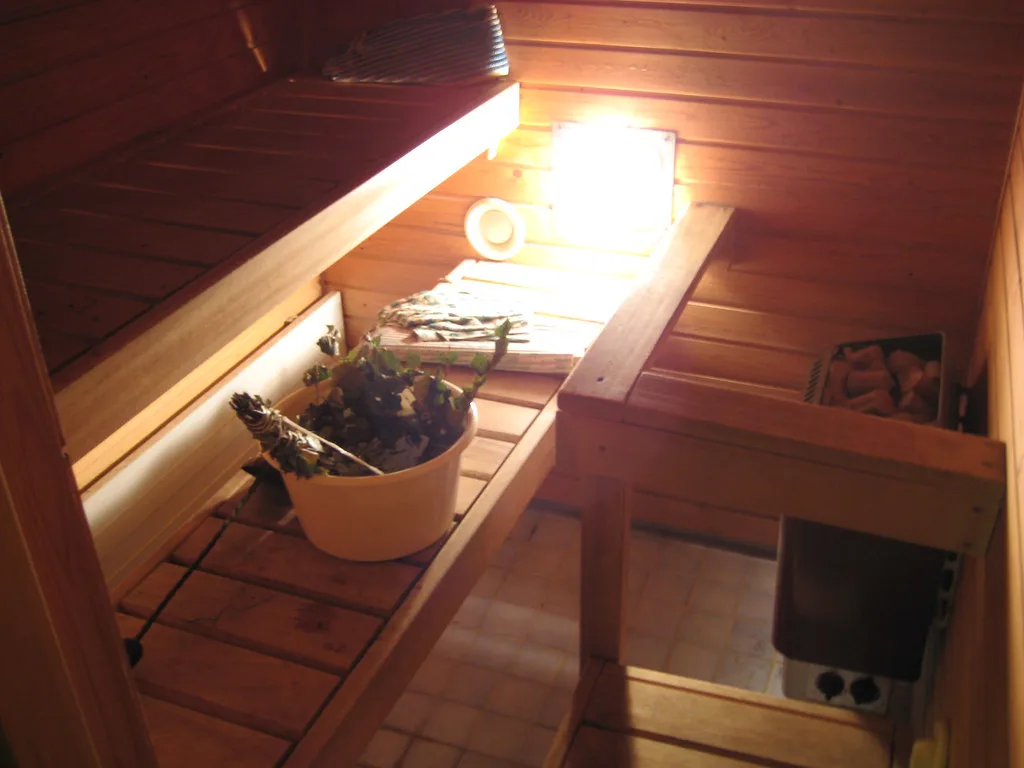
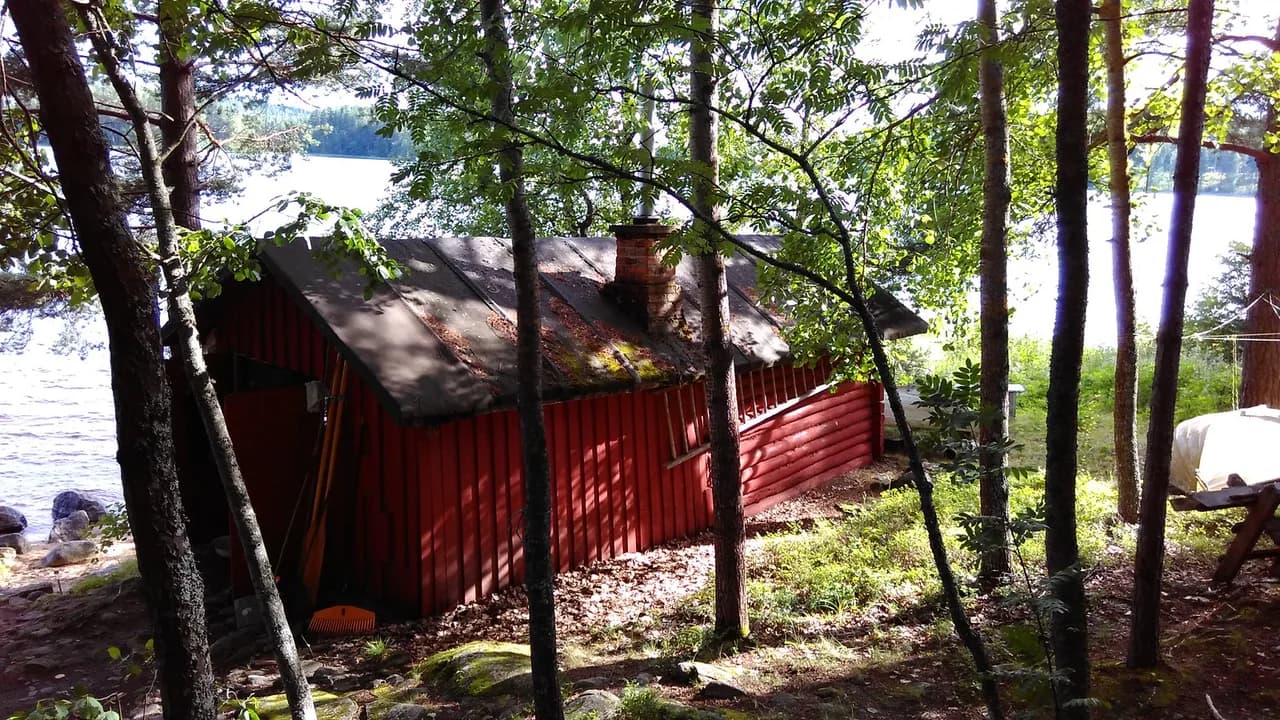
Most of the stock is private. Saunas sit in city apartments, in detached houses and above all in summer cottages, and large companies and state institutions maintain their own, including the president and the prime minister. When a Finnish colleague invites you to a sauna, the odds are strong that you are being taken to a room that never appears in any listing.
The public slice is much smaller but is the part that matters to a visitor, and it is spread unevenly. Helsinki has seen a run of new seaside saunas built on its waterfront, while Tampere and its surrounding region carry the densest concentration of public saunas in the country at nearly seventy. A traveller planning a sauna trip should think in terms of these clusters rather than the national total.
That split is why the three-million figure can mislead. Walking into a public sauna in Helsinki on a winter evening, you are one of a few dozen people in a city of hundreds of thousands of private hot rooms. The public sauna is a minority pursuit in a country where the private one is universal, and that is precisely what makes the public ones worth seeking out.
Why Finland has so many saunas: a short history
The sauna was long the most practical place to wash through the long Nordic winter, before hot running water reached ordinary homes. It was also the cleanest room in the house, which is why Finnish babies were routinely born in saunas until the 1950s and why the dead were washed there before burial. The building was often put up first on a new plot, so the household had warmth and shelter while the main house went up.
That history explains the density better than any modern enthusiasm does. A sauna was not a leisure upgrade in Finland; it was plumbing, maternity ward and washroom in one, and the habit of building one never faded as houses gained bathrooms. The full arc, from pit saunas to glass-walled waterfront rooms, is traced in our history of the sauna.
Finnish sauna culture itself sits on the UNESCO Intangible Cultural Heritage list, recognised in 2020, which is a statement about custom rather than architecture. The practice is described there as a way of cleansing body and mind in a space treated as close to sacred. Knowing that, the etiquette you meet on the bench reads as manners, not rules.
What counts as a sauna in these estimates
The count is broad enough to include almost anything with a heated room and a stove. That covers electric saunas in apartment blocks, wood-fired cottage saunas, communal laundry-room saunas and the modern public buildings on Helsinki's shoreline. Nobody audits the total, so the figure functions as an order of magnitude rather than a register.
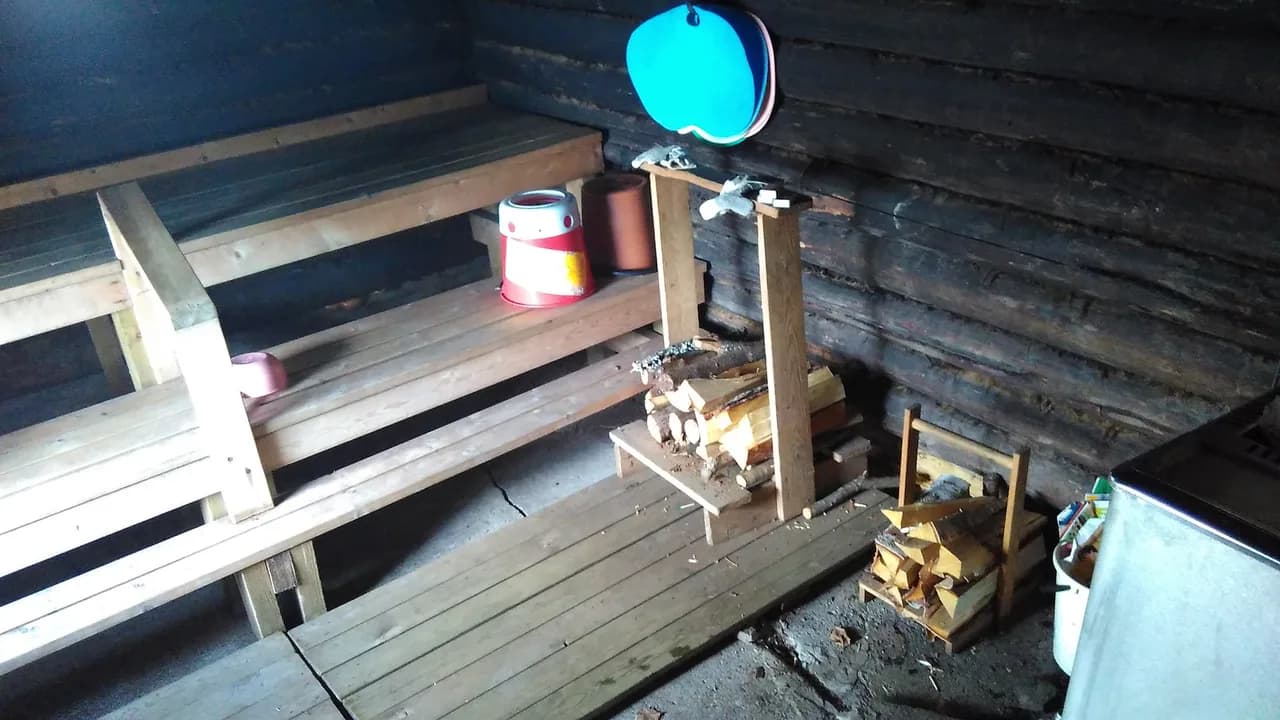
The form most Finns rate highest is the smoke sauna, where wood burns in a chimney-less stove and the smoke is let out before bathers enter, leaving a soft, wood-scented heat. It is the original design and the one that takes longest to heat. Our guide to savusauna explains how those sessions are run and why they are worth arranging in advance.
Temperature expectations vary by room and by bather. Finnish sources give typical ranges of 70–90°C in one place and 70–100°C in another, and the Finnish Sauna Society is cited at 80–100°C. Sit low on the bench if you are new, since heat rises, and move up when you want more intensity.
Public saunas you can actually visit
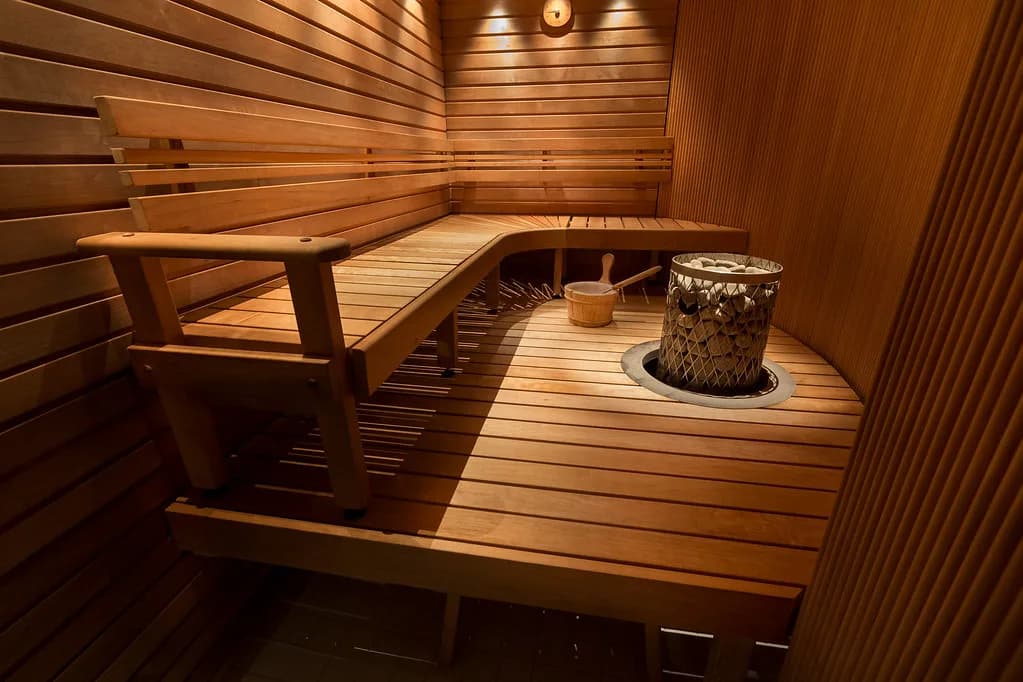
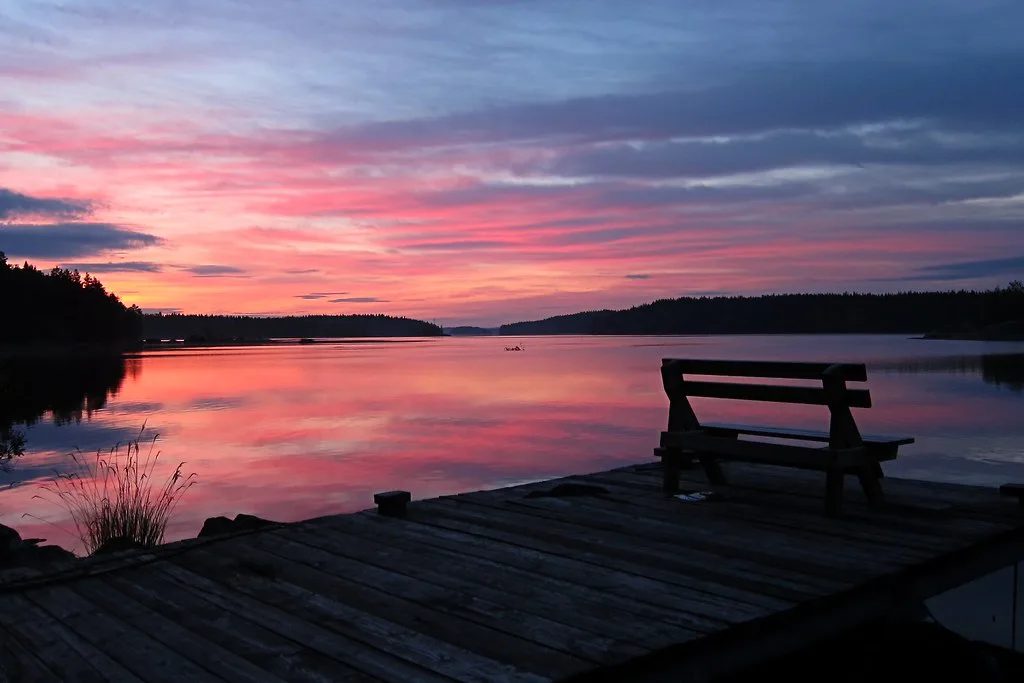
Helsinki's waterfront has been transformed by a wave of new seaside saunas that pair a hot room with a Baltic dip, and they are the easiest introduction for a first-time visitor. They run as commercial venues with admission charges, cafés and terraces, so you get the Finnish routine without needing an invitation. Bring a swimsuit if you prefer one; it is accepted in the mixed and public settings.
For the older, rougher end of the spectrum, Sompasauna in the Kalasatama district is the best-known example: a public sauna that has become a Helsinki institution. Expect basic facilities, a mixed crowd and a cold-water option in the sea rather than polished changing rooms. It suits travellers who want the unvarnished version and do not mind a walk through a construction district to reach it.
Tampere, inland between two lakes, is the other obvious base. The region counts nearly seventy public saunas, the highest concentration in Finland, and the city has formally branded itself the sauna capital of the world. It makes a good counterweight to Helsinki: fewer design statements, more neighbourhood rooms where locals bathe weekly.
Wherever you go, check the venue's own site for session times, gender divisions and whether towels are rented, because these details change by season and by room. The pages for Allas Sea Pool and Kotiharjun sauna in our Finnish sauna guide give a sense of how the Helsinki options differ from one another.
Tampere and the sauna capital claim
Tampere declared itself the sauna capital of the world in 2018, and the claim rests on volume rather than any official ranking. Its region has the largest number of public saunas in Finland, with nearly seventy, so the boast has something behind it even if no body hands out the title. Treat it as civic pride with a factual basis.
The city also holds Finland's oldest continuously operating public sauna, Rajaportti, which still runs as a wood-fired neighbourhood sauna rather than a museum piece. That combination, a historic working sauna plus the country's densest public network, is the honest reason to put Tampere on a sauna itinerary. Check the venue's own pages for which days it operates, since heritage saunas keep limited hours.
If you only have one day in Tampere, choose between a lakeside smoke sauna and a central wood-fired room rather than trying both. The lakeside version involves transport and usually a booking, while the central one fits around a walk through town. Our public saunas in Finland piece covers how these options compare across the country.
How often Finns sauna, and what a session looks like
Between 60 and 90 percent of Finns sauna at least once a week, depending on which survey you read, and many treat it as the high point of the week. The typical pattern is two or more rounds: sit in the heat until you are ready, cool off, then go back in. Nobody times you, and leaving early is not impolite.
Cooling is where the national rituals live. In summer that means a lake or the sea; in winter, a roll in fresh powdery snow, or a plunge through a hole cut in the ice. Our guide to avanto ice swimming in Finland covers how the hole is maintained and how the hot-and-cold round is sequenced for visitors.
You raise humidity by throwing water on the stones, which is called Löyly, and the usual dose is a couple of ladles at a time. In a shared room, watch whether others want more steam before you add any. Food and drink follow the sauna rather than accompany it: a cold beer or a soft drink afterwards, sausages at a cottage, and water throughout, because the heat makes you thirsty.
Sauna vocabulary for travellers
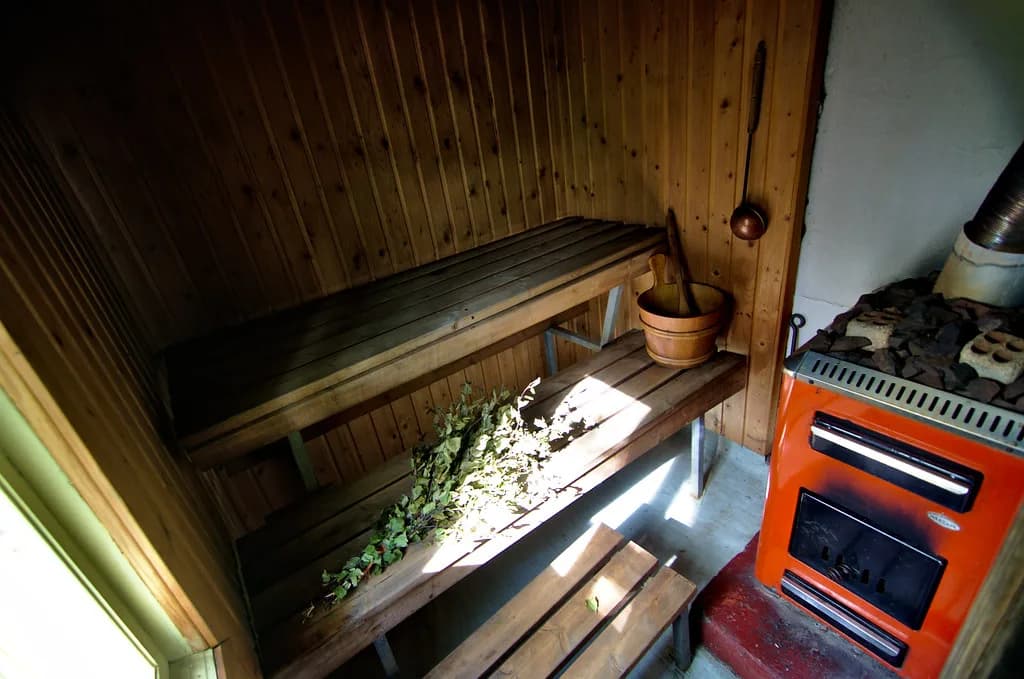
A handful of words will get you through. Löyly is the steam and the act of making it, kiuas is the stove holding the hot stones, and vihta or vasta is the bundle of birch twigs you soak and use to whisk the skin. A saunatonttu is the folkloric sauna elf said to live by the stove, and noisy behaviour is traditionally thought to annoy it.
The word sauna itself is Finnish and is pronounced with a diphthong closer to sow-nah than saw-nah, a detail locals notice. Our guide to how to pronounce sauna walks through that and the other words you will hear on the bench, which is a small investment that makes public sauna conversation easier.
The birch whisk is optional and often unavailable in city saunas, but it adds a resinous smell and a bit of ritual to a cottage session. If you want to try one, buy it fresh in season rather than dried, and ask before whisking near strangers. Our sauna whisk guide explains the difference between the western Finnish vihta and the eastern vasta.
Etiquette for your first Finnish sauna
Finns generally bathe naked, and the sauna is one of the few places where that carries no social charge. That said, wearing a swimsuit or wrapping in a towel is fine and locals will not comment, so choose whichever feels workable. Shower before you go in, and sit on a small towel or paper seat cover on the bench.
Public saunas mark whether a room is for men, women or mixed, using the word sekasauna for mixed sessions, and separate sessions are common in older halls. Families sauna together, while groups of friends often do not. If you are joining a mixed group, it is normal to ask what everyone prefers before undressing.
Keep the room quiet. Finnish sauna is not a conversation venue by default, and arguing or loud talk is considered poor form, which is why the silence is part of the appeal. Full details of room-by-room customs, drying areas and shower practice are in our Finnish sauna etiquette guide.
Common mistakes first-timers make
The first mistake is treating the sauna as a test of endurance. Competing over who can withstand the most heat is widely regarded in Finland as foolish, and most bathers simply leave when they have had enough. Sit on a lower bench, take a round or two, and cool down properly in between.
The second is eating heavily or drinking alcohol before going in, which Finnish guidance specifically advises against. Drink water instead, skip the pre-sauna beers and save the cold one for afterwards. If you have a heart condition, are pregnant or feel unwell, ask a doctor before bathing and leave immediately if you feel faint.
The third is underestimating the cold walk between sauna and water. A seaside sauna in Helsinki means crossing an open deck in winter, so bring something to stand on and a towel within reach, and check whether the venue has an indoor shower route for days when the sea is rough. A wool hat is a cheap fix for the worst of it; our guide to the Finnish sauna hat explains the felt versions used by competitive bathers.
The last is chasing the extremes. There are novelty saunas, from a ferris wheel cabin to the better-known lake and seaside rooms, and the gimmicks are less satisfying than a good neighbourhood sauna with a cold plunge. Spend your time on two or three solid rooms rather than ticking off oddities.
Plan Your Sauna Trip
Three million saunas for 5.5 million people is the short answer to how many saunas are in Finland, and the ratio is the interesting part. Nearly every one of them is private, so your trip is really about choosing a handful of public rooms well: a Helsinki waterfront sauna for the easy introduction, Sompasauna for the raw version, and Tampere for volume plus Rajaportti's wood-fired history. If the capital is your base, our Helsinki sauna guide narrows down the seaside rooms and neighbourhood halls worth your time.
Before you go, settle three things: whether your sauna is mixed or single-sex, whether you need to book a slot, and how you will cool off afterwards. Bring a towel, a water bottle and something for your feet, and check one venue's own site for its seasonal hours on the day. Then stop counting saunas and start using one.
Explore more Finland sauna guides
Frequently Asked Questions
How many saunas are there in Finland?
Official Finnish communications put the figure at roughly three million saunas for a population of about 5.5 million, and other Finnish sources cite approximately 3.2 million. Treat three million as a working round number: the count includes apartment, cottage and workplace saunas that nobody audits individually, so it is an order of magnitude rather than a register.
Is it true there are more saunas than people in Finland?
No. The widely quoted ratio is about one sauna for every two people, not more saunas than residents. Roughly three million saunas against about 5.5 million people leaves the population comfortably ahead, which is still a density no other country claims.
Why does Finland have so many saunas?
The sauna was the practical washroom through the long Nordic winter before hot running water reached homes, and it was often the first building erected on a new plot. It also served as the cleanest room in the house, used for births until the 1950s and for washing the dead, so building one became standard rather than optional.
How many public saunas are there in Finland?
There is no national total. The clearest figure is regional: Tampere and its surrounding area have nearly seventy public saunas, the largest concentration in the country. Anyone planning around public rooms should pick a city or region and work from the venues there rather than from a nationwide count.
Are there more saunas than cars in Finland?
That comparison circulates online, but no reliable Finnish car count sits alongside the sauna estimates, so it cannot be settled here. The per-person ratio does the same job: one sauna for nearly every two residents shows how ordinary the hot room is in Finnish daily life.
What should a first-timer wear in a Finnish sauna?
Finns usually bathe naked, but a swimsuit or a towel is perfectly acceptable and locals will not comment. Shower before entering, sit on a small towel or paper seat cover, and check the signs that mark a room as men-only, women-only or mixed before you undress.
Sources
Sauna notes for your next trip
Optional updates to our sauna guides.
You might also like
Continue reading
More guides you'll find useful