Savusauna in Finland: Guide to Smoke Sauna Customs
A savusauna is Finland's chimney-less smoke sauna, fired for hours and bathed in slowly. Here is how a session works, where to try one and what to bring.
On this page
A savusauna is a Finnish smoke sauna built without a chimney, where a wood fire heats a pile of stones and the smoke fills the room before bathers ever step inside. The fire is lit hours ahead, the smoke is let out, and the soot-blackened walls then hold a soft, low, woody heat that behaves quite differently from an electric or ordinary wood-heated sauna. Everything else about a savusauna day follows from that long heat-up.
What a savusauna is: a room of stones, a fire, and no chimney
Strip away the ritual and a savusauna is remarkably simple: a room containing a pile of stones and a firebox, but no chimney to carry smoke away. Smoke sauna, the Finnish savusauna, is one of the earliest forms of the sauna, a direct-fire arrangement that predates the metal stoves and flues most bathers know today. The stones absorb heat for hours, and the timber walls take on the soot of every firing.
What is a savusauna? A savusauna is a Finnish smoke sauna: a timber room with a large pile of stones and a fire, but no chimney. Wood burns for hours, the smoke is vented before bathers enter, and the soot-blackened walls then hold a soft, slow heat that feels rounder than an electric sauna.
How is a savusauna different from a normal Finnish sauna? An everyday Finnish sauna usually has a metal stove with a flue and can be hot within an hour, so it fits into a weekday evening. A savusauna needs a long firing, careful venting and a soot-tolerant set of towels and swimwear, which is why it becomes the centre of an afternoon or evening rather than a quick stop.
How long does a savusauna session last? Individual rounds are typically short, somewhere around five to fifteen minutes, with cool-downs and rest in between. The whole visit, including changing, several rounds and something to eat, usually runs a couple of hours, and private bookings are commonly arranged in blocks of an hour or an evening.
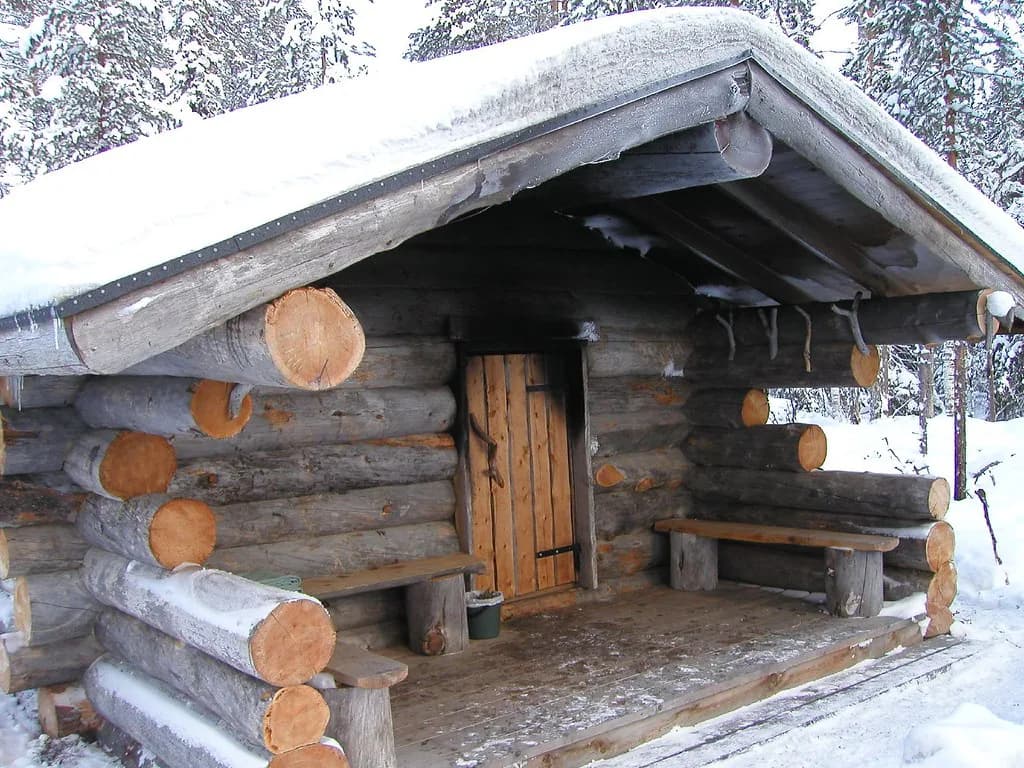
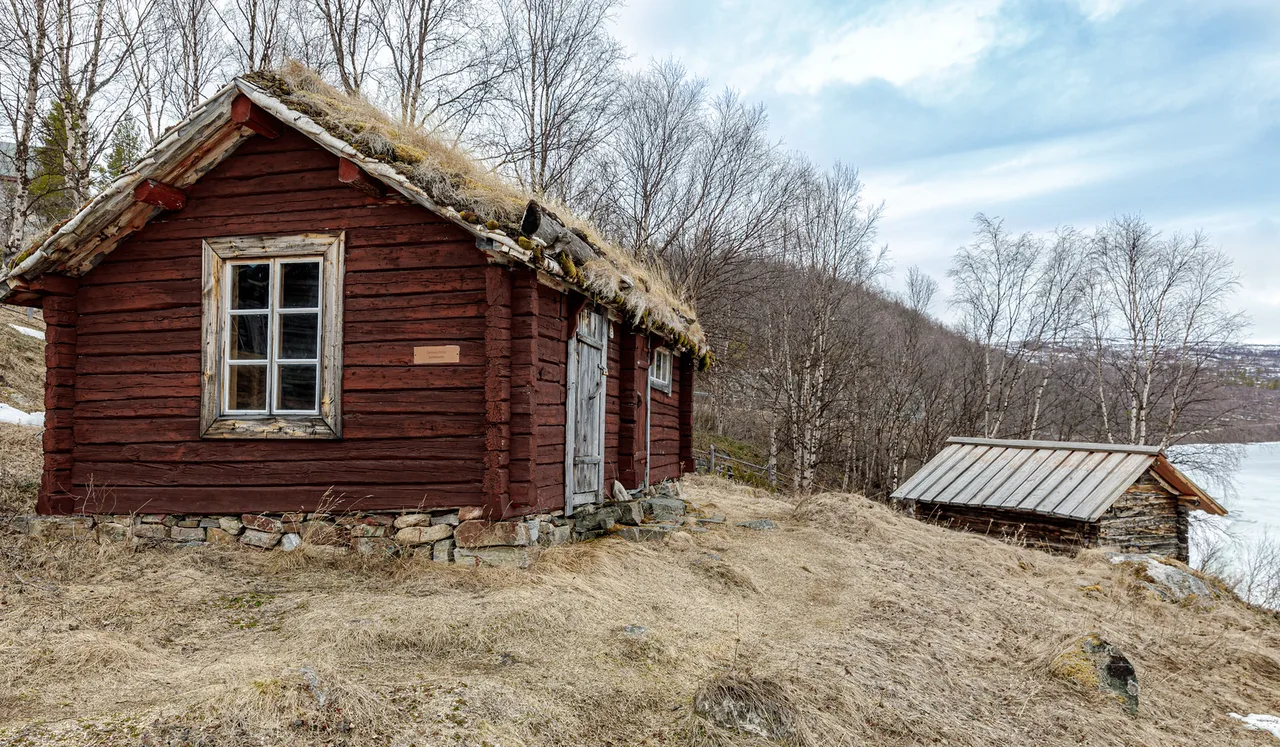
The consequence for a traveller is that the room is not warm when you arrive. Someone has to light the fire and tend it, and the smoke has to clear before the space is usable. A savusauna photograph from Kannonkoski in central Finland shows the typical form: a small, dark timber building with a low door and a chimney-less roof, standing close to water.
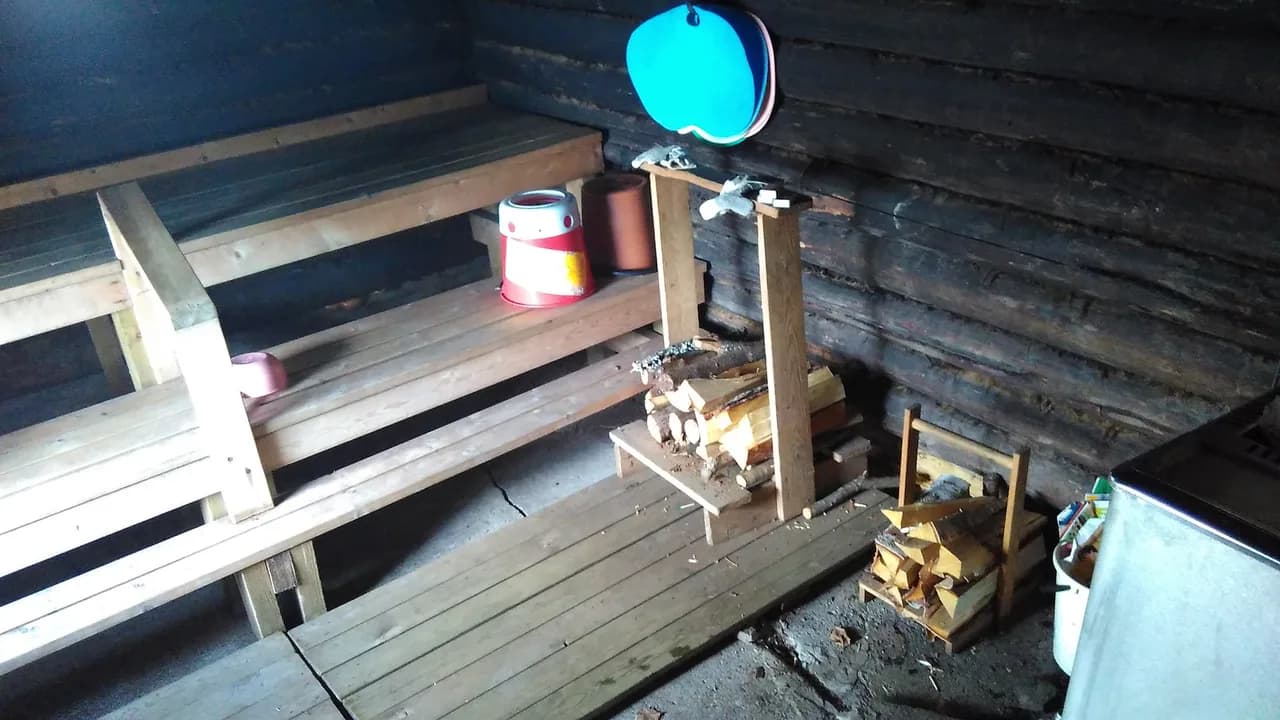
Soot is part of the deal. Walls, benches and sometimes the floor carry a fine black film, which is why venues often ask bathers to sit on a towel or a disposable seat cover and to wear darker swimwear. Sitting down carefully matters more here than in a clean electric sauna, and white towels rarely stay white.
Why the smoke matters: the Löyly and the smell of a savusauna
Löyly is the steam that rises when water hits the hot stones, and in a savusauna it arrives softer and slower than in a hot electric room. The huge stone mass releases heat gradually, so the first throw of water produces a gentle wave rather than a sharp punch, and the room recovers more slowly between rounds. Bathers often describe the heat as rounder and the air as heavier with woodsmoke.
The smell is the other signature: tar, resin and old smoke soaked into the timber. It lingers on hair and clothes, so pack a bag for the things you wore in and plan a shower and a change afterwards. If you want the broader context of steam, whisking and cold rounds, the site's guide to the Finnish sauna sets out the tradition a savusauna belongs to.
How a session actually works, from heating to the last round
The day starts with the fire. Wood is loaded and burned for hours until the stones are saturated with heat, then the embers are raked out or damped down and the smoke is vented through a hatch or door before anyone enters. Only when the air clears do bathers go in, and the first round is usually short while the room settles.
A typical visit then runs in rounds: sit for a stretch in the heat, step outside to cool in the air or the water, and return. Finns commonly stay somewhere around five to fifteen minutes per round, though the right length is whatever feels comfortable. Between rounds, wrap up, drink water, and let your body come back to normal before going in again.
At the end, most bathers shower, dress and eat something warm. Many savusauna evenings are built around food, with sausages grilled over the same fire or a simple meal afterwards, so ask what the venue offers when you book rather than expecting a full restaurant.
Savusauna vocabulary: kiuas, Löyly, vihta, savusauna
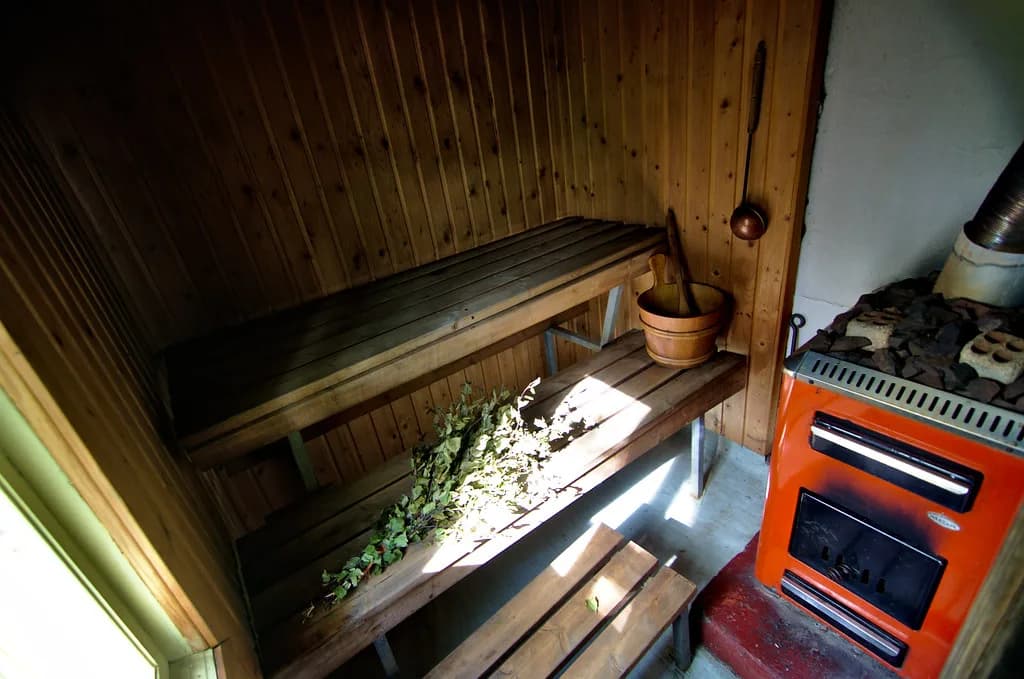
A handful of words make a smoke sauna much easier to navigate. The kiuas is the stove or stone pile that provides the heat; Löyly is the steam from water thrown on it; a vihta, also called vasta, is a bundle of birch twigs used to beat the skin and move air around the body. Savusauna itself simply means smoke sauna.
If you want to use a vihta properly, the site's guide to the sauna whisk explains how birch bundles are soaked, used and dried. Learning to say the words aloud helps too, and there is a short guide to how to pronounce sauna and the surrounding vocabulary that covers the sounds English speakers usually stumble over.
Etiquette in a smoke sauna: mixed bathers, swimwear, towels and seat covers
Finnish saunas are usually mixed, with families and friends bathing together, and swimwear is commonly worn in public and rented saunas though not in most private ones. Follow what the venue and the other bathers do; there is no universal rule. A towel to sit on, a towel to dry with and a water bottle are the standard kit.
Quiet is the default. Conversation happens in the changing room and around the fire more than in the hot room, and doors are opened and closed briskly to keep the heat in. In a smoke sauna, avoid leaning back against sooty walls, keep your feet on the towel, and leave the room if the smoke has not fully cleared rather than sitting it out.
The cold-water half: lake, river and plunge pool
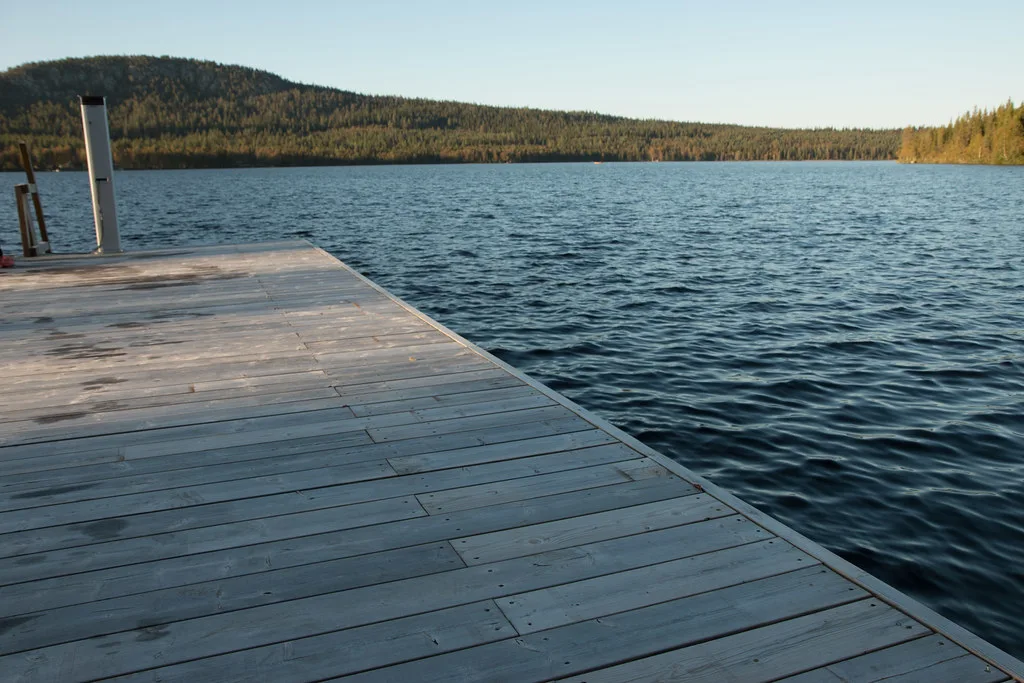
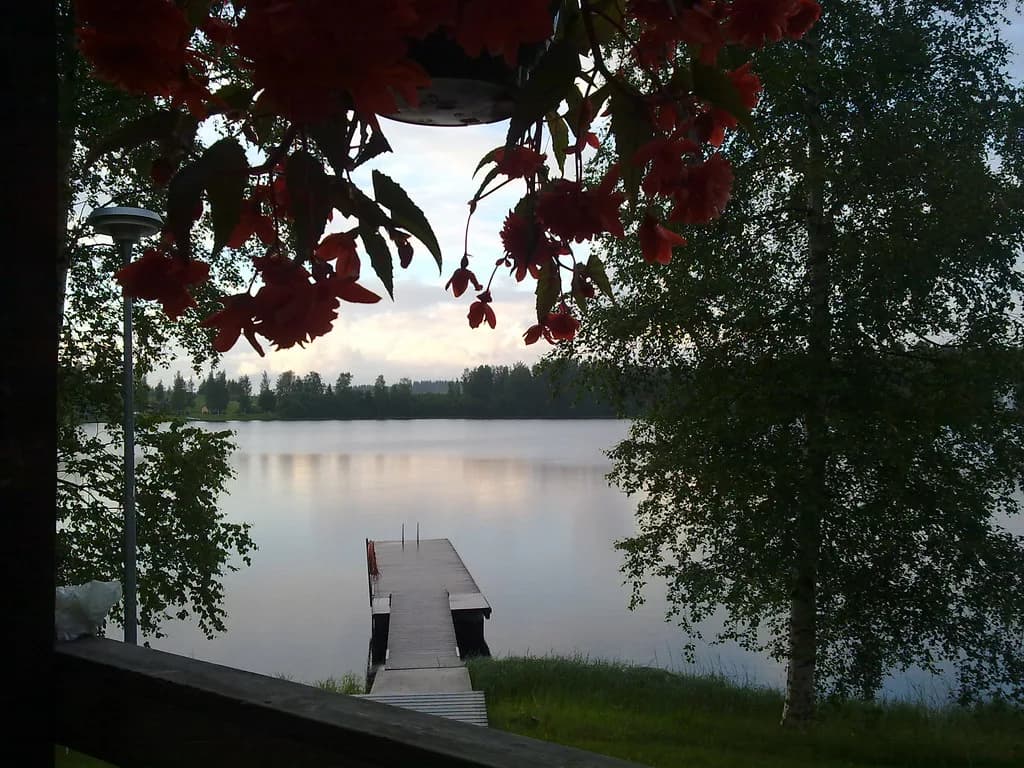
A savusauna almost always sits beside water, and the cool-down is as much part of the session as the heat. Lakes, rivers and purpose-built plunge pools are all common, and in winter the same water is reached through a hole cut in the ice, an avanto. Going in is optional and brief: a few seconds is normal, and many bathers simply step outside into the cold air instead.
The walk between the hot room and the water is the practical detail to plan for. A short path is comfortable in bare feet in summer; a longer one in winter needs sandals, a towel within reach and somewhere dry to leave a robe. Ask which water you will be using before you book, because a lake shore and a heated plunge pool give very different evenings.
Where to try a savusauna in Finland
Smoke saunas are scattered across the country, and the ones worth travelling for tend to be attached to a lake, a resort or a guided experience rather than sitting in a city centre. Kuukkeli Saunaworld, a smoke sauna world, is one of the well-known names in the north, presenting the savusauna form alongside other sauna experiences. Hotel Korpikartano by Lake Menesjärvi runs a traditional wood-heated lakeside sauna and hot tub by request.
For city saunas with a cold-water setting, the site's guide to the Finnish sauna covers urban options such as Allas Sea Pool in Helsinki and Kotiharjun sauna, which are easier to reach on a short trip. If your trip is centred on the capital, our Helsinki sauna guide picks out the best public rooms there for comparison. A savusauna is usually a deliberate detour: fewer, slower, and built into an evening rather than slotted into an afternoon.
Kuukkeli Saunaworld in Saariselkä: smoke sauna in Lapland
Kuukkeli Saunaworld presents the smoke sauna as a heritage experience rather than a quick hot room, pairing it with the wider sauna world around it. It suits travellers who want the old form explained and demonstrated, and it fits naturally into a northern stay built around forests and lakes. It sits well beyond a city break, so treat it as a destination in its own right.
Because smoke saunas need a long heat-up and a team to run them, sessions are usually scheduled rather than walk-in. Confirm the arrangement with the venue's own site when you plan the trip.
Wood-heated lakeside saunas at Hotel Korpikartano, Menesjärvi
Hotel Korpikartano on the shore of Lake Menesjärvi keeps a traditional wood-heated log sauna by the water, with a hot tub available by request. The appeal here is the setting as much as the stove: a lake directly in front, a forest behind, and the old routine of heat, cold water and a slow sit outside. It is a lakeside sauna evening rather than a sauna complex.
Booking, session length and what a savusauna costs
Smoke saunas are commonly booked in blocks, often a private hour or an evening session shared with a small group, because the fire has to be lit ahead and the room cannot be kept hot indefinitely. A typical visit lasts a couple of hours including changing, rounds and cool-downs, and private bookings cost more than a seat in a shared session. Ask what is included, since towels, seat covers and a cold plunge are not always part of the fee.
Fees vary by venue and season, so expect a modest cost for a shared session and a higher one for a private lakeside booking, without assuming a fixed figure. Many Finnish saunas take card and some take cash only.
When savusauna season runs and why summer suits smoke saunas
Summer is the natural season for a smoke sauna: warm evenings, light water, and the habit of moving between the hot room, the lake and the yard without a long cold walk. Midsummer and the weeks around it are the busiest and most atmospheric, and lakeside venues fill first. Autumn brings darker evenings and a different mood, with the smoke and the fire doing more of the work.
Winter smoke saunas exist and the ice swimming that goes with them is a genuine Finnish tradition, but the logistics are harder: snow on the path, frozen water, more clothing to manage. Plan for a shorter time outside and a place to dry things.
Common mistakes first-timers make in a savusauna
The first mistake is going in too early. A smoke sauna needs to be vented properly, and stepping into a room that is still hazy is unpleasant rather than atmospheric, so wait for the go-ahead. The second is overdoing the first round: a short first session tells you how the heat behaves, and it is easier to add a round than to recover from too long a one.
The third is skipping the cool-down. Rushing from the hot room back into clothes wastes the rhythm of the session, and the rest between rounds is where the evening actually happens. The fourth is forgetting that soot marks everything: sit on your towel, keep bags off the benches, and change out of swimwear before you dress.
Safety: hydration, alcohol, and when to leave the hot room
The plain rules are unglamorous and worth repeating: drink water, skip alcohol before bathing, leave the room if you feel unwell or dizzy, and ask a doctor first if you have a heart condition or are pregnant. A smoke sauna gets very hot and the air can be heavy, so nobody should be left to sit it out because the group is still inside.
Savusauna and the wider Finnish sauna tradition
The smoke sauna is not a museum piece but one end of the Finnish sauna spectrum, with the electric city sauna at the other. What links them is the round: heat, cool down, rest, repeat, with food and company afterwards. If you understand that rhythm, the smoke sauna's soot, wood and long fire are details rather than obstacles.
Plan Around the Fire
A savusauna rewards planning: pick a lakeside venue with water on the doorstep, book a session that leaves time for several rounds, and bring a towel you do not mind staining. Treat the fire as the fixed point of the day and the bathing as something arranged around it, and the smoke, the soot and the soft Löyly all make sense. For the practical details, see the Finnish sauna etiquette.
Explore more Finland sauna guides
- Avanto: Ice Swimming in Finland, and How a Sauna Round Works
- The Finnish Sauna Hat
- The Sauna World Championships
- Finnish Sauna Temperature
- How Many Saunas Are in Finland? Three Million, for 5.5 Million People
- Public Saunas in Finland
- The History of the Sauna
- The Kiuas
- Christmas Sauna in Finland
- Jätkänkämppä Smoke Sauna in Kuopio
- The Best Saunas in Turku
Frequently Asked Questions
What is a savusauna?
A savusauna is a Finnish smoke sauna: a timber room with a large pile of stones and a fire, but no chimney. Wood burns for hours, the smoke is vented before bathers enter, and the soot-blackened walls then hold a soft, slow heat that feels rounder than an electric sauna.
How is a savusauna different from a normal Finnish sauna?
An everyday Finnish sauna usually has a metal stove with a flue and can be hot within an hour, so it fits into a weekday evening. A savusauna needs a long firing, careful venting and a soot-tolerant set of towels and swimwear, which is why it becomes the centre of an afternoon or evening rather than a quick stop.
How long does a savusauna session last?
Individual rounds are typically short, somewhere around five to fifteen minutes, with cool-downs and rest in between. The whole visit, including changing, several rounds and something to eat, usually runs a couple of hours, and private bookings are commonly arranged in blocks of an hour or an evening.
Do you wear clothes in a savusauna?
In public and rented saunas, swimwear is commonly worn, and a towel or seat cover under you is standard because the benches are sooty. Private and family saunas in Finland are often used without swimwear; follow what the venue and the other bathers do.
Where can I try a savusauna in Finland?
Kuukkeli Saunaworld in Saariselkä presents the smoke sauna as a heritage experience in the north, while Hotel Korpikartano on Lake Menesjärvi keeps a wood-heated lakeside sauna with a hot tub by request. Both are destination saunas rather than city stops, so build the day around them.
Why do Finnish people sauna so much?
The sauna is a routine social space rather than an occasion: heat, cool down, rest and repeat, often with food and conversation afterwards. The smoke sauna is the old form of that habit, and its long firing and lake-side setting turn the same rhythm into a whole evening.
Sources
Sauna notes for your next trip
Optional updates to our sauna guides.
You might also like
Continue reading
More guides you'll find useful